Newsletters


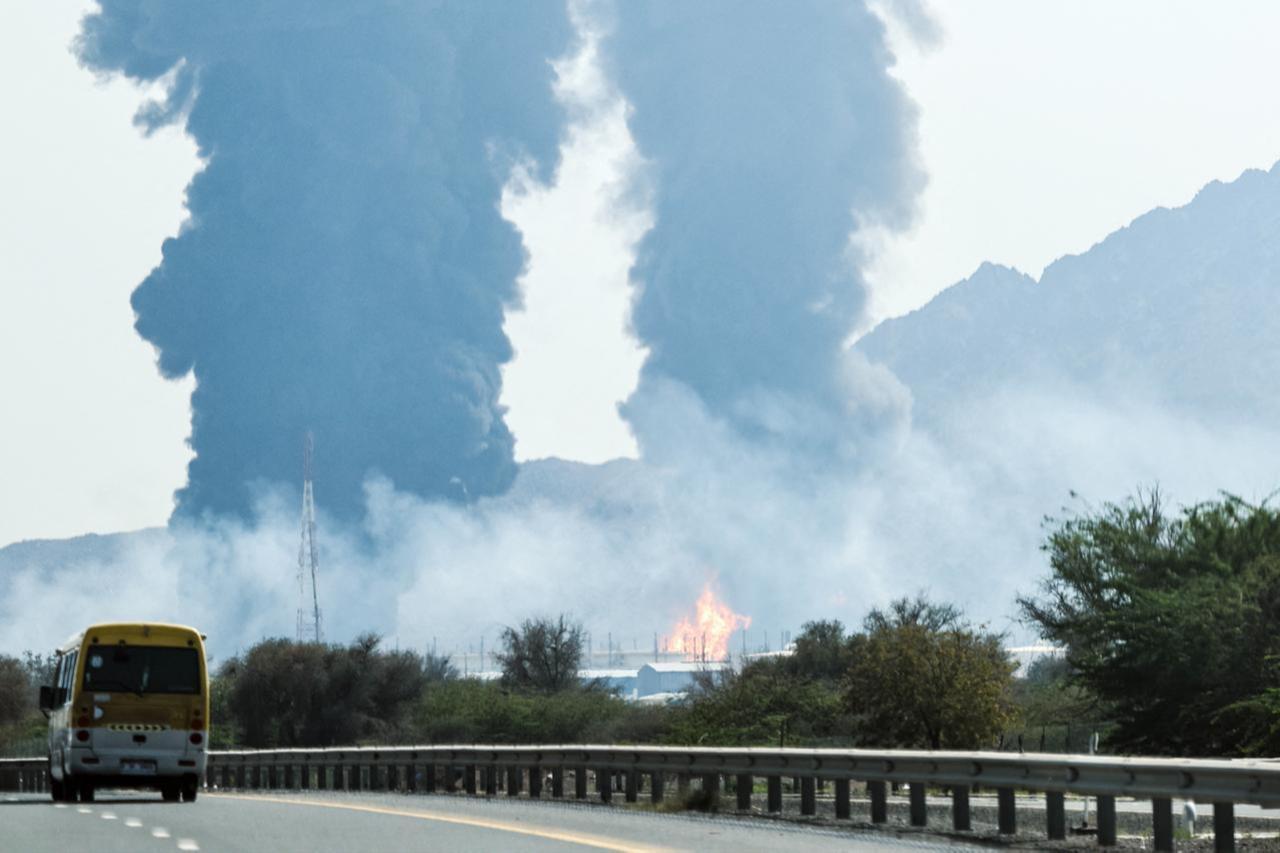


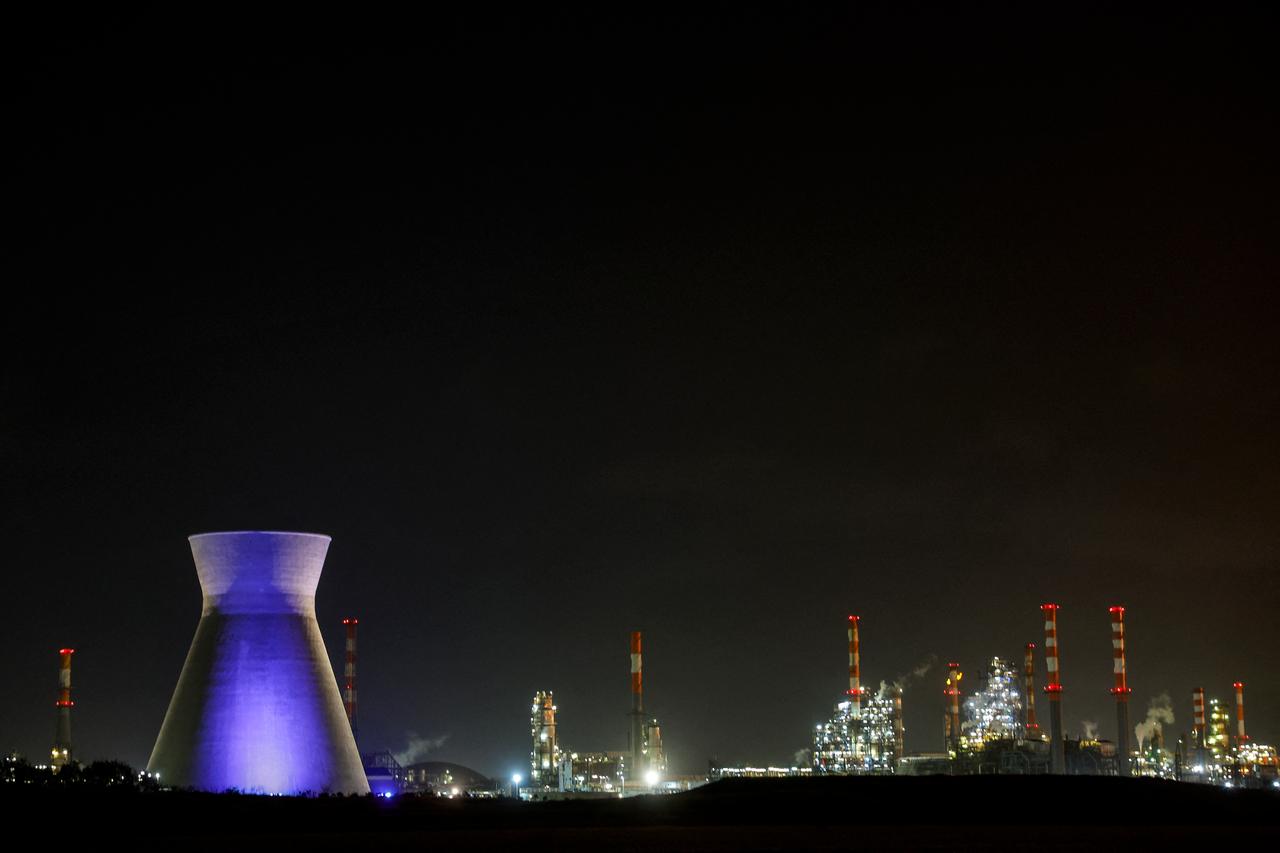
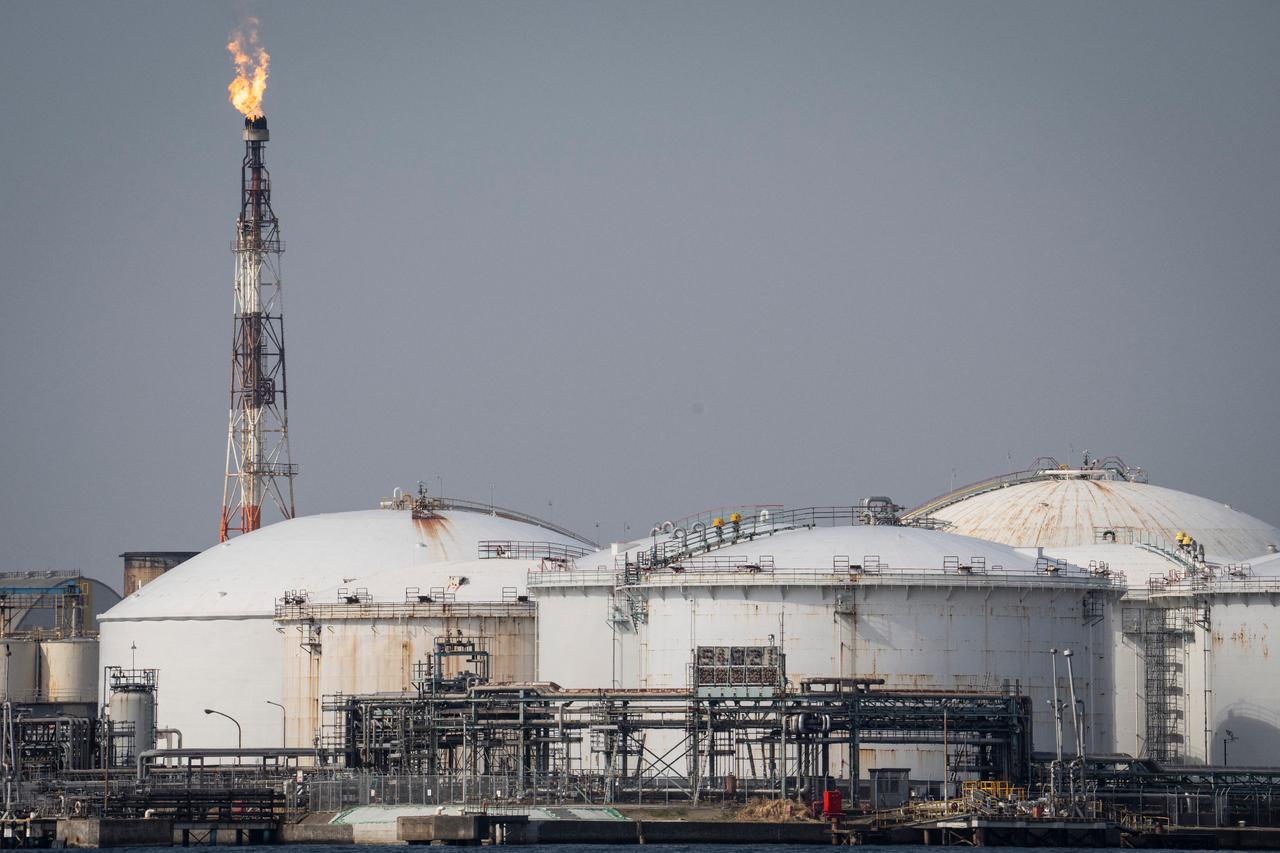
At least 40 energy assets across nine countries in the Middle East have been “severely or very severely” damaged amid the ongoing war, International Energy Agency (IEA) Executive Director Fatih Birol said.
Speaking at the National Press Club in Australia’s capital, Birol said the damage spans oil fields, refineries and pipelines across the region, reflecting the scale of disruption caused by more than three weeks of fighting.
“It will take some time for the oil fields, refineries and pipelines to come back online,” he said.
Birol warned that the extent of the damage could prolong disruptions to global energy supply chains even after the conflict ends, as restoring production and infrastructure will require time.
He said the war has affected multiple parts of the energy system simultaneously, creating a compounded impact on supply and distribution.

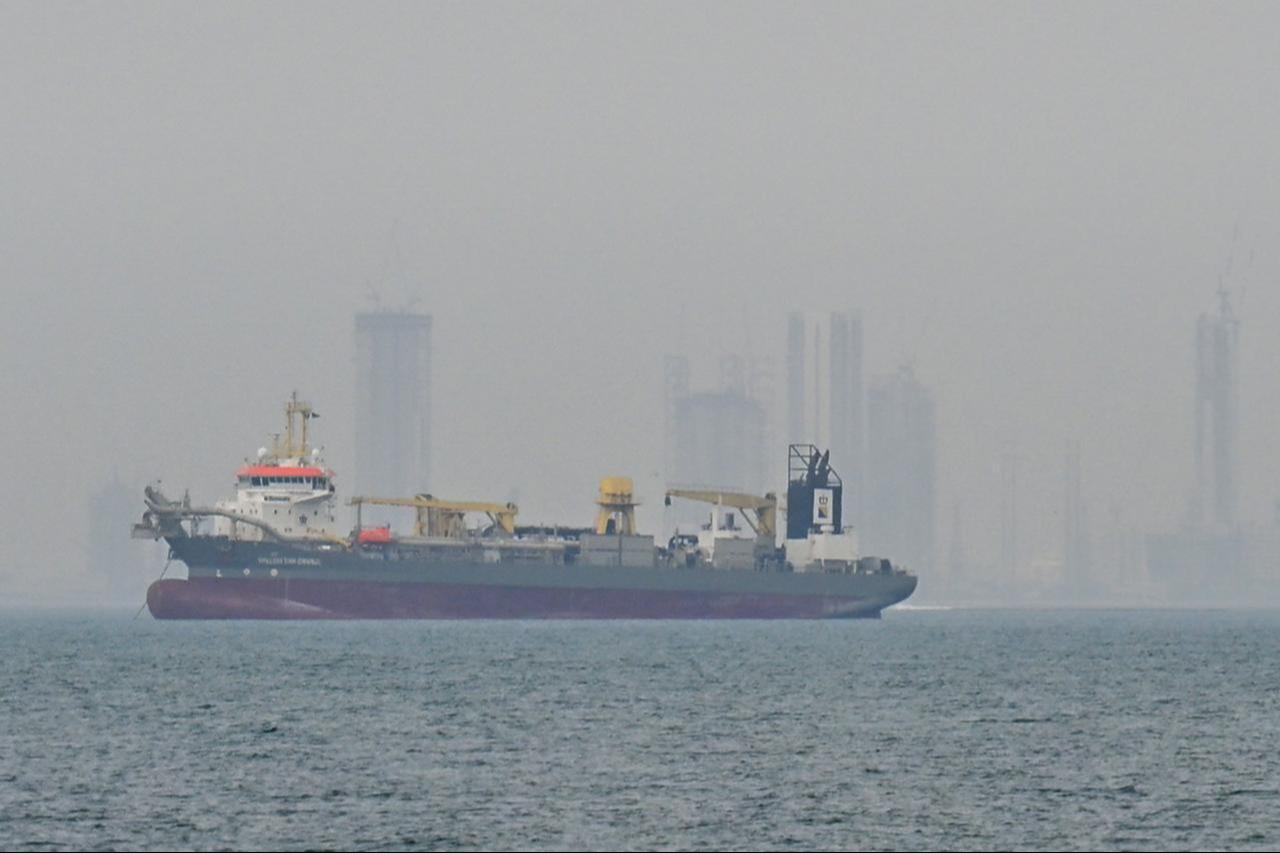
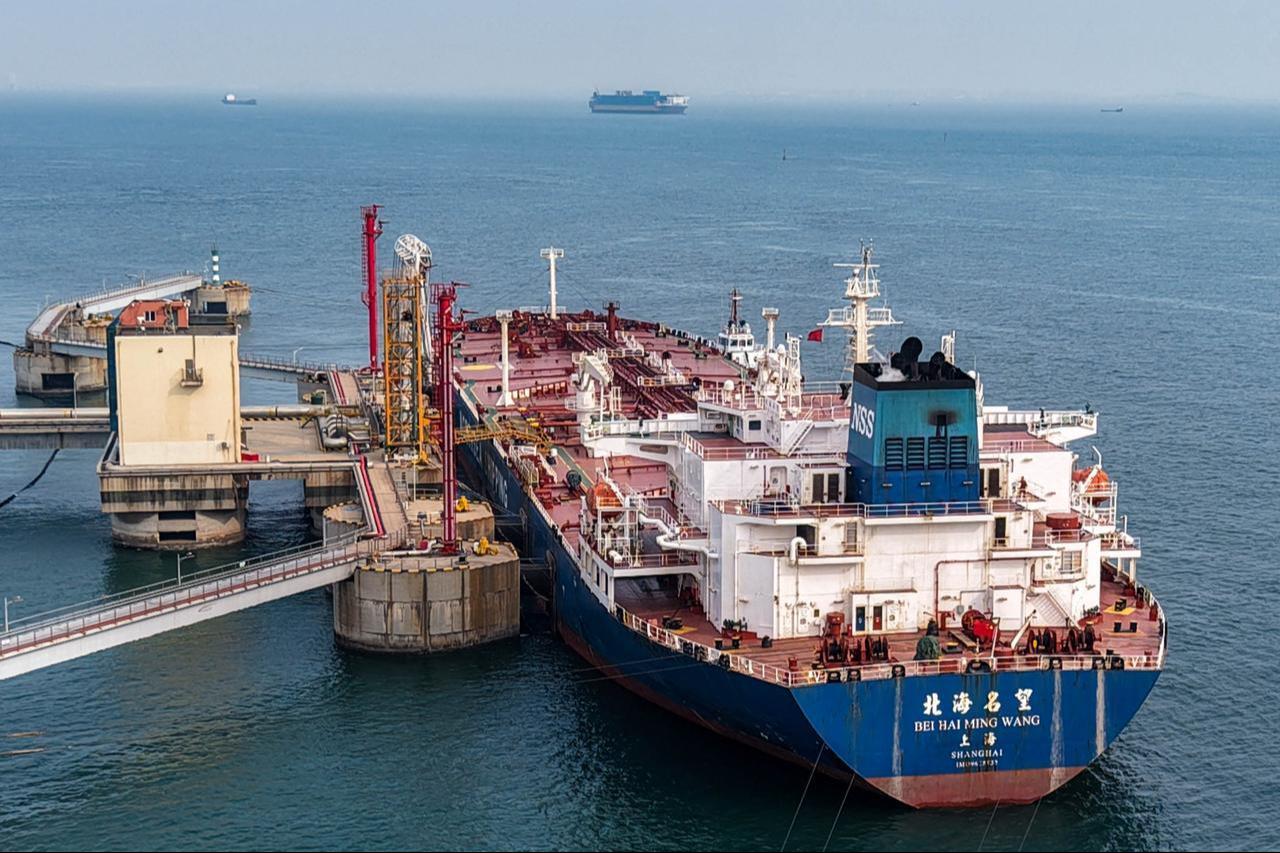
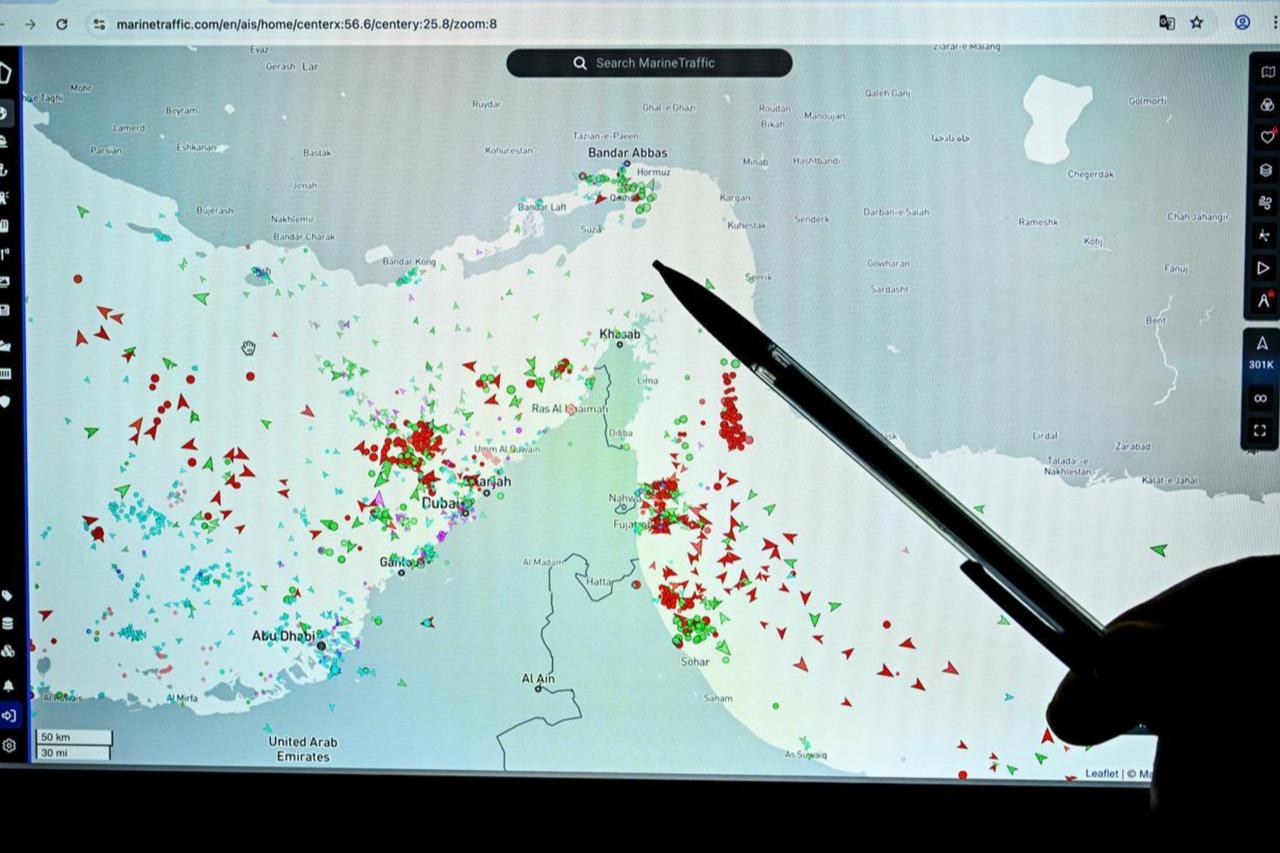
Birol said the conflict has disrupted the entire energy supply chain and nearly halted shipping through the Strait of Hormuz, one of the world’s most critical energy chokepoints.
The waterway, which normally carries around 20 million barrels of oil per day and about 20% of global oil and gas shipments, has been effectively disrupted since early March.
The disruption has pushed up shipping and insurance costs while limiting the flow of energy supplies to global markets.
U.S. President Donald Trump has demanded that Iran reopen the strait, as tensions between Washington and Tehran have escalated.
Oil prices have risen amid the disruption, with U.S. benchmark crude briefly reaching the $100-per-barrel mark, while Brent crude has traded at elevated levels.
Birol stressed that reopening the Strait of Hormuz remains critical to restoring global energy flows and stabilizing markets.
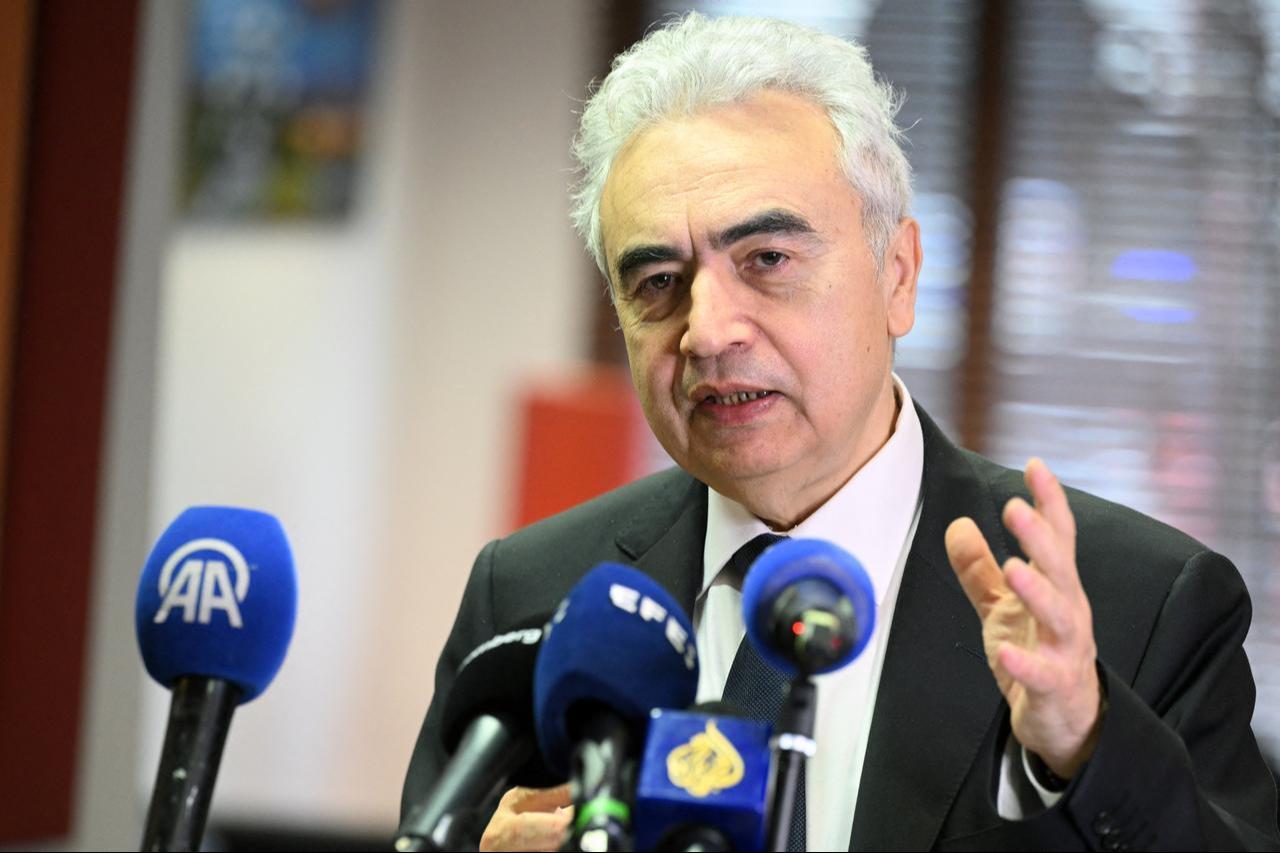
Birol warned that the current energy crisis poses a “major threat” to the global economy, saying the impact could be widespread if disruptions continue.
“The global economy is facing a major, major threat today, and I very much hope that this issue will be resolved as soon as possible,” he said.
“No country will be immune to the effects of this crisis if it continues to go in this direction.”
He compared the situation to past energy shocks, describing it as equivalent to “two oil crises and one gas crash put all together,” referring to the oil crises of the 1970s and the natural gas crisis following Russia’s 2022 invasion of Ukraine.
Birol said the disruption is affecting not only oil and gas but also “some of the vital arteries of the global economy,” with trade flows being interrupted.
Birol said Asia is particularly affected due to its reliance on energy supplies from the Middle East.
He noted that countries tend to prioritize domestic interests during crises but warned that export restrictions without justification could worsen the situation.
The IEA plans to release 400 million barrels of oil from emergency reserves to help ease supply shocks, he said, adding that additional reserves could be deployed if disruptions persist.
He said restoring stability in global markets will depend on the reopening of key supply routes and the recovery of damaged infrastructure.
The disruptions come as the war, which began with U.S.-Israeli strikes on Iran on Feb. 28, has entered its fourth week and continues to affect regional stability.
The conflict has reportedly killed at least 1,300 people, including then-Supreme Leader Ali Khamenei.
Iran has responded with drone and missile attacks targeting Israel, Jordan, Iraq and Gulf countries hosting U.S. military assets.
The ongoing fighting has intensified volatility in global energy markets, disrupted key supply routes and increased pressure on international trade and economic stability.


 Set as preferred source
 Set as preferred source


 1 min read
 1 min read