Newsletters


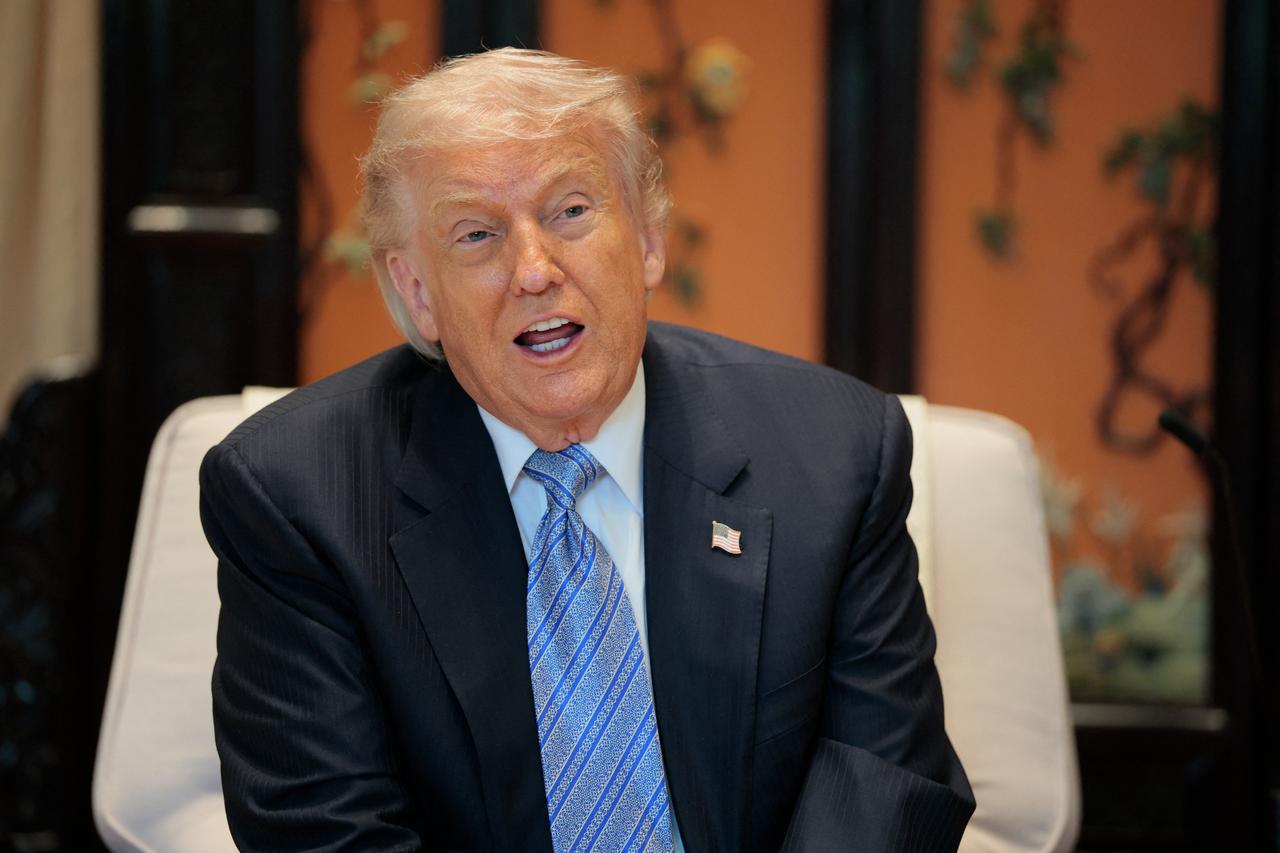


The U.S. and Israel are engaged in their most intense preparations since last month’s cease-fire for the possible resumption of attacks against Iran as early as this week, The New York Times reported, citing two Middle East officials familiar with operational matters.
The preparations come as U.S. President Donald Trump threatened renewed war with Iran on Sunday night, warning Tehran to move quickly in stalled negotiations or face further military action.
Trump said in a social media post that Iran had to move fast “or there won’t be anything left,” adding that “the Clock is Ticking.” He did not set a deadline.
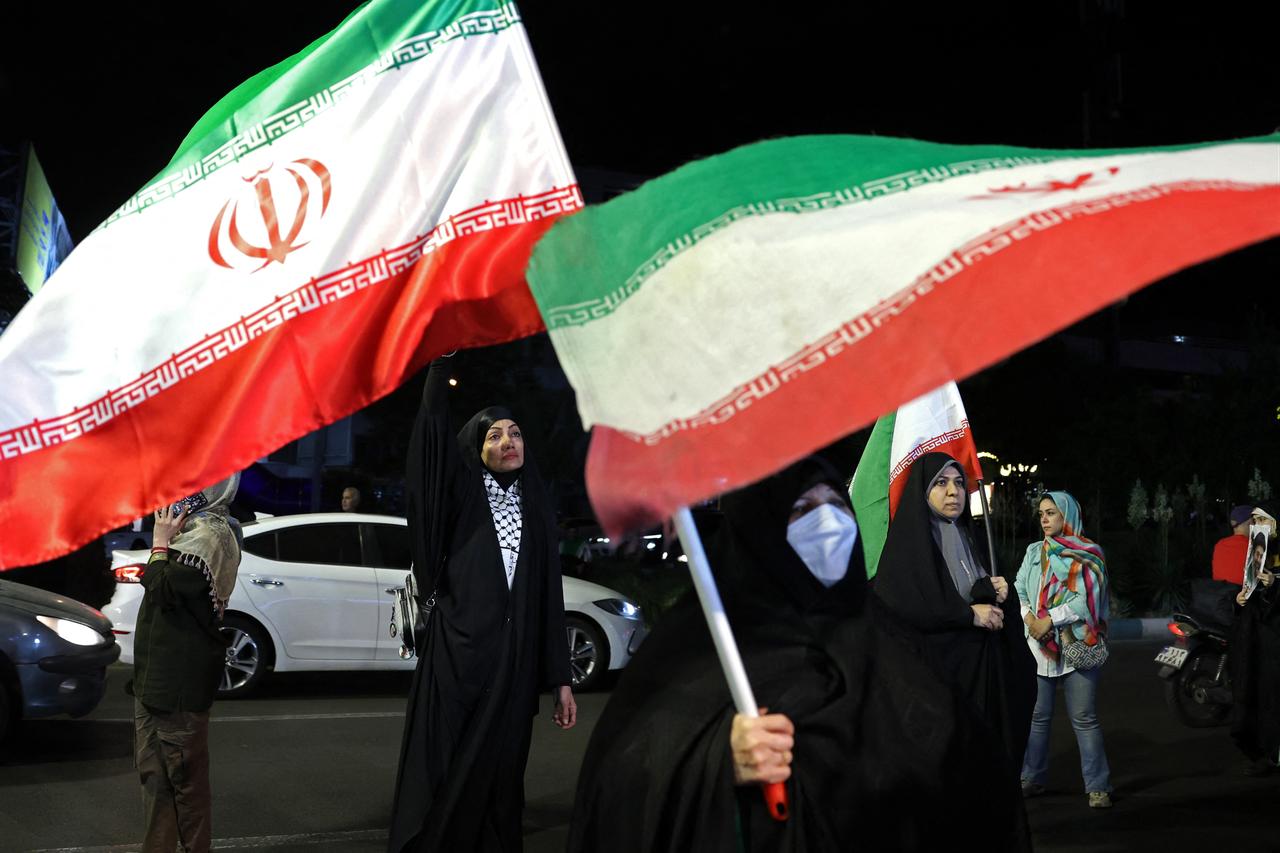

Negotiations between the U.S. and Iran have been stalled for weeks. Trump has repeatedly warned that he could soon order a renewed assault on Iran unless its leaders make concessions in the talks.
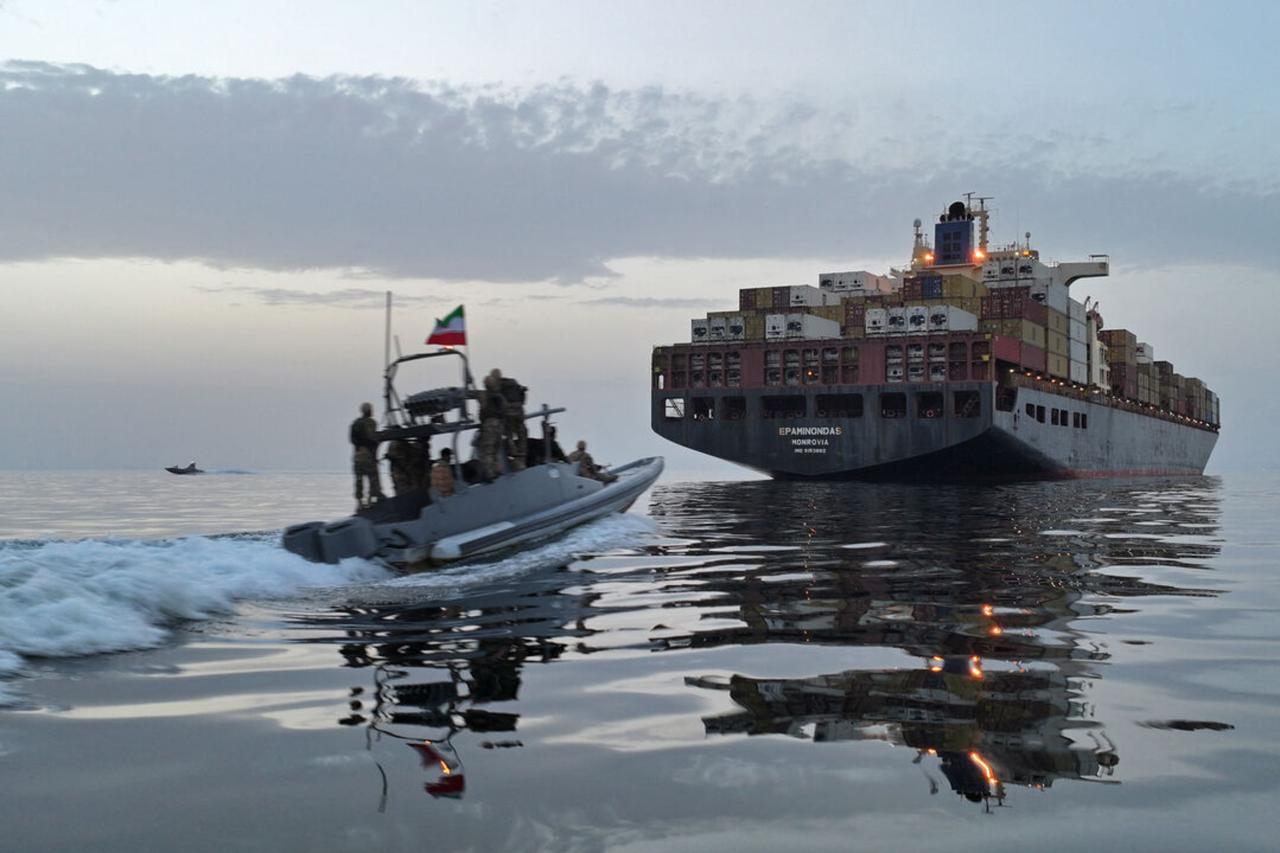
Iran has repeatedly rejected U.S. terms for a deal to curb uranium enrichment and end attempts to blockade the Strait of Hormuz, a critical waterway for oil and gas shipping.
The turmoil over the strait has roiled markets and sent oil prices soaring.
On Monday, Iran said it had handed another counterproposal to the U.S. in the negotiations. Iran’s Foreign Ministry said talks were still continuing through Pakistan, which has been mediating between the two sides.
Asked about Trump’s threats, Iranian Foreign Ministry spokesman Esmaeil Baghaei told reporters: “Don’t worry, we know very well how to respond.”
Baghaei did not elaborate. Iranian officials have repeatedly threatened fierce retaliation if attacked again by the U.S. and Israel.
The Pentagon is planning for the possibility that Operation Epic Fury, which was paused when Trump declared the cease-fire last month, could resume in the coming days.
The war began in late February with a joint U.S.-Israeli attack on Iran that drew much of the Middle East into the conflict.
Analysts say the U.S. has faced a difficult dilemma since the cease-fire was declared last month.
U.S. and Israeli warplanes could again attack Iran from the air, but many military analysts say bombing alone is unlikely to force Iran to accept U.S. demands.
The two countries could also launch a special forces operation to try to seize Iran’s stockpile of highly enriched uranium, which the U.S. and Israel fear could be used to build a nuclear weapon.
Such a raid could risk the lives of U.S. soldiers and further strain domestic U.S. support for the war.
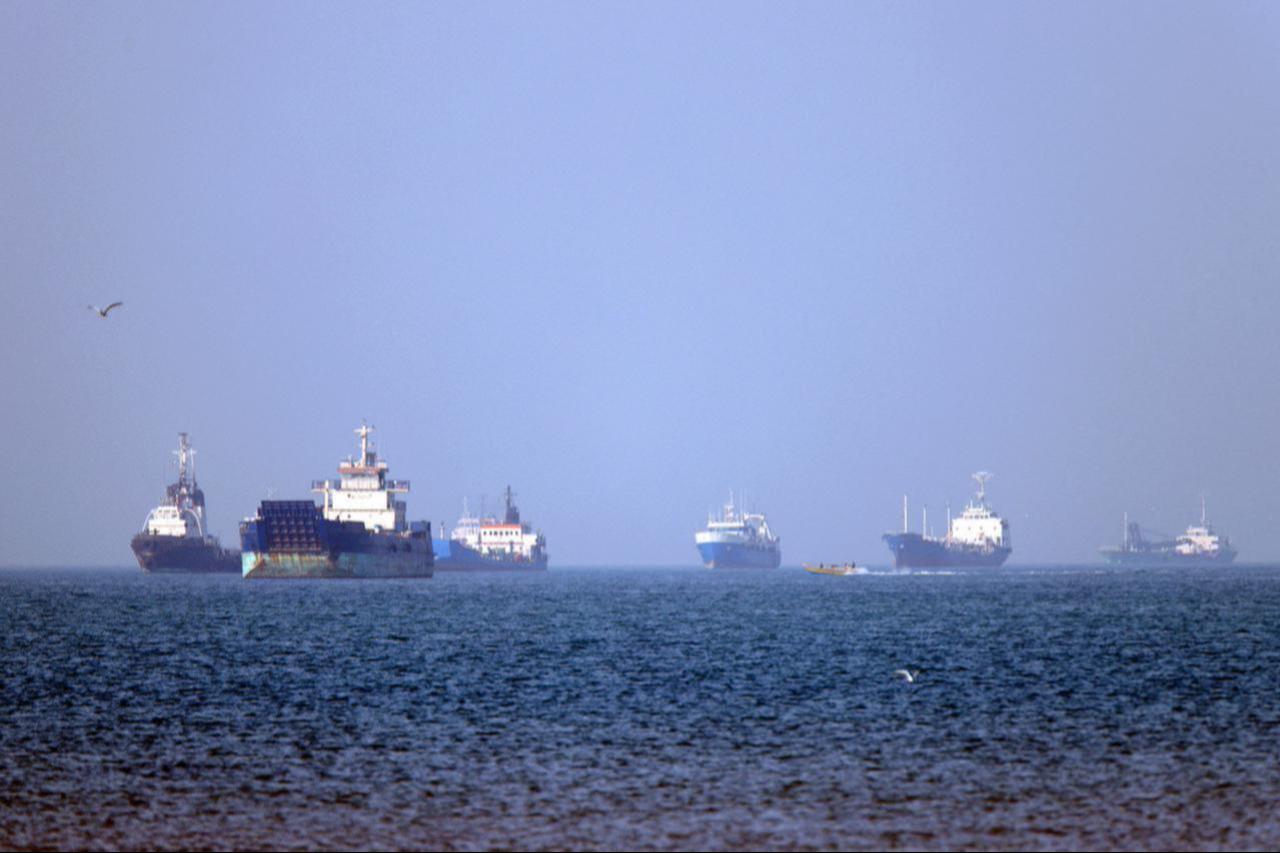
For the past month, Trump has instead used a pressure campaign to try to force Iran to reopen the Strait of Hormuz, but the effort has so far been unsuccessful.
The U.S. briefly launched what Trump called “Project Freedom” to help escort ships trapped in the waterway to safety.
The initiative was suspended one day later to allow for further negotiations with Iran.
Trump has made similar threats to Iran over the past two months without following through, according to The New York Times.


 Set as preferred source
 Set as preferred source


 1 min read


 1 min read