Newsletters




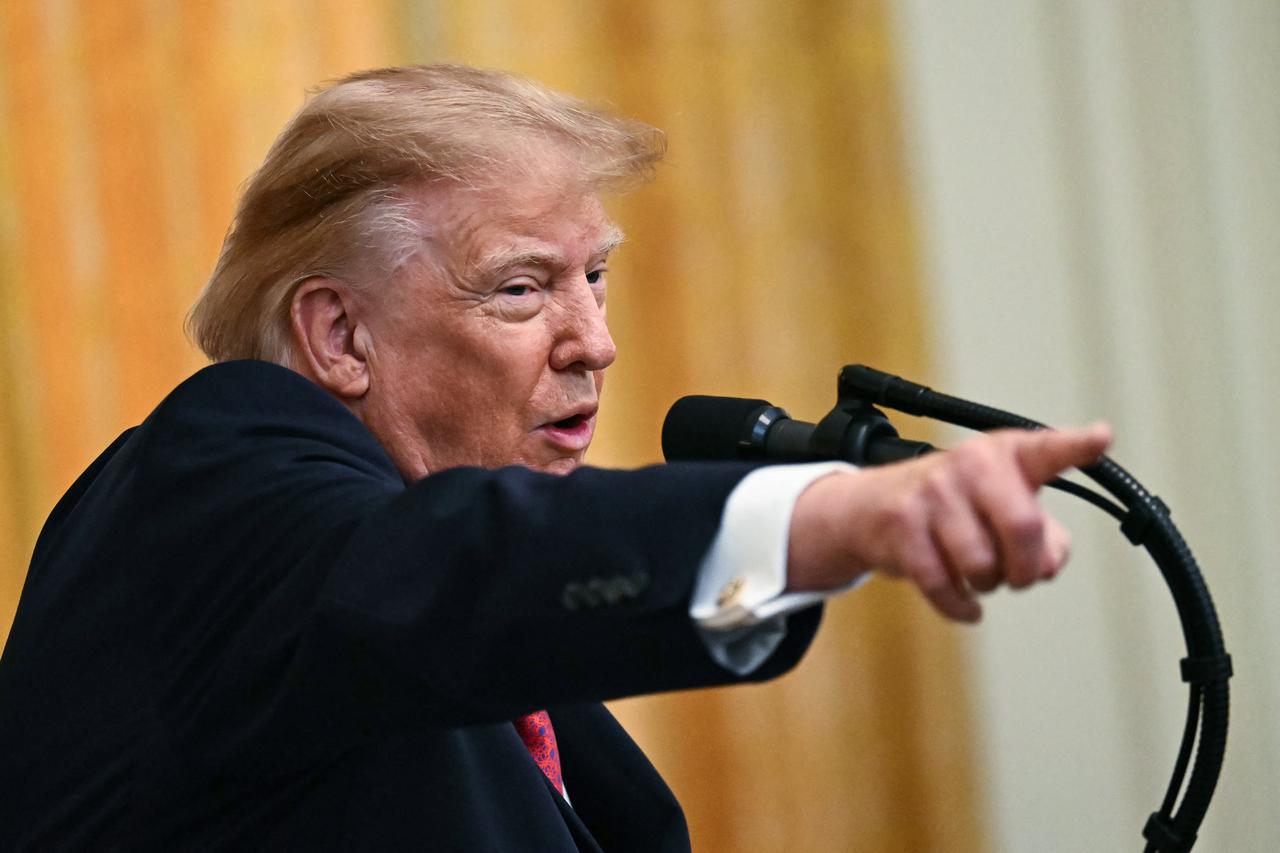
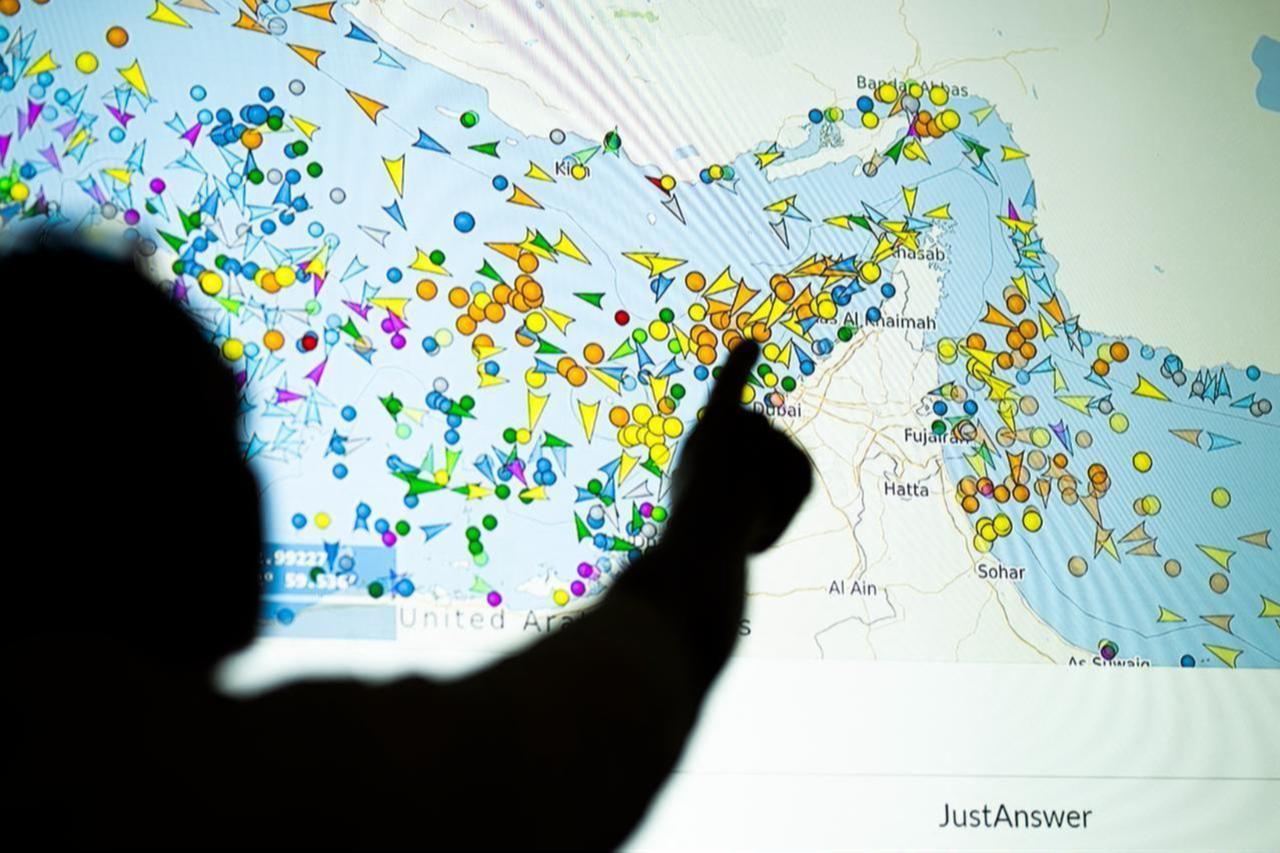
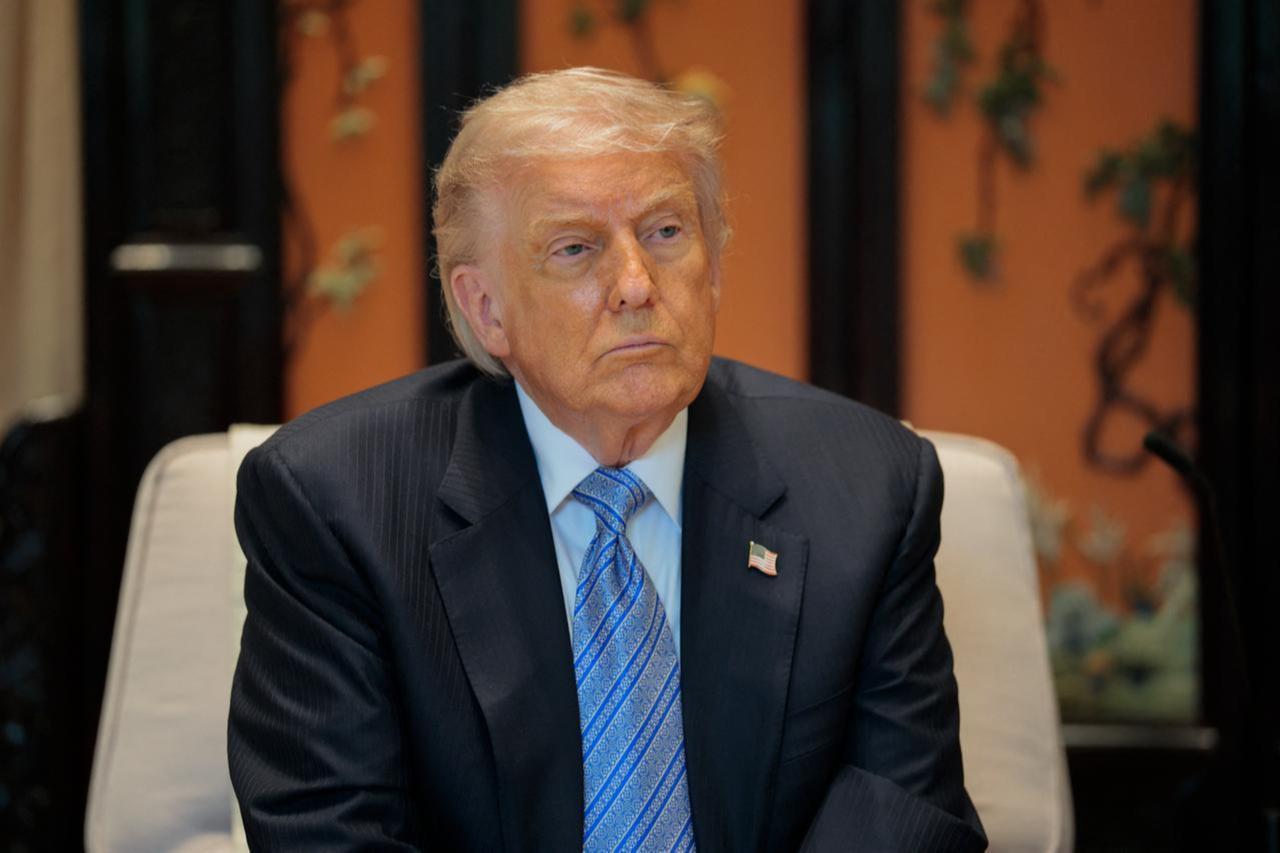
U.S. President Donald Trump described Iran's leadership as negotiating partners who "are dying to sign a deal" but keep sending proposals with "no relationship" to previous agreements.
In a Fortune magazine interview in the Oval Office, he conceded that he may have to wait for the Iran war to end before the Federal Reserve can cut interest rates, given the persistent inflation being driven by rising oil costs.
On his administration's massive financial intervention in Intel, Trump told Fortune he regrets asking for only a 10% stake—a share now reportedly valued at over $50 billion. "I said, 'Give the country 10% ownership for free in Intel.' He said, 'You have a deal.' I said, 'S**t, I should have asked for more,'" Trump recalled during the interview.
The government converted federal chipmaking grants into an equity stake in Intel in August 2025. Trump told Fortune the position had grown from approximately $10 billion to more than $50 billion in eight months, citing a stock performance chart brought in by an aide during the interview.
Intel stock has risen approximately 496% from its January 2025 baseline, according to cumulative return data provided by Fortune.
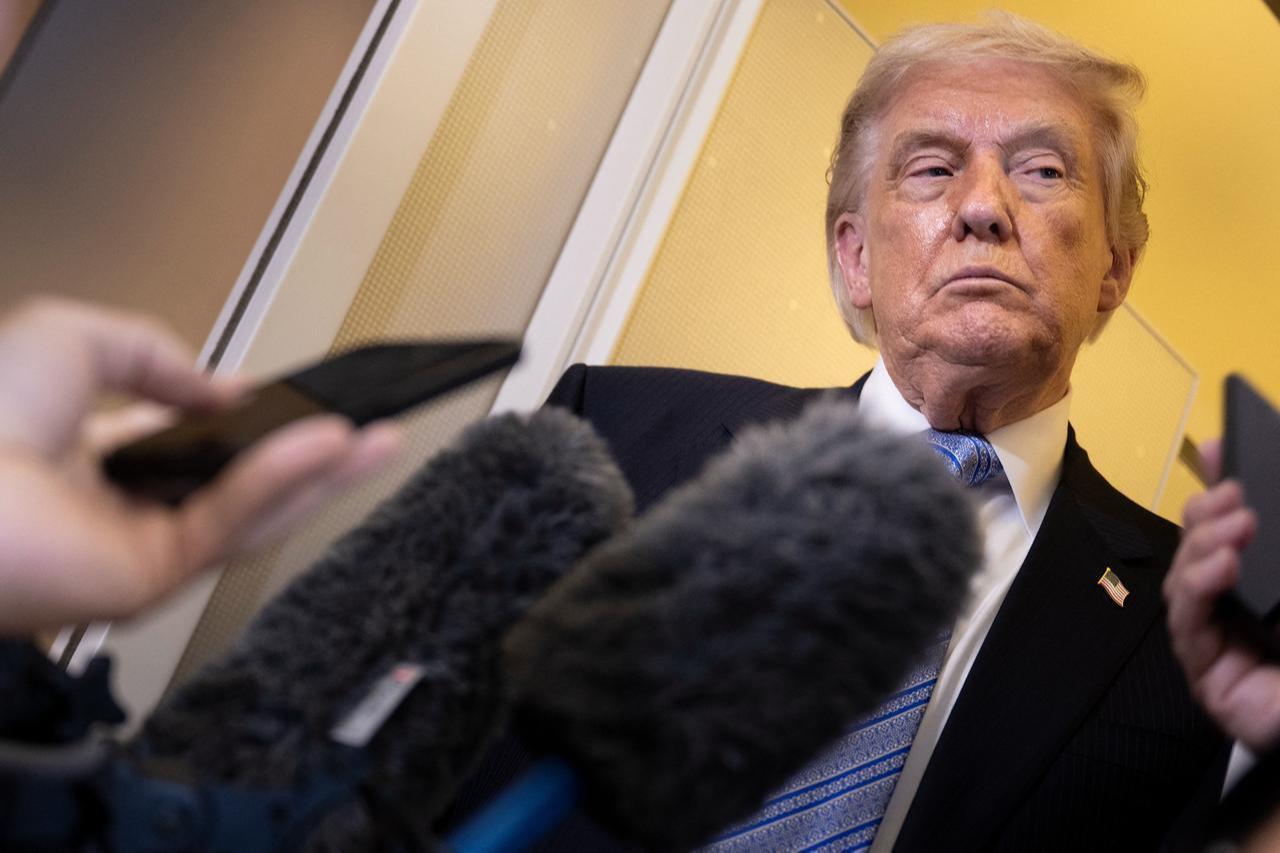

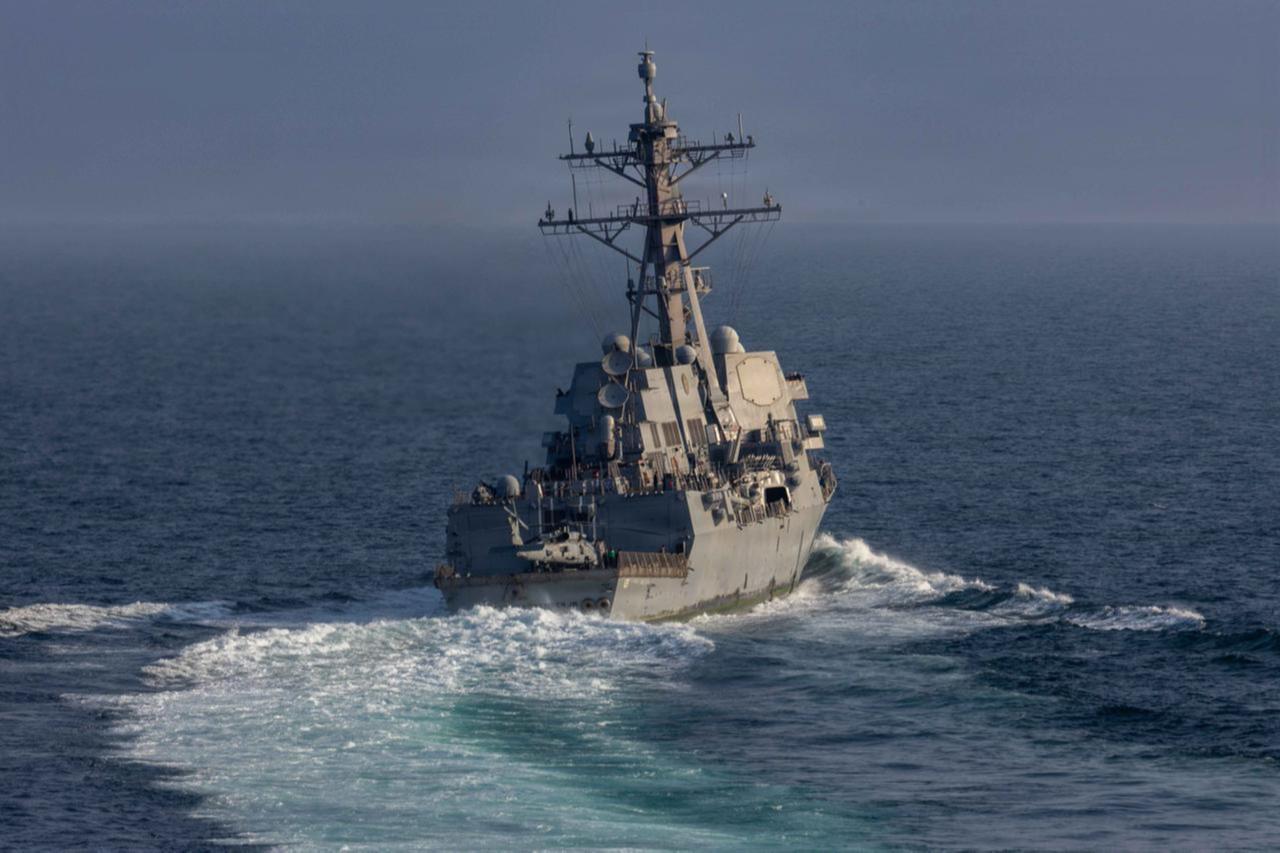
Trump told Fortune he was resigned to waiting on interest rate cuts until the Iran war ends: "You can't really look at the figures until the war is over," he said, acknowledging that rising oil costs from the conflict were driving inflation higher, with the latest CPI reading released the same morning as the interview showing inflation at 3.8%, up from 3.3% the prior month.
On Iran's negotiating posture, Trump said: "They scream all the time. I can tell you one thing, they're dying to sign. But they make a deal, and then they send you a paper that has no relationship to the deal you made. I say, 'Are you people crazy?'"
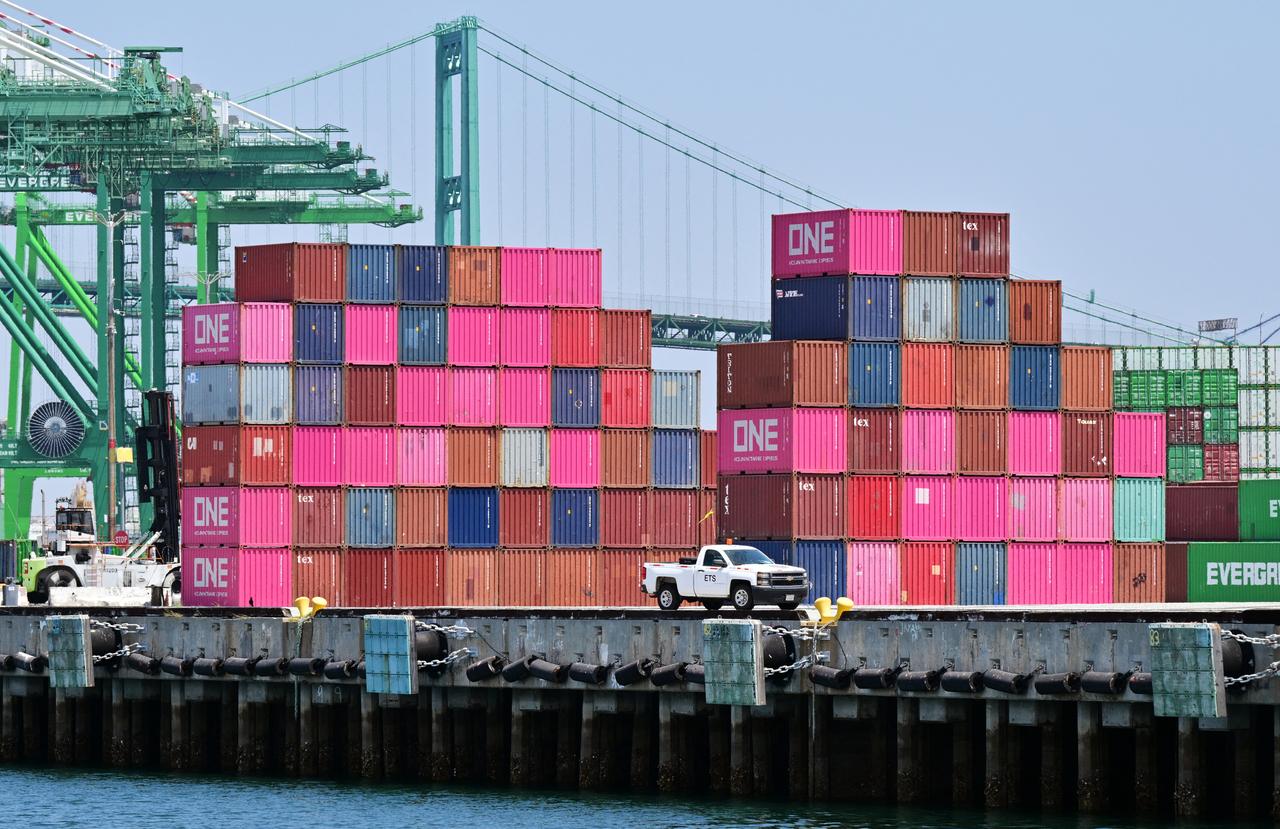
Fortune reported that the Supreme Court had recently struck down roughly half of last year's Liberation Day tariffs as unconstitutional, a ruling that Trump told Fortune "really pisses him off," because it would not allow him to keep the already collected tariff revenue.
"Can you imagine, to people who hate us, to countries that ripped us off for years, I've got to give them back $149 billion," he said.
Trump estimated the ruling would cut his expected $600 billion annual tariff revenue nearly in half.
Fortune reported that Trump arranged for Nvidia CEO Jensen Huang, who did not own a personal jet and was not on the original guest list, to join the Air Force One delegation to Beijing, alongside Citigroup's Jane Fraser and Boeing CEO Kelly Ortberg.
Three days after the interview, Trump announced in Beijing that China had agreed to buy 200 Boeing planes.
On AI, Trump said the U.S. was "beating China by a lot" because he had allowed major tech companies to build their own power generation for data centers. Amazon, Meta, and Alphabet, Fortune noted, are each spending over $100 billion on AI infrastructure this year.
On succession, Trump told Fortune: "Whoever gets this job is going to be very important. And if you get the wrong person: disaster."
Asked whether his deal-making approach could survive his presidency, he said: "It's not going to happen again."


 Set as preferred source
 Set as preferred source


 1 min read
 1 min read