Newsletters


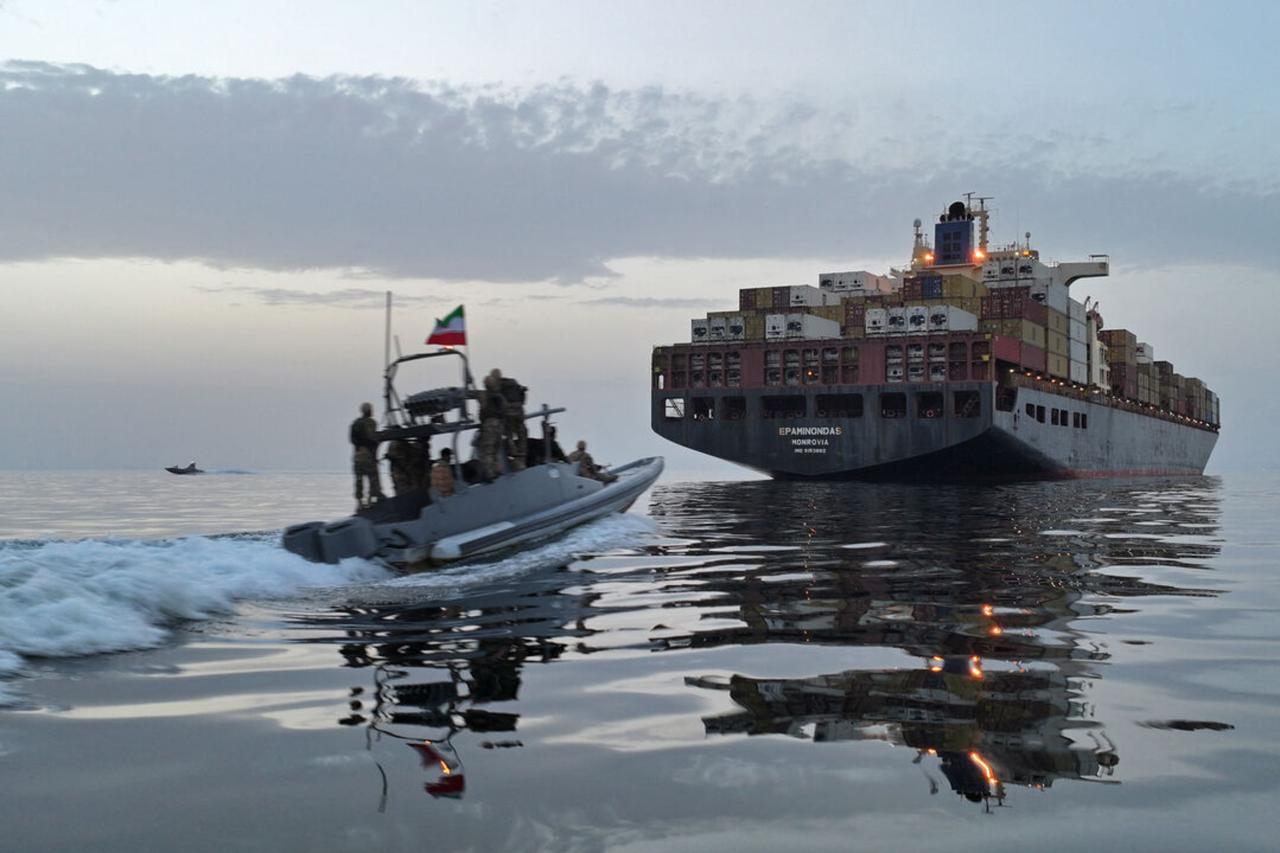


Iran's Supreme National Security Council (NSC) announced the formation of the Persian Gulf Strait Authority (PGSA) on Monday.
The council shared the new body's official X account, signaling that Tehran is formalizing its control over Strait of Hormuz traffic into a permanent institutional framework, with ships already being sent regulations from the address info@pgsa.ir.
The PGSA's first post on X read: "In the Name of God. The official X account of the Persian Gulf Strait Authority is now live. Follow us for real-time updates on Hormuz Strait operations and latest developments."
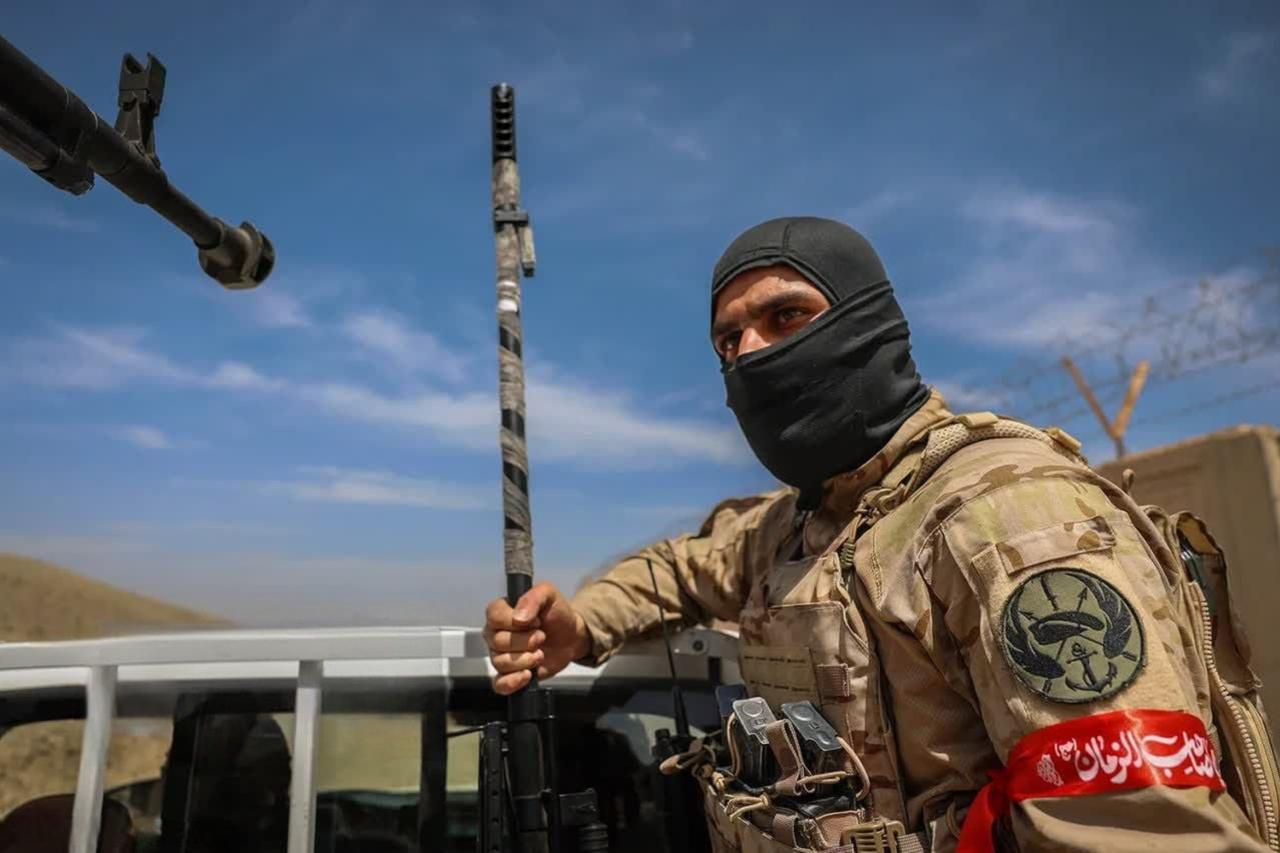
The account of Iran's Revolutionary Guards Navy shared the same post.
Iran's Press TV had earlier described the body as "a system to exercise sovereignty over the Strait of Hormuz."

It is not immediately clear what the new body would formally do, but it has been reported that ships passing through the strait are being sent regulations from the PGSA email address.
Iranian parliament's National Security Committee chair Ebrahim Azizi had said on Saturday that Iran had "prepared a professional mechanism to manage traffic" through the strait that would be "unveiled soon." The PGSA's launch on Monday appears to be the basis for that announcement.
Azizi had also said on X that only commercial vessels and parties cooperating with Iran would benefit from the arrangement. He also stated that fees would be collected for specialized services, while the route would remain closed to the operators of the so-called "freedom project," a reference to the U.S. naval operation to escort stranded commercial ships through the waterway.
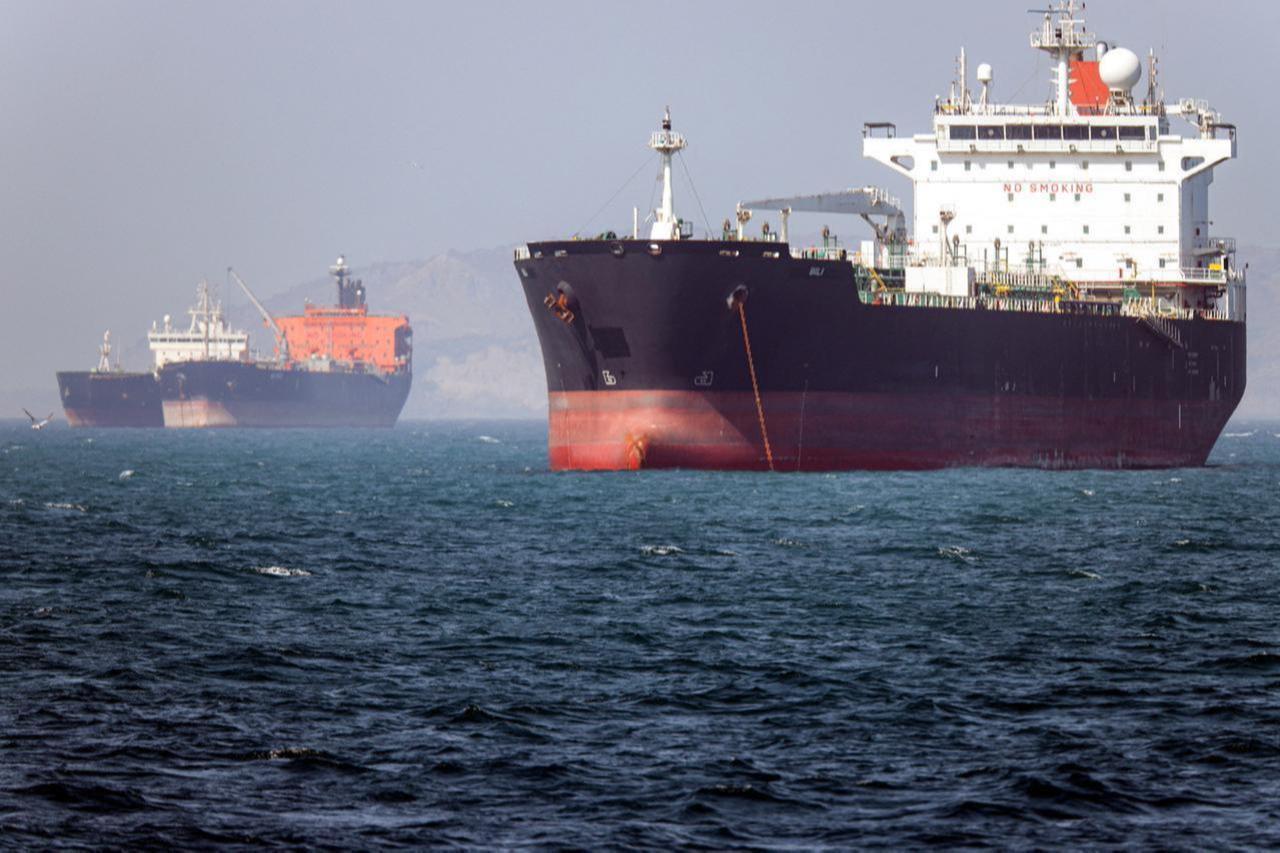
Iran has largely blocked shipping through the strait since the war began on Feb. 28 and has already collected its first toll revenues from vessels it selectively allowed to transit.
Tehran has repeatedly stated that maritime traffic through Hormuz "will not return to its pre-war status."
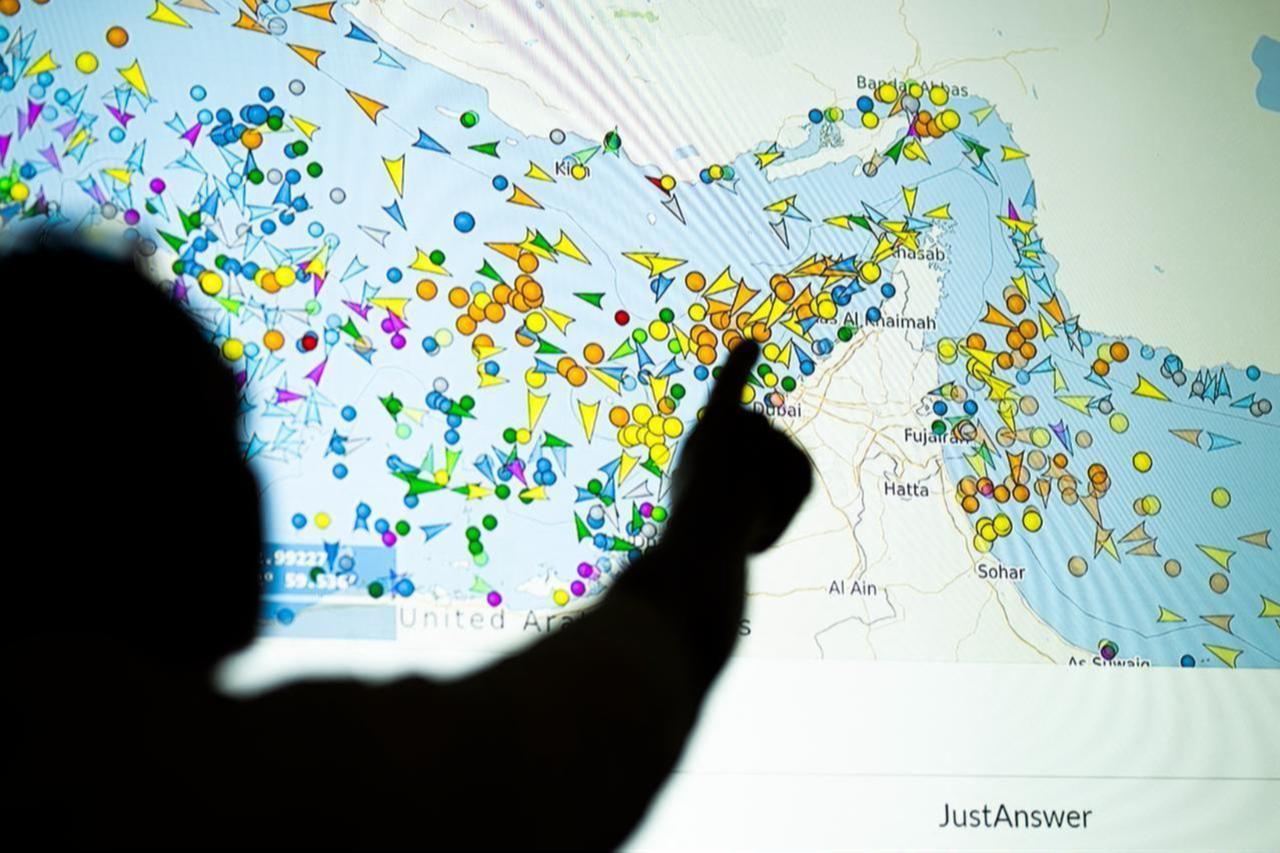
In peacetime, the route carries approximately one-fifth of global oil and liquefied natural gas shipments, along with other key commodities including fertilizer.
Daily transits have fallen from approximately 135 before the war to a handful, with the U.S. simultaneously imposing its own naval blockade on Iranian ports.
 1 min read
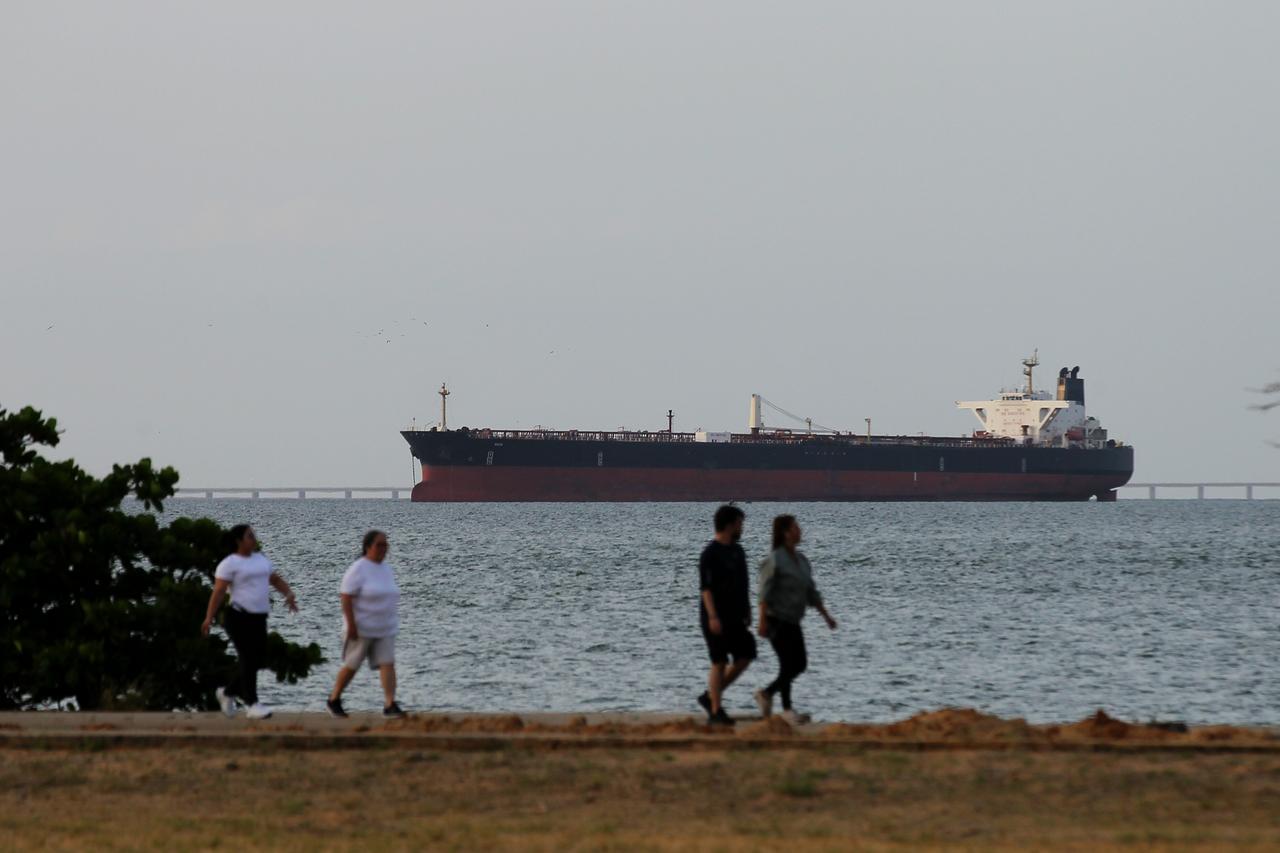
The U.S. and Israel launched strikes against Iran on Feb. 28, triggering retaliation from Tehran against Israel as well as U.S. allies in the Gulf, alongside the closure of the Strait of Hormuz.
A ceasefire took effect on April 8 through Pakistani mediation, but talks in Islamabad failed to produce a lasting agreement. Since April 13, the U.S. has enforced a naval blockade targeting Iranian maritime traffic in the Strait.


 Set as preferred source
 Set as preferred source


 1 min read