Newsletters


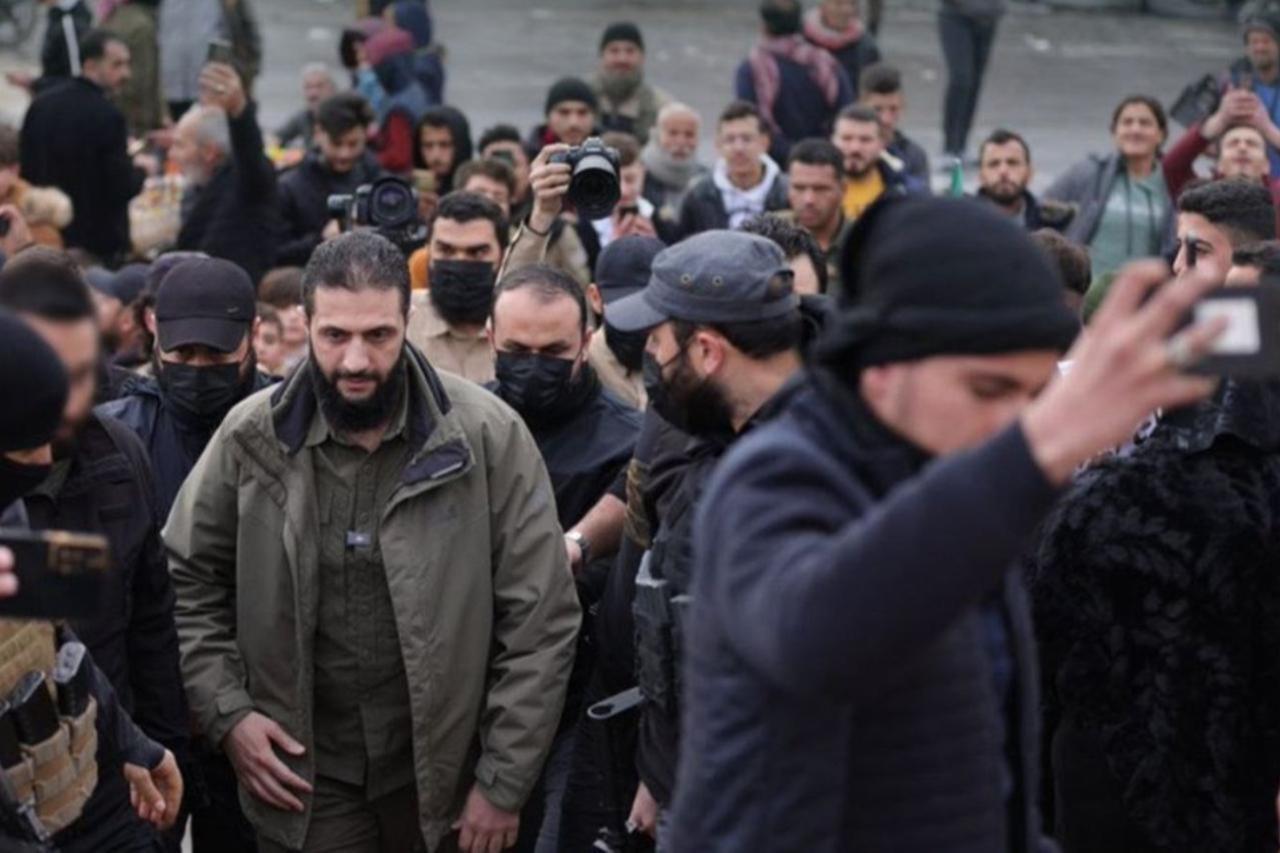


New accounts from Syrian commanders involved in the 2024 Deterrence of Aggression battle are shedding light on how opposition forces prepared for the offensive, as well as the directives that shaped their conduct on the ground.
The details come as discussions resurface near the first anniversary of the fall of Bashar al-Assad’s regime, prompting renewed examination of the events behind the operation.
The Deterrence of Aggression battle was launched by the Syrian armed opposition on Nov. 27, 2024, for which it established what became known as the Military Operations Directorate.
Many accounts come as discussions resurface near the first anniversary of the fall of Bashar al-Assad’s rule, prompting renewed examination of the events that shaped that period.


Brig. Gen. Ahmed Rizq revealed in an interview with Al Jazeera's “Syria Now” platform that Sharaa urged commanders to prevent any acts of retaliation or bloodshed once forces entered liberated areas.
He recounts that before the battle began, Sharaa held a meeting with the commanders of the Deterrence of Aggression operations room and senior military leaders involved in field operations.
During the meeting, he stressed that his foremost concern was preventing acts of retaliation and bloodshed once the battle started and the forces entered and liberated the targeted areas.
Rizq added that the humanitarian dimension was the president’s greatest concern, alongside discussions of the battle plan and its details.
In line with President Sharaa’s directives, and one month before the battle, Rizq summoned the elders of the western countryside and met with them.
He explained that preparations were underway for a battle, without specifying its date, and urged them to understand that victory did not mean retaliation, but rather forgiveness and tolerance, and that political or personal disputes must not become a pretext for revenge.
He noted that, thanks to adherence to the president’s instructions, the military operations proceeded without any notable incidents of retaliation, and there was clear discipline in implementing these humanitarian directives.
Since the beginning of the battle launched by Syrian opposition factions at the time to bring down the Assad regime, President Sharaa made public statements affirming that the battle leaves no room for revenge.
Providing further details, Munir al-Sheikh, a commander in the “Deterrence of Aggression” battle, told Al-Araby Al-Jadeed that planning for the operation began after the defeat of 2020, explaining that “those in the liberated north knew that the solution with the criminal Assad regime would ultimately be a military one, even if delayed.”
He added that these plans turned into reality as a result of intensified artillery and rocket shelling, air force raids and repeated strikes by explosive-laden drones targeting civilian areas, front lines and deeper parts of the liberated interior in Idlib city.
This escalation increased displacement to more than 1,500 families within weeks and caused significant damage to infrastructure and public facilities. Sheikh noted that this escalation formed the main catalyst for the decision to launch the battle.
He added that planning for the operation began secretly and within a very tight circle, which worked on drafting a tactical feasibility assessment and reviewing possible operational options, including several axes in Hama and Aleppo.
He explained that all of this started in early October 2024, followed by practical steps in organization, logistical preparation and field readiness.


 Set as preferred source
 Set as preferred source


 5 min read