Newsletters


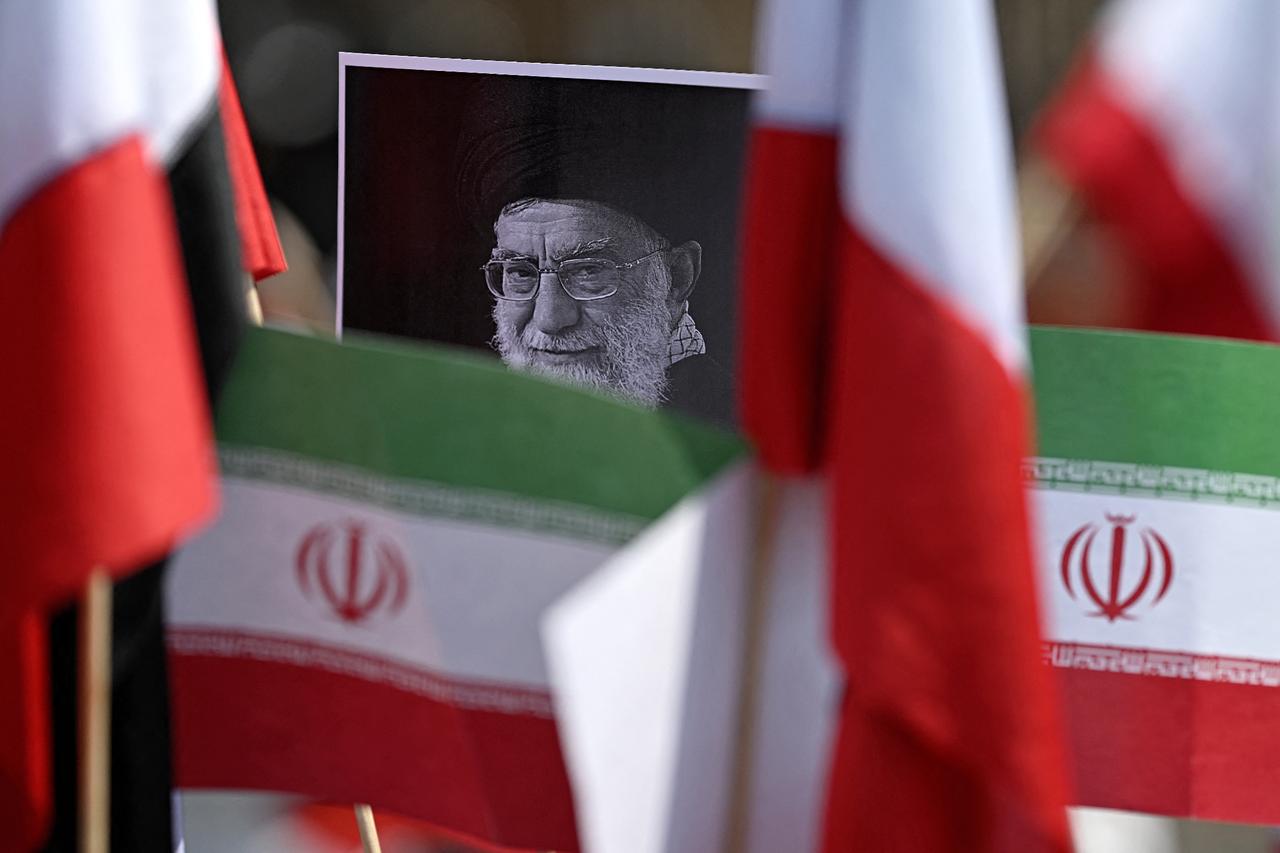


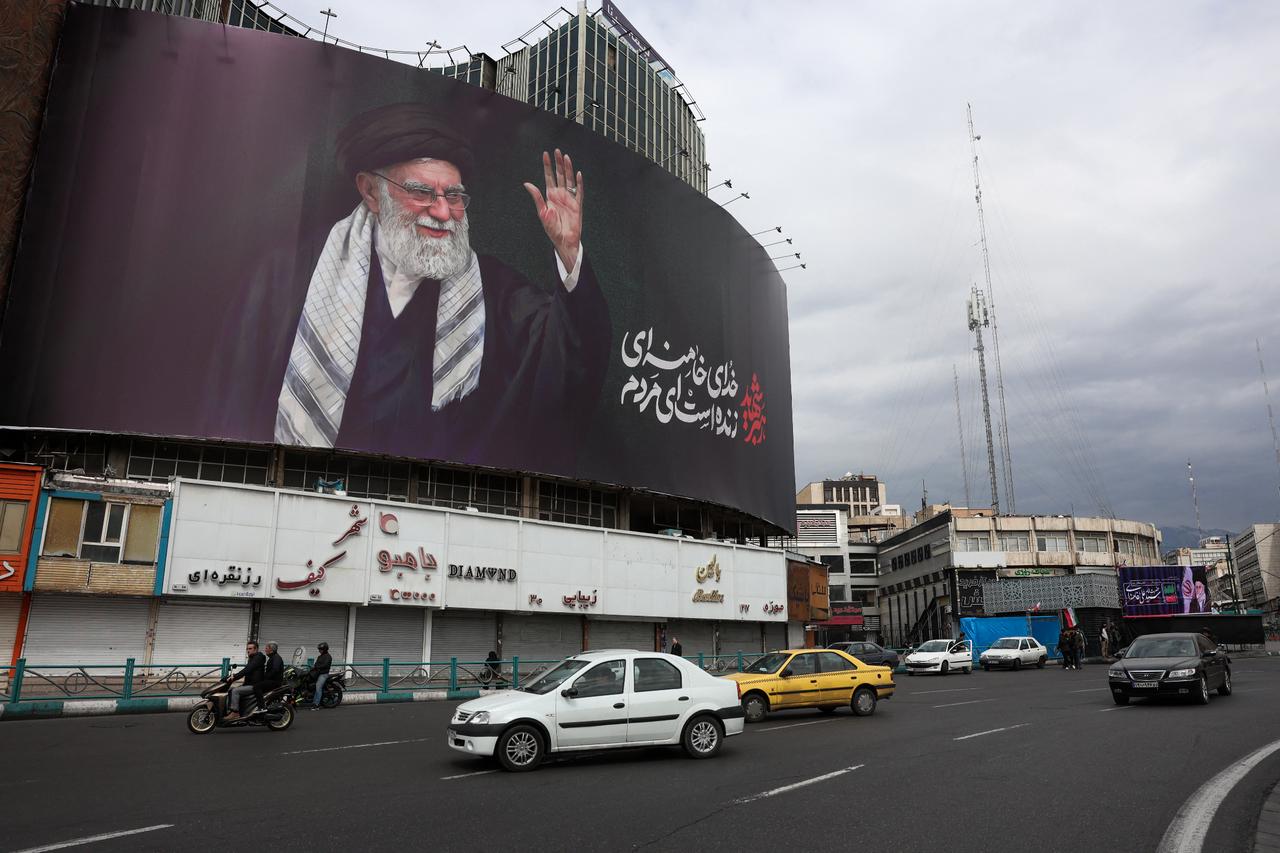
A majority consensus on naming a successor to slain Supreme Leader Ali Khamenei has "more or less been reached," a member of Iran's Assembly of Experts said Sunday, though he noted "some obstacles" still needed to be resolved in the selection process.
Mohammad-Mahdi Mirbagheri said in a statement released through Iranian state media that "a definitive opinion has almost been achieved" and a majority had been formed within the 88-member body tasked with choosing Iran's supreme leader.
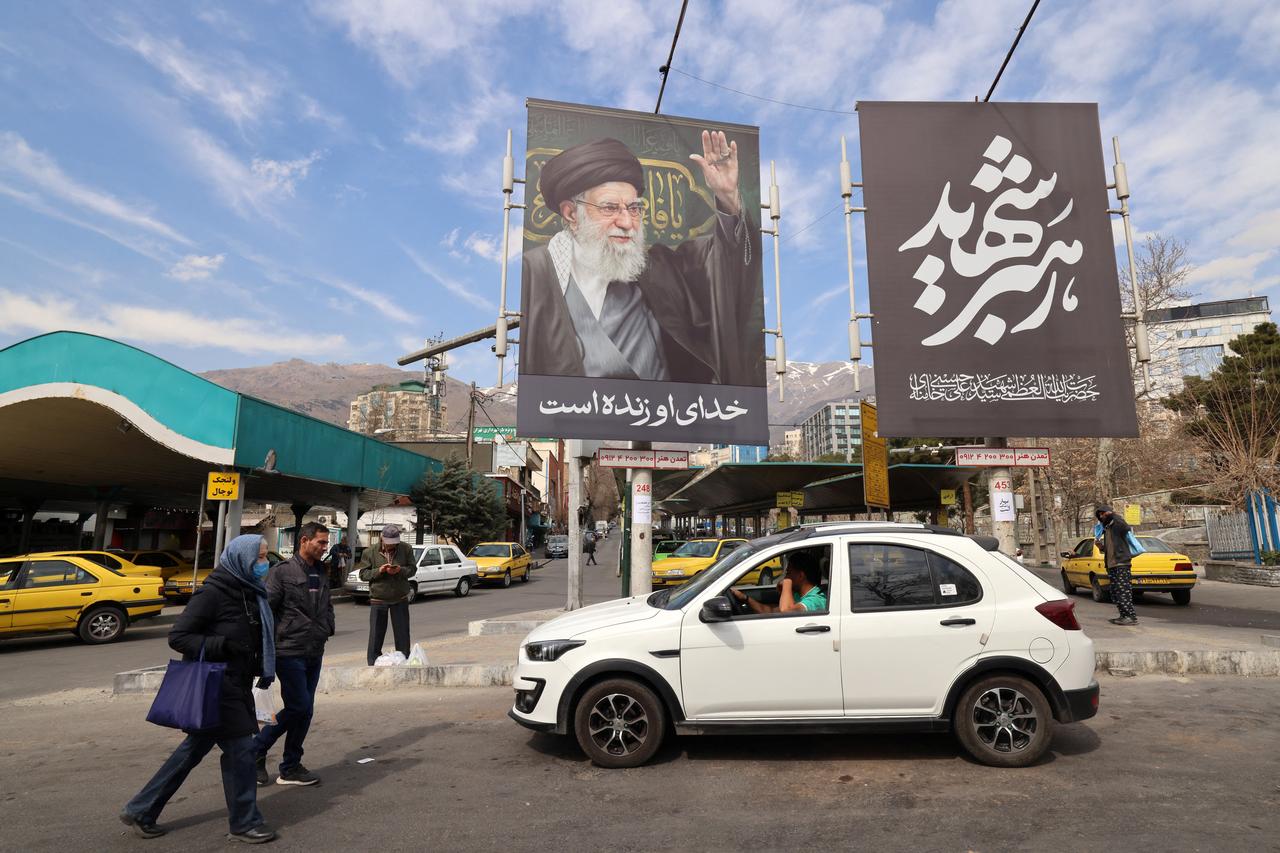

"Great efforts to determine the leadership" had been made, Mirbagheri said in a video posted by the Fars news agency on Telegram.
However, Iranian media reported that the Assembly faced a minor disagreement over whether its final decision must follow an in-person meeting or could instead be issued without adhering to this formality.
In a separate interview with Fars, another Assembly member, Hojjatoleslam Jafari, expressed hope that "all Iranian people will be satisfied as soon as possible."
He acknowledged that "the delay in electing the third leader is bitter and unwanted for everyone," urging Iranians not to "have bad thoughts about our representatives at this difficult time."
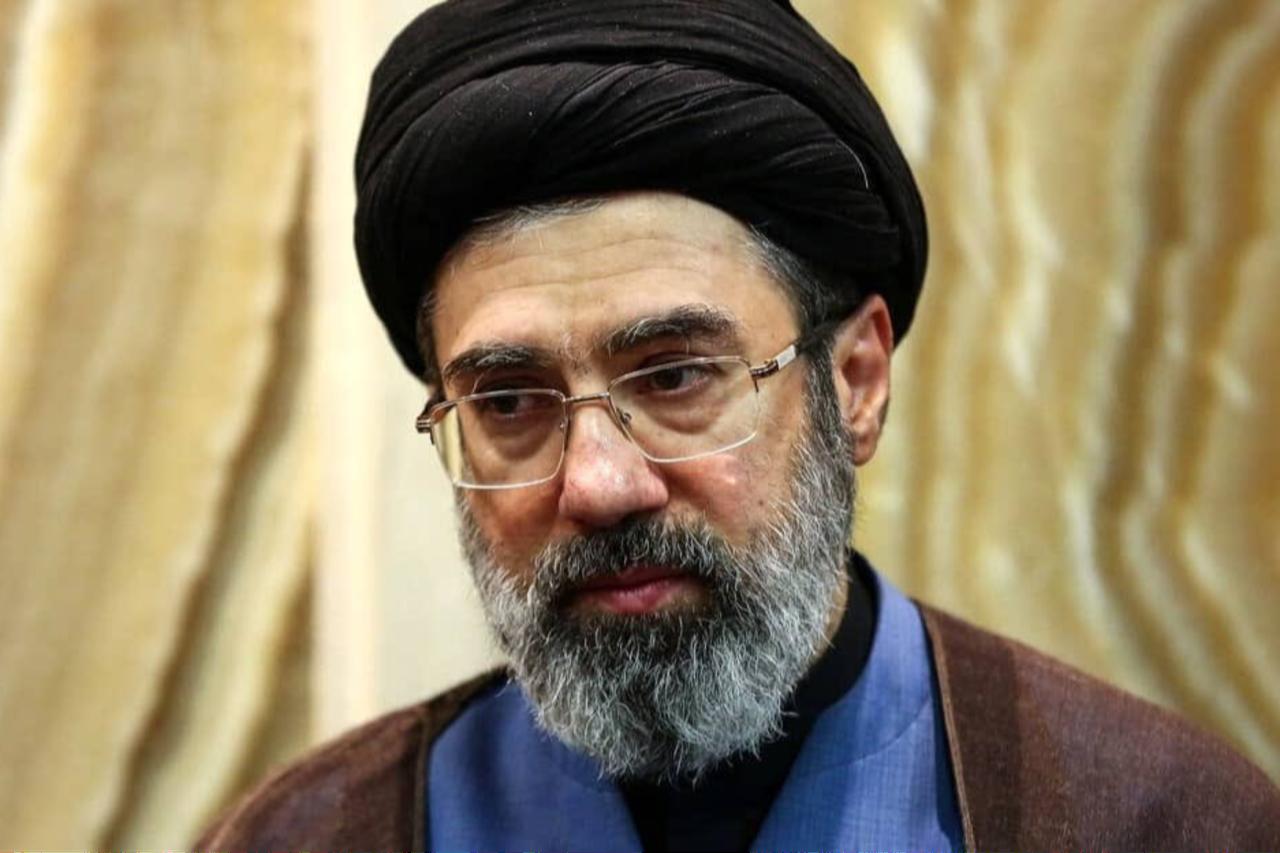
A possible frontrunner is Mojtaba Khamenei, the late supreme leader's son, though no official confirmation has been made.
U.S. President Donald Trump previously said Mojtaba was "a lightweight" and that the United States would need to be involved in choosing Iran's next leader.
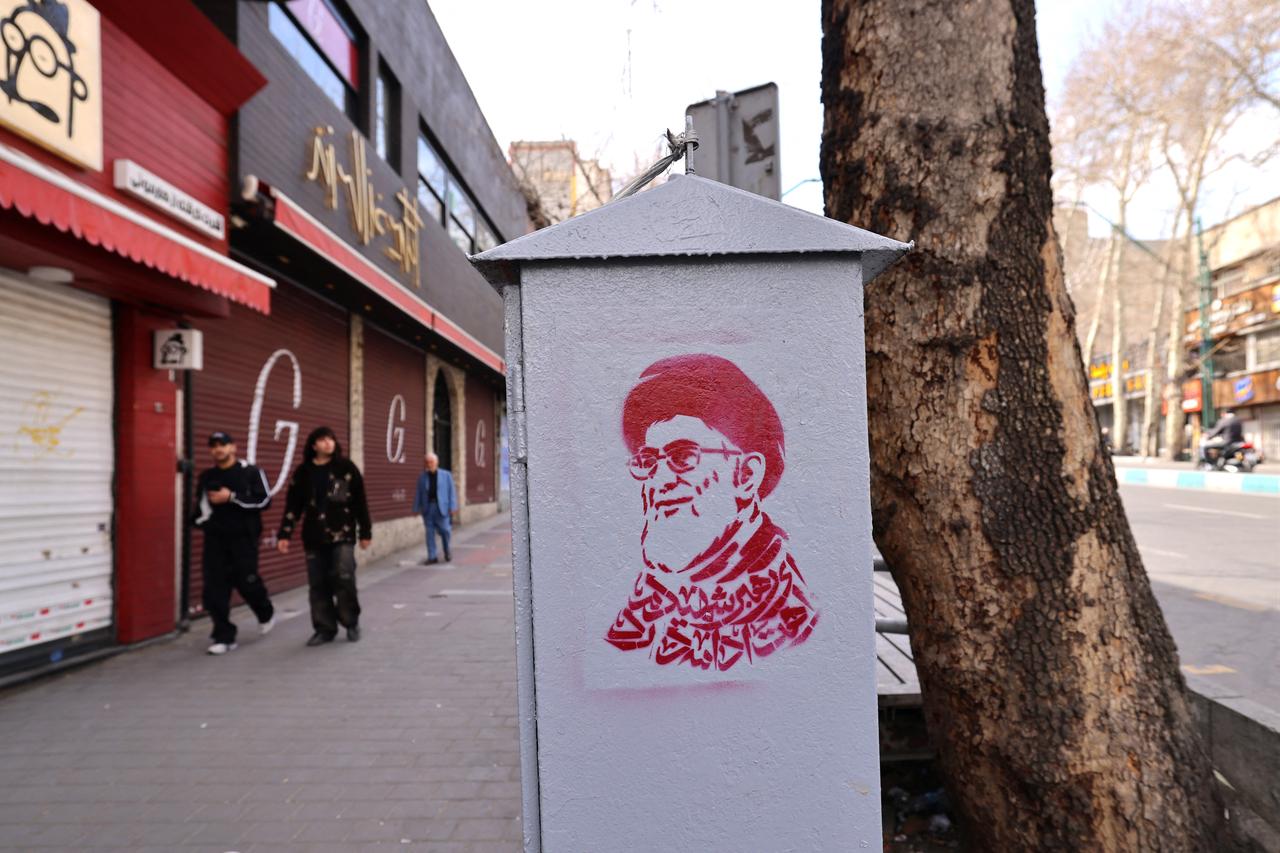
Under Iran's constitution, the Assembly of Experts is authorized to choose the country's supreme leader. Khamenei, who ruled Iran for 37 years, was killed in a U.S.-Israeli strike on Tehran on Feb. 28.
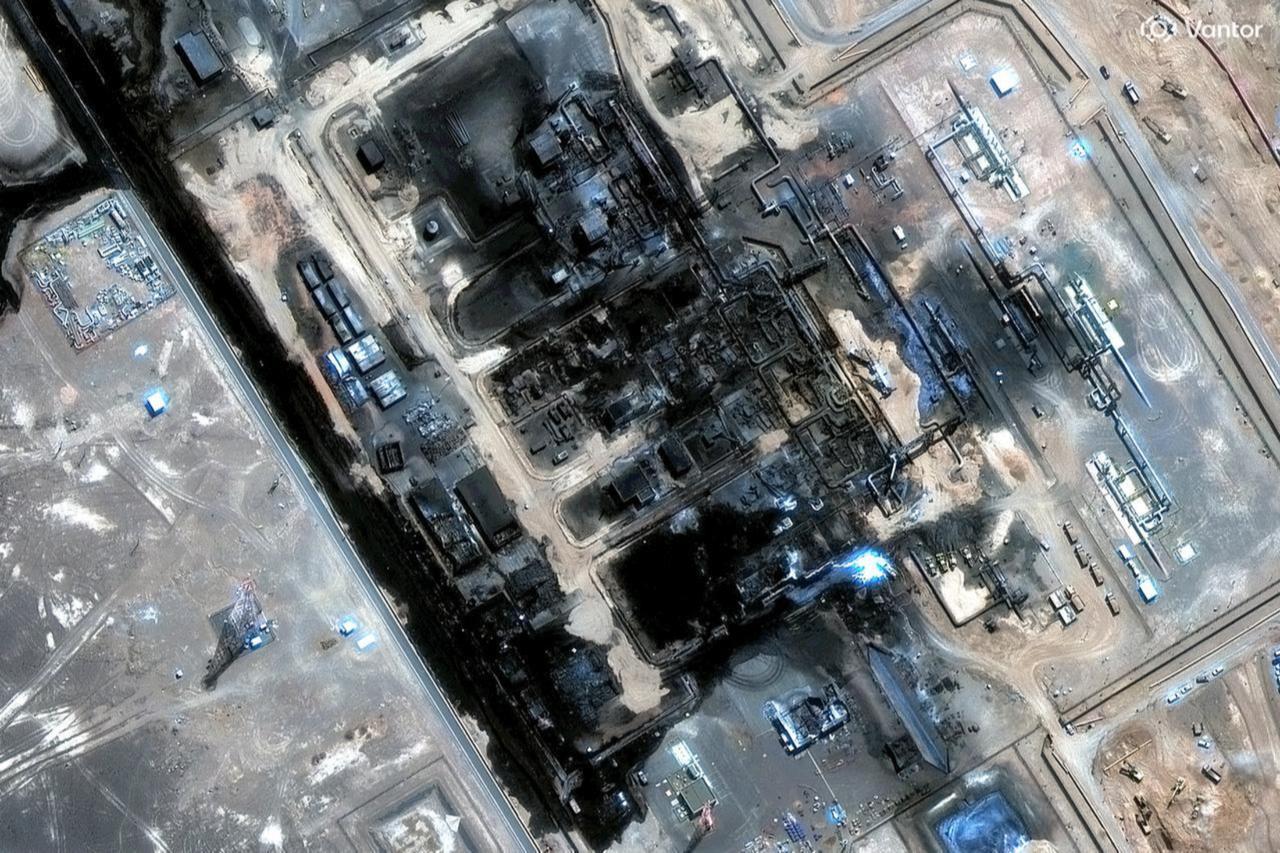
Iranian Parliament Speaker Mohammad-Baqer Qalibaf accused Trump of "burning America's interests" and warned global oil supplies risked being irrevocably damaged.
"If the war continues like this, there'll be neither a way to sell oil nor the capacity to produce it," Qalibaf wrote on X.
"They're not only burning America's interests but also the interests of the region's countries and the world at the feet of Netanyahu's delusions," he added.
A three-person leadership council has been governing Iran temporarily since Khamenei's death, comprising President Masoud Pezeshkian, judiciary chief Gholamhossein Mohseni Ejei and Alireza Arafi, a jurist and head of the Basij paramilitary force.
The United States and Israel launched military strikes against Iran on Feb. 28, killing Khamenei and more than 1,000 people.
Iran has retaliated with missile and drone strikes targeting Israel and Gulf countries hosting U.S. military assets.


 Set as preferred source
 Set as preferred source


 1 min read
 1 min read