Newsletters


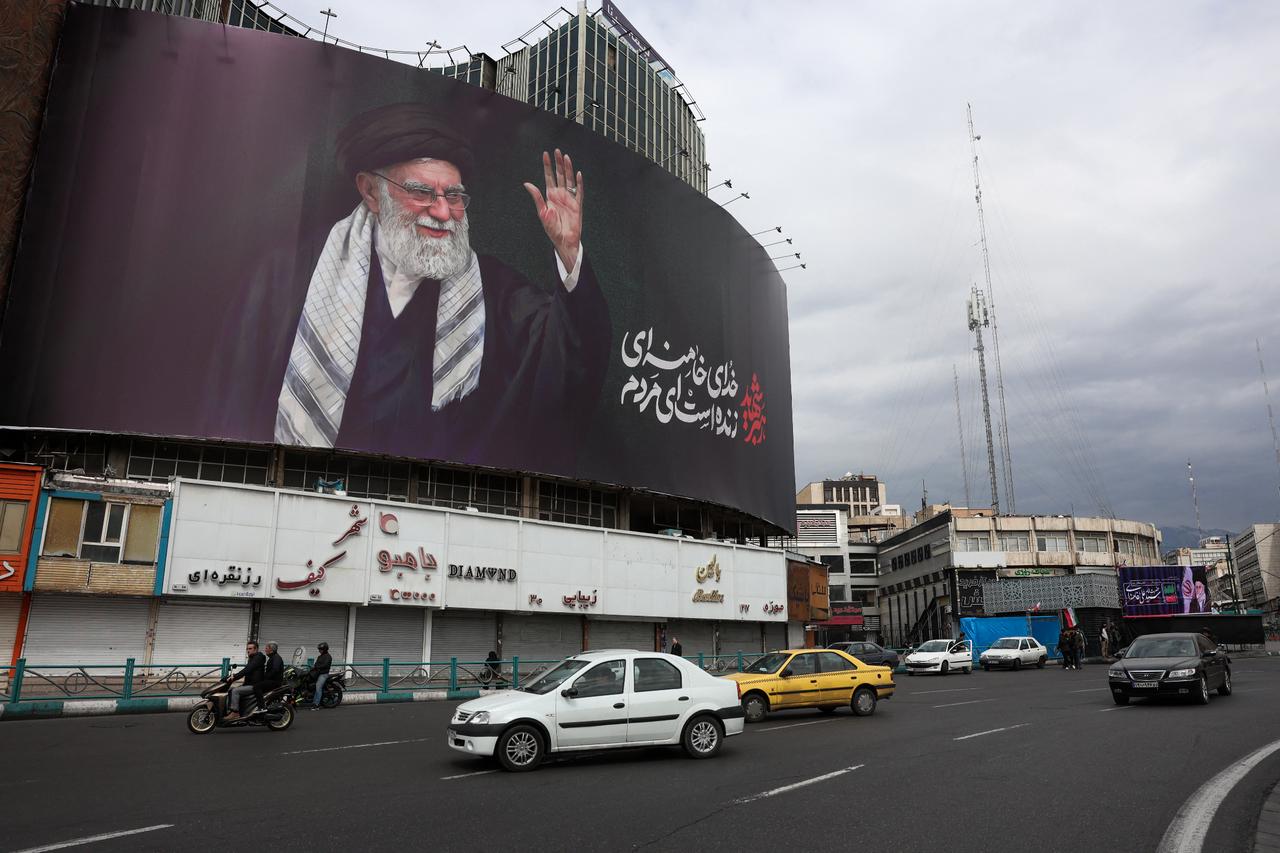


Iran's interim Leadership Council convened for the fourth time Friday to plan the selection of a new supreme leader, tasking the Assembly of Experts with choosing a successor to Ali Khamenei, who was killed in U.S.-Israeli strikes on Feb. 28.
The council met with Ali Larijani, secretary of the Supreme National Security Council, who briefed members on the latest developments in the war, according to Iranian state television.
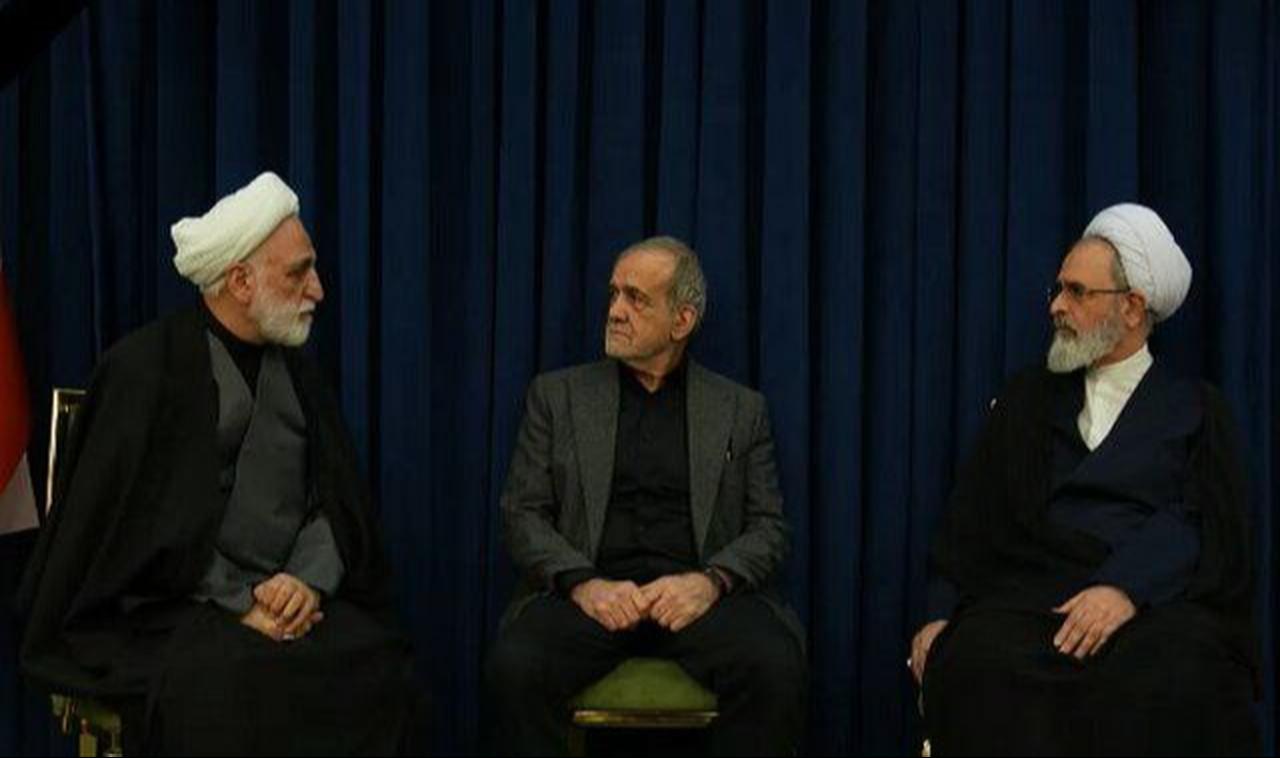
The leadership council includes President Masoud Pezeshkian, judiciary chief Gholam Hossein Mohseni Ejehi, and Ali Reza Arafi. The statement provided no timeline on the selection of the supreme leader, nor information on whether the Assembly of Experts would meet in person or remotely for the vote.
"During the session, council members made decisions to strengthen the armed forces and expressed strong support for the military amid the ongoing conflict," according to the report.
"The council also planned for the convening of the Assembly of Experts and the introduction of a future leader," the report added.
Buildings associated with the Assembly of Experts, an 88-member clerical panel, have been attacked during the Israeli-U.S. airstrike campaign.

Under Article 111 of Iran's constitution, the Assembly of Experts is obligated to select and announce a new leader as quickly as possible following the death, resignation or removal of the supreme leader.
Until a new leader is chosen, a three-person council comprising the president, the head of the judiciary and a cleric selected by the Guardian Council temporarily assumes leadership duties.
The Assembly of Experts is composed of 88 senior Islamic jurists and clerics elected by popular vote to serve eight-year terms. Its most recent elections were held in 2024.
 2 min read
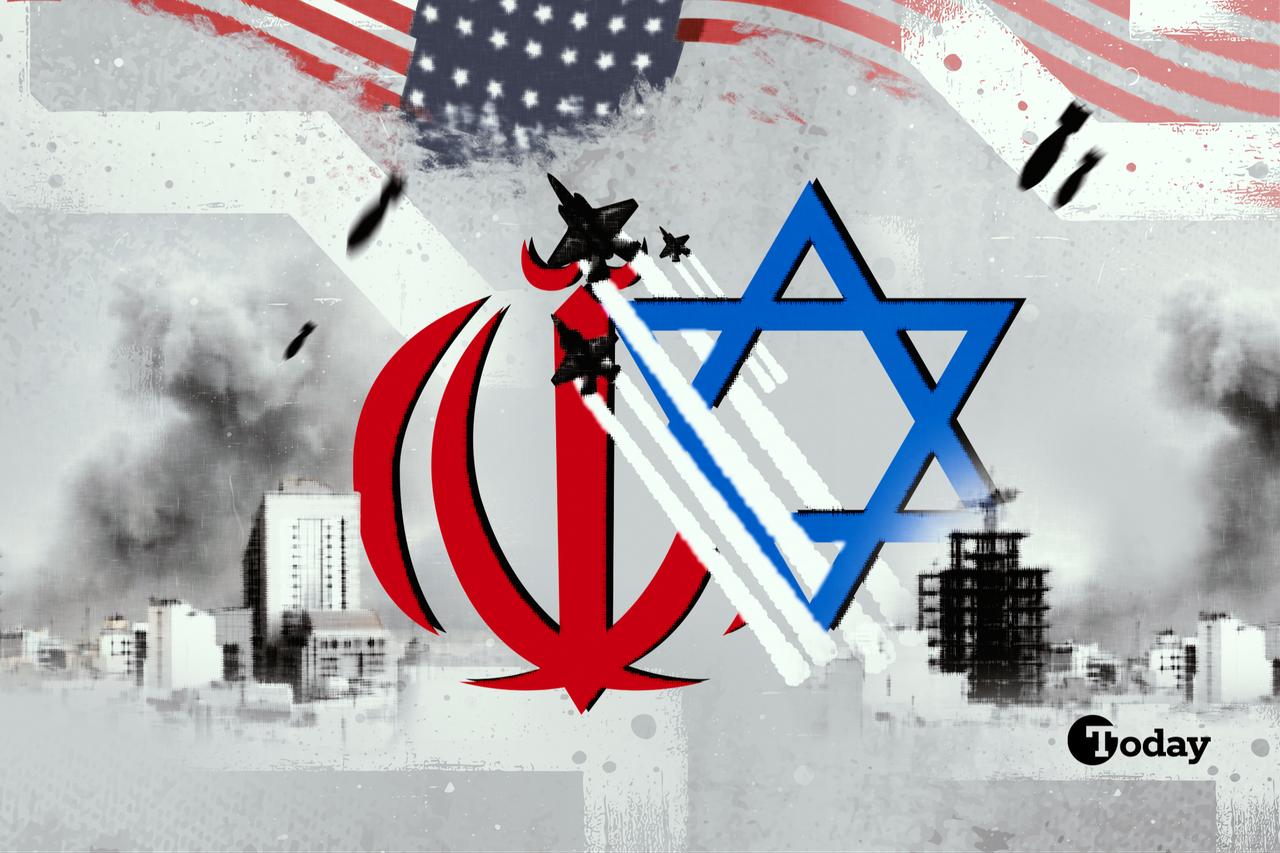
The assassination of Khamenei has plunged the Islamic Republic into one of the most consequential political transitions since 1979.
Khamenei, who dominated Iran's political and religious landscape for nearly three decades, was killed early Saturday when his residential compound in central Tehran was targeted. Several family members, including his daughter, son-in-law, daughter-in-law and a grandchild, were also killed in the strike.
Since 1979, Iran has had only two supreme leaders: Ayatollah Ruhollah Khomeini, the founder of the Islamic Republic, and Khamenei, who succeeded him in 1989 after the Assembly of Experts convened following Khomeini's death.
Potential candidates must first be vetted and approved by the Guardian Council before they are eligible for consideration by the Assembly.
Reports have emerged that members of the Assembly of Experts held an online meeting and that Mojtaba Khamenei, Ali Khamenei's son, was selected as the new leader. However, there has been no official confirmation.
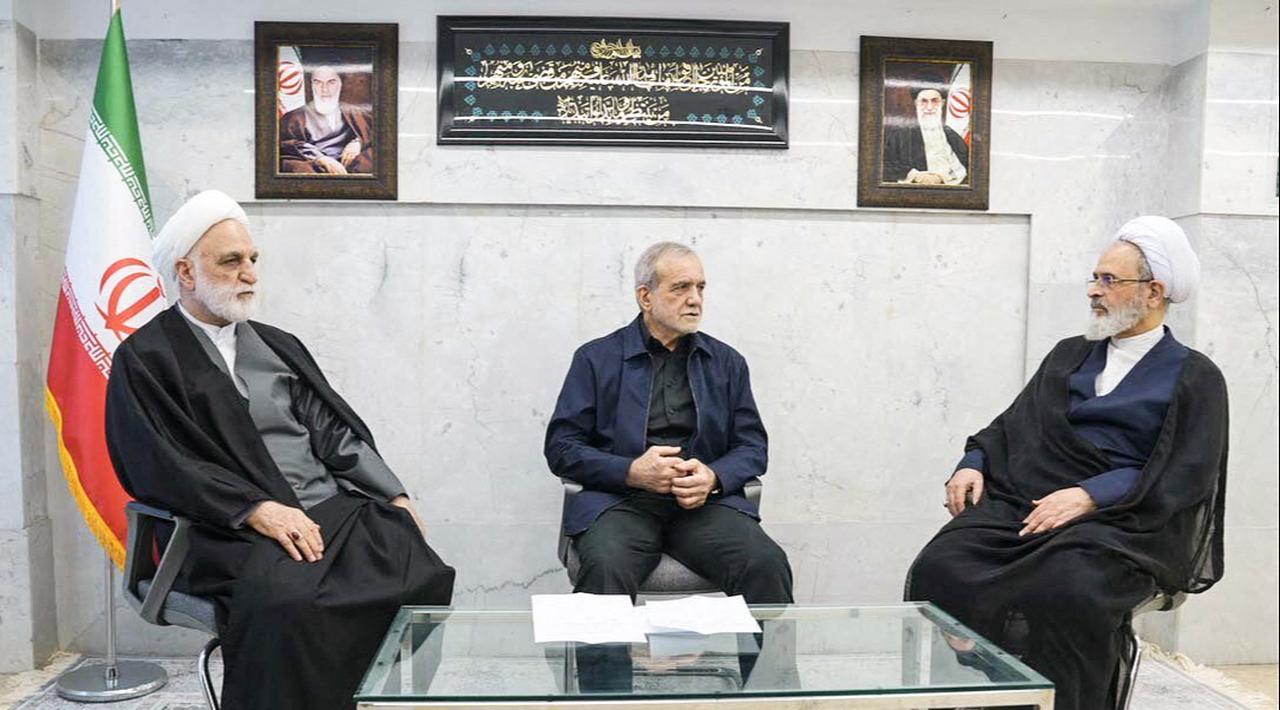
U.S. President Donald Trump stated recently to Axios that Mojtaba Khamenei's emergence as a frontrunner was unacceptable.
"The most likely successor in Iran is Mojtaba Khamenei, but that is unacceptable. I do not want an Iranian leader who would continue Khamenei's policies and force the U.S. back to war in five years," Trump said.
Trump told Reuters he wanted to be involved in choosing Iran's next leader, drawing parallels to Venezuela.
Though Mojtaba Khamenei holds no formal public office, he is widely regarded as the most influential of Khamenei's children and was sanctioned by the U.S. Treasury in 2019. He has been linked to the Basij force used to suppress protests after Iran's disputed 2009 election.
The United States and Israel launched military strikes against Iran on Feb. 28 while nuclear negotiations were still underway.
More than 1,000 people have been killed. Iran has retaliated with missile and drone strikes across the region.


 Set as preferred source
 Set as preferred source


 1 min read