Newsletters


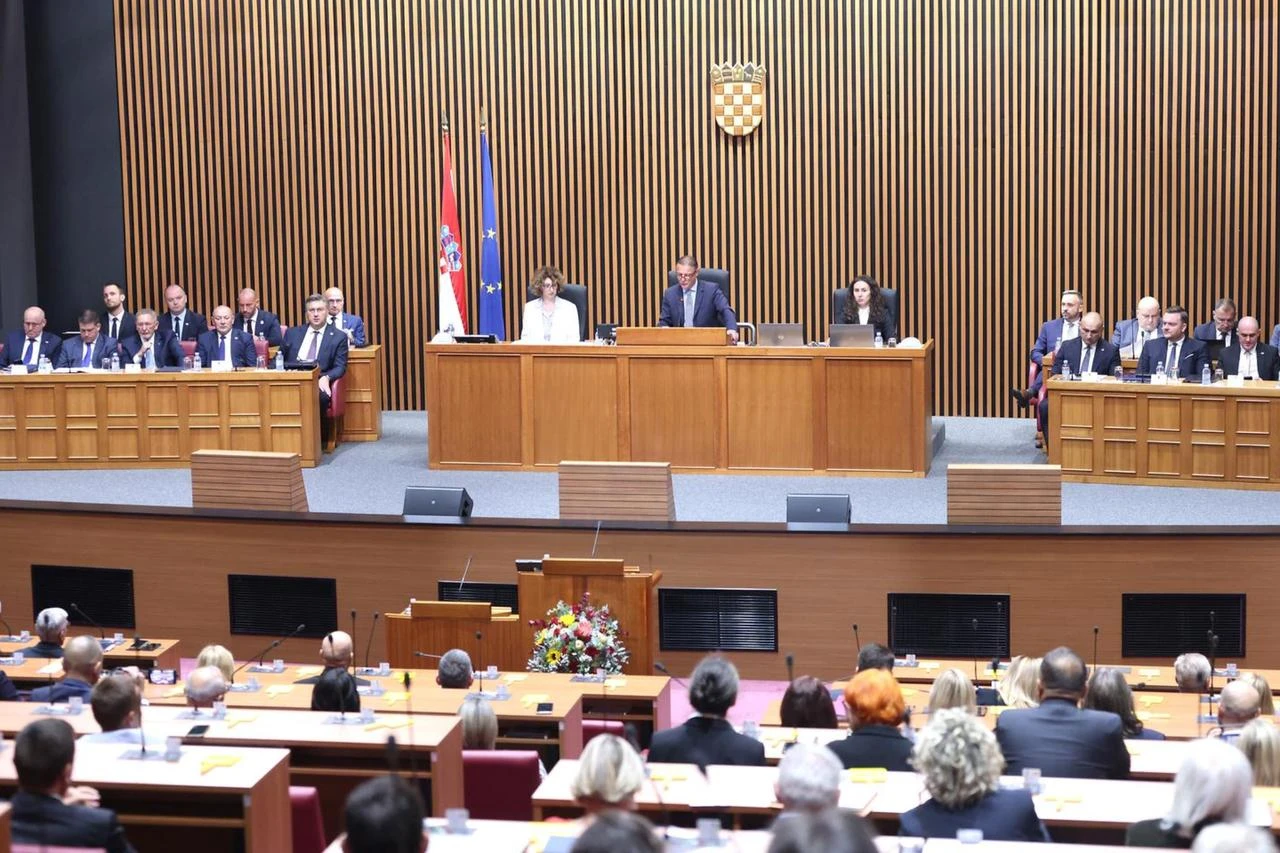


Croatia's Parliament passed a resolution Wednesday calling for greater Croat representation in Bosnia and Herzegovina, adding pressure on the neighboring country ahead of key elections later this year.
The resolution was proposed by the far-right Homeland Movement (DP), whose president and deputy speaker of Parliament, Ivan Penava, said it sent a message that Croatia would not stand by while the "electoral will" of Croats in Bosnia and Herzegovina was "overridden."
The resolution urges the Croatian government to continue supporting "full political equality" for Croats in Bosnia and Herzegovina, including electoral reforms and "the proposal to establish a separate electoral unit for the election of the Croatian member of the Bosnia and Herzegovina Presidency."
Although symbolic, the resolution targets Bosnia's complicated and often contentious power-sharing system, which has remained divided along ethnic lines since the 1992-1995 war.
Bosnia is split into two largely autonomous entities: the Serb-majority Republika Srpska and the Bosniak-Croat Federation. The country also has a three-member presidency shared by Bosniak, Serb and Croat representatives.
Croats have long complained that because they are heavily outnumbered by Bosniaks in the federation, their representative can be elected largely by Bosniak voters.
The Homeland Movement, part of Croatia's ruling coalition, pushed the resolution calling for electoral reforms that would guarantee each ethnic group can choose its own representatives.
The proposal envisages further dividing Bosnia's power structure along ethnic lines by allowing a separate electoral constituency for Croats, a move repeatedly opposed by Bosniak leaders.
The resolution was supported by 83 lawmakers in Croatia's 151-seat Parliament. Three abstained and one voted against, while center-left opposition parties did not participate in the vote.
Even a leaked draft of the resolution caused controversy in Bosnia, as it touched on the constitutional order established by the Dayton peace accords, which ended the war in 1995.
The resolution's preamble notes the historical role of the self-proclaimed and unrecognized Croatian Republic of Herzeg-Bosnia, established during the Bosnian war.
Its legacy remains highly controversial, including because detention camps for Bosniaks operated in territory under its control and senior political and military leaders were convicted by the Hague Tribunal.
Coming three months before national elections in Bosnia, the move adds a fresh pressure point amid years of political gridlock and repeated secession threats from Republika Srpska.
Political analyst Davor Gjenero said, according to Balkan Insight, that the resolution would have no practical impact on Bosnia and was primarily an internal matter for Croatia's governing coalition, made up of the Croatian Democratic Union (HDZ) and the Homeland Movement.
"They have done enormous damage to Prime Minister and HDZ president Andrej Plenkovic because they have put him in an awkward position with his European partners, while also appealing to the right wing of the HDZ, which is sympathetic to such ideas," Gjenero told Balkan Insight.
Gjenero said Plenkovic had even considered breaking up the coalition and reshaping the parliamentary majority.

"He ultimately did not take that step but he did manage to remove from the resolution much of the rhetoric referring to Herzeg-Bosnia and the dangerous narrative about dividing Bosnia and Herzegovina, so the resolution is no longer alarming," Gjenero said.
"It contains this sentence about a separate electoral unit for Croats but that has no real substance," he added.
The first unofficial version of the resolution, leaked a month ago, contained much harsher language and caused controversy in Bosnia.
Bosnia is also waiting for a new international envoy to be appointed, as questions loom over support for the post that oversees implementation of the peace accords that ended the war.
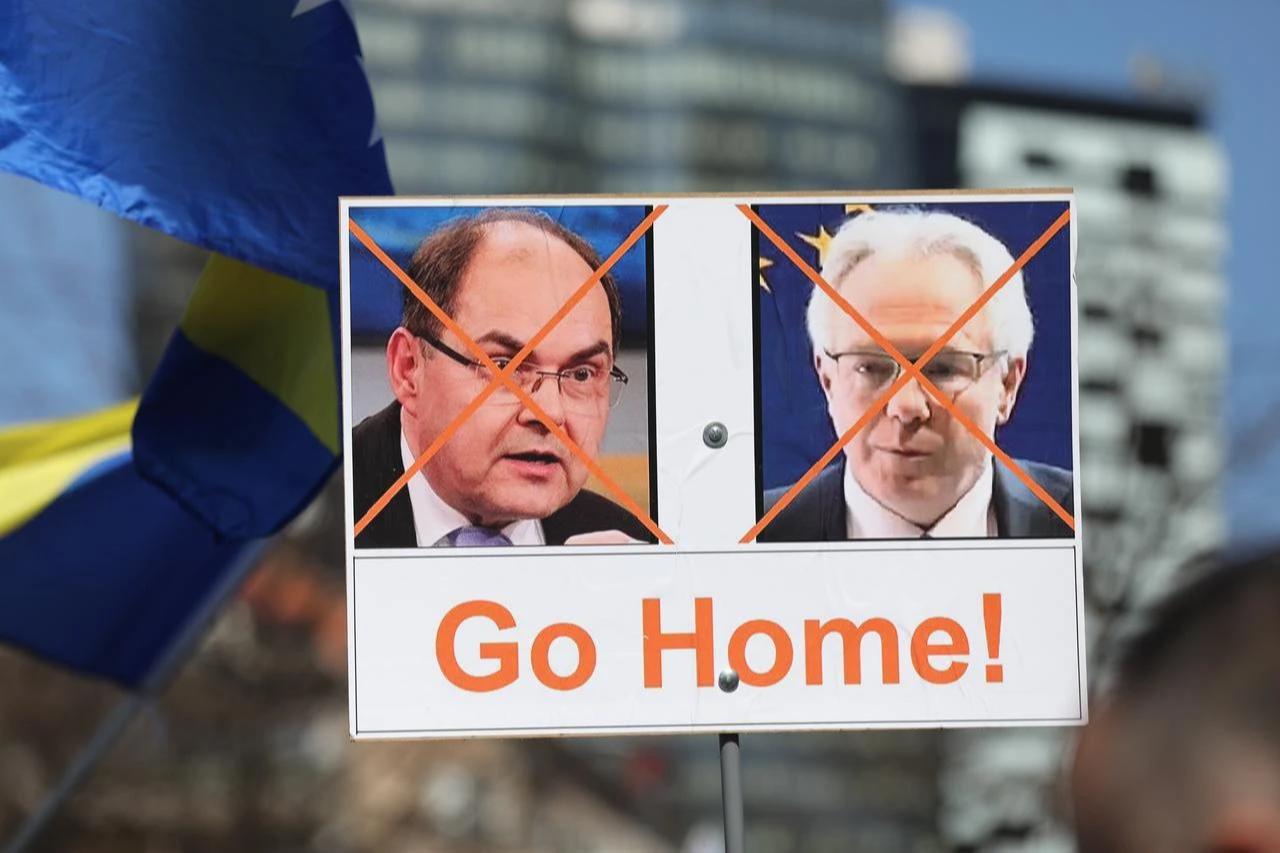
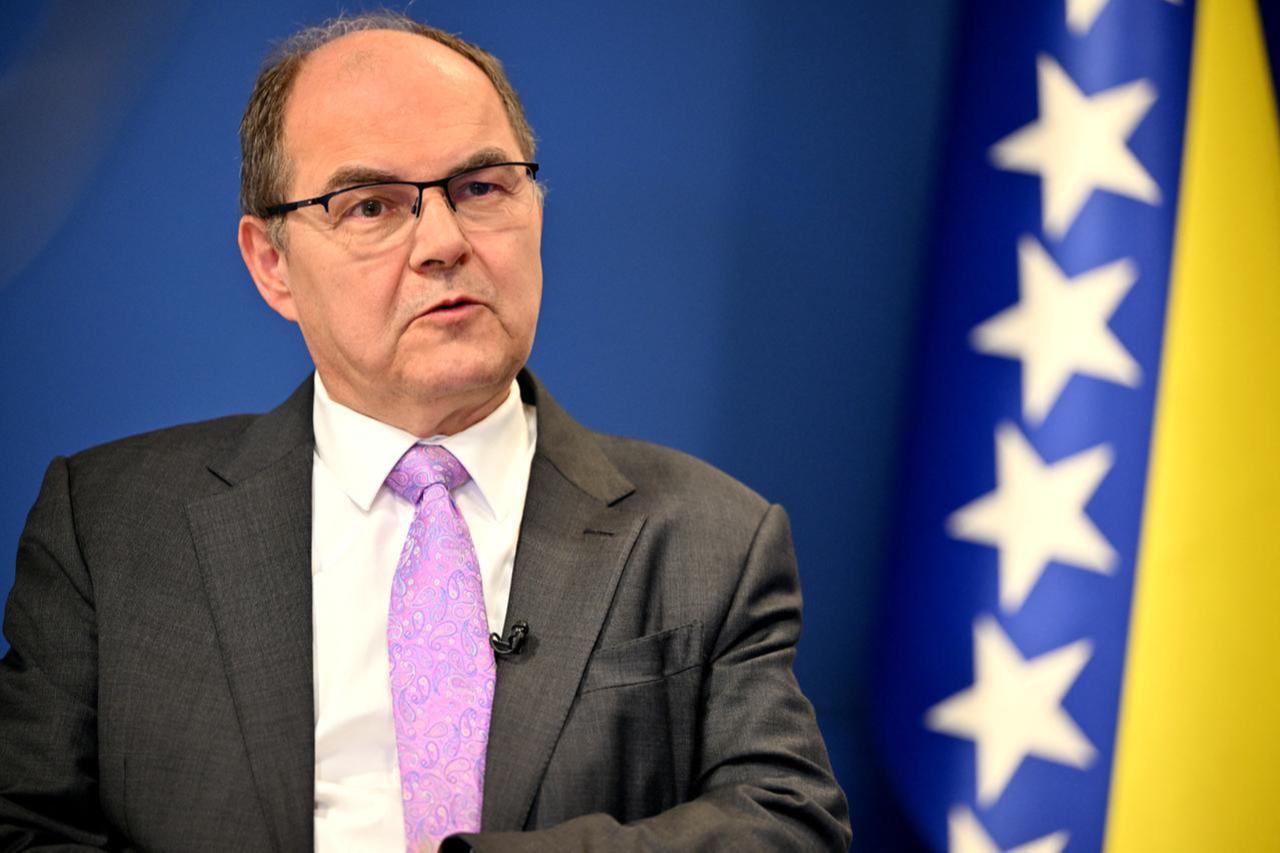
German diplomat Christian Schmidt resigned as high representative in May, citing "huge and unexpected" pressure from Washington.
In recent weeks, the United States has signaled that it wants the office's sweeping powers to be curbed, while Croat and Serb leaders have called for the role to be scrapped entirely.


 Set as preferred source
 Set as preferred source


 1 min read
 1 min read