Newsletters





Cyber operations have intensified alongside U.S. and Israeli military strikes on Iran, with attacks and counterattacks unfolding online as the conflict continues, Axios reports.
A cyberattack allegedly linked to Iran-aligned hackers disrupted operations at Stryker, a major U.S. medical technology company, The Wall Street Journal reported Wednesday.
Stryker said in a statement it was experiencing a global network disruption affecting its Microsoft environment, but said it had not detected signs of ransomware or malware and believed the incident was now contained.
Microsoft declined to comment.
The same hacker group also claimed on X that it hacked a U.S.-based payments firm Verifone. The company said it found no evidence of a breach and reported no service disruption.
Security researchers say Iran-aligned hackers and self-described "hacktivist" groups have increased activity against targets in the Middle East, the U.S. and parts of Asia following the Feb. 28 airstrikes, according to cybersecurity firm CrowdStrike.
Hydro Kitten, a group operating on behalf of the Islamic Revolutionary Guard Corps, has indicated plans to target the financial sector, according to Adam Meyers, senior vice president of counter adversary operations at CrowdStrike.
Researchers at Palo Alto Networks' Unit 42 said dozens of pro-Iran hacktivist groups claim to have launched cyberattacks since Feb. 28, primarily targeting critical infrastructure.
The groups have claimed responsibility for attacks on Israeli payment systems, the shutdown of Kuwaiti government websites and disruptions affecting online services at airports.
Pro-Russian political hackers known as NoName057(16) also partnered with Iranian hacktivists on March 2 to target Israeli defense and municipal organizations, including defense contractor Elbit Systems, according to researchers at Flashpoint.
The group also claimed it had breached an Israeli water management system and other industrial control systems, though researchers said those claims could not be verified.
The Center for Strategic and International Studies said Iran lacks conventional military response options against the U.S. and Israel and has historically relied on cyber operations and proxy actors as tools of retaliation.
 2 min read
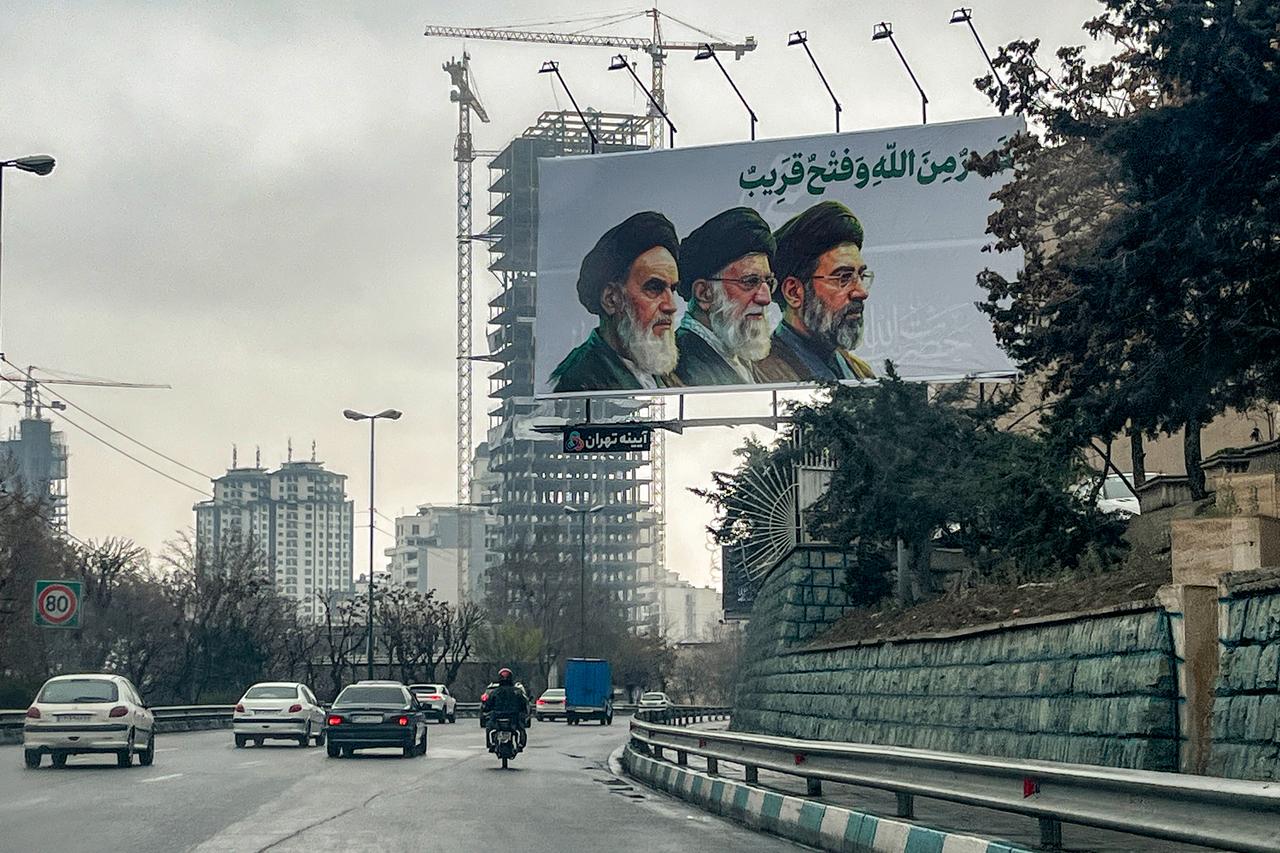
Israel has also carried out cyber operations against Iran, including hacking a popular Iranian prayer app to send notifications urging military personnel to defect from the regime, The Wall Street Journal reported.
Iranian state media reported that several news websites, including the state news agency IRNA, were hijacked to display messages about cyberattacks and content discrediting the government.
The Israeli military also gained access to nearly all traffic cameras in Tehran, the Financial Times reported.
According to the report, Israel worked with the CIA to use the camera network in targeting the airstrike that killed Iran's Supreme Leader Ali Khamenei.
Omer Benjakob, a cybersecurity reporter for the Israeli newspaper Haaretz, told NPR that Israel likely used advanced data processing and artificial intelligence tools to analyze large volumes of data.
Israel is believed to be further ahead than the U.S. in developing AI systems for military use, Benjakob said.
Gen. Dan Caine, chairman of the Joint Chiefs of Staff, said the U.S. Cyber Command and Space Command were among the first forces involved during the initial strikes against Iran.
The chief technology officer of U.S. Central Command said in February 2024 that the U.S. military had used artificial intelligence to help identify targets for more than 85 strikes in Syria and Iraq.
The technology was also used to identify rocket launchers in Yemen and surface vessels in the Red Sea.
Citizen Lab, a digital rights organization, said in October that evidence suggested Israel was linked to an AI-enabled disinformation campaign intended to incite unrest in Iran.
Iran has previously been linked to cyberattacks targeting governments and political organizations.
Last year, an Iranian national pleaded guilty to participating in a ransomware campaign that targeted several U.S. cities and organizations.
During the 2024 election cycle, Iranian actors hacked President Donald Trump's campaign using spear-phishing techniques.
In 2022, Iranian state-sponsored hackers used ransomware and wiper malware against the Albanian government, disabling websites and online services.


 Set as preferred source
 Set as preferred source




 1 min read