Newsletters


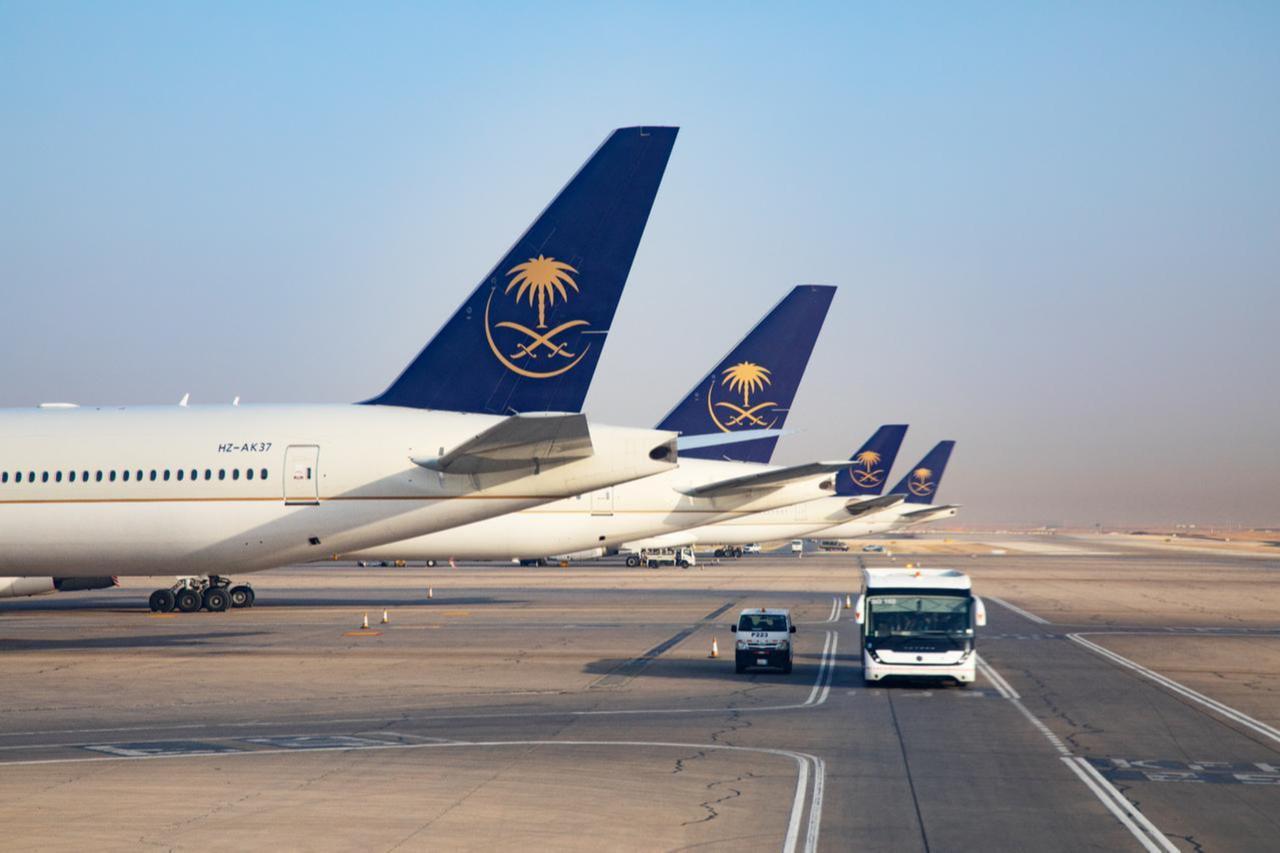


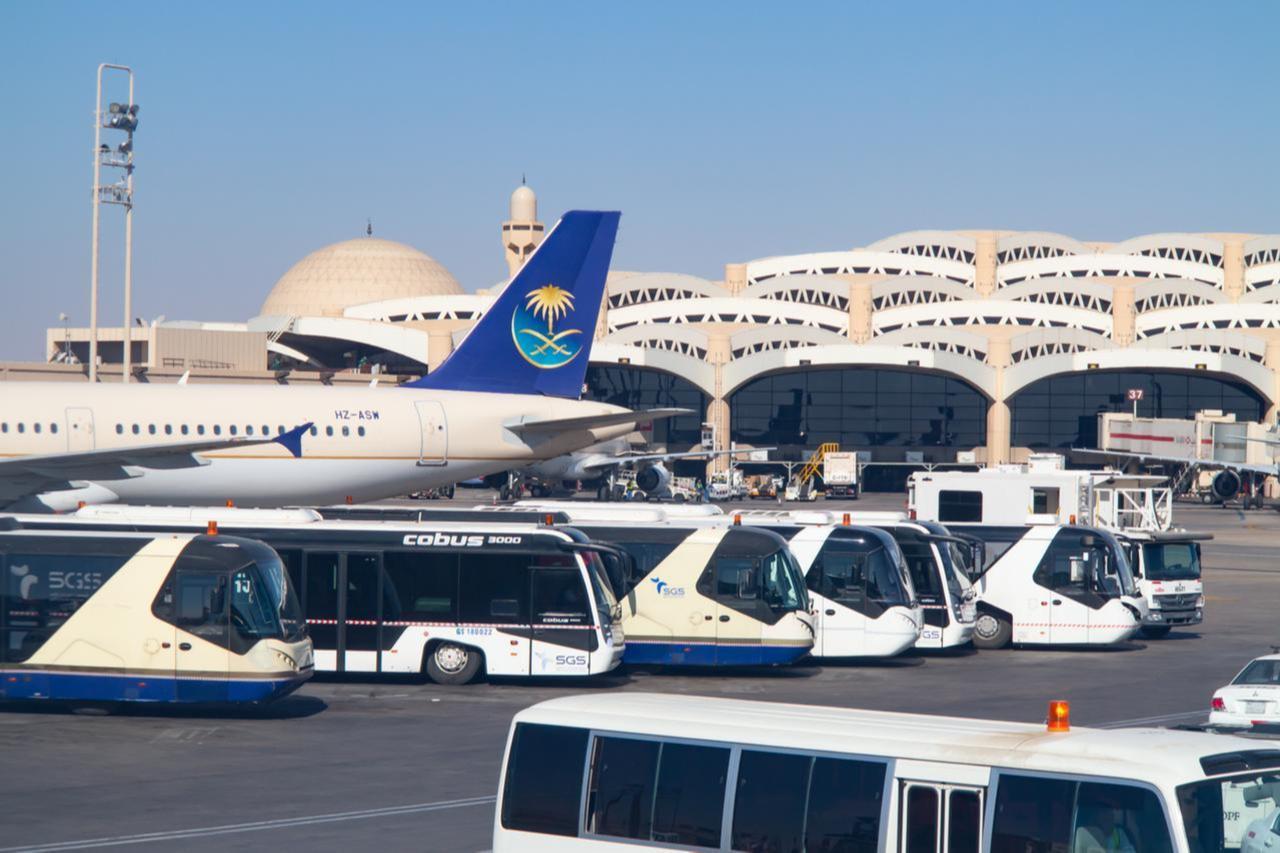
The death toll from Saturday’s attack on Riyadh’s King Khalid International Airport rose to at least two, including an Egyptian flight attendant working for a Saudi airline, after a missile struck a passenger terminal, officials and medical sources said to AFP, marking the third attack on the facility within a week and prompting U.S. President Donald Trump to say Washington may join Saudi Arabia’s military campaign against Yemen’s Houthi rebels.
A medical source at a local hospital told Agence France-Presse that the second victim was a Palestinian carrying Egyptian travel documents.
A second source briefed on the matter, speaking on condition of anonymity, confirmed the deaths and the victims’ nationalities.
Saudi authorities had not issued an official comment on the casualties as of Saturday night.
Witnesses described hearing a loud blast at the airport, with one traveler who was waiting to board a flight reporting an explosion.
Other witnesses said they could not immediately confirm what had triggered the evacuation that followed, as passengers were moved out of parts of the facility and more than a dozen ambulances were seen arriving at the scene.
People briefed on the incident said witnesses reported seeing multiple people lying injured inside the terminal.
Saudi Arabia’s General Authority of Civil Aviation later confirmed that the blast was caused by a missile that struck the passenger terminal, saying the attack had resulted in several injuries.
News agencies, citing hospital and eyewitness accounts, reported that dozens of people were wounded, with at least five patients admitted to intensive care; some of the injured were airlifted to hospitals for treatment.
Unconfirmed tallies circulating among local sources put the number of wounded at roughly 50, though that figure had not been verified by Saudi authorities or international agencies.
Flight operations at the airport were temporarily suspended following the strike. Tracking service Flightradar24 showed no landings for nearly four hours after the last flight touched down at 2:05 p.m., with inbound flights diverted elsewhere.
Kuwait Airways said it was canceling flights to and from Riyadh because of the airport’s closure, citing the “security situation,” while Etihad Airways and Qatar Airways canceled multiple flights between their hubs and the Saudi capital, with some cancellations extending into Monday, Reuters reported.
King Khalid International Airport urged passengers to contact their airlines directly and check flight status before heading to the facility.
Saturday’s attack was at least the third on King Khalid International Airport in a week, since a Saudi-led coalition launched a major military offensive against the Iran-backed Houthi movement in neighboring Yemen.
In a separate, earlier incident this week, attacks on the airport killed four people, including a pilot, injured several others, damaged a Saudia aircraft and sent smoke billowing over the facility, prompting several carriers to suspend or cancel service to Riyadh. The Houthis claimed responsibility for those earlier strikes.
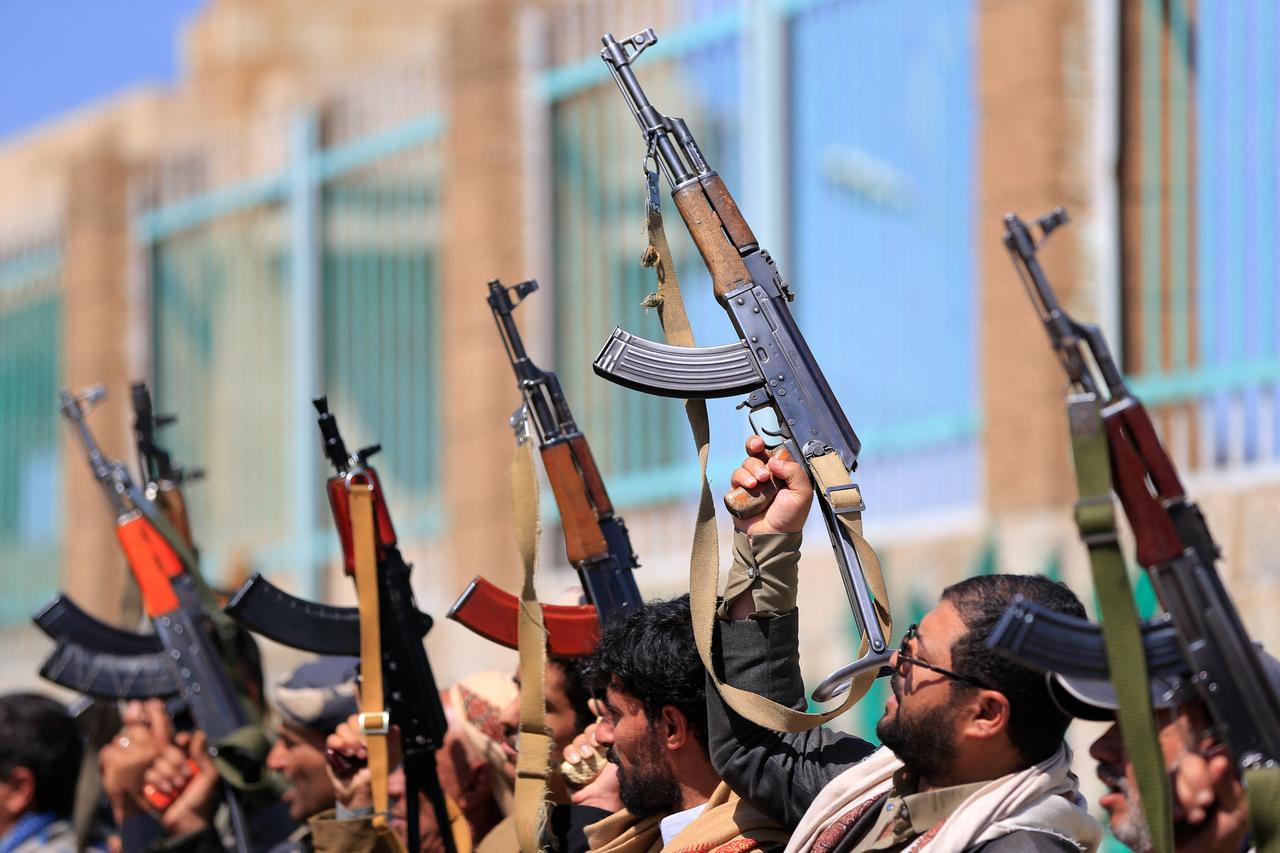
The Houthi movement, which seized Yemen’s capital, Sanaa, in 2014 and has controlled much of the country’s north through years of civil war against the Saudi-backed government, said it had carried out operations targeting several sites inside Saudi Arabia this week, including King Khalid International Airport, an Aramco refinery in Rabigh, Abha International Airport and the Khamis Mushait military base.
The group has declared Saudi airspace a zone of military operations and warned international airlines to avoid it, saying its attacks are retaliation for the Saudi-led coalition’s offensive against Houthi positions in Yemen, which began earlier this month.
Despite the escalating attacks, organizers of Riyadh’s upcoming energy and investment conferences said Saturday the events would proceed as planned and sought to reassure attendees about security arrangements.
The U.S. Mission in Saudi Arabia issued a security alert saying it was aware of the attacks on King Khalid International Airport and strongly urged American citizens to avoid the airport and surrounding areas.
Canada’s embassy advised its citizens to avoid all travel to the airport, citing “ongoing military activity.”
Trump said Saturday that the United States may join Saudi Arabia’s military campaign against the Houthis, as the string of attacks on Saudi airports raised the prospect of a broader American role in the conflict.
Asked whether he had decided to join the Saudi strikes, Trump said, “We may, we’re going to look at it.”
He added that his administration had just learned of the latest airport attack and that a decision would come quickly, saying, “We’ll make a decision, we move very quickly.”


 Set as preferred source
 Set as preferred source


 1 min read
 1 min read