Newsletters





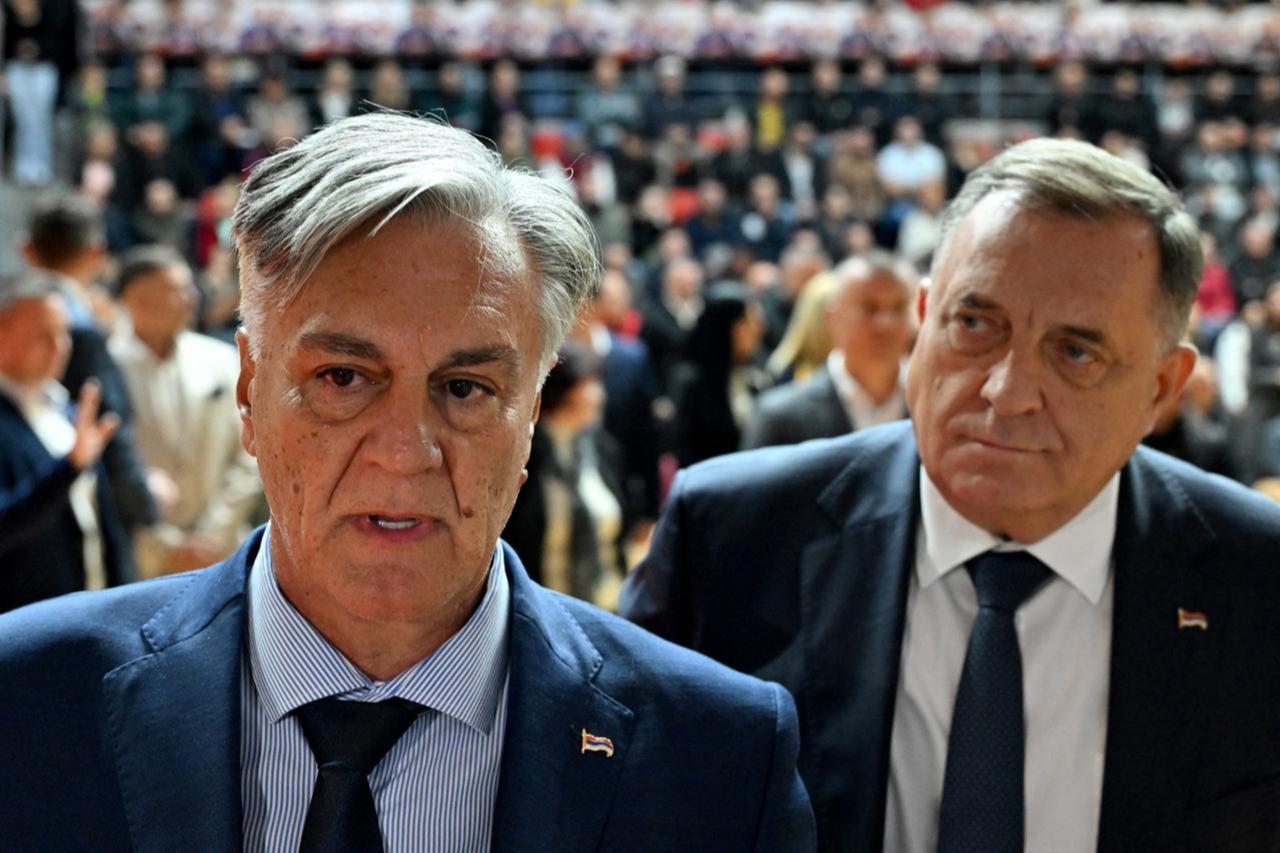
Sinisa Karan, the candidate backed by banned separatist leader Milorad Dodik, won Sunday's repeat presidential election in Bosnia and Herzegovina's Serb-majority entity Republika Srpska, declaring the result a "referendum" against the international community's High Representative.
Bosnia and Herzegovina's Central Election Commission announced that Karan secured 50.54% of the vote, while opposition-backed candidate Branko Blanusa received 48.09% in the partial repeat election held at 136 polling stations.
Of the 84,474 eligible voters in the affected areas, 41,826 cast ballots, representing a turnout of 49.51%.
With the addition of votes from the repeat election, Karan's total rose to 224,384, while Blanusa finished with 213,513—a margin of fewer than 11,000 votes.
Blanusa conceded defeat, saying he found the result "surprising" but acknowledged it was good that Republika Srpska now has a president and its institutions can continue functioning.


In his victory speech, Karan framed the election as a battle against international oversight of Bosnia and Herzegovina.
"Thank you all. Through my humble name, you once again defended the sovereignty of the Serbian people to determine their own future, as you did before," Karan said.
"This was not an ordinary election. This was a referendum against the unfortunate Christian Schmidt," he added, referring to the High Representative who oversees implementation of the Dayton Peace Agreement.
Signaling he would continue Dodik's separatist policies, Karan declared, "The institutions of Republika Srpska are not and will not be subordinate to anyone."
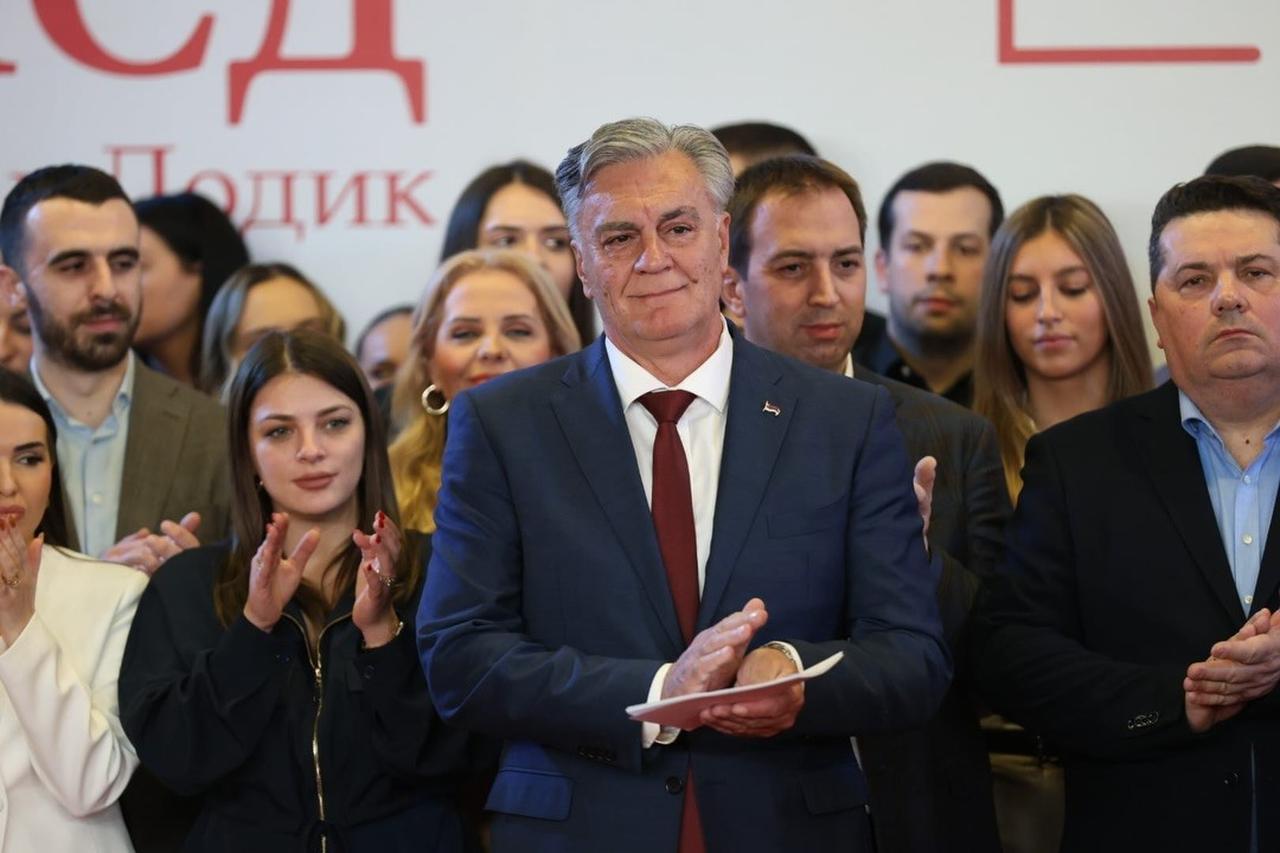
Dodik congratulated Karan on his victory, saying they had won "against the international community."
Despite being banned from public office for six years, Dodik has remained Republika Srpska's de facto political leader and continued to act as such.
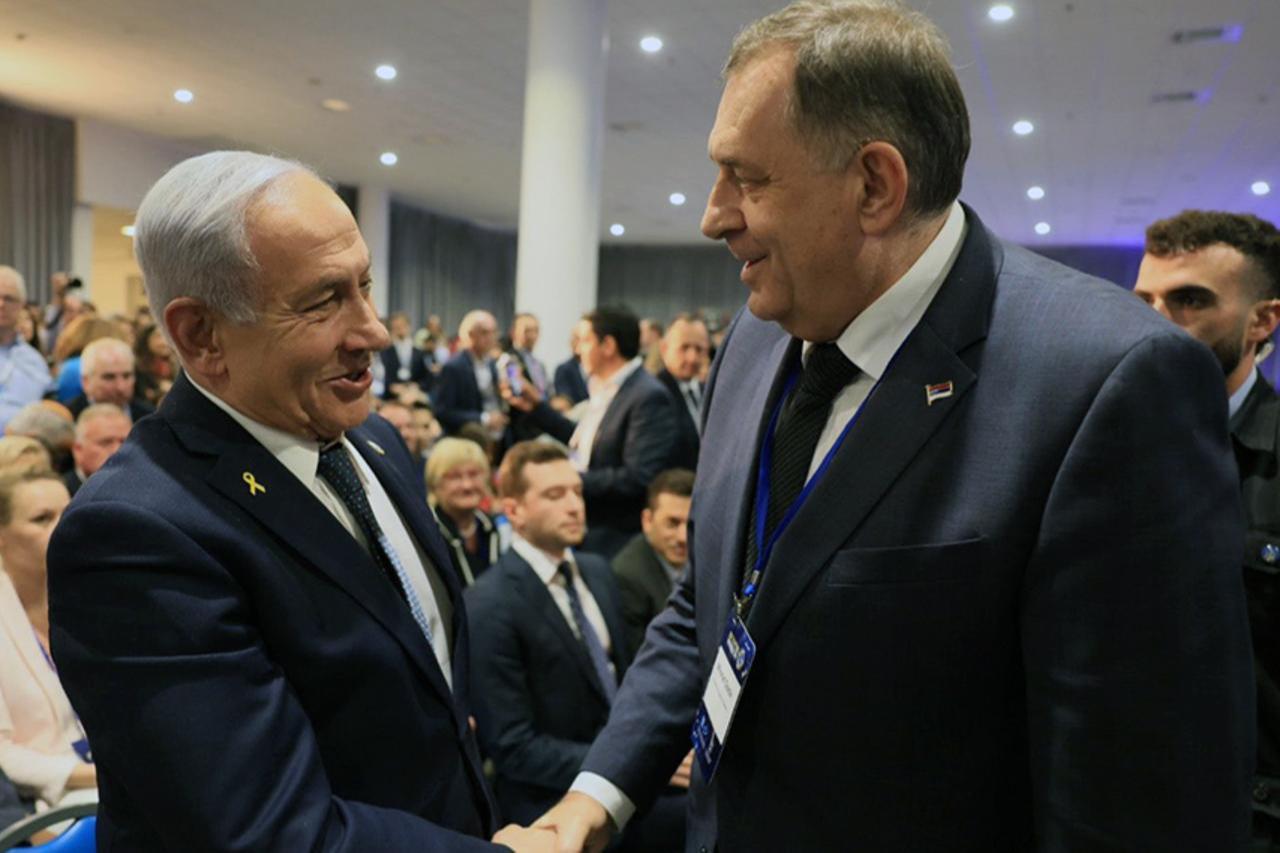
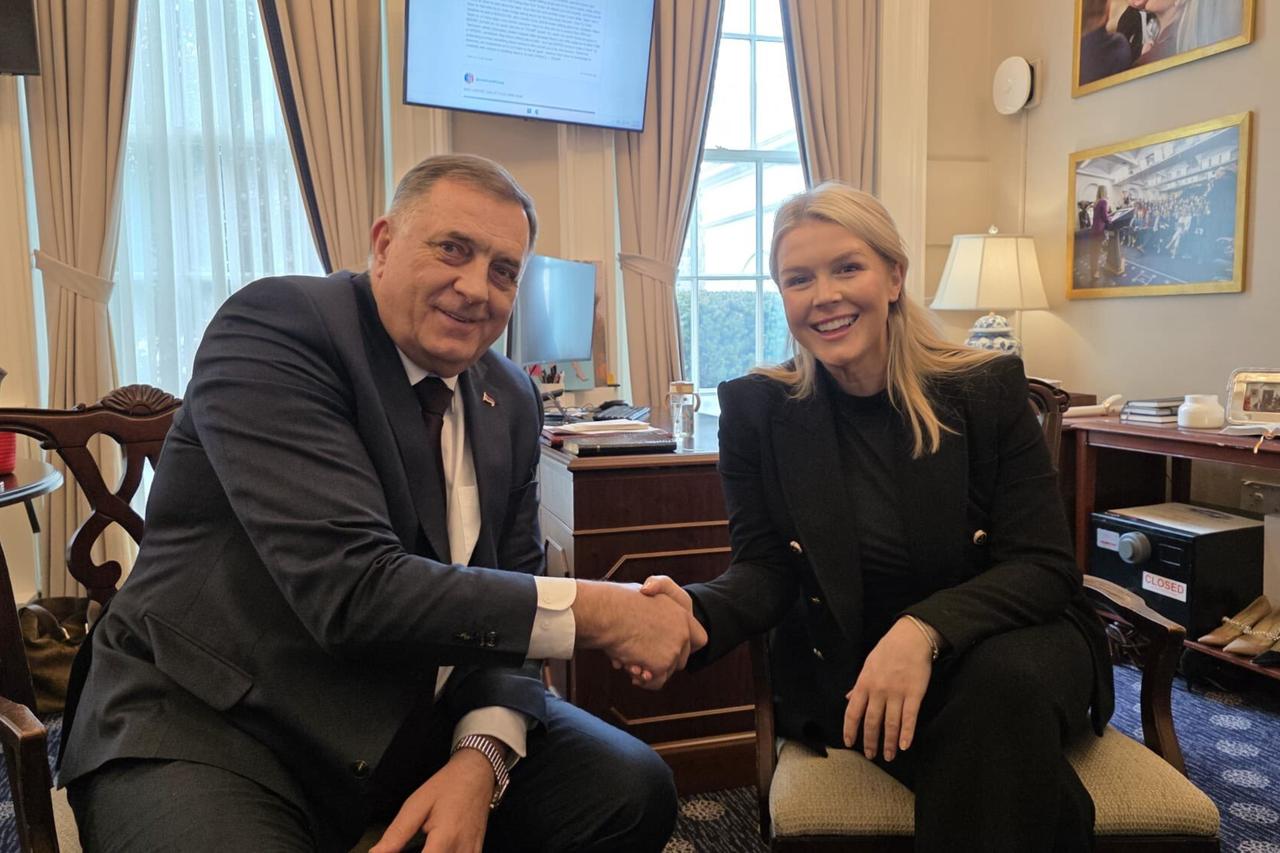
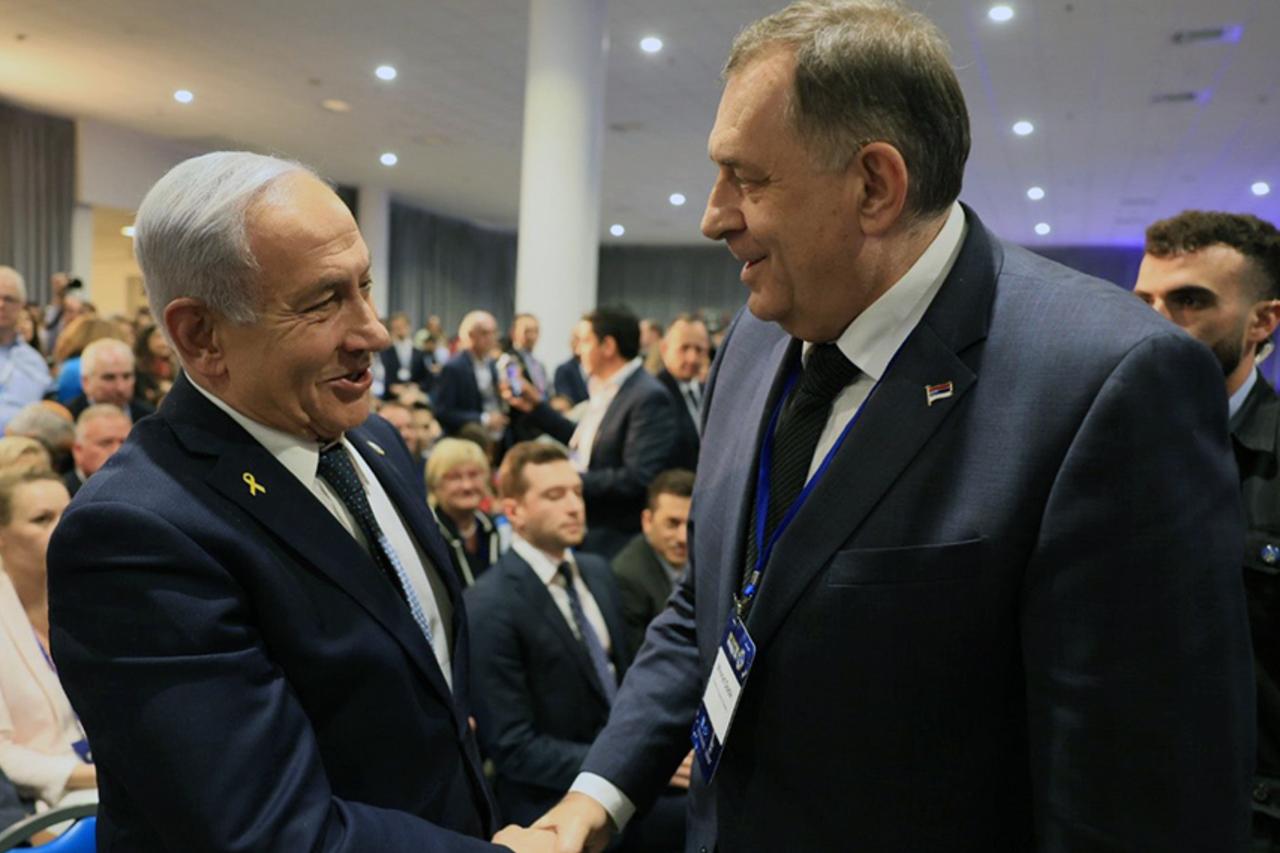
Earlier this year, he traveled to Hungary to meet Prime Minister Viktor Orban and visited the United States and Israel, where he received an award from the Knesset for developing relations between Israel and Republika Srpska.
The November election was marred by irregularities, with opposition parties alleging fraud after Karan initially won by approximately 9,500 votes. The Central Election Commission annulled results from 136 polling stations and ordered a repeat vote.
The November election saw a low turnout of less than 36%.
The repeat vote followed the Nov. 23, 2025, snap election, which was called after Dodik was removed from office by the Central Election Commission in August following his conviction.
Dodik was sentenced to one year in prison and a six-year ban from public office for refusing to comply with rulings by High Representative Schmidt.
The prison sentence was later converted to a fine by Bosnia and Herzegovina's court.
Dodik had led Republika Srpska for nearly two decades and became known for his separatist rhetoric, including repeated threats that Republika Srpska would secede from Bosnia and Herzegovina.
He refused to recognize the Office of the High Representative and Schmidt personally.
In June 2023, the Republika Srpska National Assembly under Dodik's leadership voted not to publish Schmidt's decisions in the Official Gazette.
Schmidt, who has the authority to enact laws when necessary, annulled those decisions.


 Set as preferred source
 Set as preferred source


 1 min read
 1 min read