Newsletters


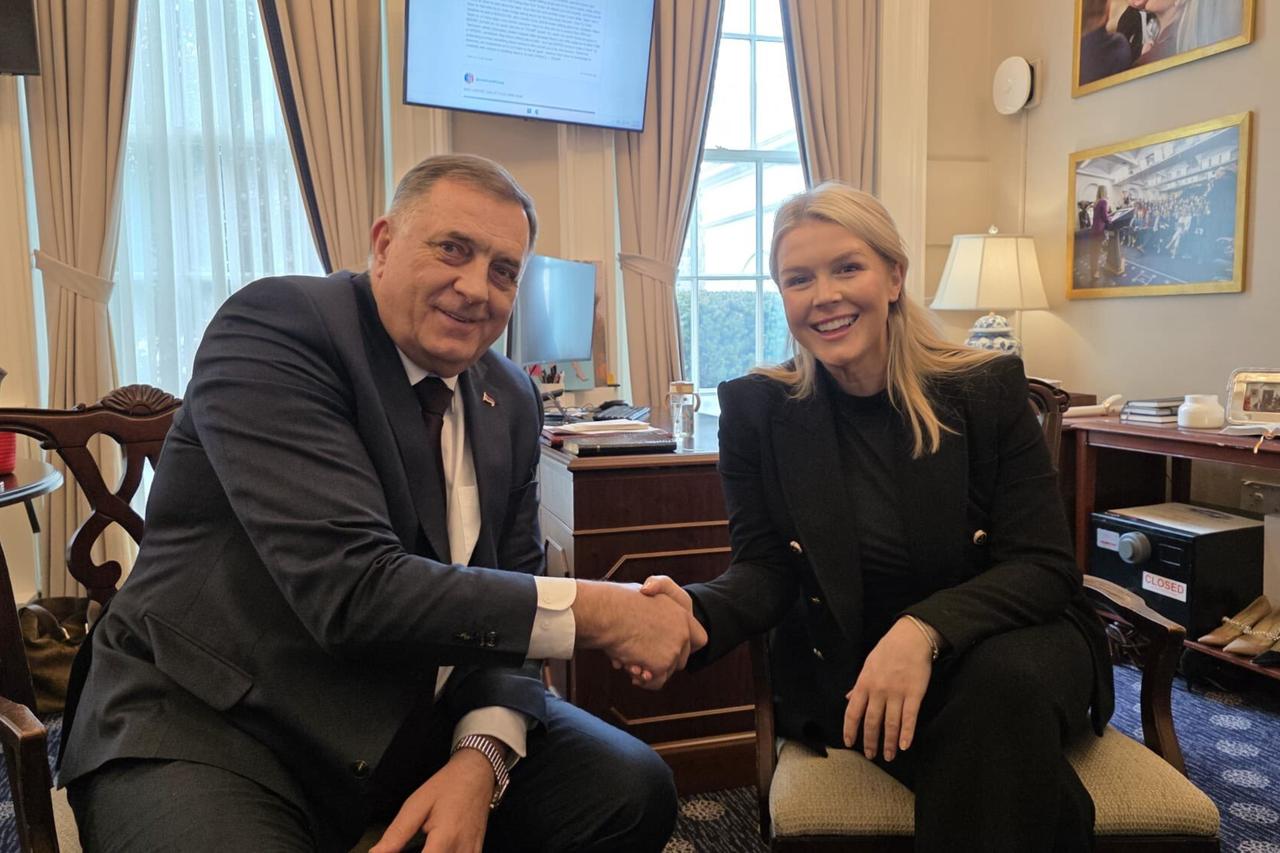


Bosnian Serb leader Milorad Dodik met with senior U.S. officials in Washington this week, months after the Trump administration lifted sanctions imposed on him over actions seen as undermining Bosnia and Herzegovina’s postwar peace framework.
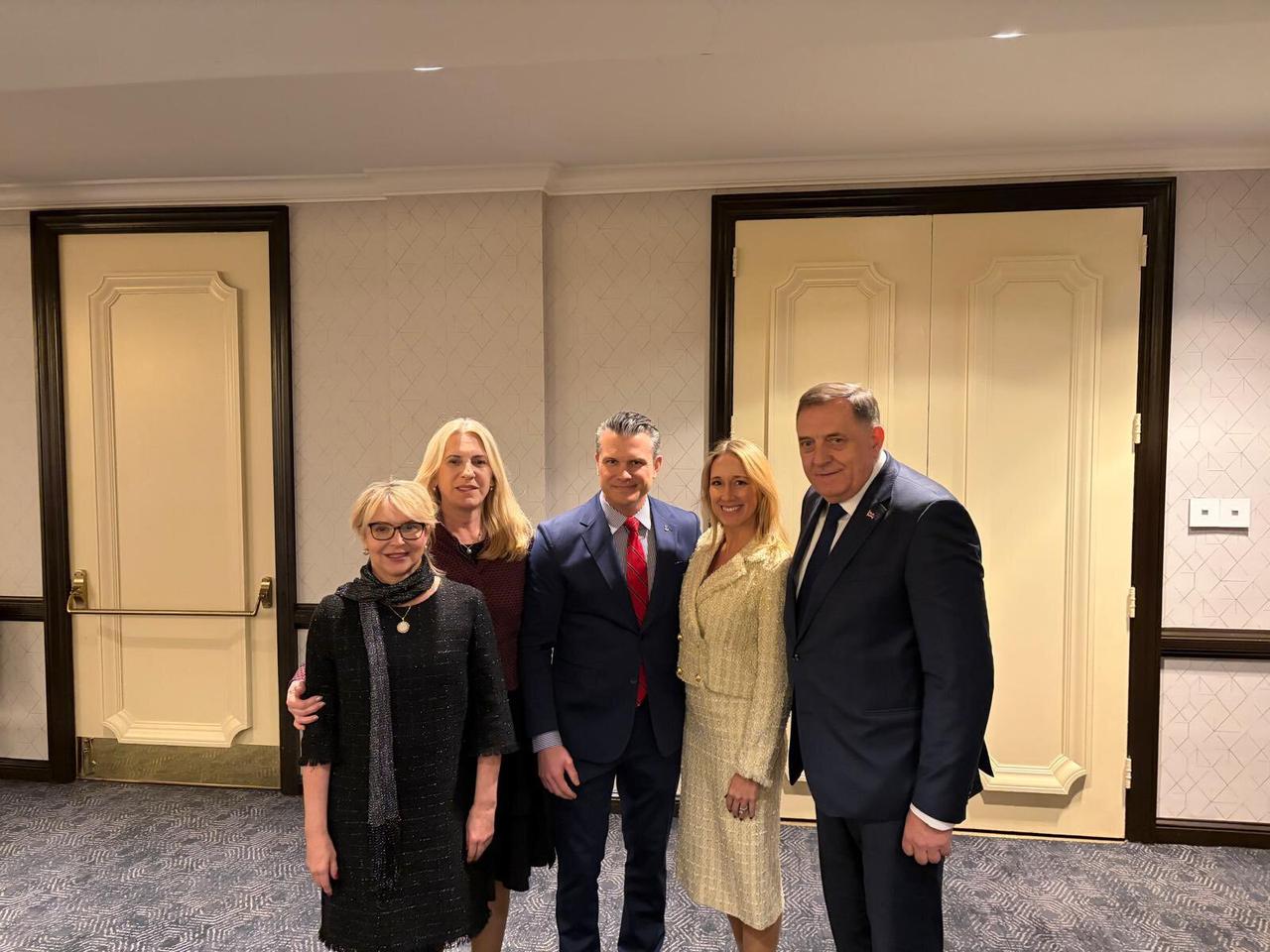
Dodik, accompanied by other Republika Srpska officials, including Acting President Ana Trisic Babic, held meetings with Defense Secretary Pete Hegseth, House Speaker Mike Johnson and White House spokeswoman Karoline Leavitt.
Following his meeting with Hegseth, Dodik said in a post on X on Thursday that the defense secretary “understands how essential strength, principled leadership, and the defense of Christian values are to preserving freedom and the dignity of nations worldwide.”
Separately, Zeljka Cvijanovic, the Serb member of Bosnia and Herzegovina’s tripartite Presidency, met with Deputy Secretary of State Christopher Landau. The State Department said Landau emphasized U.S. interest in “expanding economic cooperation” and highlighted completion of the Southern Interconnection gas pipeline as a strategic energy priority.
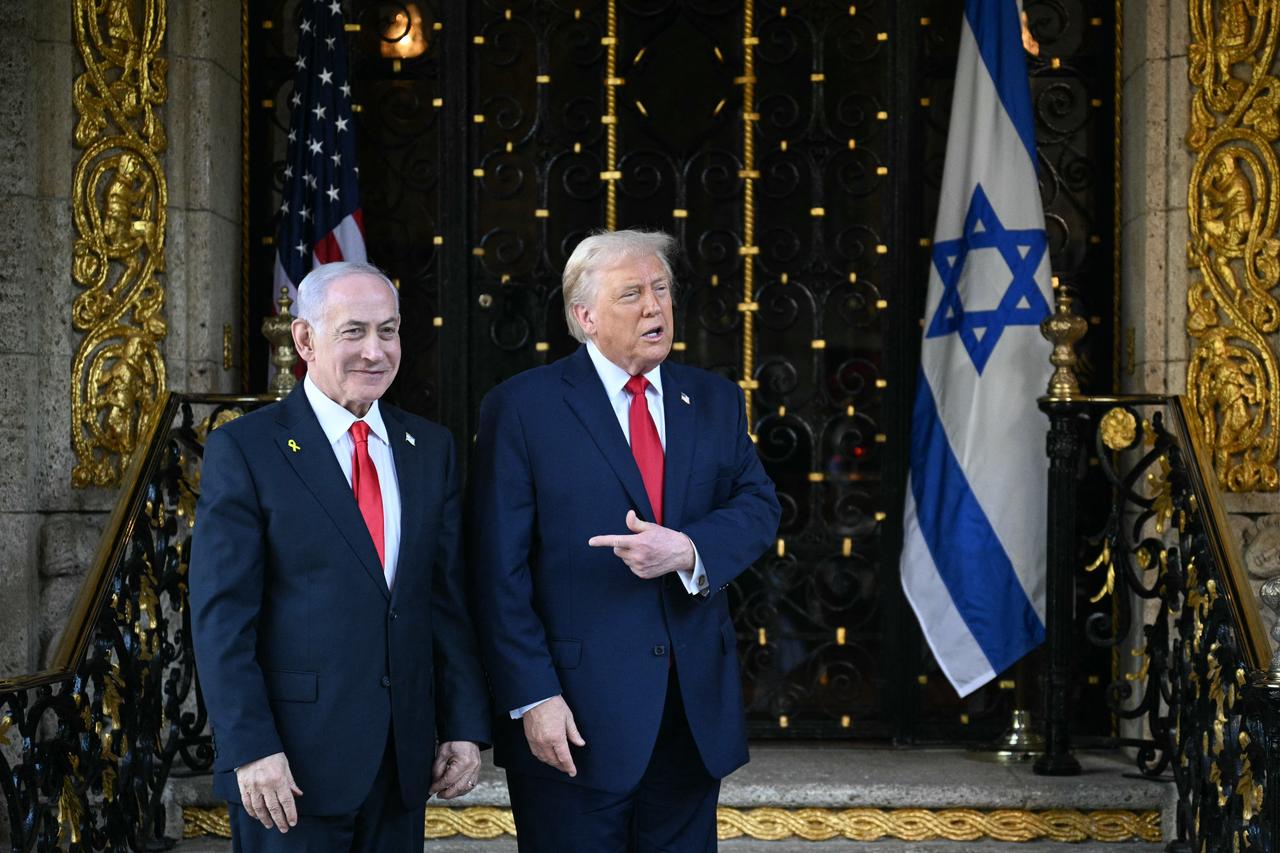
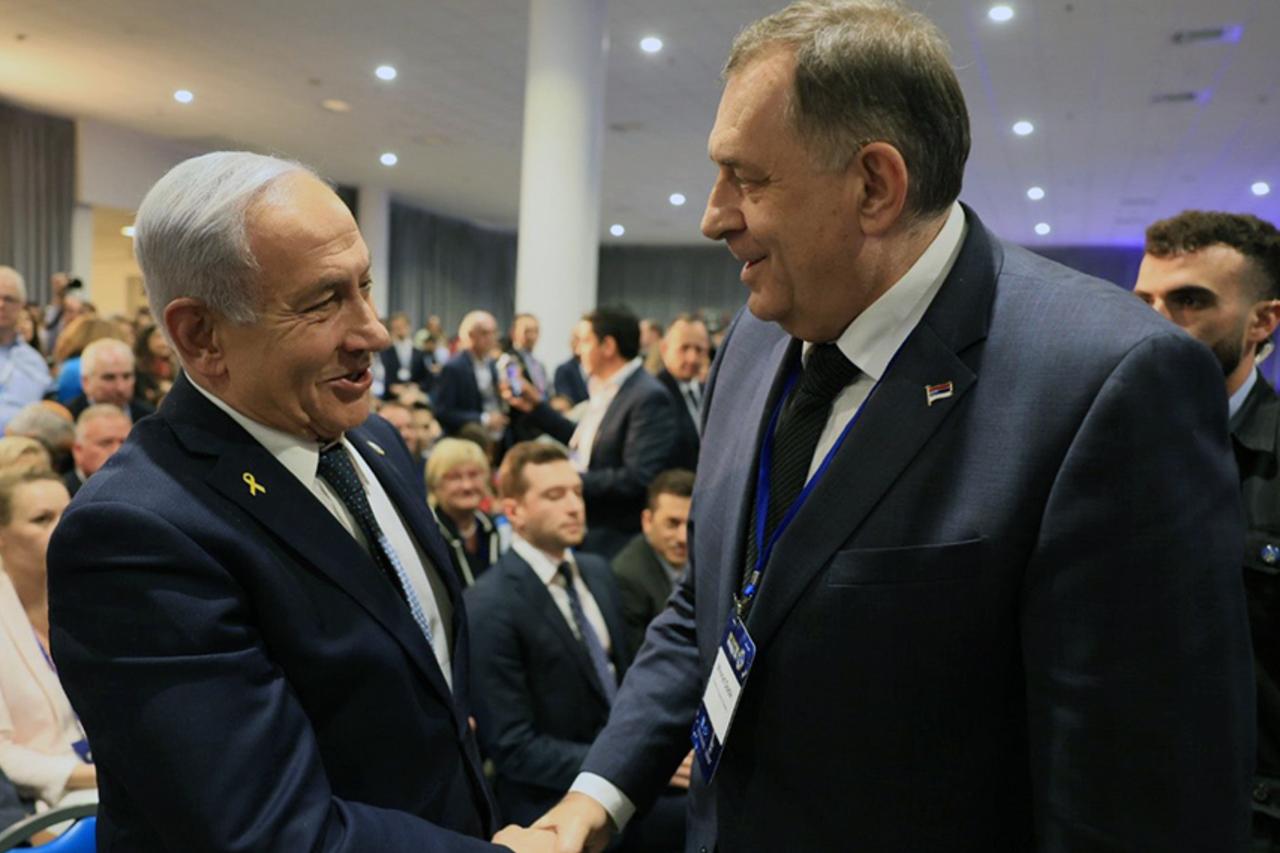
Earlier this month, Dodik and Babic also traveled to Israel, where they met Prime Minister Benjamin Netanyahu and Foreign Minister Gideon Saar.
Dodik was first sanctioned by the United States in 2017 for actions undermining the 1995 Dayton Peace Agreement and again in 2022. Last year, he was sentenced to one year in prison and banned from politics for six years for defying international oversight.
Known for frequent secessionist rhetoric, Dodik has repeatedly argued that Bosnia and Herzegovina should adopt a new political arrangement or face the possibility of separation.

In early February, Dodik claimed that if Republika Srpska were to declare independence, it would be recognized by 15 countries for several days. He also said he did not accept what he described as Bosniak dominance in Bosnia and Herzegovina.
The Dayton Peace Agreement ended the 1992-1995 Bosnian war and established Bosnia and Herzegovina as a state composed of two entities: the Federation of Bosnia and Herzegovina and Republika Srpska. Disputes over the interpretation and implementation of the agreement have remained a persistent source of tension.
Dodik’s Washington visit drew criticism from U.S. lawmakers. Democratic Sen. Jeanne Shaheen, the top Democrat on the Senate Foreign Relations Committee, described the decision to lift sanctions as “reckless and premature,” citing Dodik’s ties to Russia and accusing him of undermining the Dayton Peace Agreement.
Shaheen said Friday that Dodik’s visit made it “abundantly clear that he is not interested in putting the interests of all Bosnians ahead of his political interests.”
“Mr. Dodik has been using secessionist rhetoric and undermining the integrity of the Dayton Peace Agreement, which flies in the face of the administration’s justification to delist Dodik and his cronies late last year,” she said.
“The Trump administration should move swiftly to reimpose sanctions on Mr. Dodik under the mandatory sanctions that I secured in the most recent National Defense Authorization Act,” Shaheen added.


 Set as preferred source
 Set as preferred source


 1 min read
 1 min read