Newsletters


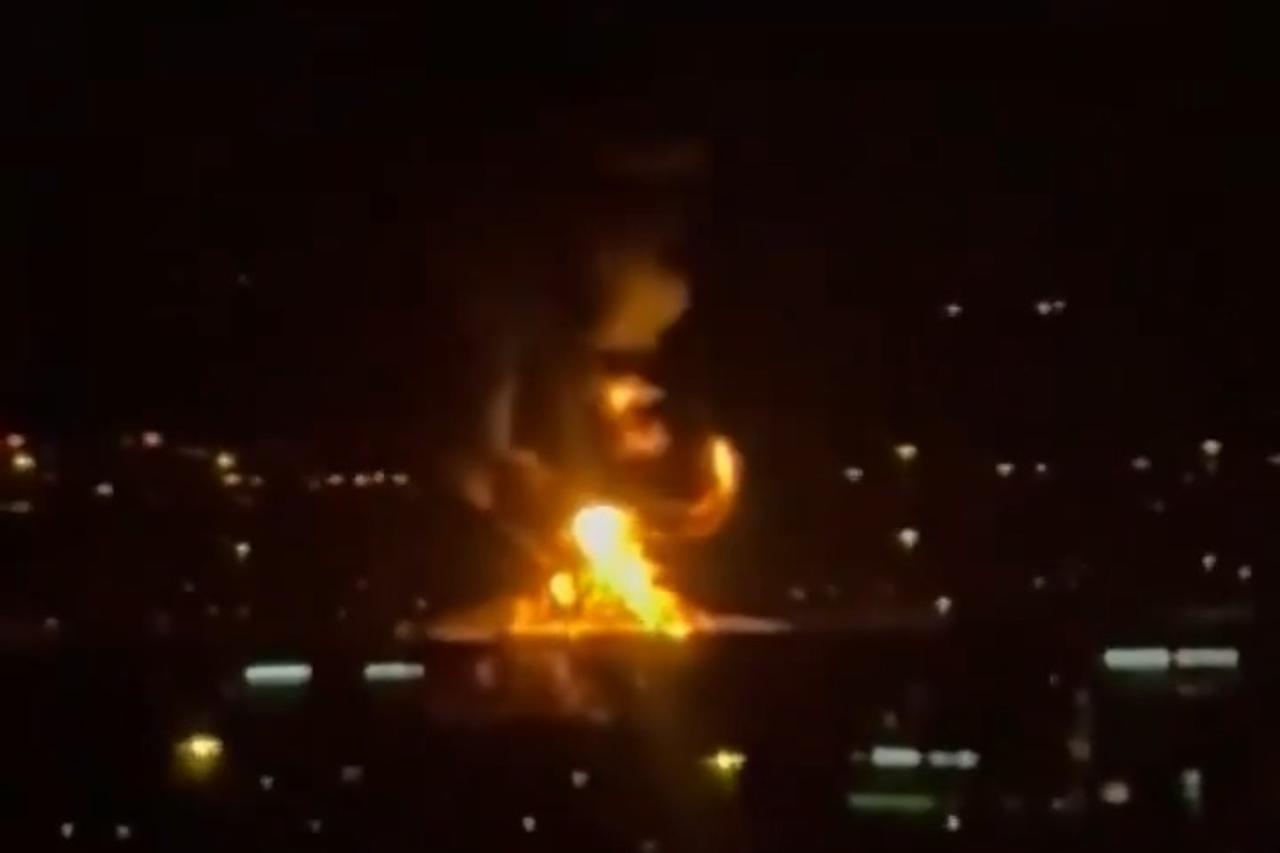


A drone struck a fuel tank near Dubai International Airport early Monday, sparking a fire that forced the temporary suspension of all flights at one of the world's busiest air travel hubs, authorities said.
Civil defense teams successfully contained the fire, and no injuries were reported.
It is the third drone incident at the airport since Iran began its attacks on Gulf nations on Feb. 28.
The Dubai Media Office said in a post on X that authorities were "responding to a fire resulting from a drone-related incident in the vicinity of Dubai International Airport," which affected a fuel tank.
Civil defense teams subsequently contained the fire, and the Dubai Civil Aviation Authority temporarily suspended all flights "as a precautionary measure to ensure the safety of all passengers and staff."
Some flights were diverted to Al Maktoum International Airport, approximately 65 kilometers away. Road and tunnel links with the airport were also temporarily halted, police said. Authorities did not say when they expected flights to resume.
Emirates airline posted, X: "All flights to and from Dubai have been temporarily suspended. Please do not go to the airport. Emirates will share updates when available. We want to thank our customers for their understanding and patience. The safety of our passengers and crew is our highest priority and will not be compromised."
Raj Dholakia, who told CNN he was waiting to board a flight to Toronto via New York, said authorities evacuated the entire floor covering three gates.
"There were hundreds of people, resting, sleeping or walking, everyone was told to go to the nearest staircase and go down," he said.
He estimated up to 1,000 passengers had gathered at the assembly point, with some sitting on the floor due to scarce seating. Departure boards still listed a dozen flights as "gate closed," "final call," or "boarding."
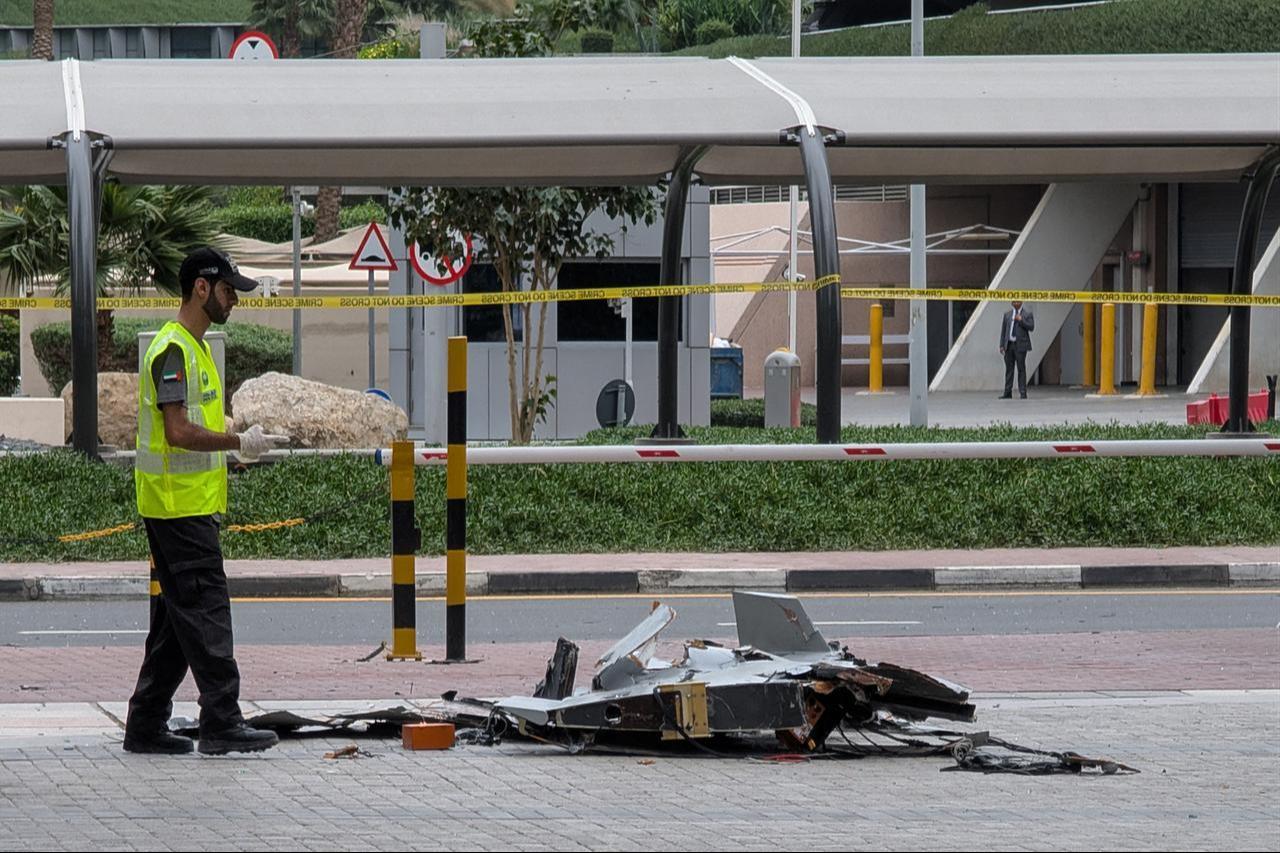

Monday's incident is the third drone-related incident at Dubai International Airport since Iran began attacks on Gulf nations on Feb. 28.
On March 11, two drones fell near the airport, which had also suffered damage on the first day of the conflict during an overnight Iranian attack.
Gulf Arab states have faced more than 2,000 missile and drone attacks since Feb. 28, with targets including U.S. diplomatic missions, military bases, key Gulf oil infrastructure, homes, and offices.
All Gulf Arab states have been affected, and all have condemned Iran.
The U.S.-Israel war against Iran has thrown global aviation into turmoil, with flights cancelled, rescheduled, and rerouted as most Middle East airspace stays shut over fears of missile and drone attacks. At the same time, the crisis sends fuel prices soaring.
UAE authorities have said most Iranian strikes have been intercepted by air defenses, although debris and some drones have fallen inside the country.
Iranian officials have accused the UAE of allowing its territory to be used for attacks against Iran, but UAE officials have denied the accusation, arguing the country's military actions have been defensive.
Since Israel and the U.S. launched joint attacks on Iran on Feb. 28, killing some 1,300 people, including then-Supreme Leader Ali Khamenei, Iran has retaliated with drone and missile strikes targeting Israel, Jordan, Iraq, and Gulf countries hosting U.S. military assets.


 Set as preferred source
 Set as preferred source


 1 min read