Newsletters


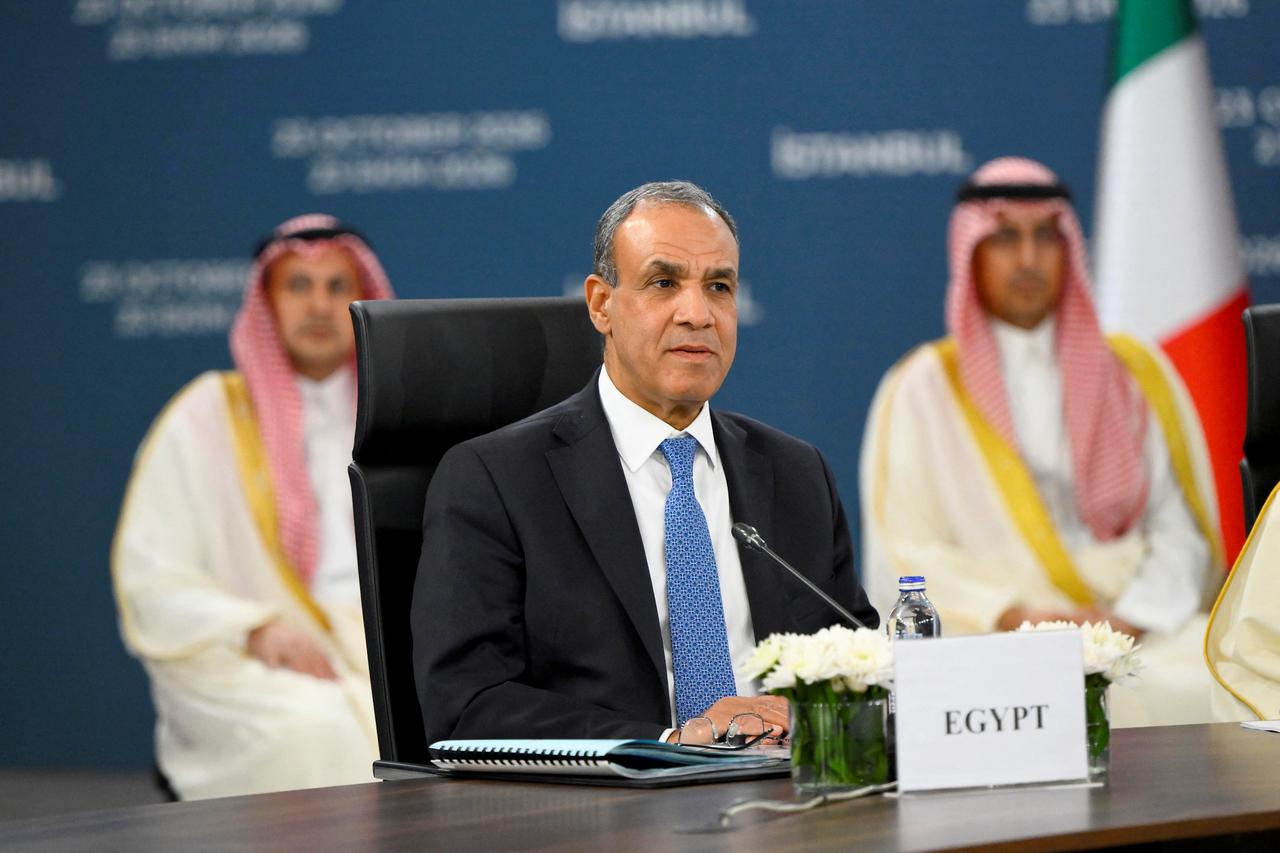


Egypt warned Saturday that renewed fighting between the United States and Iran could be far more destructive than the initial conflict, while Tehran threatened wider retaliation if Washington launches another military campaign alongside Israel.
Egyptian Foreign Minister Badr Abdelatty said he was "extremely worried" about the consequences of another escalation, warning that renewed hostilities would have a significant impact, Reuters reported.
Speaking at the IISS Manama Dialogue security summit in Bahrain, Abdelatty urged both sides to learn from the previous round of fighting.
"The second round will be more dangerous, more destructive, and it will lead to nowhere. We have to draw lessons from the past," he said.
His remarks came as diplomatic efforts to prevent another confrontation continued, with Qatar leading renewed mediation between Washington and Tehran amid persistent disagreements over the Strait of Hormuz.
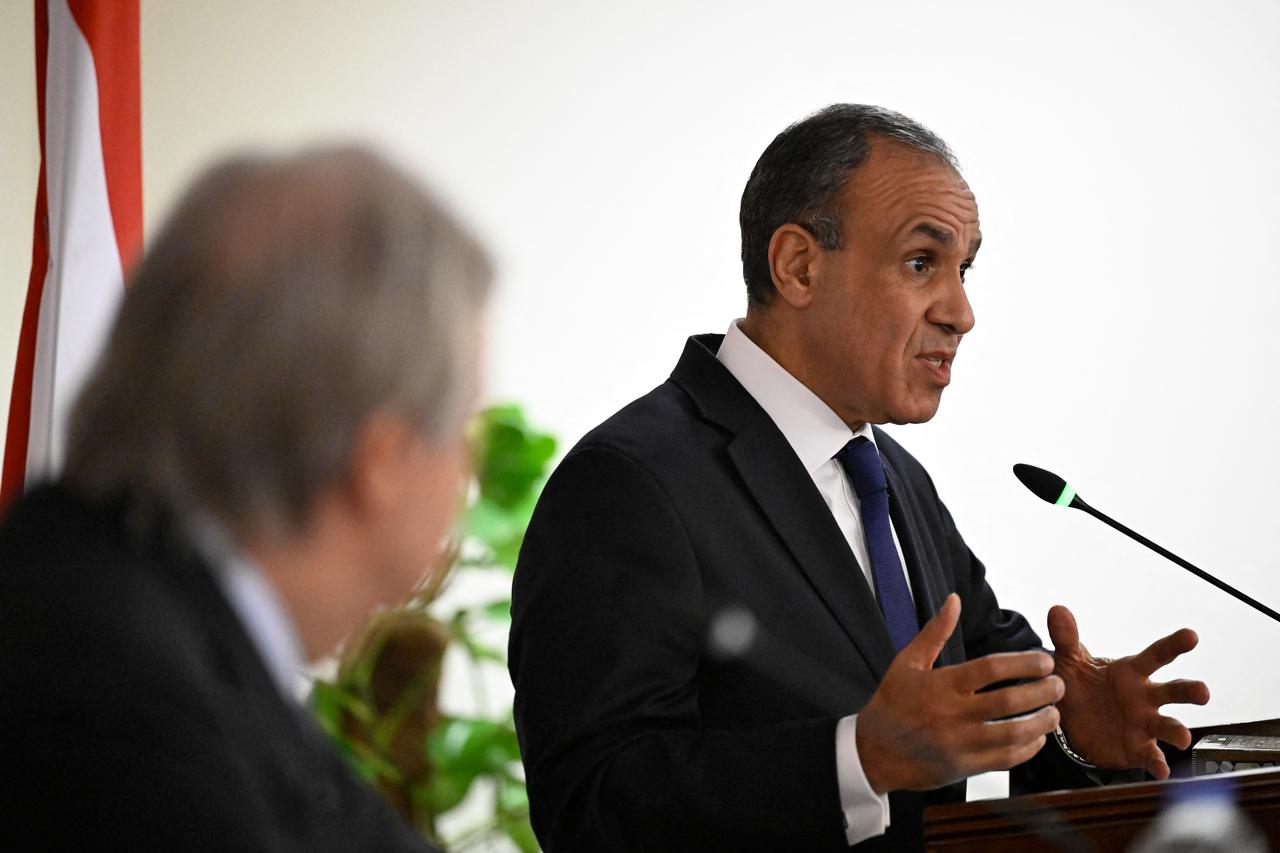

Meanwhile, Iranian army spokesperson Brig. Gen. Mohammad Akraminia warned Saturday that any renewed U.S. military action against Iran could expand the conflict across a much larger area.
“If the US president once again embarks on another military adventure in the region under pressure from and inducement by the Zionists, the flames of war will undoubtedly engulf a much wider geographical area,” Akraminia wrote on X.
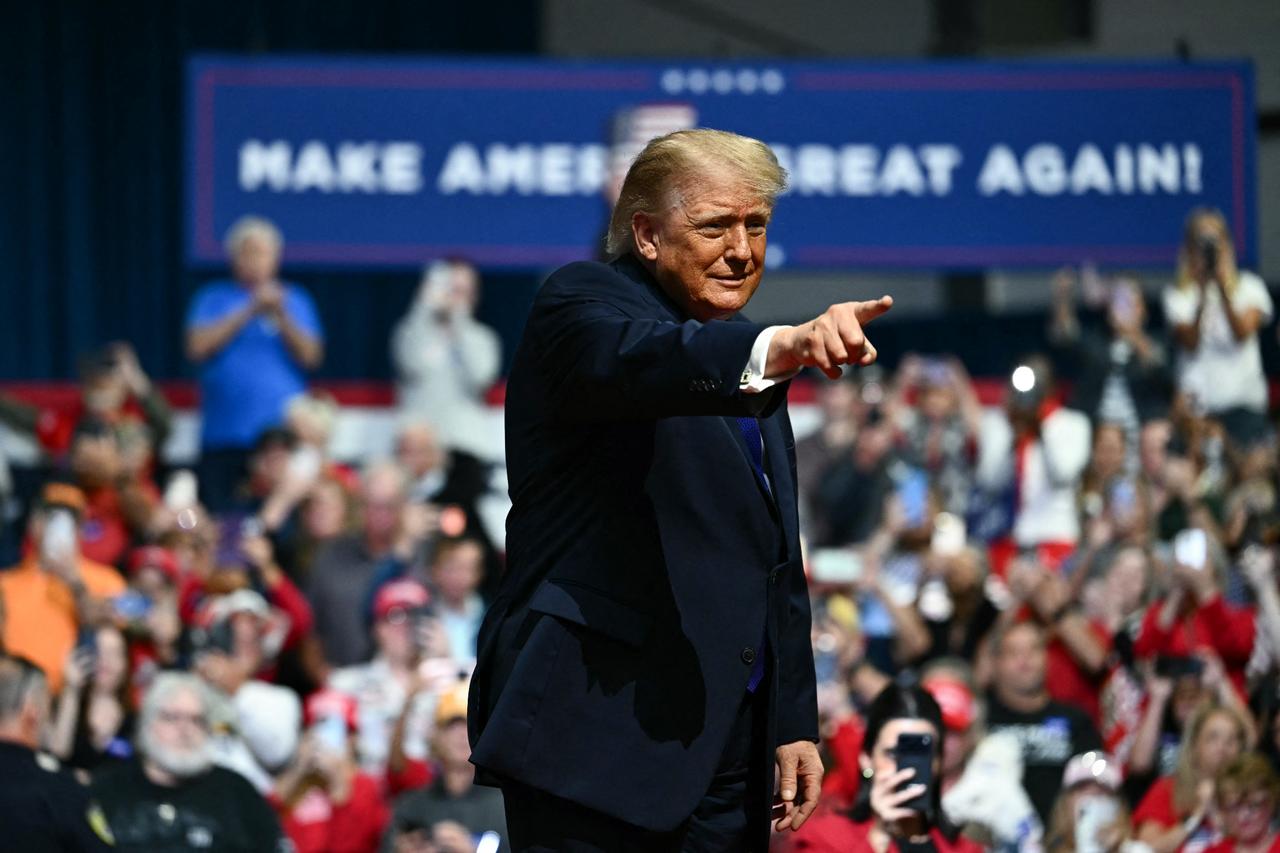
“And the end of the conflict will not be in his (Trump’s) hands,” he warned.
Akraminia accused Washington of undermining previous diplomatic efforts, citing “the US President’s track record of betraying diplomacy.”
He said Iran's military was “continuously” strengthening its combat readiness and “closely monitoring” U.S. movements in the region.
The warning followed weeks of tensions over the possibility of renewed American strikes against Iran, despite ongoing efforts by regional mediators to restore negotiations.
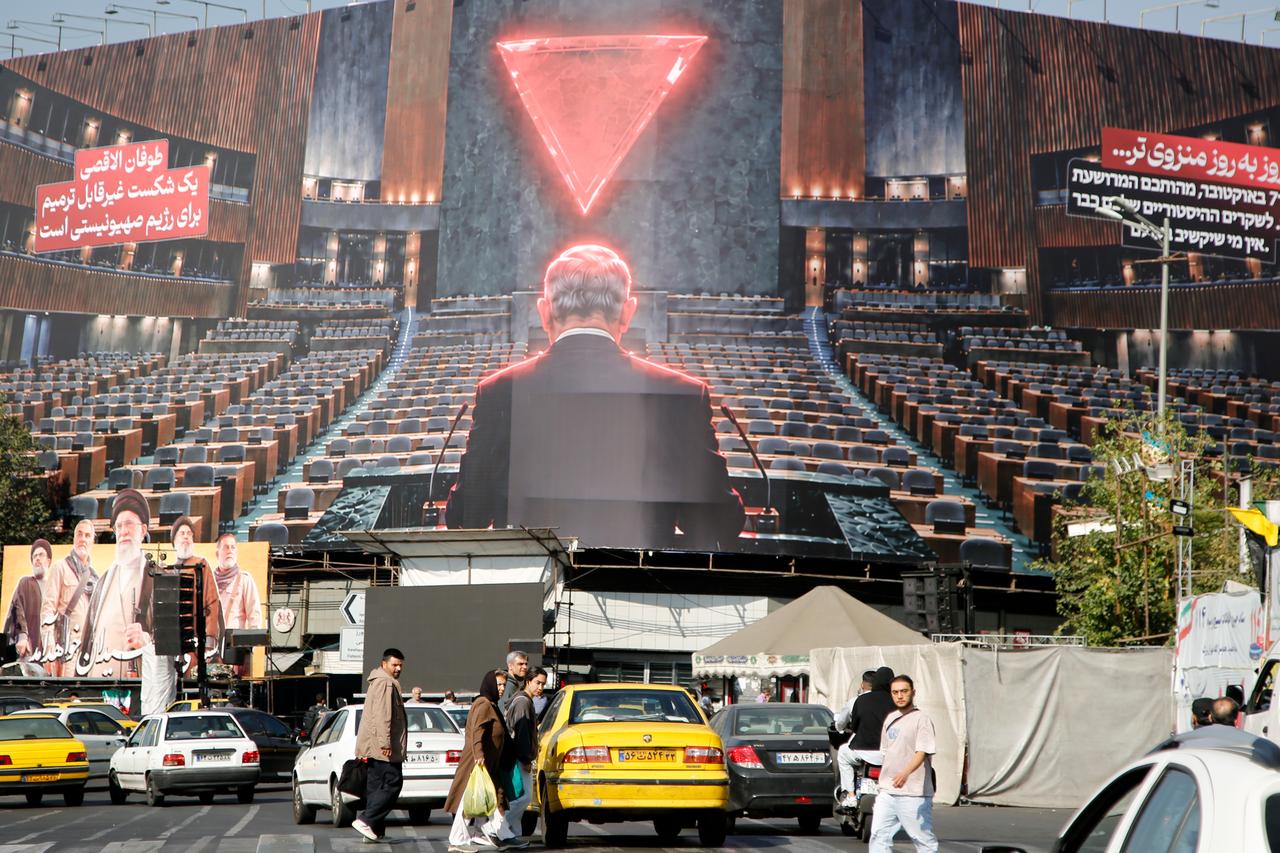
Qatari mediators returned to Tehran Friday in a renewed effort to broker an agreement between Washington and Tehran, Reuters reported.
However, the two sides remain divided over the sequence of negotiations, particularly whether talks on Iran's nuclear program should take priority over relief from the U.S. blockade of Iranian ports and oil sanctions.
Tehran has proposed reopening the disrupted Strait of Hormuz within seven days in exchange for Washington lifting its blockade of Iranian ports.
 2 min read
An interim agreement reached in June failed to establish a lasting ceasefire or restore normal shipping through the strategic waterway, leaving the dispute over navigation and maritime security unresolved.
The current tensions stem from the war launched by the United States and Israel against Iran on Feb. 28, which prompted Iranian retaliatory attacks across the region.
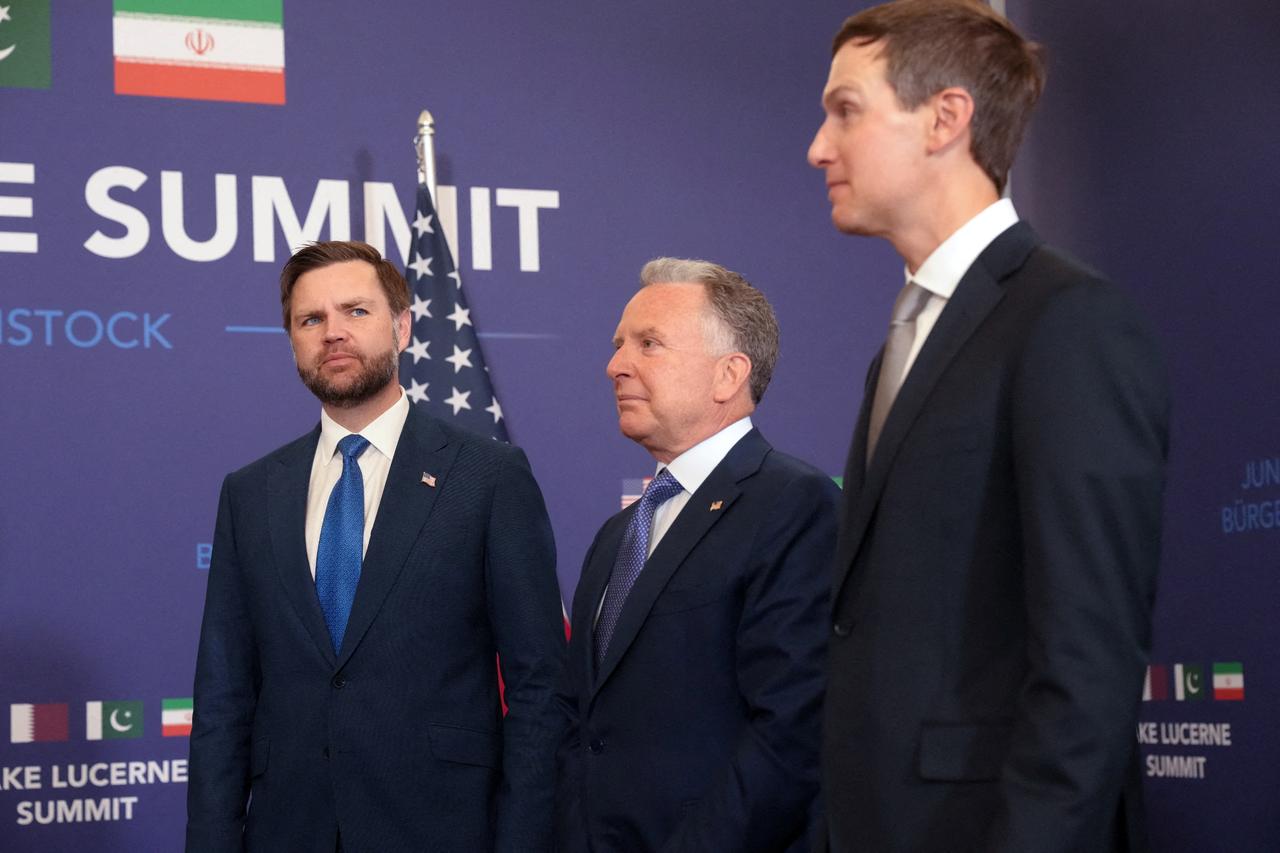
Despite subsequent diplomatic efforts and the signing of a memorandum between Washington and Tehran in June, disagreements over security arrangements and freedom of navigation through the Strait of Hormuz have continued to complicate efforts to achieve a lasting settlement.


 Set as preferred source
 Set as preferred source


 1 min read