Newsletters


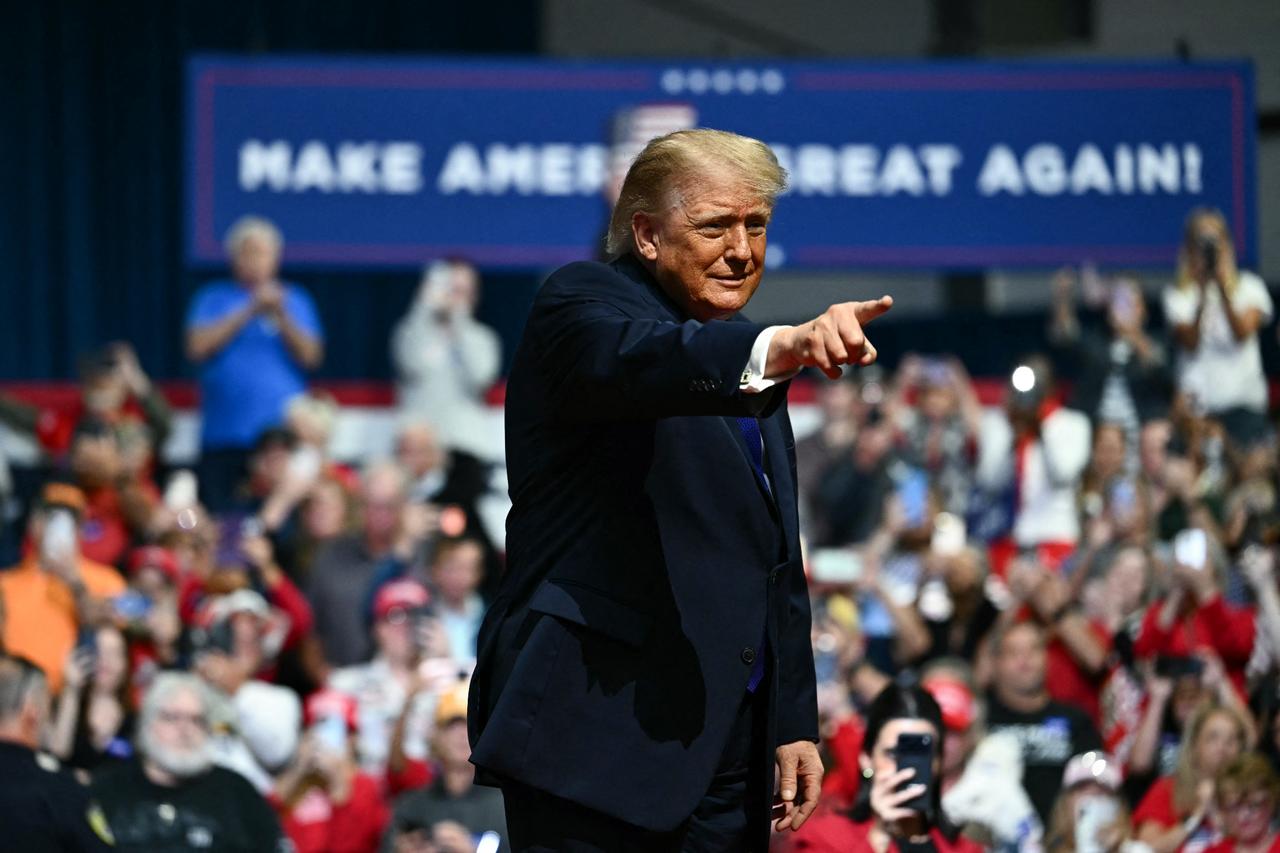


Wars are supposed to be fought overseas. Unfortunately for presidents, they have a habit of showing up at the ballot box.
George W. Bush discovered this in 2006, when Republicans lost Congress amid growing anger over Iraq. The morning after the elections, he acknowledged Americans were unhappy with the war. An unusual moment of candor for a president who had invested so much of his identity in the conflict.
Political scientists argue that voters care more about their economic well-being than foreign policy. Jobs, wages, and grocery bills matter more than grand geopolitical strategies. But wars collapse the distance between the two, turning distant military decisions into household anxieties.
In 1918, as World War I ended, President Woodrow Wilson watched Democrats lose Congress, complicating his postwar ambitions.
In 2006, Democrats turned dissatisfaction with Iraq into electoral victory. Different wars, but a familiar lesson: presidents can lose elections over conflicts fought thousands of miles away.
Which brings us to Donald Trump, the Iran war, and the Nov. 3 midterm elections. This time, the road from the battlefield to the ballot box runs straight through the gas station.
Launched by the United States and Israel in February, the war spread as Iran retaliated against Gulf countries. Attacks on the Strait of Hormuz, Bab el-Mandeb, and Gulf energy infrastructure disrupted maritime trade and sent energy prices soaring.
For American voters, the significance of the Strait of Hormuz becomes clearer when filling the family car costs substantially more than last year. Geopolitics, it turns out, is easier to understand when it comes with a receipt.
Gasoline prices rose 34.2% year over year in September 2026, including 9.1% that month alone. Higher diesel prices pushed up transportation costs and grocery bills. Inflation climbed from 2.4% in February to 4.2% in May before easing to 3.7% in September.
An October Pew Research Center poll found that 84% of registered voters considered the economy important to their congressional vote, compared with 57% for foreign policy.
The Chicago Council on Global Affairs found that inflation and living costs ranked among leading electoral concerns, at 37%, while the Iran war registered just 2%. Yet 86% of Chicago Council respondents, including 76% of Republicans, said the war was bad for living costs.
The Institute for Global Affairs found that 81% believed the war had increased expenses, while 13% struggled to afford necessities and another 29% could afford little beyond them.
The message is flawless: voters may not rank the war as a political priority, but they recognize its impact on their purchasing power. For millions, it is not an abstract debate about Middle Eastern security. It is another expense they cannot afford, another reminder of how little control they have over decisions shaping their lives.
The Trump administration apparently understands the danger. With diesel prices up approximately two-thirds since the war began, Washington lifted sanctions on Russian diesel exports to increase supplies and lower prices.
There is irony in easing restrictions on Russia to contain the economic consequences of a war with Iran.
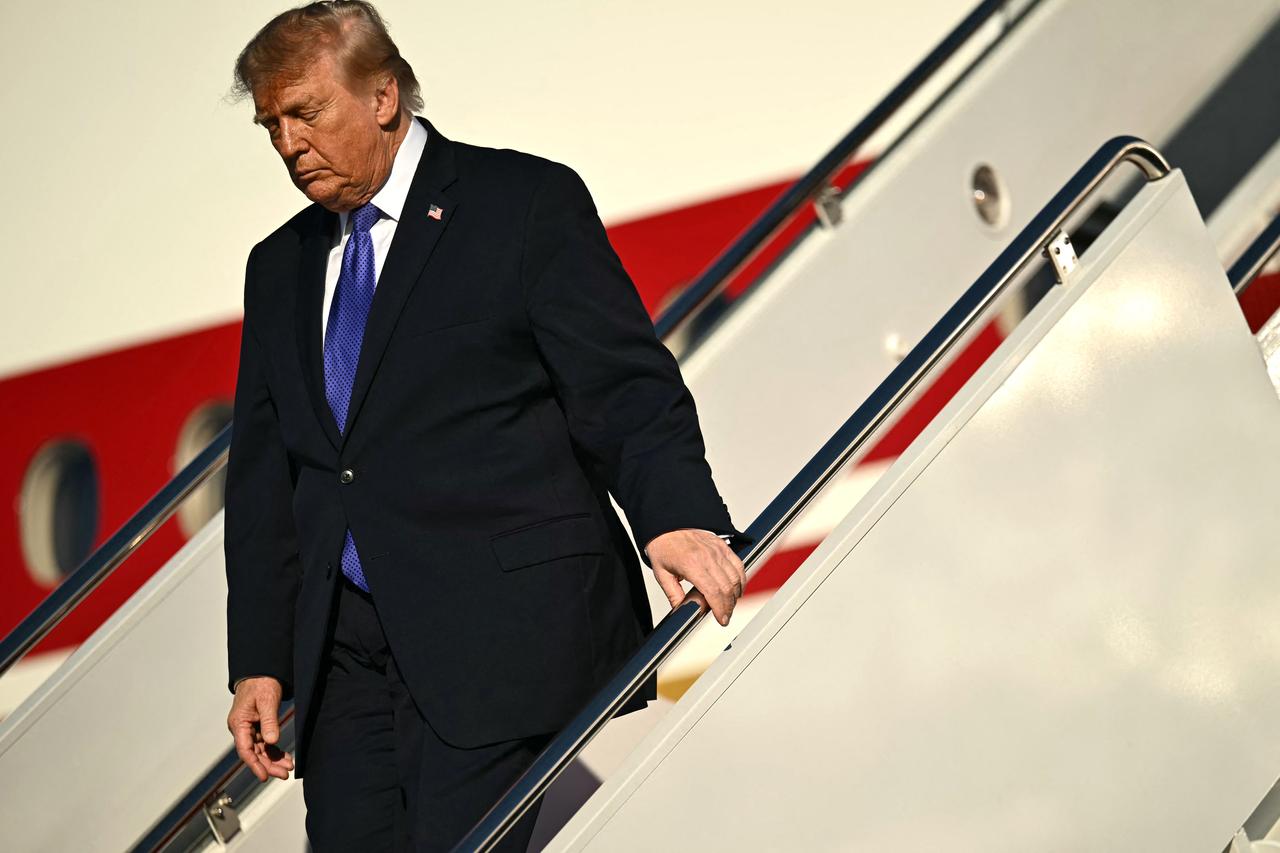

If the war helps Democrats win Congress, can they force Trump to change course? History suggests that winning Congress and controlling a president are two different fiends.
After the 1918 elections, Republican opposition helped prevent the Senate from ratifying the Treaty of Versailles, and America never joined Wilson's League of Nations.
In 2006, Bush's defeat did little to change his Iraq policy. He sent more than 20,000 additional troops the following year. Congress attempted to force a military reduction, but Bush vetoed the legislation, and lawmakers could not override him.
Current polling favors Democrats. Reuters/Ipsos found them leading Republicans 47% to 36%, widening to 50% to 41% when undecided voters' preferences were considered. CNN reported a 52% to 43% Democratic advantage, while Pew found Democrats leading 44% to 36%.
Democrats appear positioned to capture the House, although winning the Senate remains harder—but even controlling both chambers would not guarantee a change in Trump's Iran policy. He has suggested he could attack Iran again after the elections. Brookings experts argue Democrats are unlikely to secure the two-thirds majority necessary to override presidential vetoes restricting military action.
Congress does possess one powerful instrument: cash.
Democrats could challenge defense spending, including Trump's proposed additional $350 billion for the delayed fiscal year 2027 defense budget. They could also investigate administration decisions, summon officials, demand documents, and hold hearings.
Hearings cannot stop missiles, but they can make a president's political life considerably more difficult.
Democratic control of Congress might not end the conflict, but it could expose its costs and shape the debate ahead of the 2028 presidential election.
Americans may not vote directly against the Iran war. They may care little about maritime chokepoints or congressional war powers. But they know what gasoline costs, what groceries cost, and when their money disappears faster than it used to.
On November 3, their verdict may come down to a question far simpler than the future of the Middle East: Why does everything cost so much?


 Set as preferred source
 Set as preferred source


 2 min read
 1 min read