Newsletters


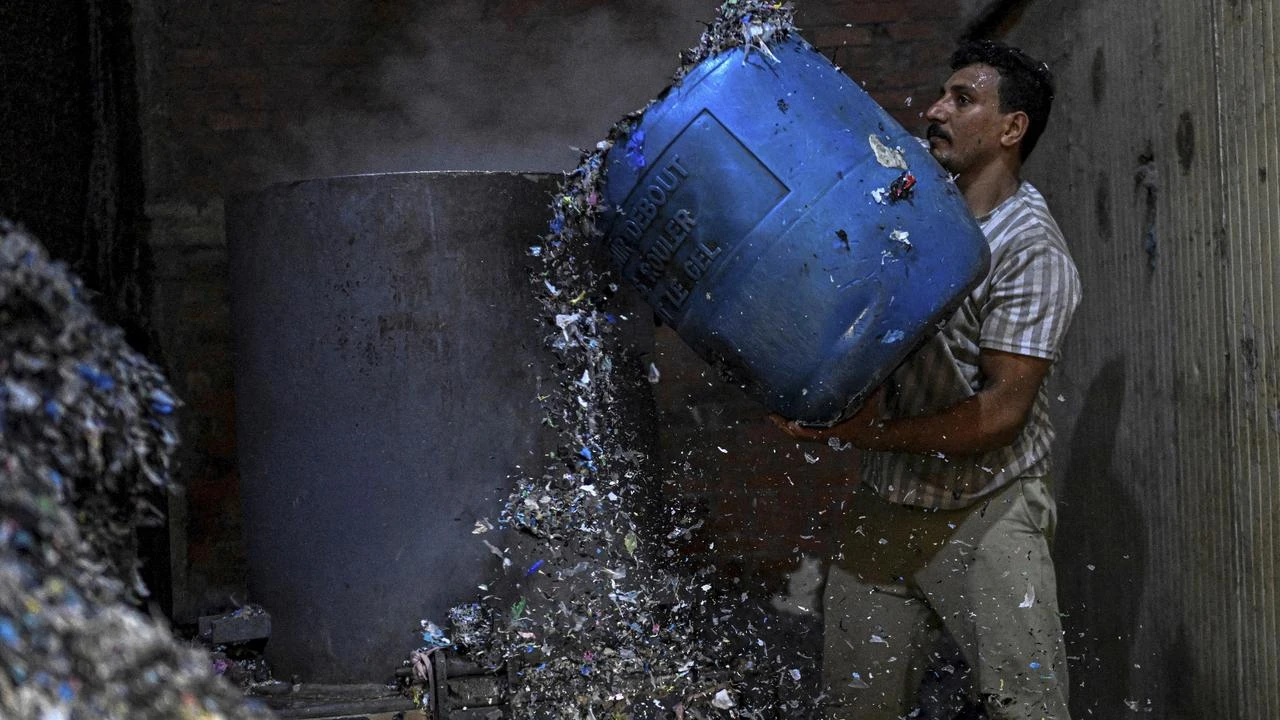
Manshiyet Nasser is busy nowadays with all types of recycled materials.
The settlement, home to more than 115,000 residents, handles more than a third of the capital's waste, according to government figures.
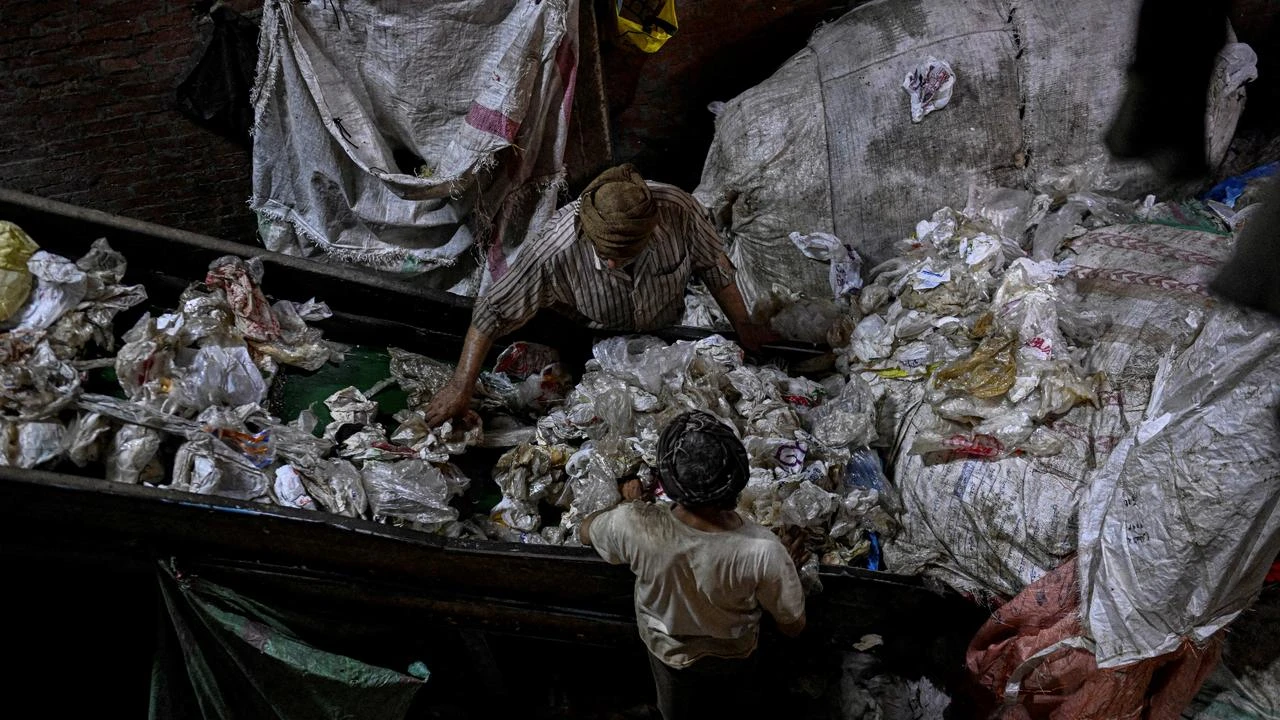
Egypt imports around 40% of its raw plastic materials, mainly from Gulf countries, Europe, China and South Korea, according to the Chamber of Chemical Industries.
Packaging and plastic prices have more than doubled, forcing manufacturers to turn to local producers, three industry sources told Agence France-Presse (AFP).
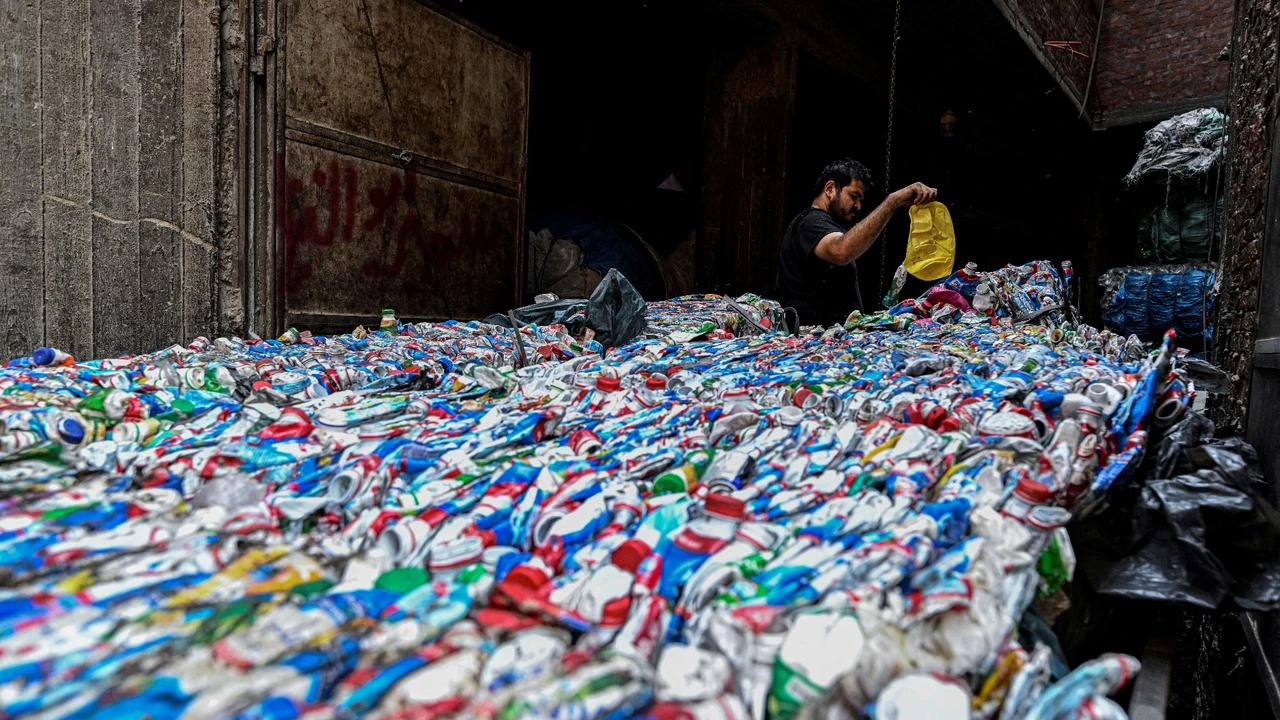
"Before the war, we were the ones calling factories, trying to sell our material. But after the war broke out, the factories started calling us. They'd ask: How much do you have? Can you deliver today? That never used to happen," said recycling specialist Peter Romany to AFP.
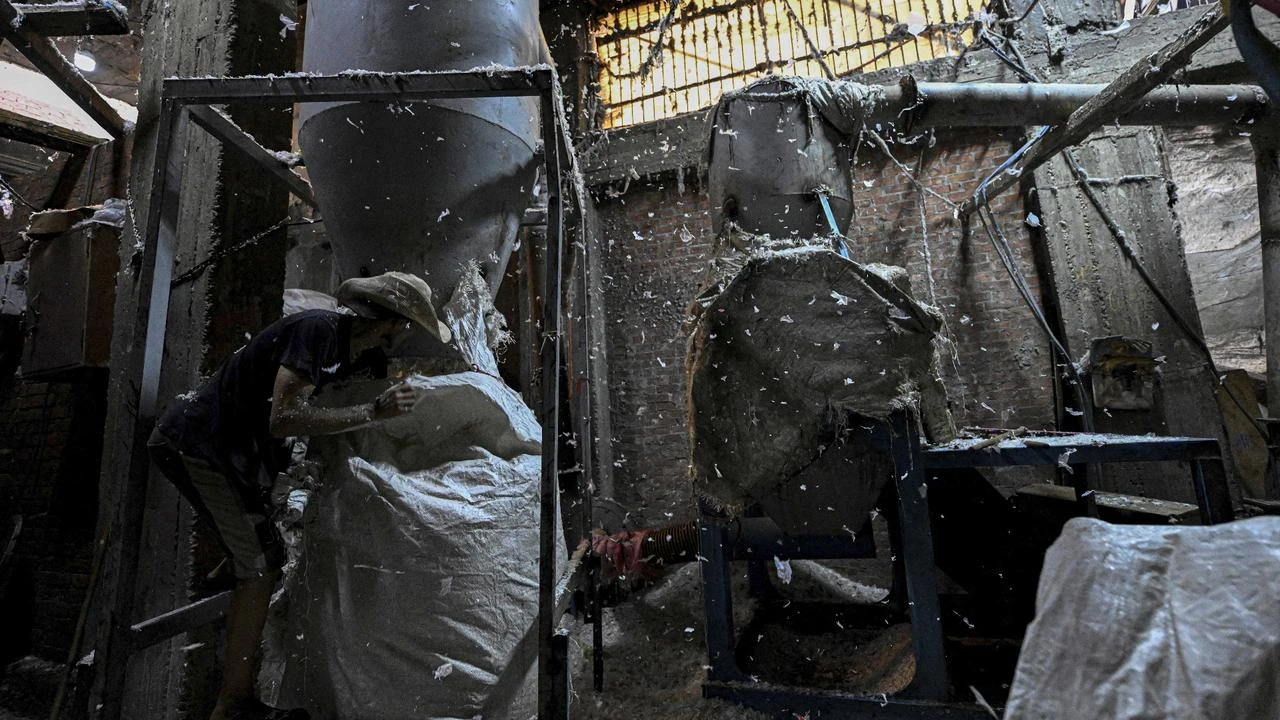
Romany specializes in recycled polyethylene, one of the world's most widely used plastics and in packaging.
According to the pricing agency Independent Commodity Intelligence Services (ICIS), the Middle East is a major global supplier of polyethylene, with around 85% of its exports passing through the strait.
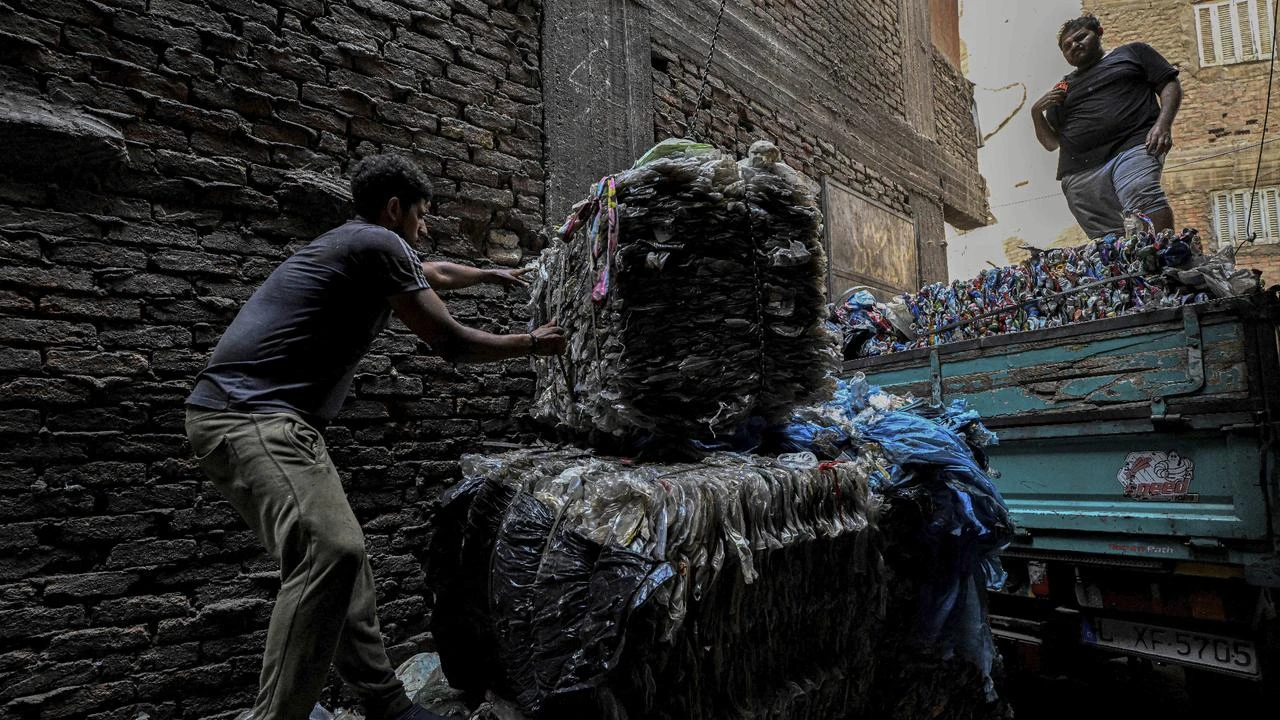
Factories that would normally delay payment started paying cash upfront, said Rizq Yousif, who mainly recycles PET, the plastic used in beverage and food packaging.
He told AFP demand had tripled, with prices for some recycled plastics rising by up to 60%.
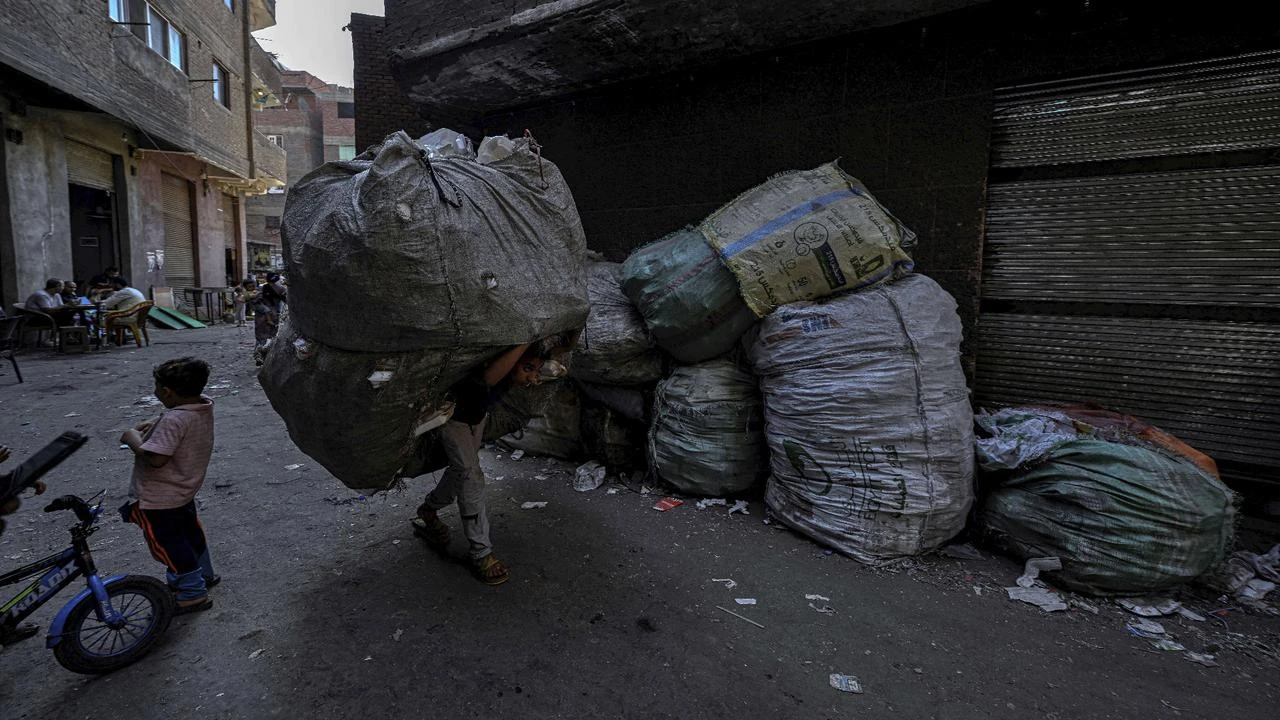
The smell of rubbish hangs heavy in the air as pickup trucks and handcarts crawl through narrow alleyways, unloading the day's collections while children weave between them chasing footballs.
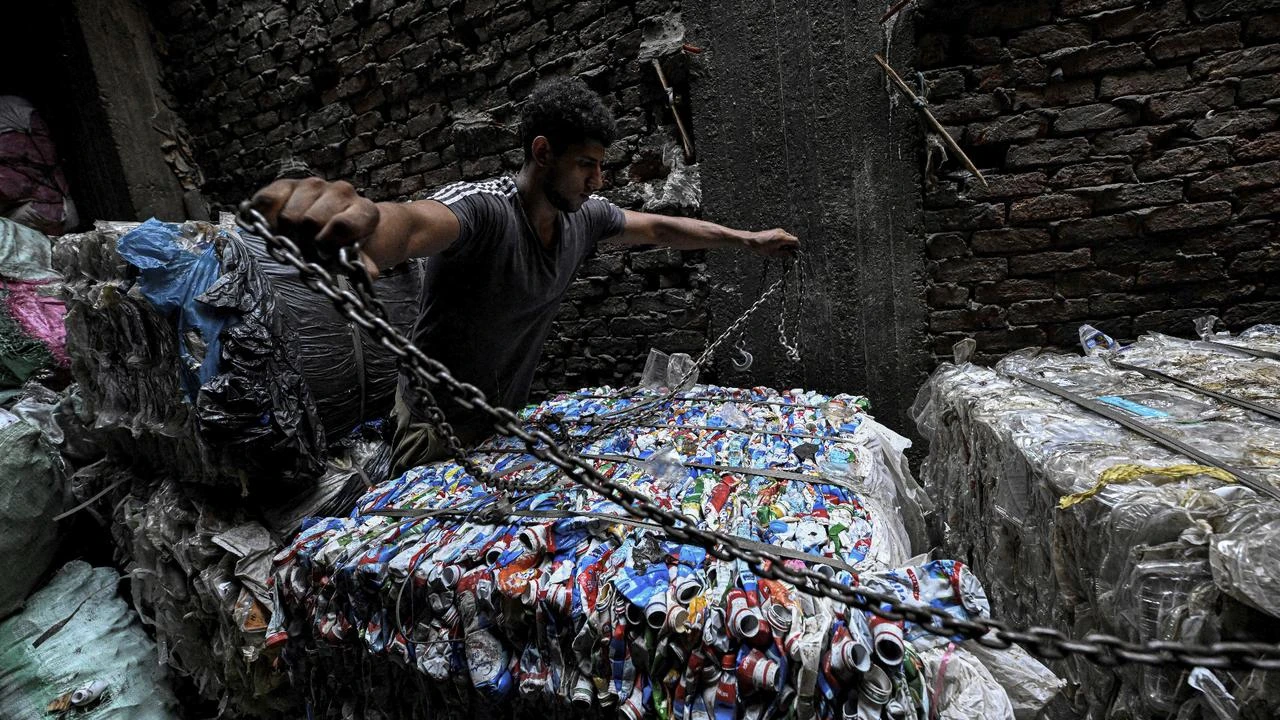
Yousif said prices and demand began easing shortly after Trump announced last month that negotiations with Iran were progressing: "Just one post dropped the market."
Orders have already picked back up, according to both Romany and Yousif. "Whenever there's trouble there, the customers start calling us.”


 Set as preferred source

 1 min read