Newsletters


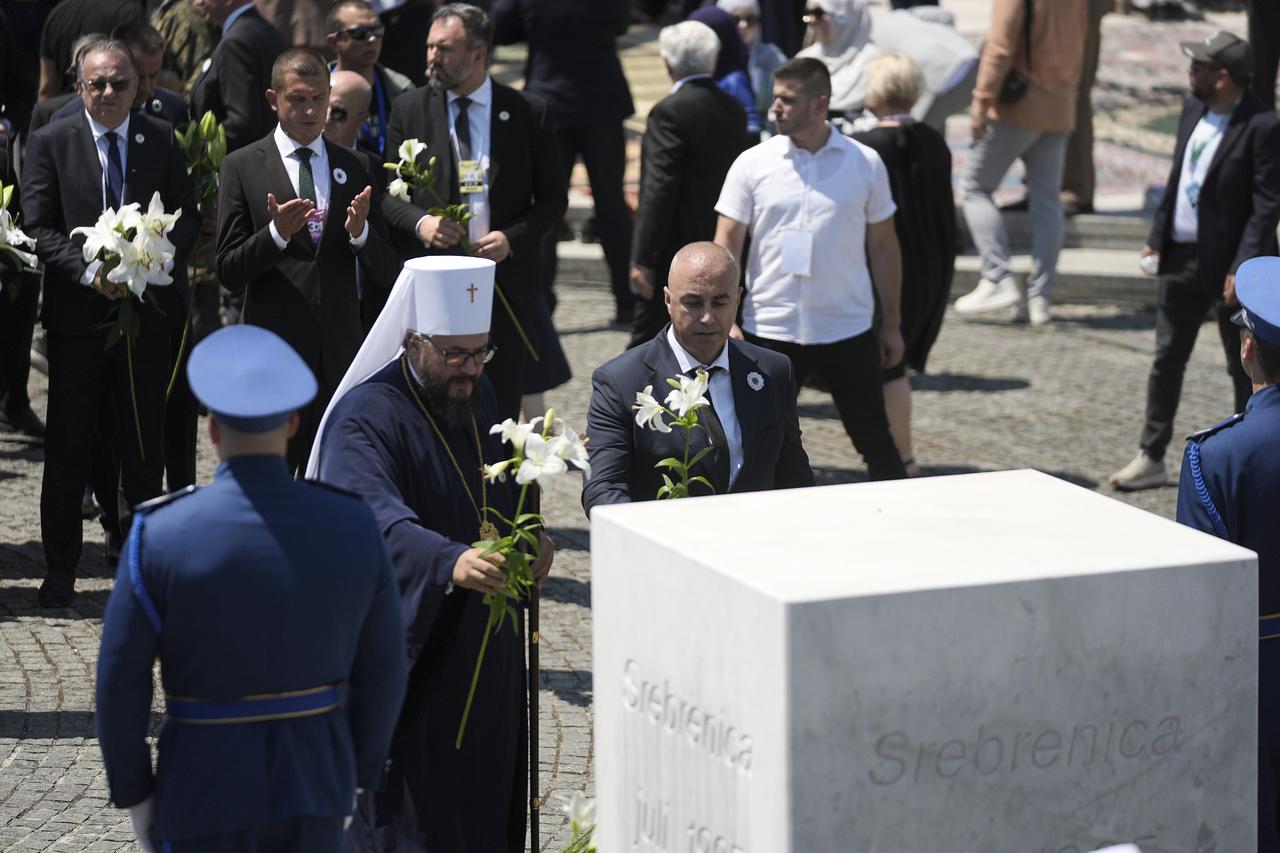


President Recep Tayyip Erdogan commemorated the victims of the Srebrenica genocide on its 31st anniversary, saying Türkiye would never forget the massacre in which at least 8,372 Bosniak Muslims were killed in July 1995.
In a post on social media, Erdogan said he remembered all Bosniak victims killed in Srebrenica with mercy and sorrow.
"On the 31st anniversary of Srebrenica, one of the most brutal genocides in history, I remember with mercy and sorrow all our Bosniak brothers who were massacred," Erdogan said.
"I respectfully commemorate the cherished memory of our martyrs and wish patience to their families and loved ones. We will never forget Srebrenica," he added.
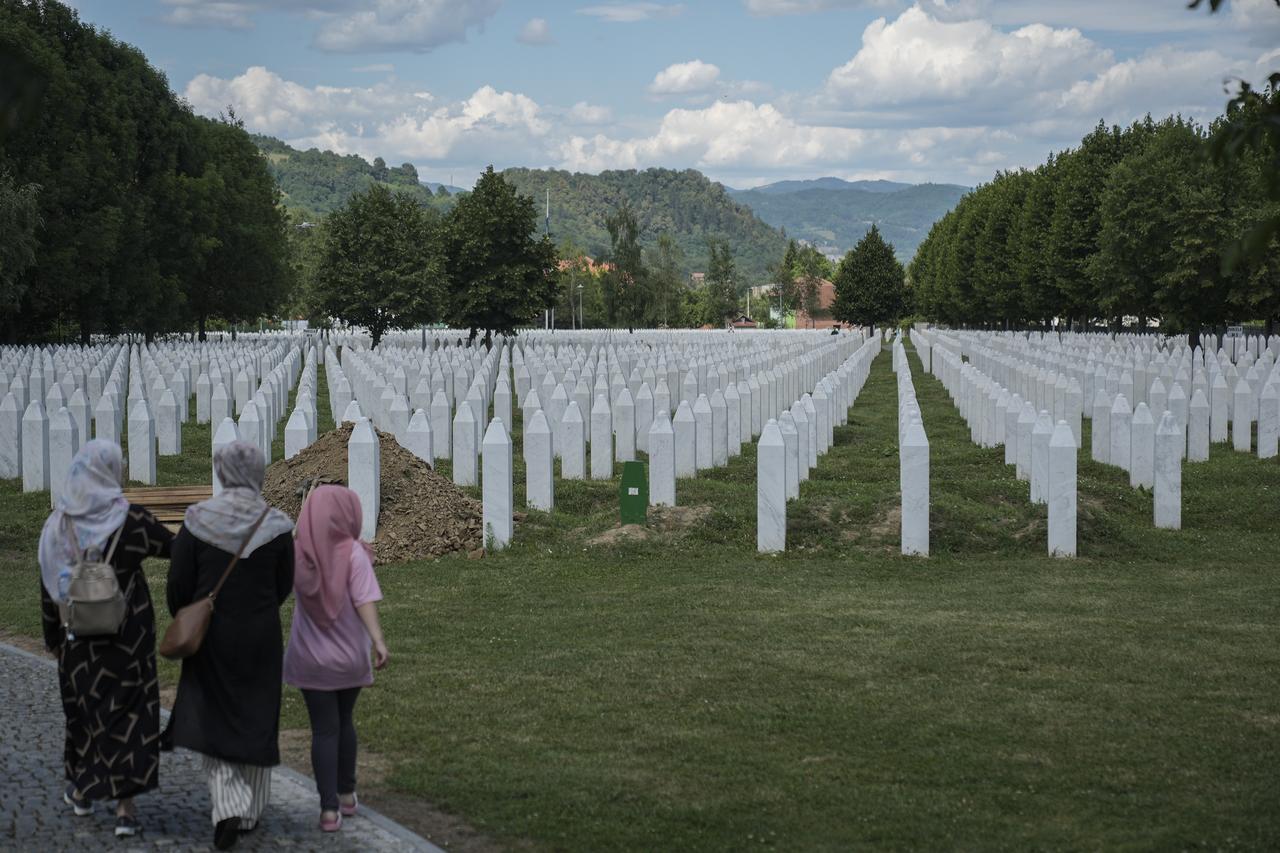

The anniversary comes as 10 more identified victims of the Srebrenica genocide are being buried after a funeral ceremony in eastern Bosnia and Herzegovina.
A commemoration program is being held at the Srebrenica Memorial Center before the funeral prayer for the victims, whose remains were identified and approved by their families for burial.
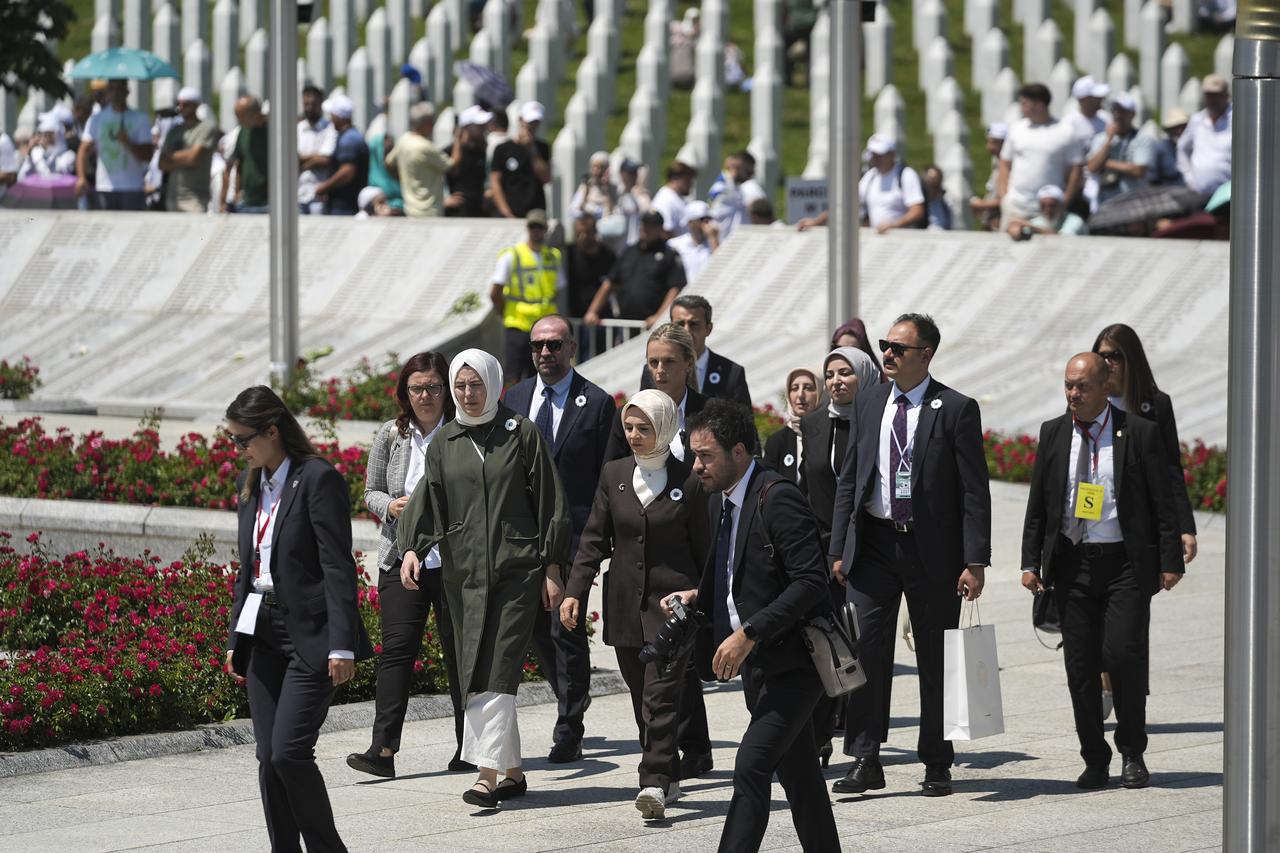
Senior state officials, ambassadors, guests and relatives of genocide victims from several countries, including Türkiye, are attending the memorial events.
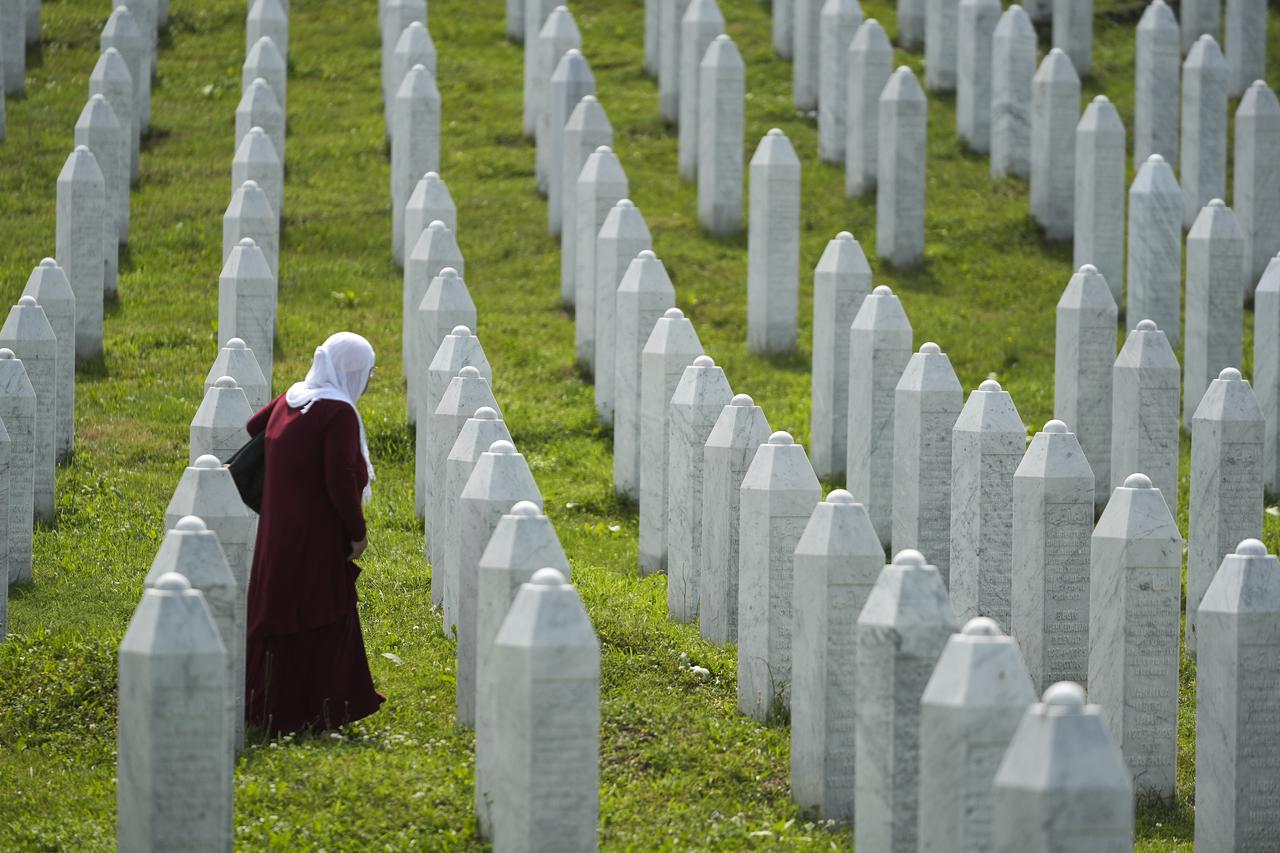
The 10 victims will be buried at the Potocari Memorial Cemetery, bringing the number of genocide victims buried there to 6,782.
The youngest of the 10 victims being buried during the 31st anniversary commemorations is Senad Jusic, who was 20 when he was killed. The oldest is Ramo Dautovic, who was 56 when he was killed.
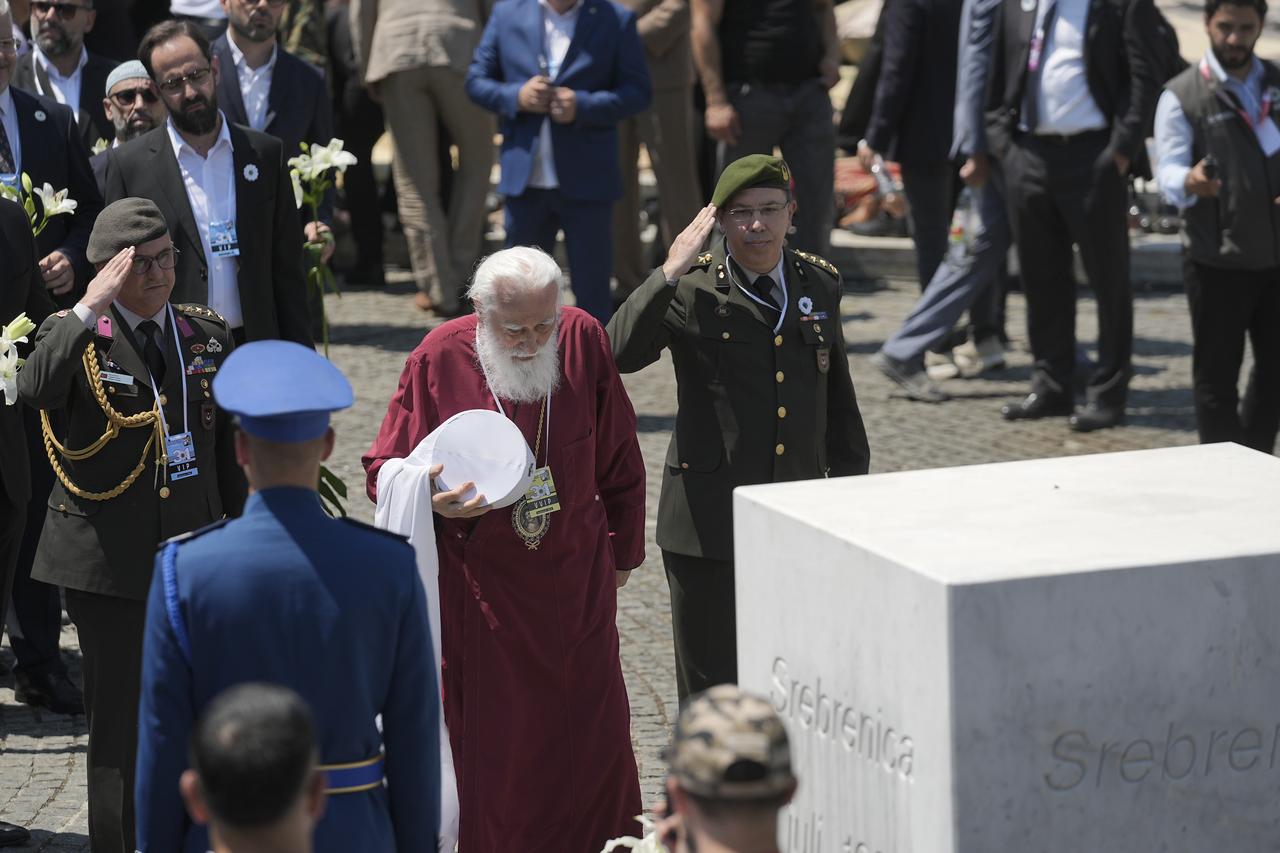
Srebrenica was captured on July 11, 1995, by Serb forces under the command of Ratko Mladic.
After the town was occupied, Bosniak civilians who had sought refuge with Dutch soldiers serving under the U.N. were handed over to Serb forces.
Serb forces allowed women and children to move toward territory controlled by Bosniak soldiers, while at least 8,372 Bosniak men were killed in forests, factories and warehouses.
The victims were later buried in mass graves.
The massacre lasted for five days and became known as one of the gravest human tragedies in Europe after World War II.
Bosnia and Herzegovina declared independence in 1992 through a referendum led by Alija Izetbegovic after the breakup of Yugoslavia during the wars of 1986-1992.
The independence decision was recognized by the U.S., Western countries and the U.N., but Serb forces moved to remove Bosniaks and Croats from the region. Many Bosniak towns were occupied in a short time.
When Srebrenica was declared a safe zone, Bosniaks had handed over their weapons. As Serb forces approached the town, civilians asked Dutch U.N. soldiers for protection and later requested the return of their weapons, but both requests were rejected.
As a result, the Bosniaks in Srebrenica were left defenseless.
After Srebrenica was occupied, some Muslims in the town sought shelter with Dutch soldiers stationed at a former battery factory across from today's memorial cemetery.
Others chose a forest route to reach territory controlled by Bosniak soldiers.
Thousands of Bosniaks who took the forest route, later known among the public as the "Death Road," were killed in ambushes by Serb soldiers.
Those who took shelter with Dutch soldiers also faced separation and deportation. Serb soldiers entered the former battery factory on the first night, conducted identity checks and took some men away.
The next day, Serb soldiers waiting outside the camp separated men from their families as women and children were placed on buses.
The men were later killed and buried in different mass graves, while women and children were expelled from their homes.
The International Court of Justice in The Hague ruled in 2007, based on evidence from the International Criminal Tribunal for the former Yugoslavia, that the events in and around Srebrenica constituted genocide.
Mladic was sentenced to life in prison by the ICTY for several crimes, including the Srebrenica genocide.
In 2016, the same court sentenced former Bosnian Serb leader Radovan Karadzic to 40 years in prison for 10 crimes, including the Srebrenica genocide.
In Srebrenica-related cases heard in different courts, 45 Serbs have so far received a total of 699 years in prison.
Former Serbian President Slobodan Milosevic was also accused of genocide in Srebrenica but died in prison while his trial was ongoing.
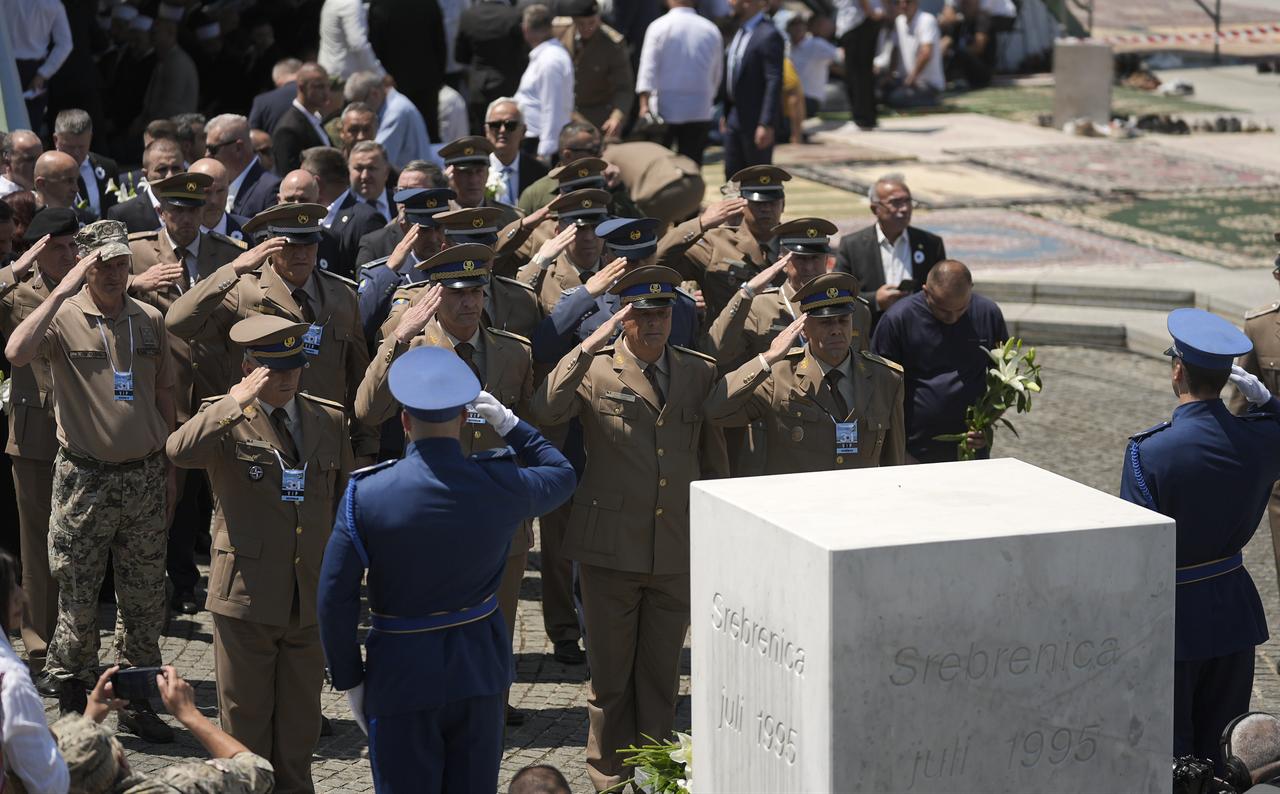
After the war, efforts began to locate missing victims in mass graves. Their remains are identified before being buried every year on July 11 in ceremonies at the Potocari Memorial Cemetery.
So far, 250 victims have been buried in local cemeteries at the request of their families.
More than 1,000 people killed in the Srebrenica genocide have still not been found.
Bosnian families continue searching for the mass graves of victims decades after the massacre.
The Srebrenica flower has become a symbol of the genocide. Its 11 petals represent the day of the massacre, July 11, 1995, while its white color symbolizes innocence.


 Set as preferred source
 Set as preferred source


 1 min read
 1 min read