Newsletters




Italian Defense Minister Guido Crosetto said European defense should not be limited to the borders of the European Union, calling instead for a continental-scale defense framework extending to partnerships with the United Kingdom, Norway, Türkiye and Ukraine.
Speaking to Italian newspaper La Stampa, Crosetto assessed signals that the United States intends to reduce its engagement in Europe, saying Europe could only "hope" that Washington's strategic rebalancing toward the Indo-Pacific would happen "gradually" rather than abruptly.
Crosetto said Europe's forward-looking response needed to be comprehensive.
"The response to be given in the long term must be a perspective of strengthened defense that is not limited solely to EU borders, but is geographically continental in a genuine sense, extending to partnerships to be built with the United Kingdom, Norway, Switzerland, Moldova, the Western Balkans, Türkiye and Ukraine," he said.
Crosetto said governments could no longer limit themselves to planning capabilities that would be available in 10 or 15 years, arguing the security landscape would look completely different by then.
He also said a national and European-level center to counter hybrid warfare is needed.

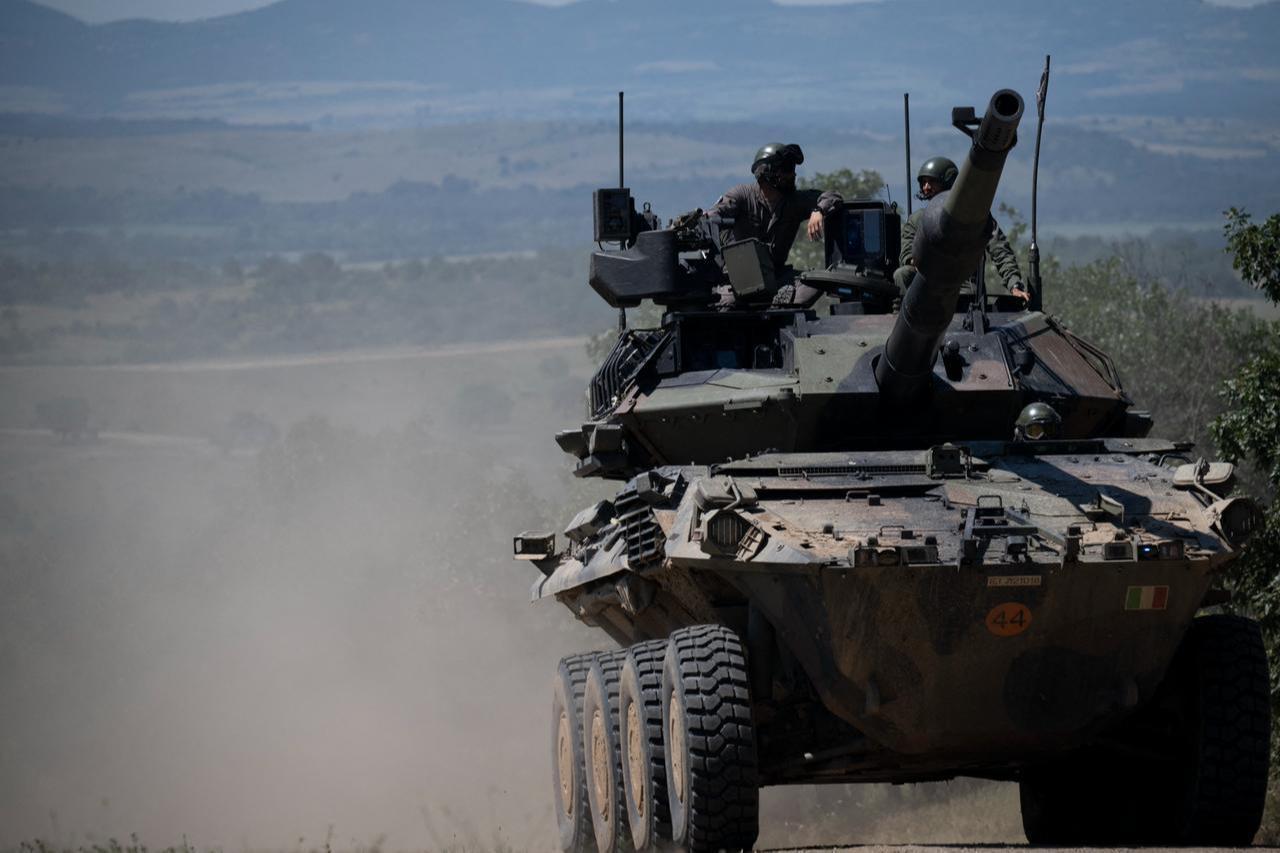
According to La Stampa, Crosetto's remarks are grounded in a roughly 60-page strategic policy document, the "Atto di indirizzo," that lays out the Italian Defense Ministry's priorities for the 2027-2029 budget cycle, which the newspaper said it had reviewed.
The document states that governments "can no longer limit themselves to planning capabilities that will be available in ten or fifteen years, when the scenario will have completely changed," La Stampa reported.
The document identifies satellite communications as an immediate capability gap, according to the Italian media outlet.
While Italy's medium-to-long-term goal is "national and European" sovereignty over space technology, the document reportedly calls for a near-term "gap filler" solution using an operator that already has an adequate satellite constellation to ensure coverage and service continuity, a reference, La Stampa reported, to Europe's Iris² program (roughly 300 low-orbit satellites, led by French company Eutelsat) and the Italy-France Bromo project, an alliance among Airbus, Leonardo and Thales intended to create an industrial competitor to Starlink.
La Stampa noted that Starlink itself, while a source of political controversy within Italy's Prime Minister Giorgia Meloni's government for roughly three years, remains available as a transitional option that the document appears to reference.
La Stampa reported the document also identifies undersea infrastructure, cables carrying much of the world's communications, along with gas and oil pipelines, as a strategic domain requiring greater attention, describing such infrastructure as "less visible but no less critical" and vulnerable to sabotage that is "as simple as it is difficult to attribute."
According to La Stampa, the document identifies cybersecurity as one of the most pressing challenges for governments, spanning decision-making centers, networks, and critical infrastructure, and says the rise of generative artificial intelligence has introduced new risks by enabling the near-costless production of large volumes of content that can "pollute the information environment."
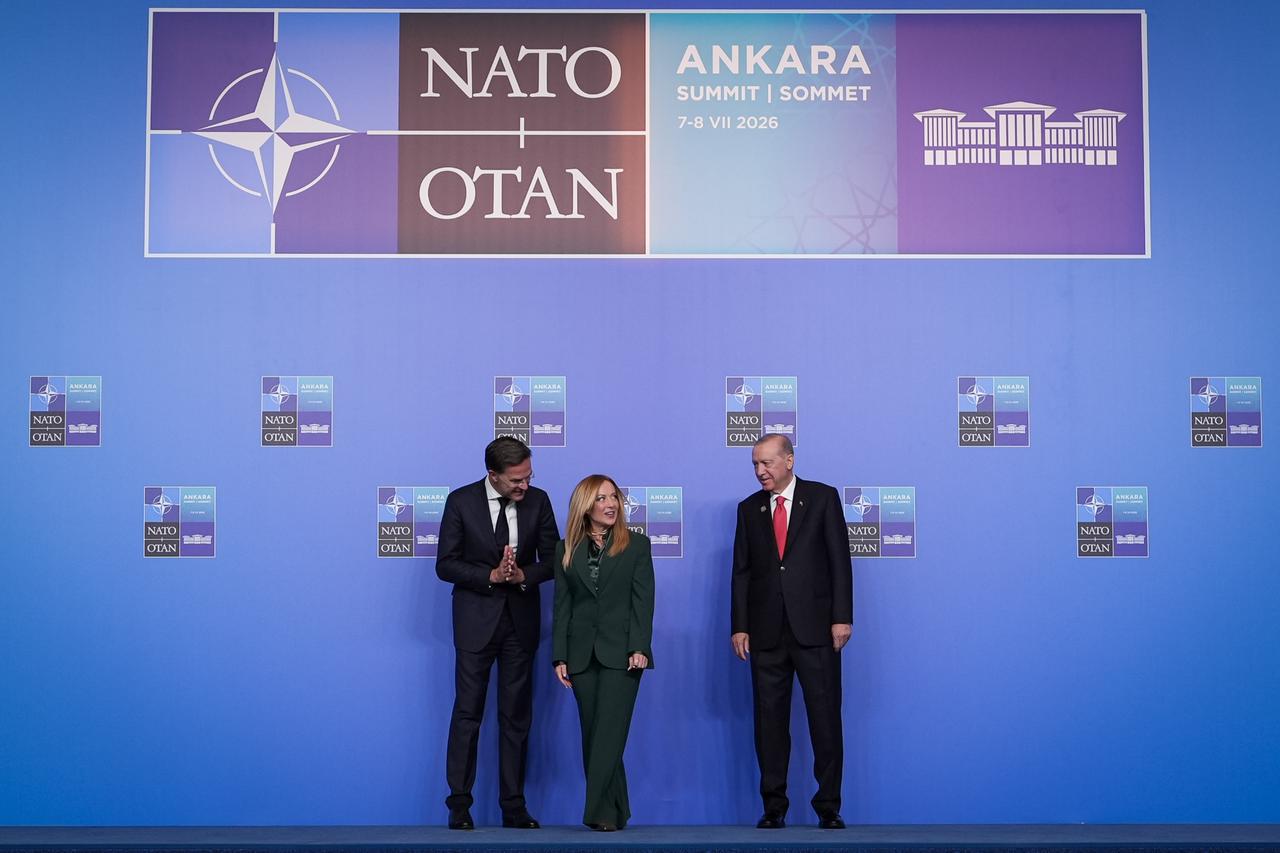
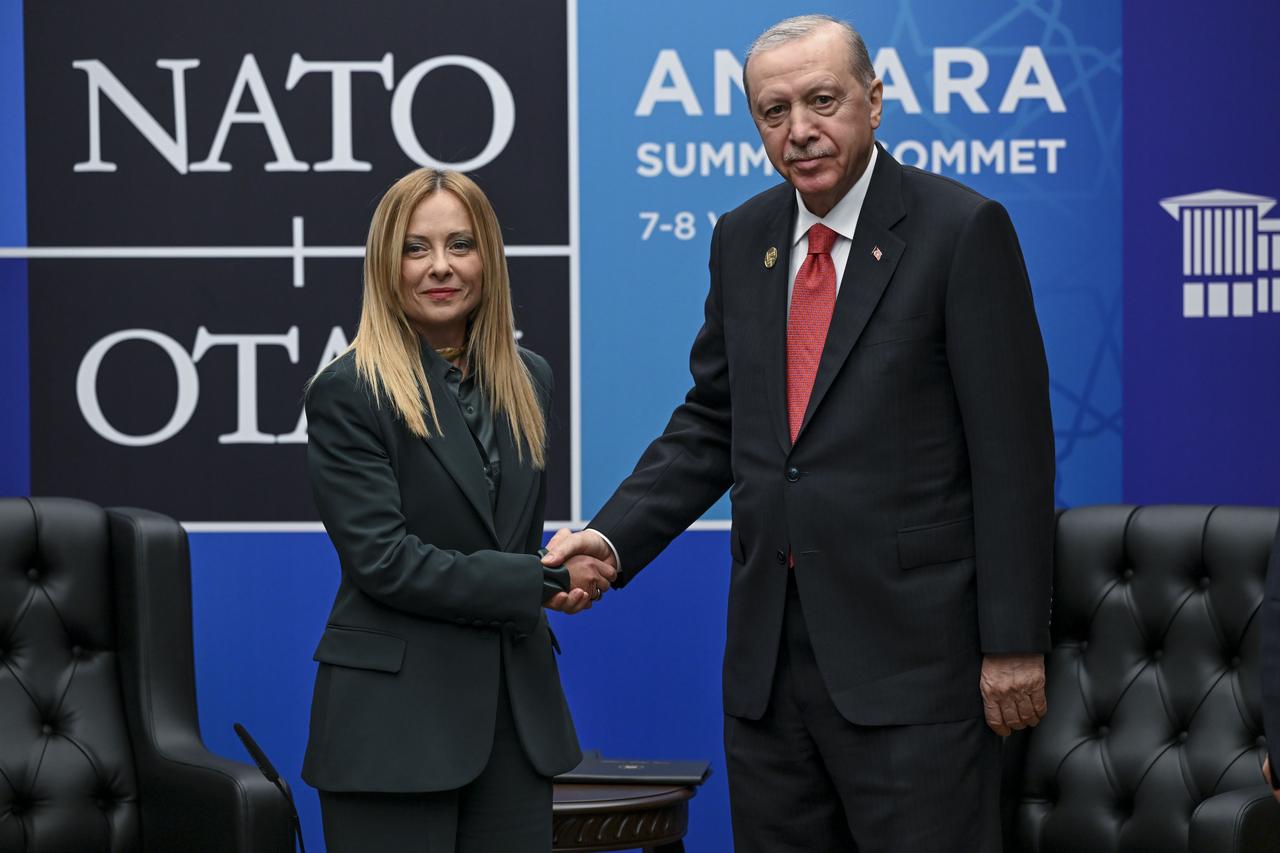
La Stampa reported that Russia remains the principal source of this threat, according to Crosetto, who reiterated the point on the sidelines of the NATO Ankara summit, a few hours after the arrests in Rome of two former Italian intelligence agents alleged to have been paid by officials at the Russian embassy in Rome.
To counter what La Stampa described as hostile hacking and disinformation, the document reportedly proposes establishing "a national and European center to counter hybrid warfare" to enable smoother exchange of tools and information among allies against cyberattacks, propaganda, information manipulation, and hostile cognitive campaigns.


 Set as preferred source
 Set as preferred source



 3 min read