Newsletters


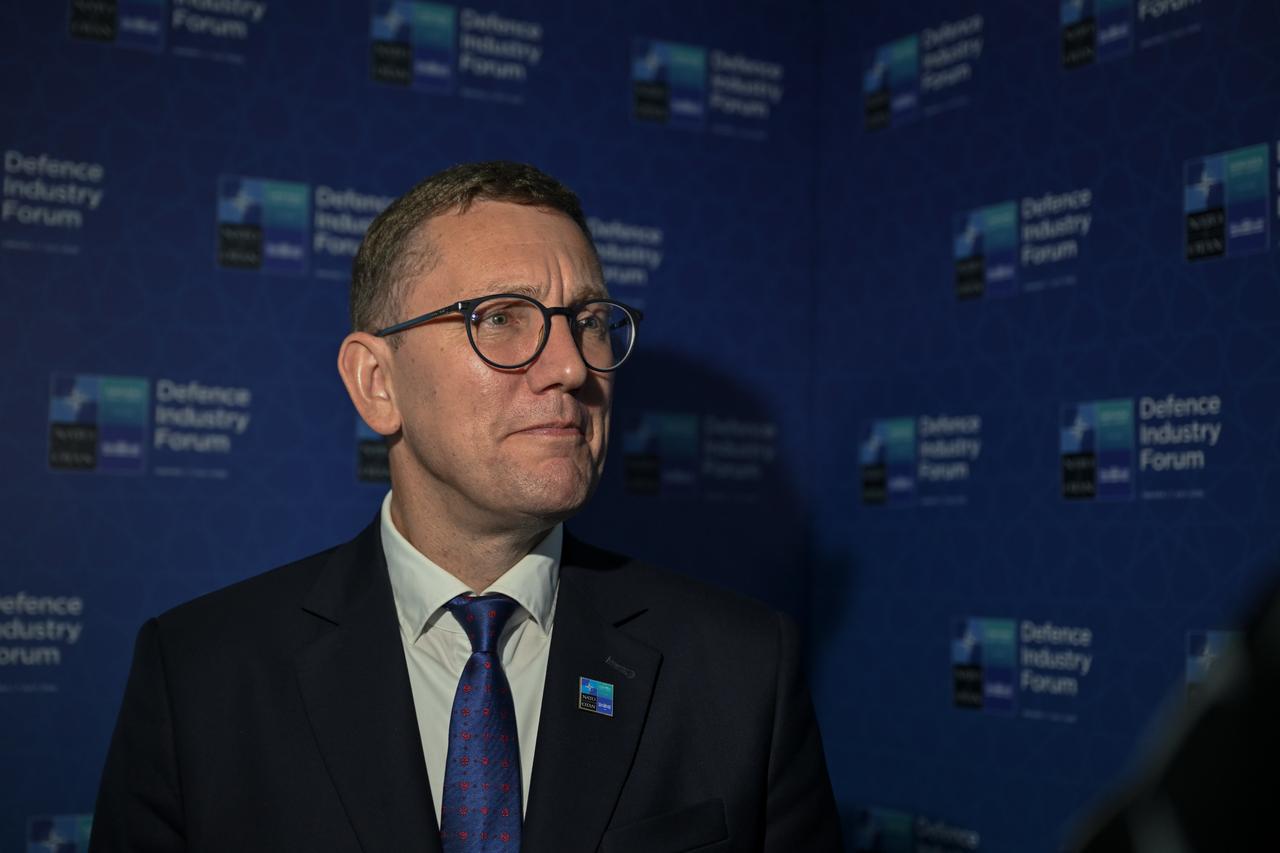


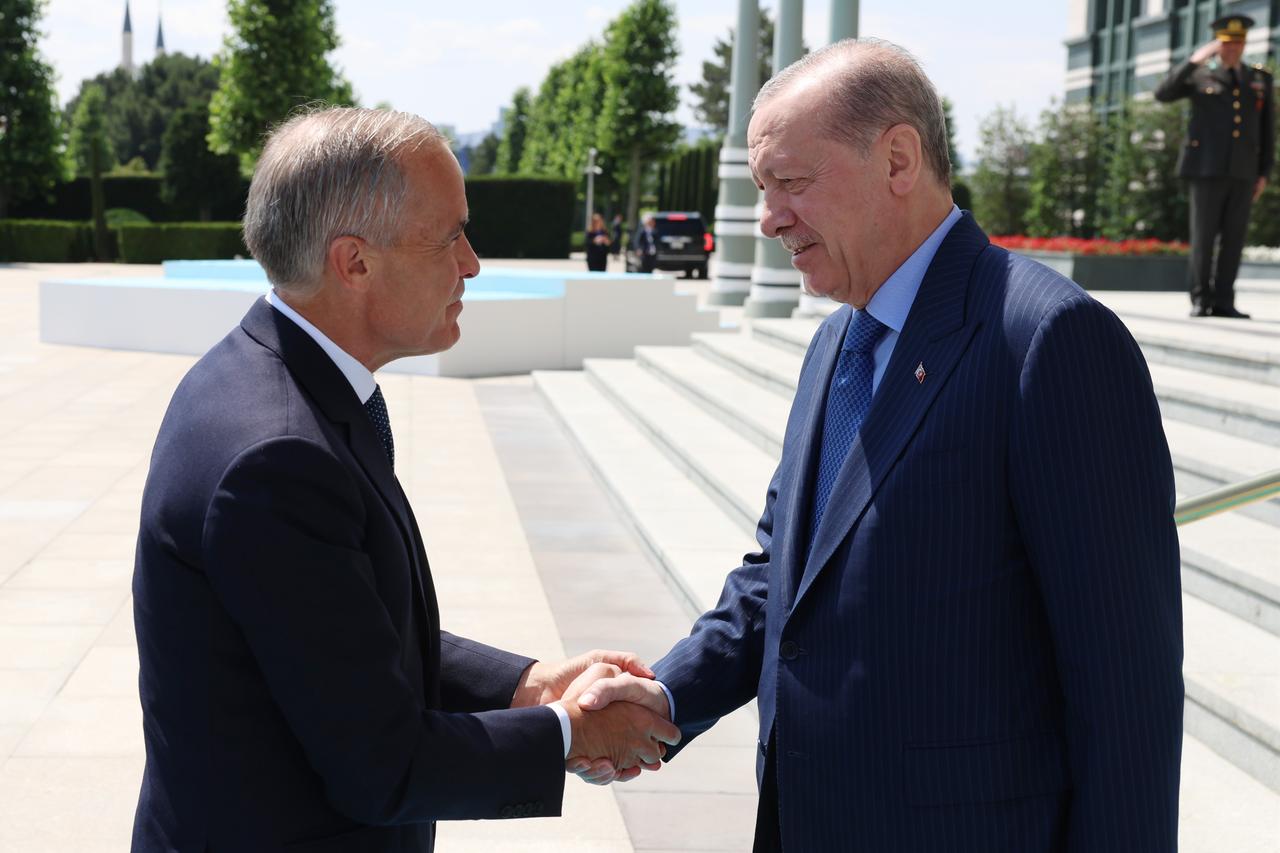
Estonian Prime Minister Kristen Michal said Tuesday that Estonia has emerged as one of Türkiye's closest partners in northern Europe, citing expanding defense industry cooperation and a growing record of bilateral military collaboration within NATO.
"Taking our size into account, we are probably the best partners for Türkiye in Scandinavia or the Baltic," Michal told Anadolu Agency on the sidelines of the 36th NATO Summit of Heads of State and Government, hosted in Ankara.
Michal described the bilateral relationship as grounded in concrete industrial cooperation, noting that Turkish defense companies have established a manufacturing presence on Estonian soil.
"We have very good cooperation with the Turkish defense industry. Turkish companies also produce in Estonia," he said, adding that he considered Estonia a strong partner for Türkiye.
He pointed to armored vehicles produced by Turkish manufacturer Nurol Makina, under the ARCA designation, as a practical example of that partnership in action.
"Estonia is now something like a reference country for your armored vehicles," Michal said, adding that the Estonian military has been satisfied with the platform and deploys it in multiple roles.
He also announced that ARCA Defense is set to conduct production of 155-caliber ammunition within Estonia's defense industry park, marking a further deepening of the industrial relationship.
Michal expressed gratitude toward Türkiye for its contribution to Estonian and broader Baltic air security, an area of acute concern for the region since Russia's full-scale invasion of Ukraine in 2022.
The three Baltic states, Estonia, Latvia, and Lithuania, share NATO's eastern flank and have consistently pushed for stronger allied presence and air policing arrangements.
Reflecting on the summit's significance for his country, Michal noted that Estonia joined NATO in 2004, the same year a NATO summit was held in Türkiye, giving the Ankara meeting a particular historical resonance for Tallinn.
He outlined the summit's core agenda as encompassing increased defense spending and investment, continued support for Ukraine, and the development of allied defense industries.
Looking to the summit's broader purpose, Michal expressed hope that Ankara would be remembered as a turning point in demonstrating alliance cohesion.
"I hope that the Ankara Summit will go down in history as a summit where the allies said they are united, they are strong," he said, adding a direct warning to adversaries: that Russia and others should not make the mistake of standing against NATO and its members. "Expectations are high," he concluded.
The 36th NATO summit in Ankara marks a significant moment for the alliance, bringing together heads of state and government to address collective defense priorities at a time of sustained pressure on Europe's eastern flank.


 Set as preferred source
 Set as preferred source


 1 min read
 1 min read