Newsletters


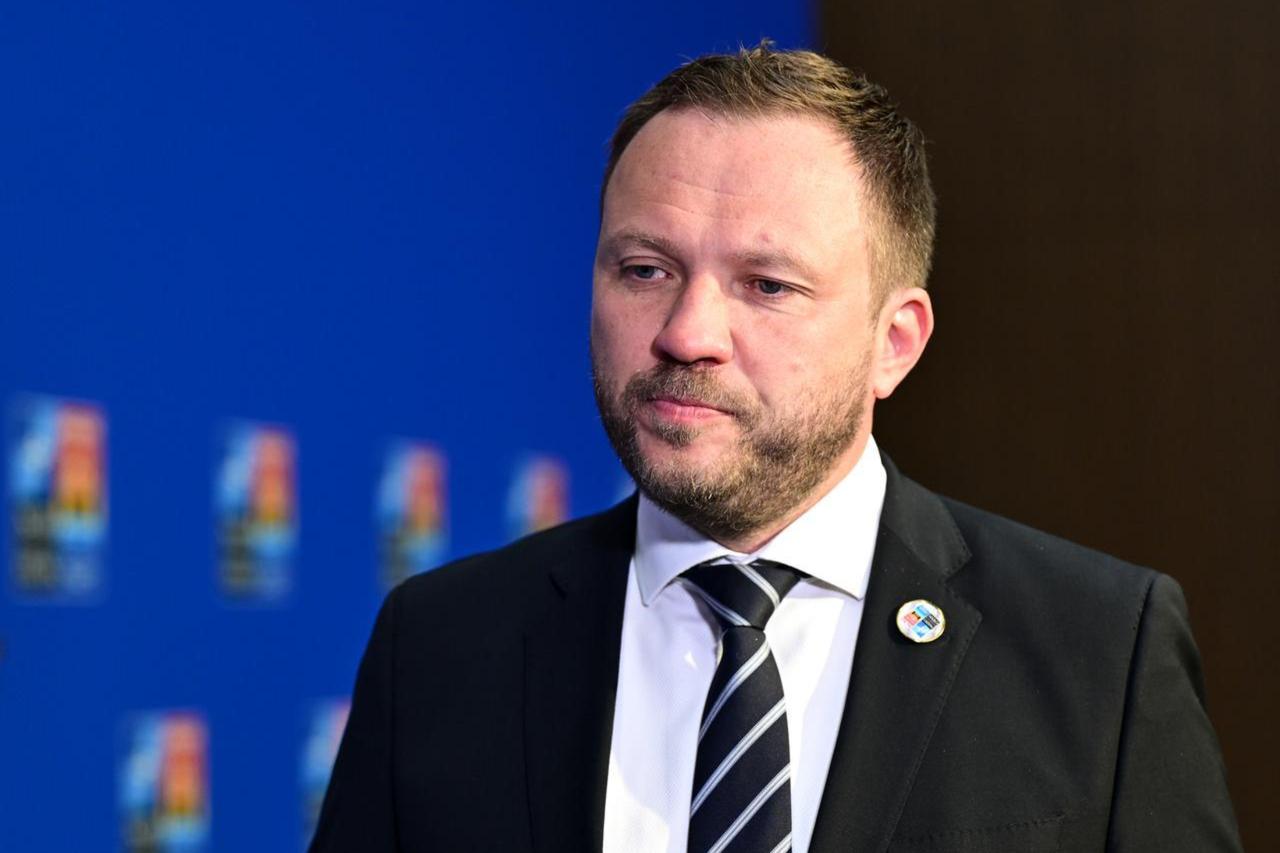


Estonia summoned Russia's charge d'affaires ad interim on Thursday to formally protest what Tallinn described as Moscow's sustained disinformation campaign targeting Estonia and the broader Baltic region, as tensions over Russian information operations along NATO's northeastern flank showed no sign of easing.
Foreign Minister Margus Tsahkna said the Foreign Ministry condemned Russia's "false accusations, threats and deliberate provocations," and demanded that Moscow immediately cease spreading what Estonia characterized as deliberate falsehoods.
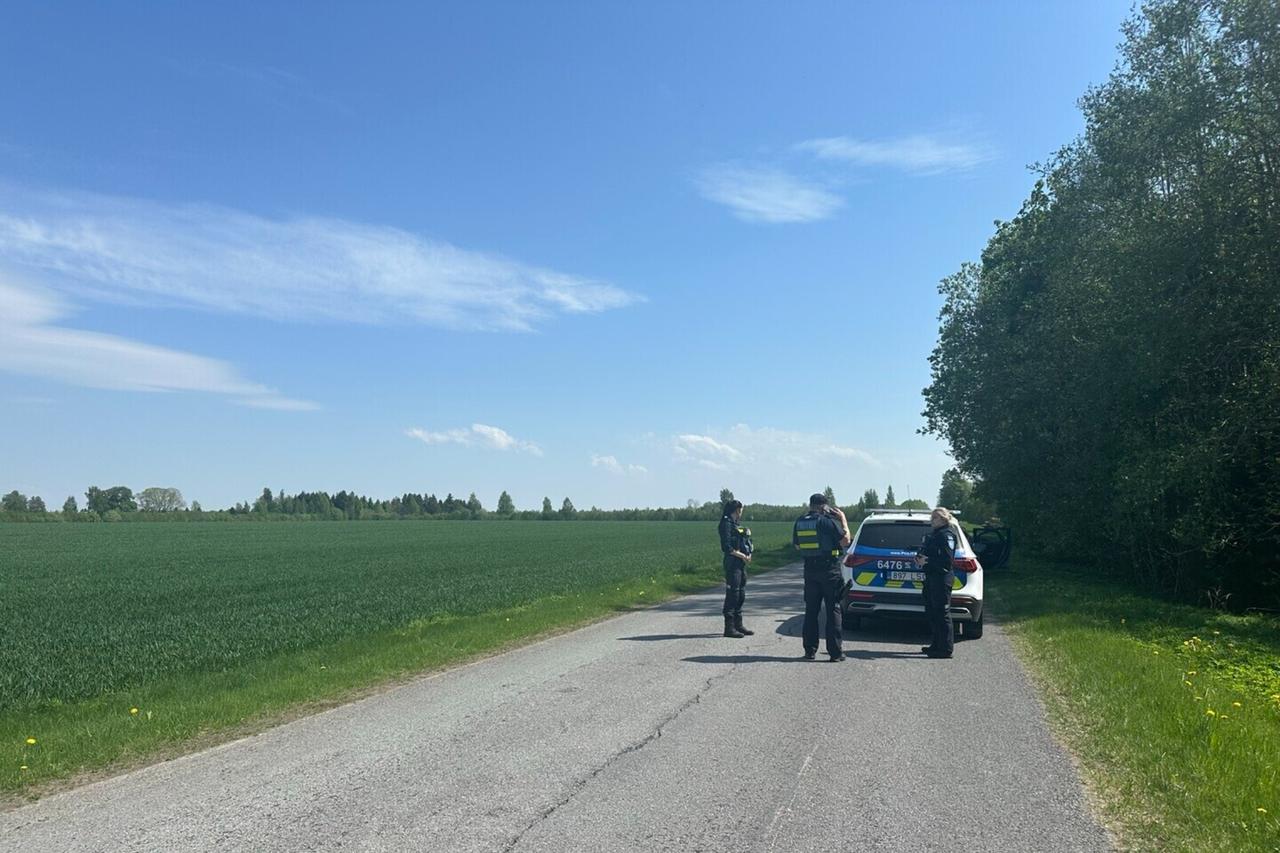
At the center of the dispute are Russian claims that Estonia has permitted its territory or airspace to be used for drone attacks against targets inside Russia, an allegation Tallinn flatly rejected. "Estonia has not allowed its territory or airspace to be used for attacks against Russia," Tsahkna wrote on X. "These claims are false and Russia knows it."
The minister tied the presence of drones in the Baltic region directly to the war in Ukraine, calling it "a direct consequence of Russia's illegal war of aggression." He added that Ukraine retains the right to strike military targets sustaining Russia's war effort, framing Kyiv's actions as legitimate self-defense under international law.
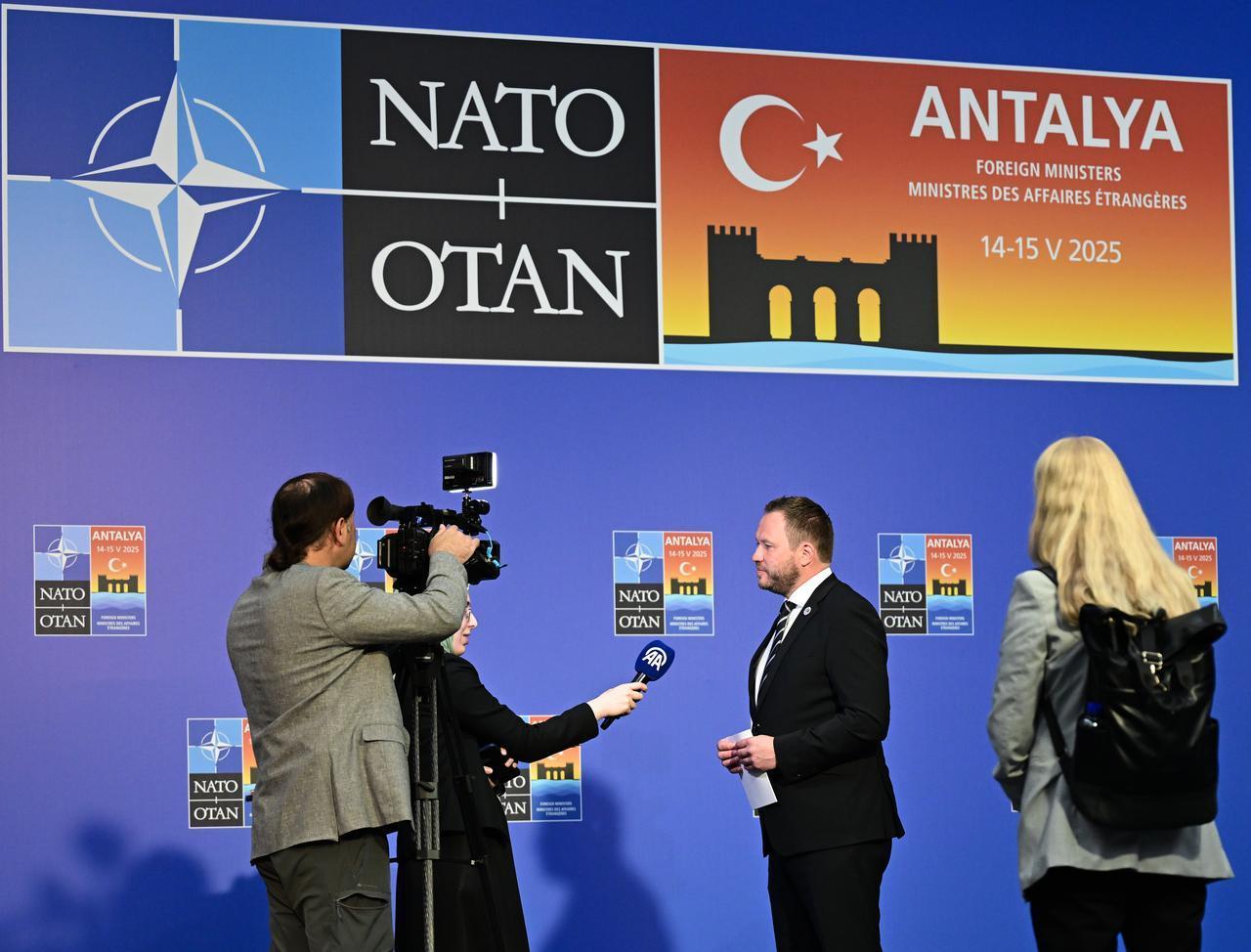

Tsahkna used the incident to reinforce the alliance dimension of Estonia's response, warning Moscow that intimidation tactics would not deter Tallinn. "A threat against one NATO ally is a threat against the whole alliance," he said, "and our allies stand united behind us."
Estonia is one of three Baltic states, alongside Latvia and Lithuania, that are NATO members and share borders or maritime proximity with Russia. All three states have been consistent targets of what Western governments and researchers describe as a long-running Russian hybrid warfare strategy that combines disinformation with cyberattacks and political interference.
Estonia in particular has been on the front line of such operations since at least 2007, when coordinated cyberattacks struck government and financial infrastructure following a dispute over the relocation of a Soviet-era war memorial in Tallinn.
Thursday's summoning is part of a broader pattern of Baltic diplomatic pushback against Moscow in recent months. Latvia similarly summoned Russia's charge d'affaires earlier this week after Russia's Foreign Intelligence Service alleged that Ukrainian drones were being launched from Latvian territory, a claim Riga also rejected as disinformation.
The foreign ministers of Estonia, Latvia and Lithuania have issued joint statements categorically dismissing Russian claims about Baltic territorial involvement, calling them "completely baseless" and accusing Moscow of continuing to spread falsehoods even after receiving official diplomatic rebuttals.
Russia has not publicly responded to Thursday's summoning.


 Set as preferred source
 Set as preferred source


 1 min read
 1 min read