Newsletters


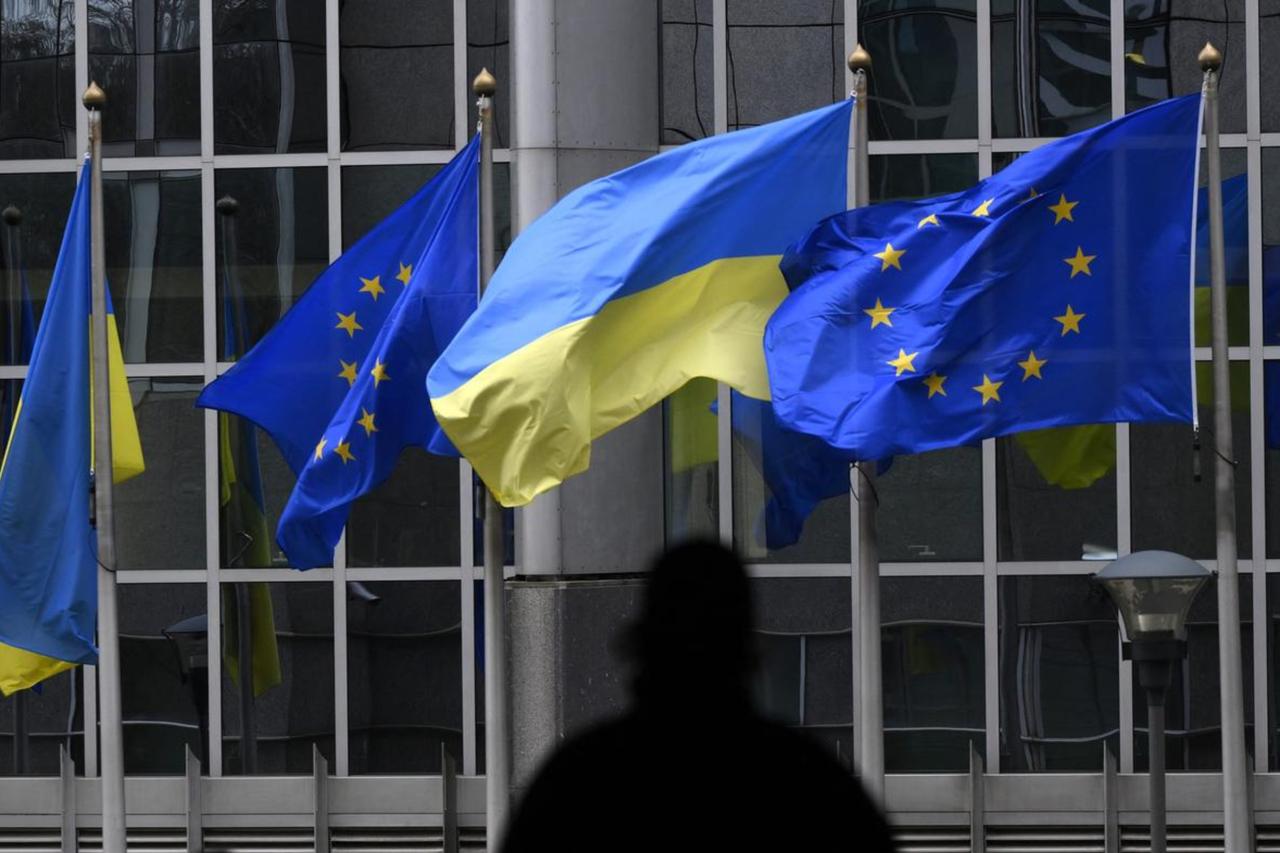


European Union foreign ministers moved Ukraine’s membership bid into its next stage Monday by formally opening negotiations on the first cluster of EU laws, ending a delay that had stalled Kyiv’s progress for about two years.
The 27-nation bloc also advanced neighboring Moldova’s application, beginning talks on the legal and institutional reforms required under the accession process.
The step followed an agreement between Hungary and Ukraine on minority rights, which cleared the way for Budapest to support opening the first negotiating cluster.
European Commission spokesperson Guillaume Mercier said the agreement represented an important breakthrough for both Ukraine and Moldova.
“This is an important step that paves the way to the opening of fundamental clusters for Ukraine and Moldova,” Mercier said.
European Commission President Ursula von der Leyen and European Council President Antonio Costa said the decision recognized the work carried out by both candidate countries despite major challenges.
“This is a recognition of the determination, courage and hard work shown by both countries in advancing reforms, even in the face of immense challenges,” they said in a joint statement.
“In a world marked by growing uncertainty, a larger European Union is in our common interest.”
Ukraine’s accession process had remained blocked for about two years as Hungary opposed further progress.
The situation changed after Peter Magyar defeated nationalist leader Viktor Orban in Hungary’s April election.
Magyar later announced that Hungary would support opening the first cluster after Budapest and Kyiv reached an agreement on guarantees for the rights of national minorities in Ukraine.
Mercier said the European Commission welcomed the constructive negotiations between the two countries.
“The commission welcomes the constructive negotiations between Hungary and Ukraine and the agreement to address the remaining issues concerning the rights of people belonging to national minorities in Ukraine,” he said.
The commission had remained in close contact with both sides during the talks and was aware of the issues under discussion, Mercier added.
“We were in close contact with both parties when they were discussing the different points,” he said.
Ukraine’s accession action plan will need to be adjusted to reflect the agreement, but the commission expects those changes to be completed quickly.
Mercier said Ukraine and Moldova had already met the technical requirements needed to move forward.
“We always start with the first cluster on fundamentals,” he said, noting that EU member states retain the final authority to approve the opening of negotiating chapters and clusters.
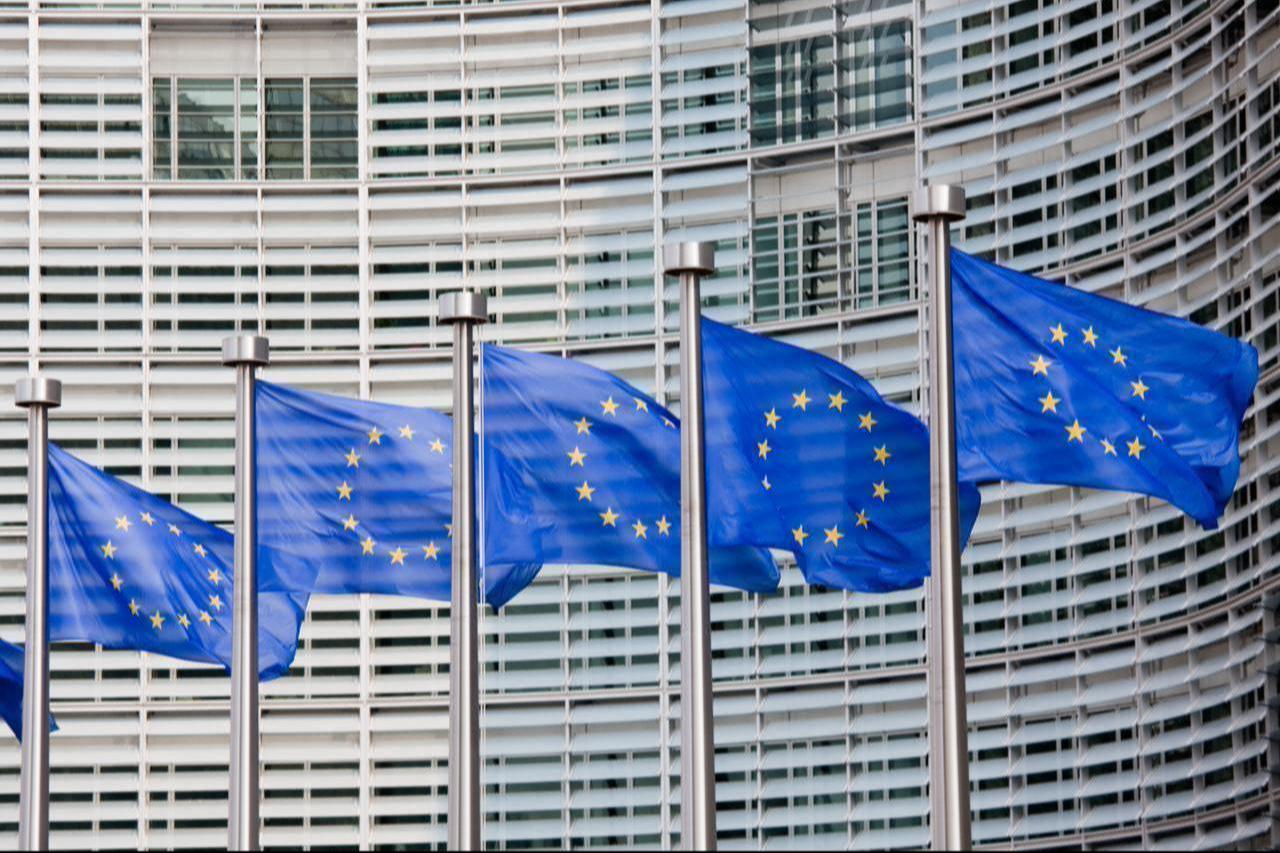

The opening of the first cluster marks a significant political step but does not mean Ukraine will join the EU soon.
Kyiv must align its laws, institutions and standards with the bloc across 35 negotiating chapters grouped into six clusters.
Those chapters cover a wide range of areas, including justice, security, agriculture, environmental policy and economic regulation.
Ukraine applied for EU membership after Russia launched its full-scale invasion, and Kyiv has repeatedly urged the bloc to accelerate the process.
However, each stage requires political approval from EU members, giving individual countries multiple opportunities to delay or block progress.
“This is a long process. Ukraine is at war. It has organized crime issues to solve. It would be the third biggest country in the EU,” a European diplomat said on condition of anonymity.
“The prospect of Ukraine enlargement happening soon never was realistic.”
Magyar has said Hungary would hold a referendum on Ukraine’s accession if Kyiv completes all negotiations within the next 10 to 15 years.
Some European leaders have raised the possibility of interim arrangements while Ukraine completes the full accession process.
German Chancellor Friedrich Merz said in April that immediate Ukrainian membership was not possible.
“It is clear to everyone that an immediate accession of Ukraine to the EU is, of course, not possible,” Merz said.
He proposed granting Ukraine “associate member” status without voting rights during the accession period.
Kyiv has viewed such suggestions cautiously, fearing that a temporary arrangement could become permanent.
Ukrainian President Volodymyr Zelenskyy has said the country’s eventual accession must be complete and include full membership rights.
Six countries, including Germany and France, have also urged the EU to consider limiting voting rights on key issues for new members and strengthening safeguards related to the rule of law.
The debate comes as Ukraine, Moldova and several Western Balkan countries seek membership.
Montenegro and Albania are currently the most advanced candidates in the process.
Concerns have also been raised that admitting several new members could make decision-making within the bloc more difficult.
Zelenskyy said opening negotiations provided important political and moral support to Ukraine.
“Ukraine is doing what is necessary, and it is important that the EU is also keeping its word,” he said on social media.
Ukraine and its supporters have called for a clearer timetable for membership, arguing that Kyiv’s accession is in the EU’s strategic interest.
Lithuanian Foreign Minister Kestutis Budrys said the bloc should prepare to admit Ukraine by 2030 if Kyiv completes the necessary reforms and negotiations.
“It’s not to say that it’s a guarantee Ukraine will be a member state in 2030,” Budrys said.
“It’s up to Ukraine, whether they will do reforms, and it’s up to negotiations.”
“But to say the European Union will be ready for it,” he added.
The opening of the first cluster allows Ukraine and Moldova to begin detailed negotiations on the fundamental reforms underpinning the wider accession process, while leaving the timing of eventual membership dependent on reforms and unanimous political approval from EU states.


 Set as preferred source
 Set as preferred source


 1 min read
 1 min read