Newsletters


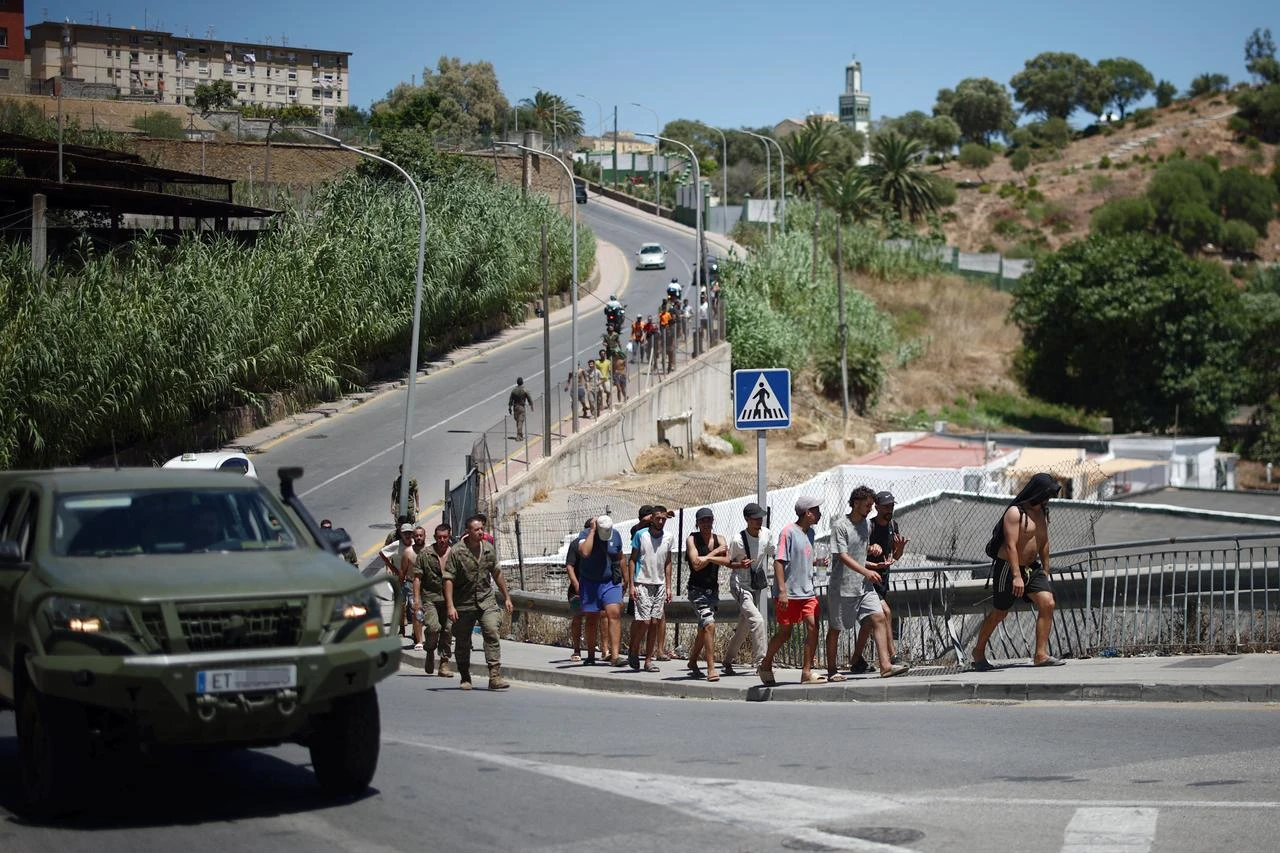


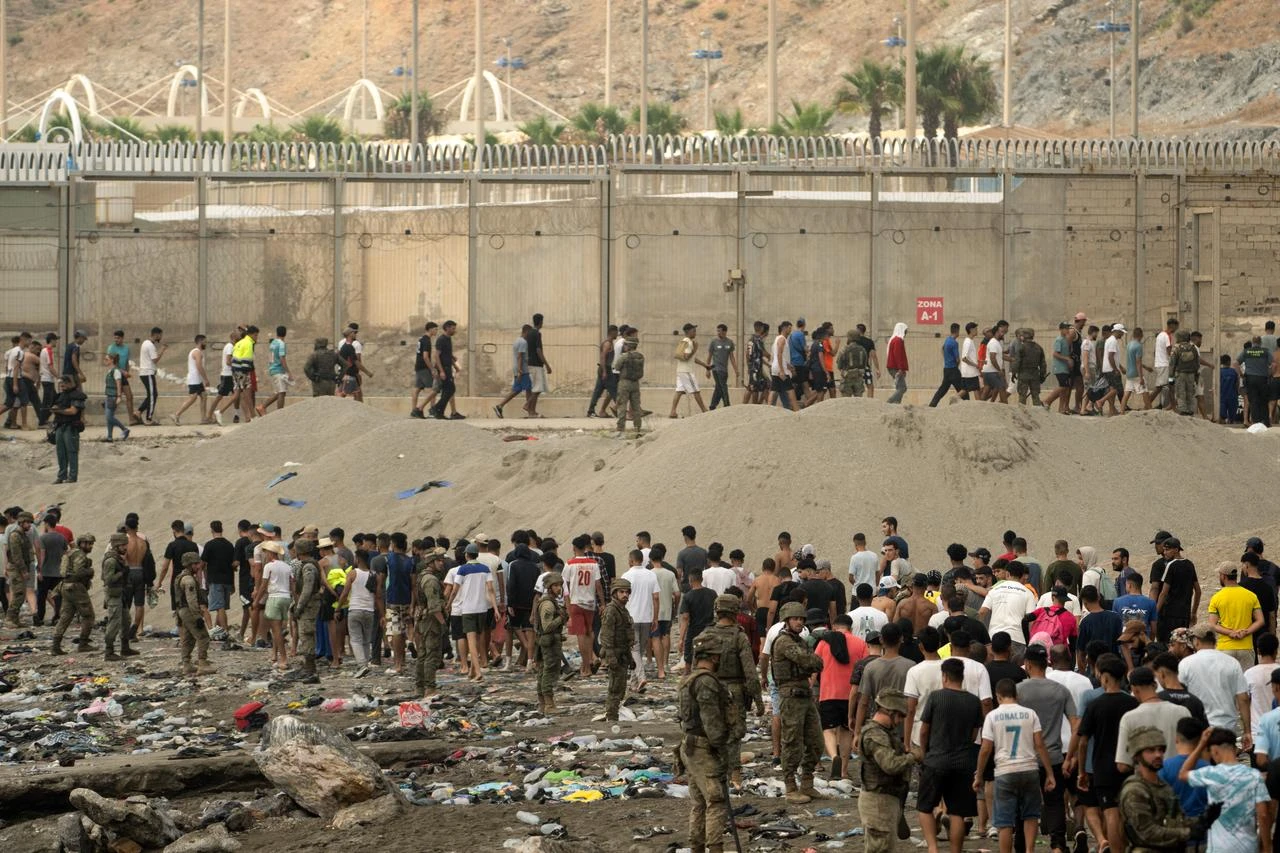
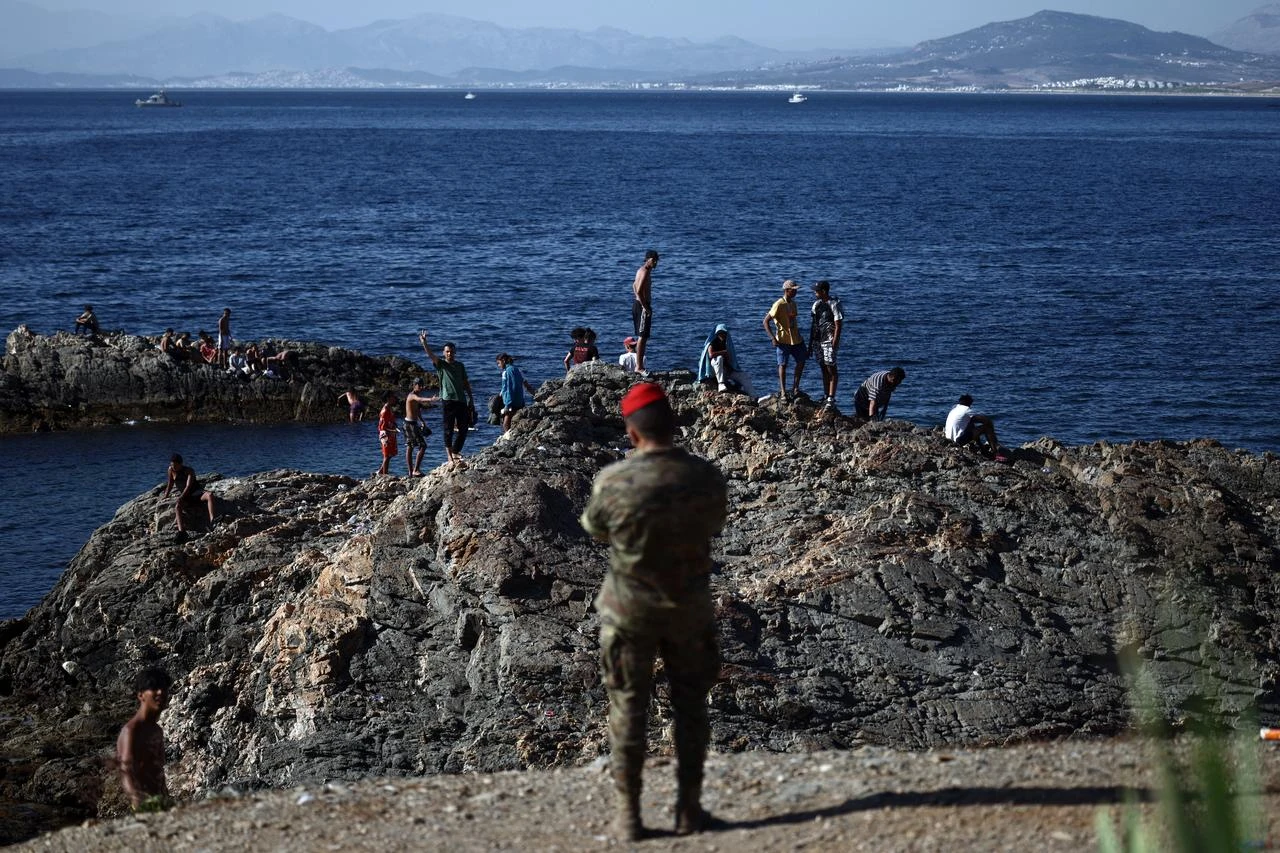
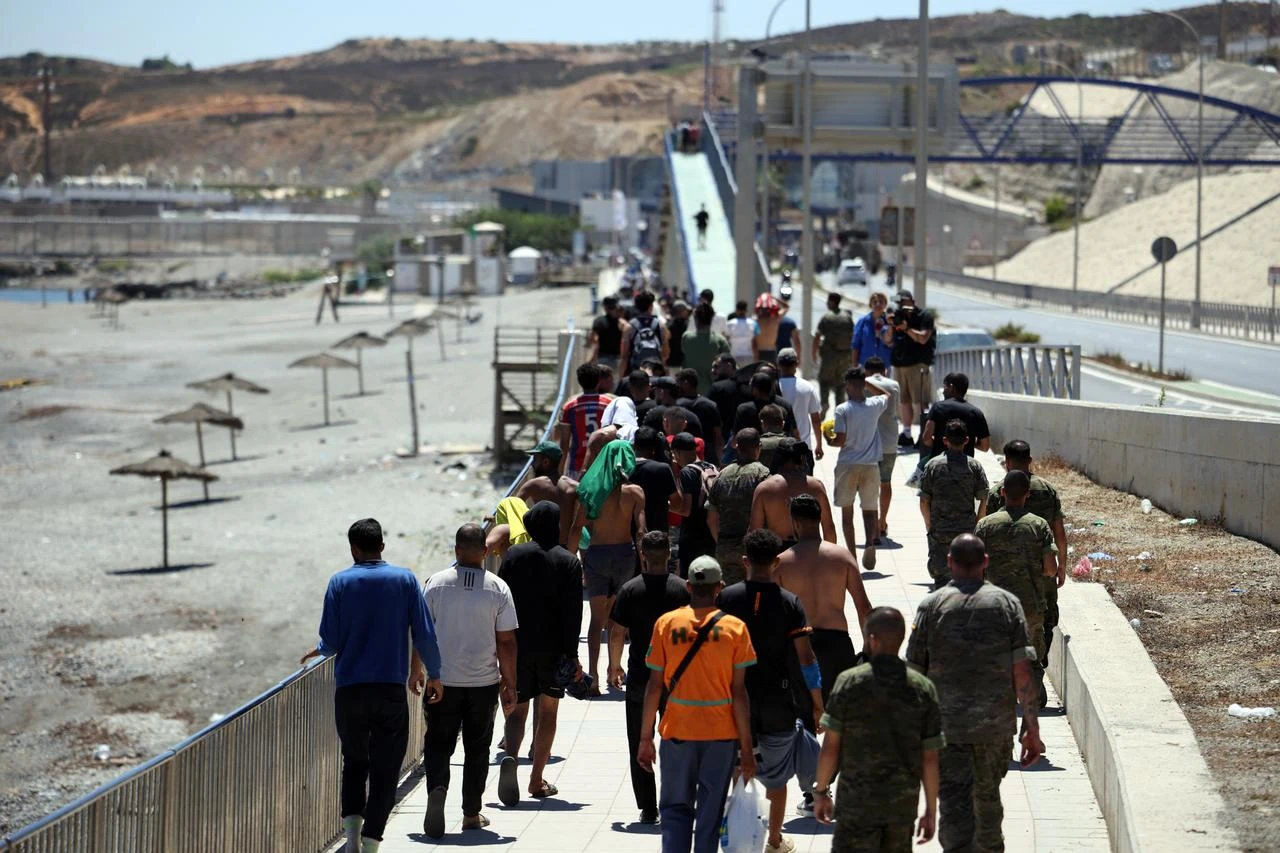
European Commission President Ursula von der Leyen called Monday for united European action to strengthen external borders after tens of thousands of migrants entered Spain’s North African enclave of Ceuta from Morocco, triggering tensions between Madrid and several EU partners.
“From this incident, it is clear that we must do more to further strengthen our borders at critical points,” von der Leyen wrote in a letter to Spanish Prime Minister Pedro Sanchez seen by the Agence France-Presse (AFP).
“The protection of all our external borders is a shared European responsibility,” she said, calling for vigilant monitoring and the use of physical barriers where needed.
Von der Leyen praised Sanchez for Spain’s “swift handling” of the crisis. Almost all of the migrants who entered Ceuta have since left, according to the report.
The unprecedented crossings created sharp tensions among the European Union’s 27 member states.
Italy and Denmark, which have advocated tougher migration policies, called for Spain to be suspended from the Schengen free-travel area.
Madrid firmly rejected the proposal, describing it as “selfish.” Suspending Spain from Schengen would also be legally impossible under EU rules.
Spain instead requested emergency discussions among EU interior ministers to determine how the bloc should respond.
A videoconference scheduled for Tuesday will allow member states to draw “lessons” from the Ceuta crisis, von der Leyen said.
She warned that the challenges created by irregular migration required “a common European response, united action and solidarity.”

The commission president urged the EU to intensify efforts in five areas.
She called for preventing irregular migration through cooperation with partner countries, strengthening the bloc’s external borders and establishing early warning systems.
Von der Leyen also urged stronger action to dismantle migrant-smuggling networks and reinforce the return of people who are not permitted to remain in the EU.
She described Tuesday’s meeting as a “first step” and said she expected European leaders to discuss the issue at their next summit, currently scheduled for October.
The EU has tightened its migration rules in recent months, including by allowing member states to send rejected asylum seekers to so-called return hubs outside the bloc’s borders.


 Set as preferred source
 Set as preferred source


 1 min read
 1 min read