Newsletters


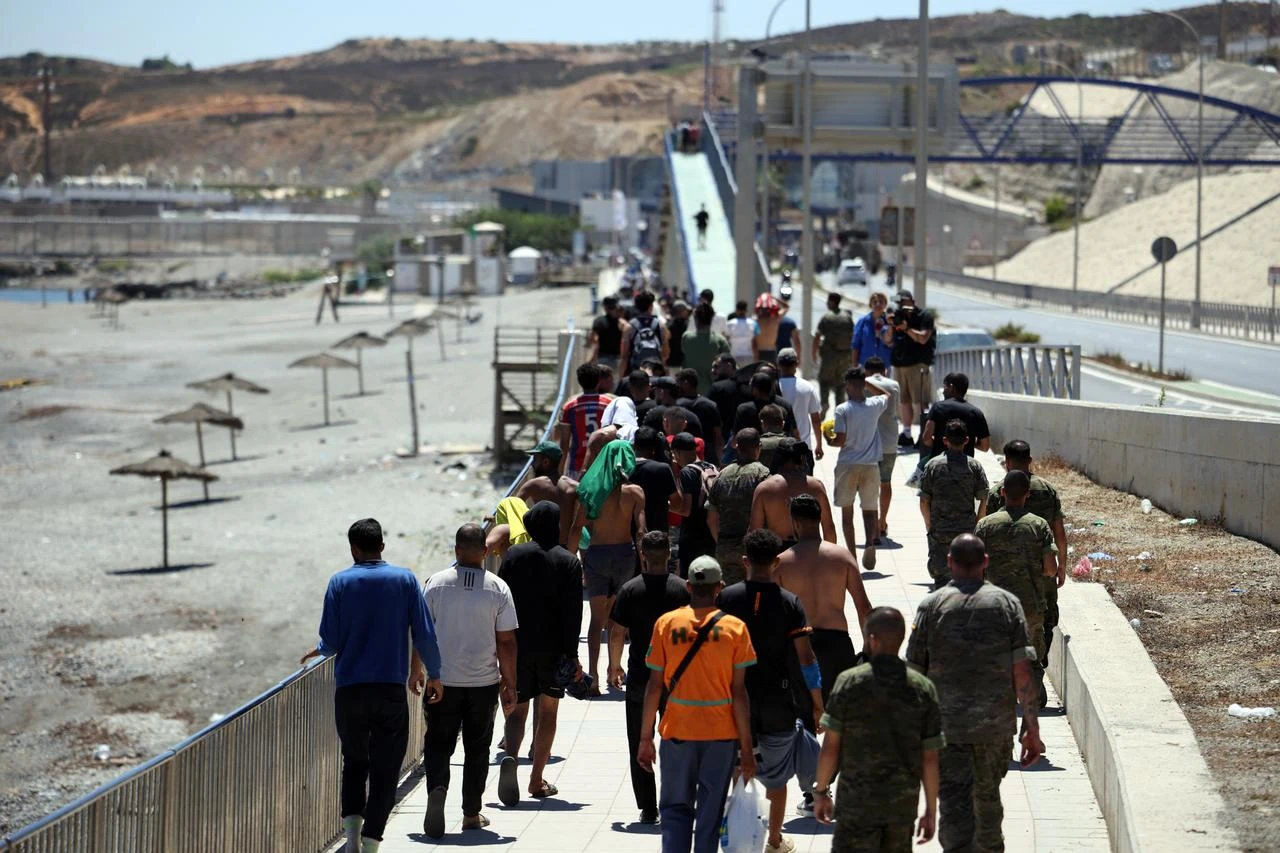


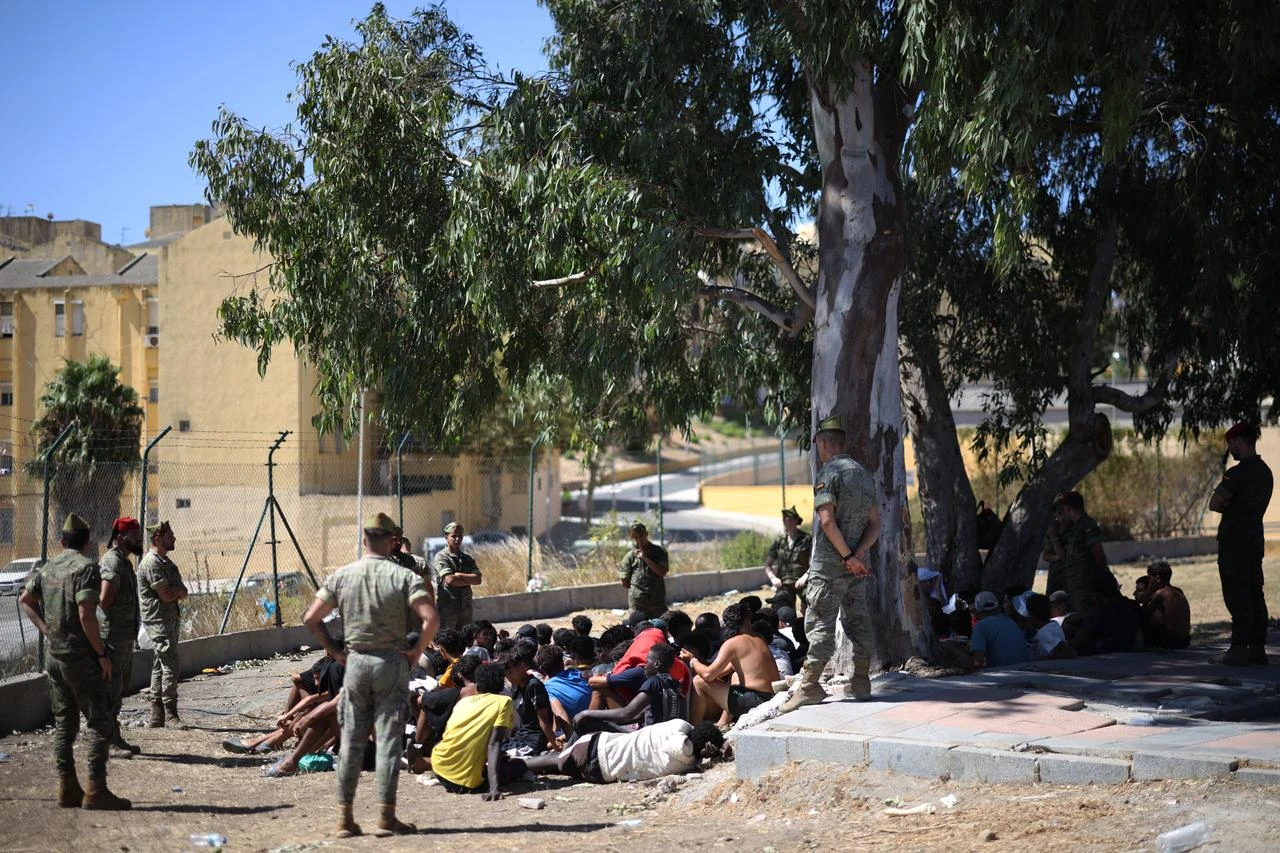
Morocco released its first official death toll from last week's Ceuta migrant influx on Sunday, saying 11 people died, while Spain continues to put the number of fatalities at at least 72.
The announcement came as Rabat's first public account of the incident after tens of thousands of migrants tried to reach the North African enclave between Wednesday and Friday, triggering a diplomatic dispute within the European Union as several member states criticized Spain's migration policies.
Interior Ministry spokesman Rachid El Khalfi said 10 of the 11 victims drowned, while another person died after falling from a rocky area.
Moroccan authorities are working with Spain to verify the casualty figures and identify bodies recovered on Spanish territory, he added. Prosecutors have also opened an official investigation into the events.
The ministry blamed the sudden influx on the "malicious exploitation" of social media and the spread of misleading information.
It also pointed to "misinterpretations of legal provisions," referring to a July 8 ruling by Spain's Supreme Court on the treatment of migrants arriving by sea.
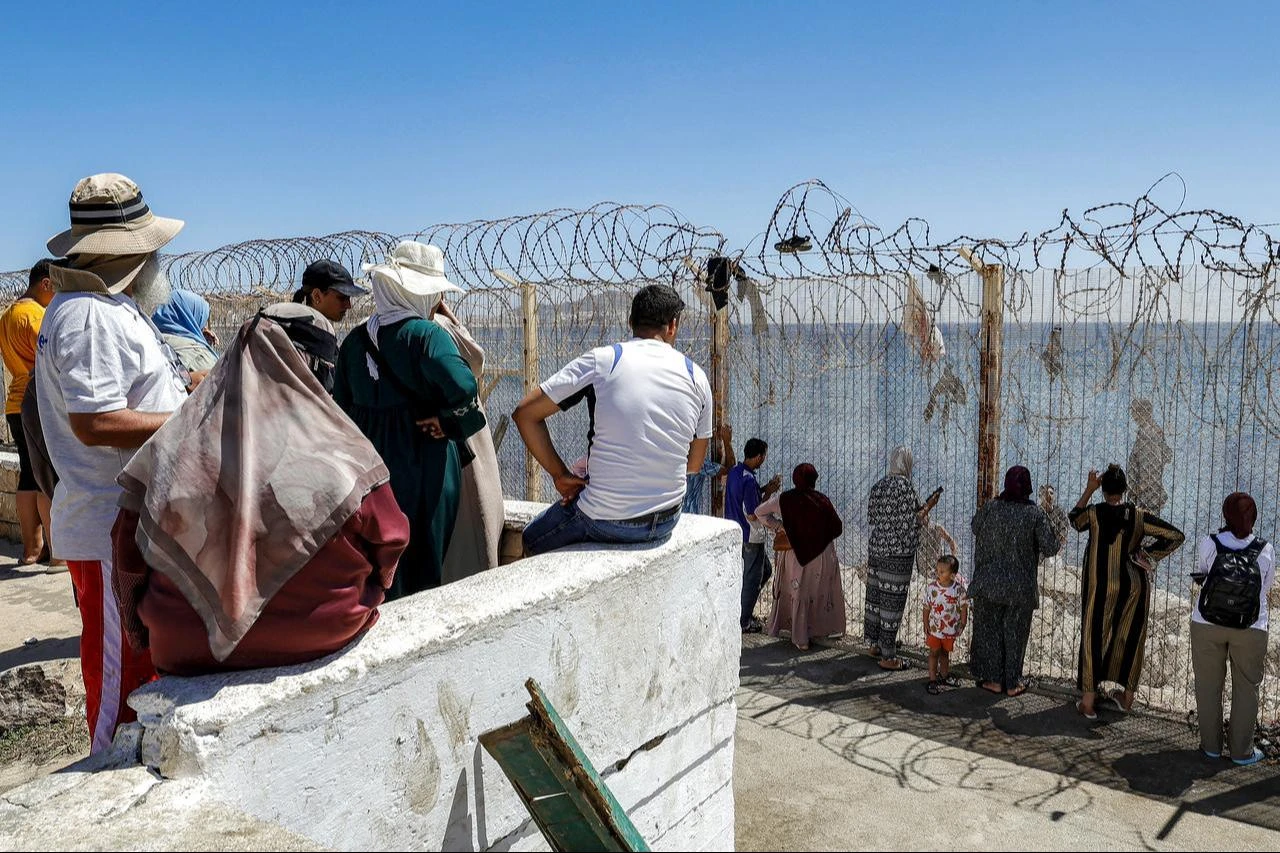

According to Moroccan authorities, about 40,000 people attempted to cross illegally into Ceuta during the recent wave of migration. Another 1,135 migrants tried to enter the Spanish enclave of Melilla but were immediately returned to Moroccan territory.
Spain, however, says more than 60,000 migrants reached Ceuta during the crisis, although officials say nearly all have since returned voluntarily to Morocco, leaving only a small number in the enclave.
The Moroccan Association for Human Rights (AMDH) has disputed the official figures, estimating nearly 130 victims with dozens still missing, while Spanish authorities continue to recover bodies along the coast.
The crisis quickly spilled over into a broader political dispute across the EU, with 22 member states calling for tighter protection of the bloc's external borders. At the same time, Italy temporarily reinstated border checks on arrivals from Spain, citing security concerns.
Spain defended its handling of the crisis, saying most migrants had already returned to Morocco, and Prime Minister Pedro Sanchez accused some EU partners of undermining European solidarity with unilateral measures.


 Set as preferred source
 Set as preferred source


 1 min read
 1 min read