Newsletters


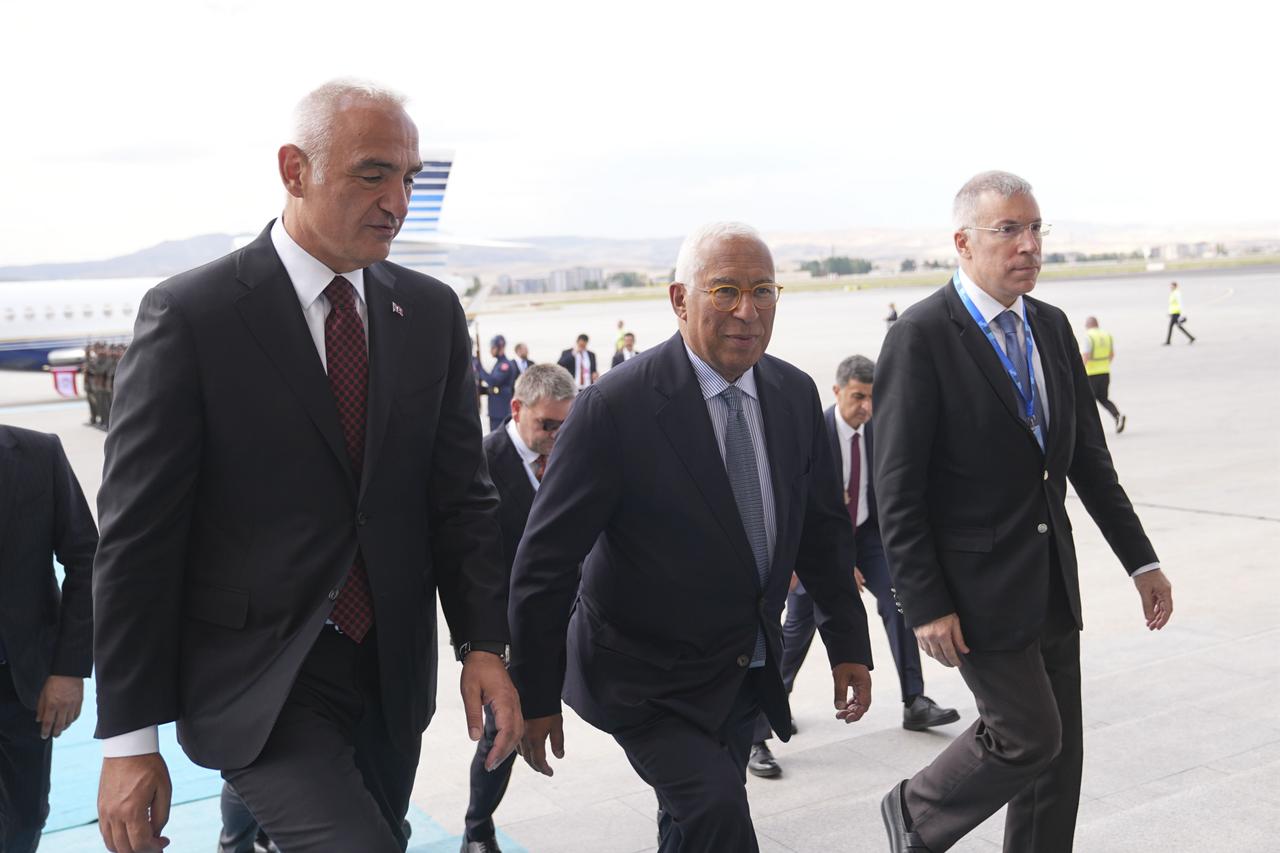


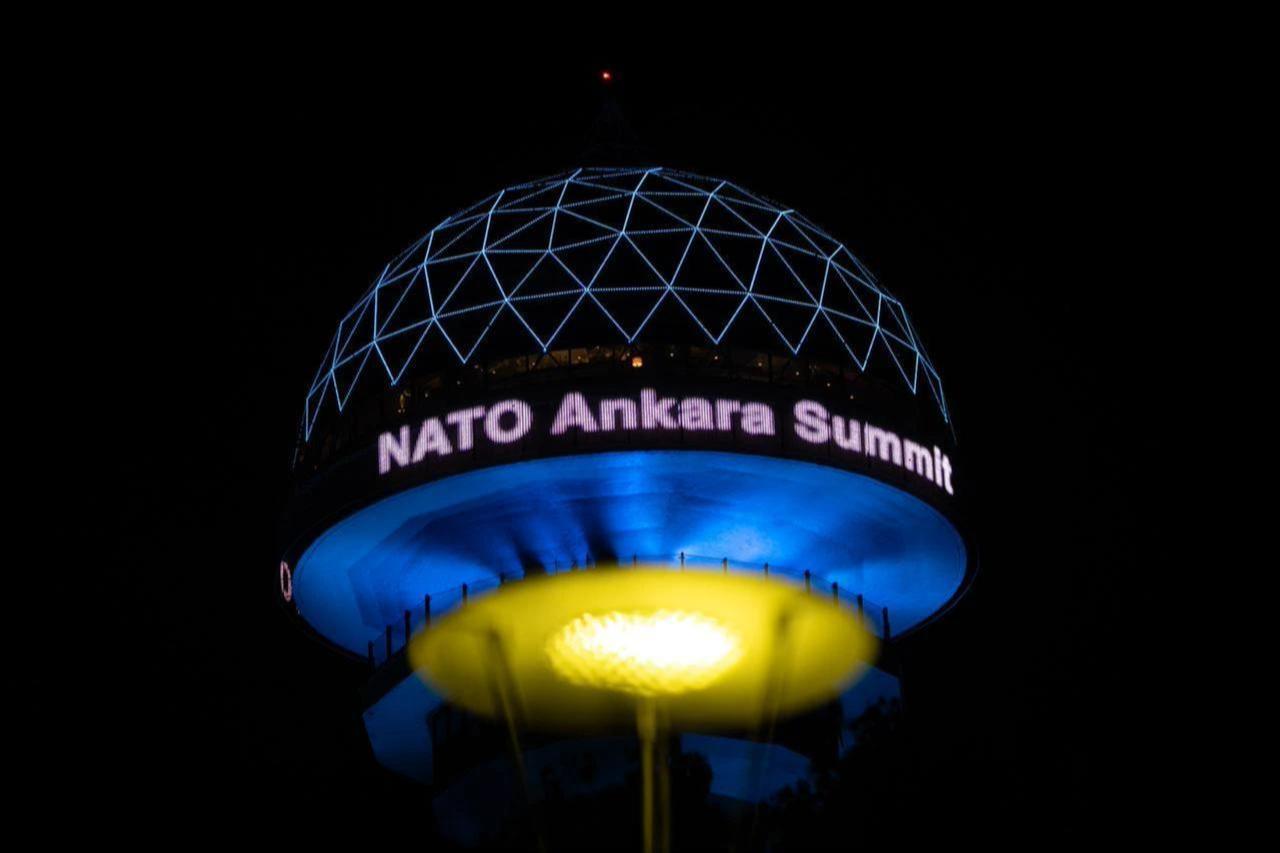
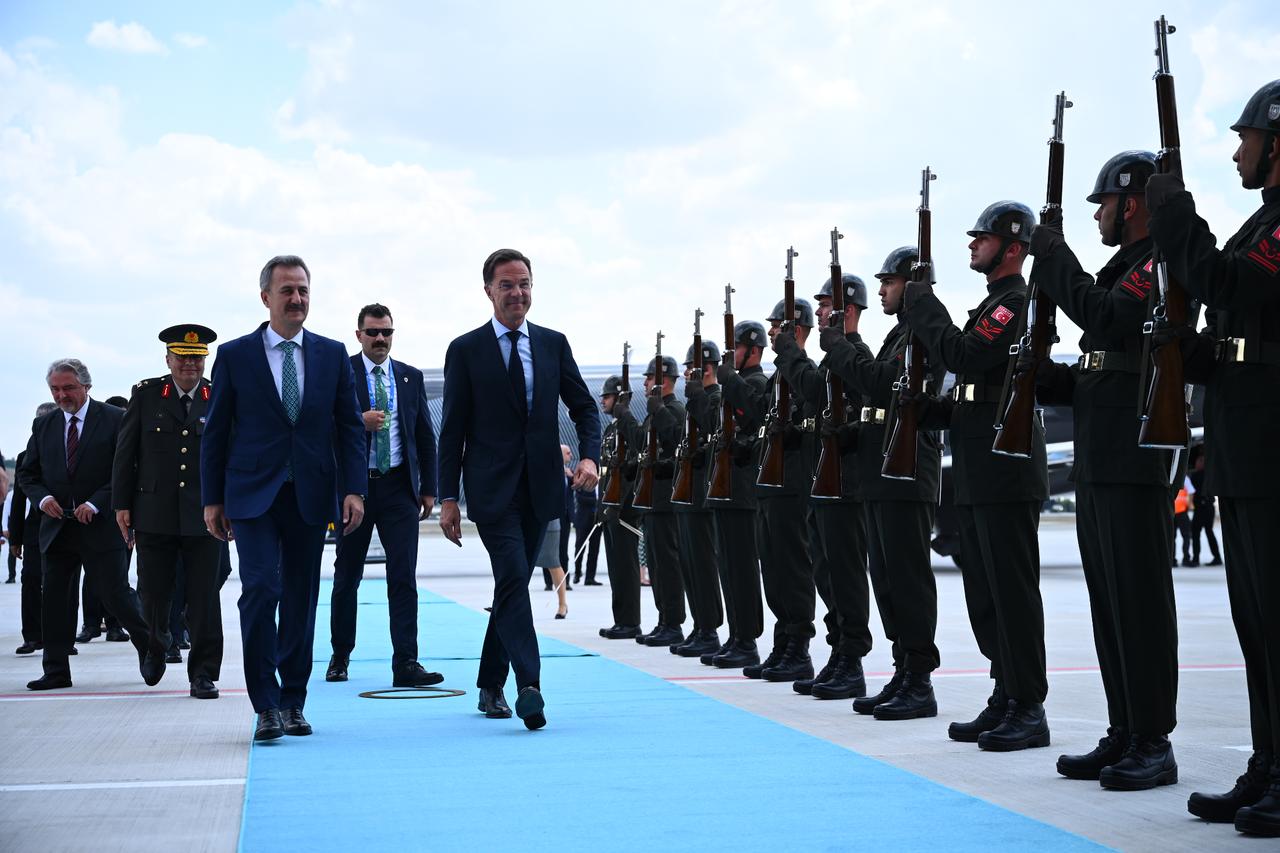
European Union and NATO leaders opened a two-day summit in the Turkish capital Tuesday with a joint appeal for renewed confidence in transatlantic defense ties, as the 32-member alliance gathered to confront a packed agenda of military modernization, spending targets, and the future of support for Ukraine.
European Council President Antonio Costa set the political tone for the gathering, urging the alliance to deliver an unambiguous signal of solidarity.
"What the European citizens expect from this Ankara summit is a clear message that we can continue to rely on NATO for their own defense and also for our deterrence, based on the very strong transatlantic relationship," Costa said, speaking alongside NATO Secretary General Mark Rutte and European Commission President Ursula von der Leyen.
The remarks reflected a moment of dual pressure on the alliance: European governments are under pressure from Washington to contribute more to collective defense, while their publics are watching for guarantees that American security commitments remain solid.
Costa acknowledged the shifting burden, saying that Europe is "taking greater responsibility in our own defense" while member states are fulfilling their existing commitments, but stressed that the work was not yet done.
Von der Leyen echoed that argument, reiterating her oft-repeated formulation that "a strong Europe is a strong NATO."
She pointed to the European Union's mobilization of up to 800 billion euros, roughly 914 billion dollars, through 2030 to strengthen the bloc's defense industrial base, a figure that encompasses the EU's ReArm Europe initiative launched last year.

Rutte offered the clearest articulation of the functional division between the two institutions.
NATO, he said, concentrates on military capabilities, standards, and command and control, while the EU's role is to underwrite resilience, infrastructure, the defense industrial base, and financing.
He praised the bloc's Security Action for Europe, known as SAFE, as an example of the kind of cooperative financing mechanisms that the current security environment demands, and stressed that deepening institutional coordination between NATO and the EU was not optional but essential.
The distinction matters, analysts note, because both organizations have expanded their ambitions in the wake of Russia's 2022 full-scale invasion of Ukraine, which exposed significant gaps in European military production capacity and prompted a historic surge in defense budgets.
At last year's summit in The Hague, NATO allies committed to spending five percent of gross domestic product on defense and security-related activities by 2035.
Beyond the opening statements, the Ankara summit is structured around three pillars: defense investment, the transatlantic defense industrial base, and continued support for Ukraine.
Alliance leaders are expected to assess progress since The Hague and address questions about how to make Ukraine assistance more equitable and sustainable among member states.
The summit is also running a NATO Defence Industry Forum alongside the main meetings, aimed at bringing together government officials and private-sector representatives to discuss production bottlenecks and announce new agreements.
For host country Türkiye, the summit carries particular weight. Ankara holds a strategically pivotal position in the alliance, commanding NATO's second-largest standing army and an expanding domestic defense industry, while maintaining distinctive relationships with both Western allies and regional powers.


 Set as preferred source
 Set as preferred source


 1 min read
 1 min read