Sign in
 Newsletters




The European Union is preparing to strengthen security along its eastern borders through a proposed rapid response force, expanded counter-drone capabilities and tighter visa restrictions, European Commissioner for Internal Affairs and Migration Magnus Brunner told the European Parliament on Tuesday.
Brunner warned that threats including weaponized migration, drone incursions, cyberattacks and sabotage were no longer isolated incidents, calling for stronger coordination among EU member states.
More than 600 officers from the EU border agency Frontex are already deployed alongside national border guards from Finland to Bulgaria, he said.
The proposed rapid response force would be available for deployment at the request of member states facing security threats.
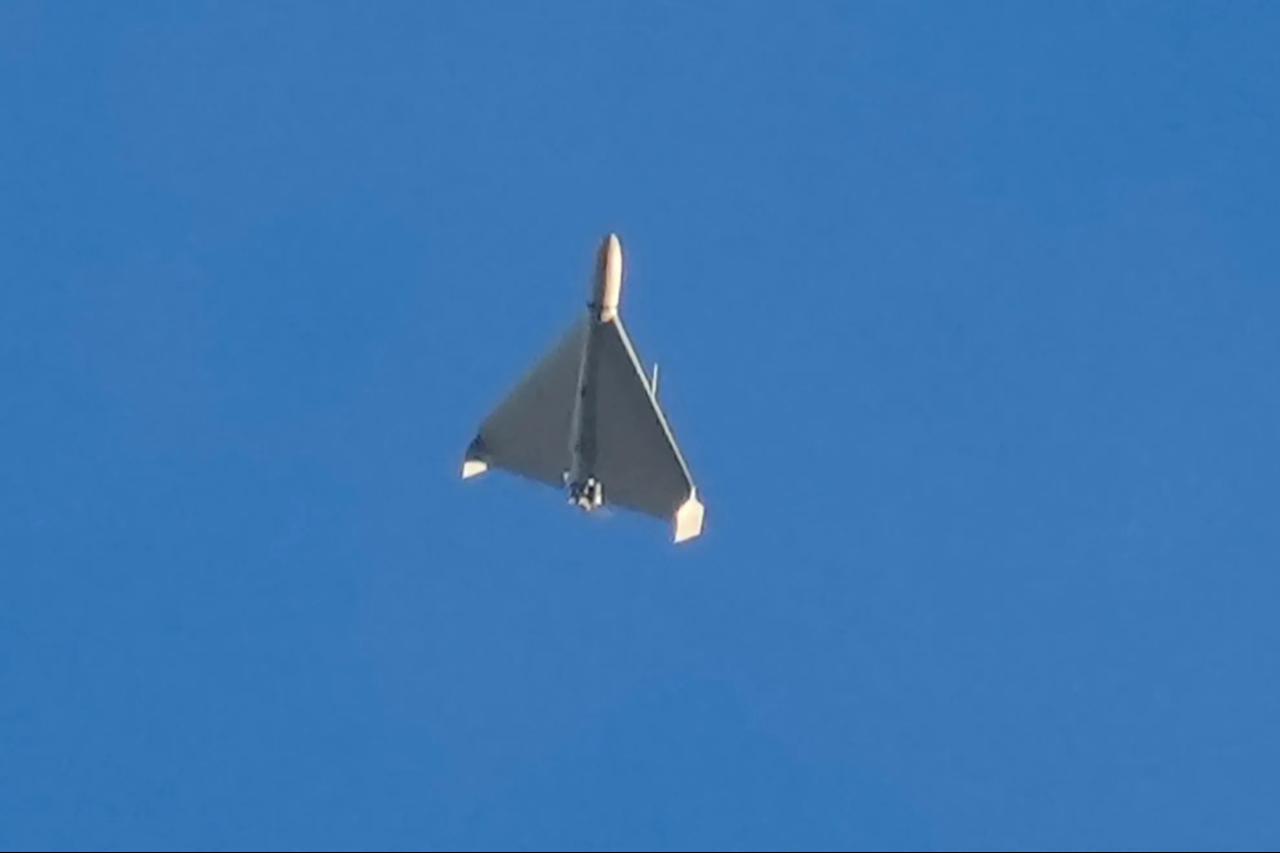

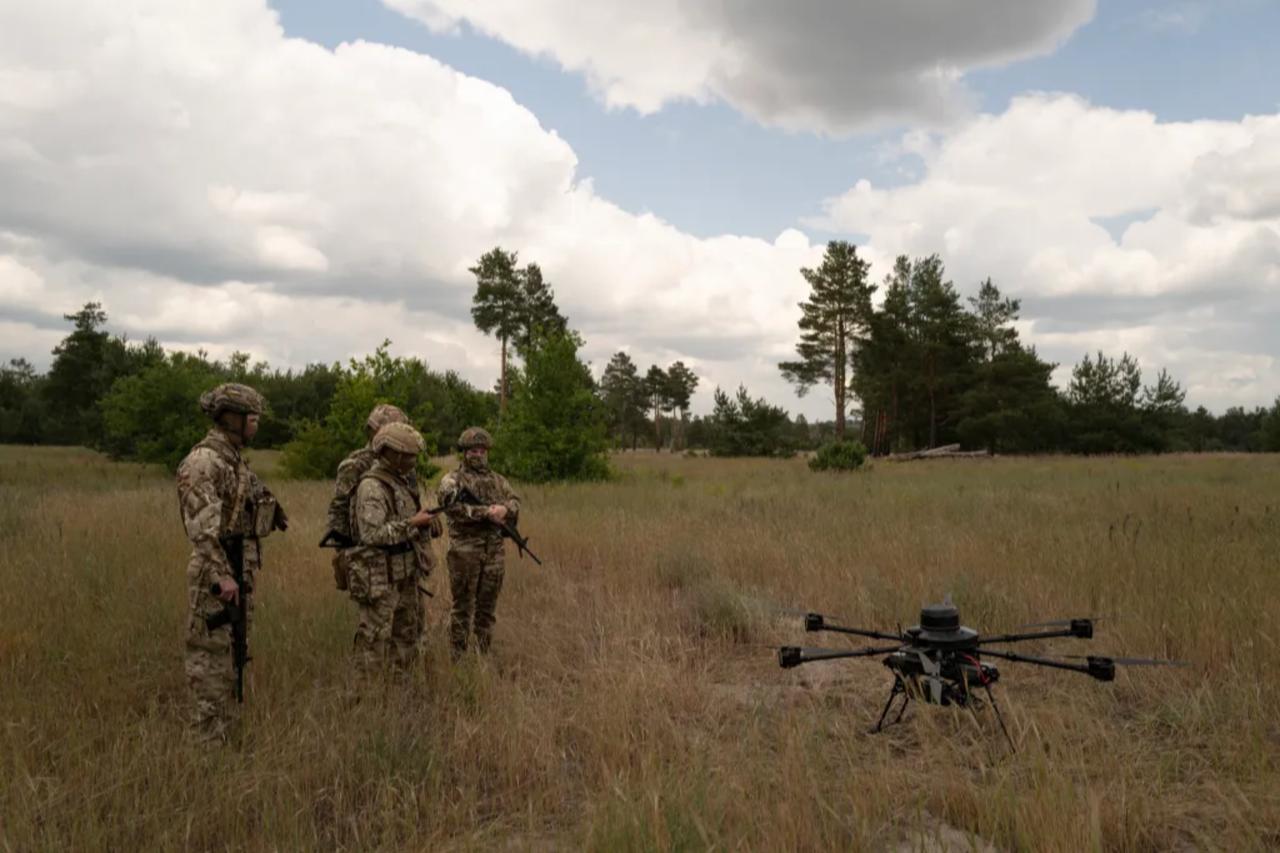
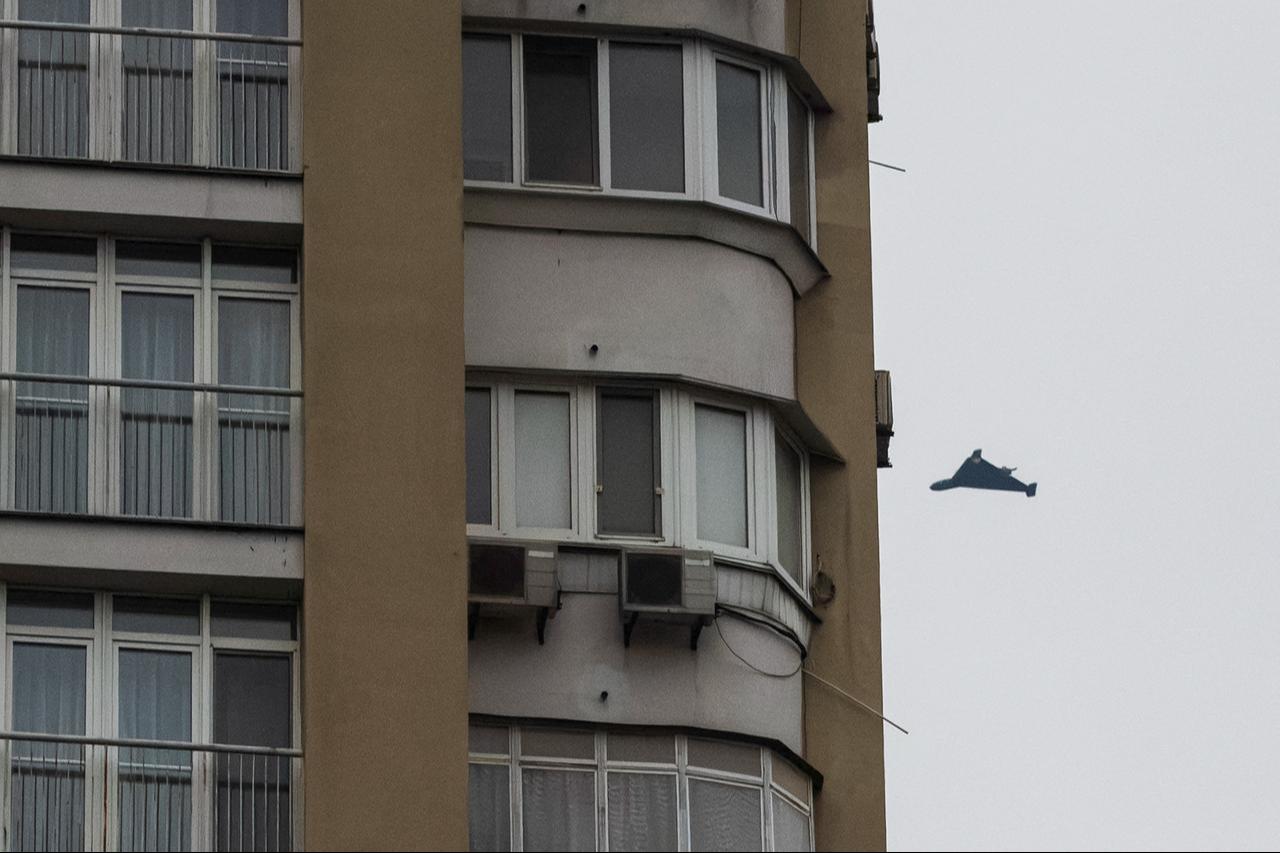
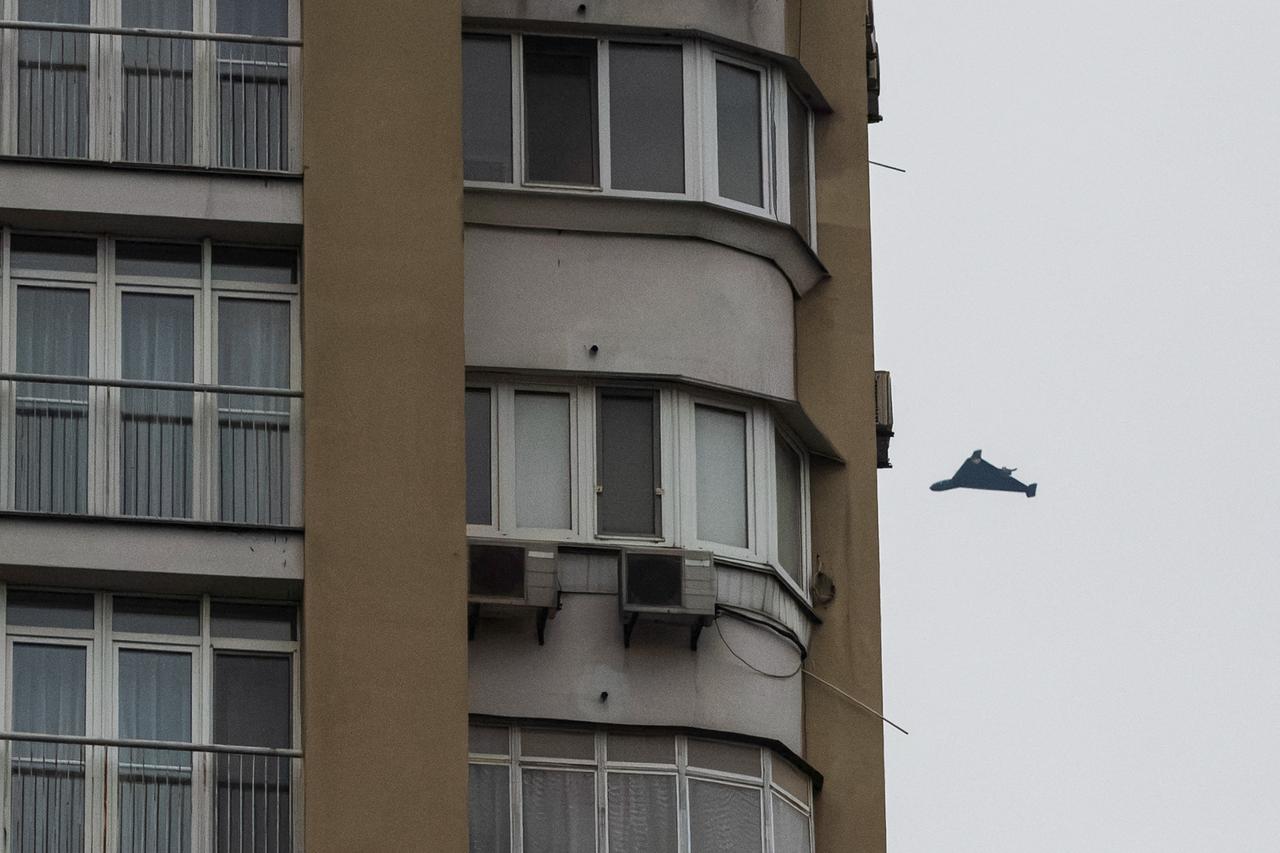
Brunner announced plans to establish an EU counter-drone center of excellence and organize a large-scale drone exercise in the Baltic region.
"Drones are a European-wide problem, and they need a joint response," he said.
According to the commissioner, approximately €500 million ($548 million) is already available for border surveillance and counter-drone measures.
An additional €50 million has been announced to accelerate the development of a maritime security hub by Bulgaria and Romania in the Black Sea.
Brunner said the measures were intended to strengthen the EU's ability to respond to security threats along its external borders.
Brunner said the EU updated its guidelines Monday to require additional documentation from Russian visa applicants.
"Those fighting in Russia's war against Ukraine are not welcome in Europe," he said.
The commissioner added that member states would receive additional tools to identify Russian combatants and impose restrictions on them.
A planned revision of the EU visa code early next year would also introduce targeted restrictions on nationals of what Brunner described as "hostile third countries."
He highlighted the bloc's new entry-exit system, saying it had recorded 250 million entries and exits by November.
According to Brunner, the system had stopped nearly 85,000 people carrying false or incorrect documents and prevented more than 70,000 security threats from entering the EU.
Brunner accused Russia and Belarus of exploiting migration and asylum procedures to pressure European countries.
"The European Union will not tolerate Russia, Belarus or anyone else turning our own values, including the right to asylum, against us," he said.
He added that the EU was developing an emergency response framework consistent with international law to address such threats.
Addressing member states along the bloc's eastern borders, Brunner pledged continued European support.
"You will definitely not stand alone," he said.


 Set as preferred source
 Set as preferred source


 1 min read
 1 min read