Newsletters


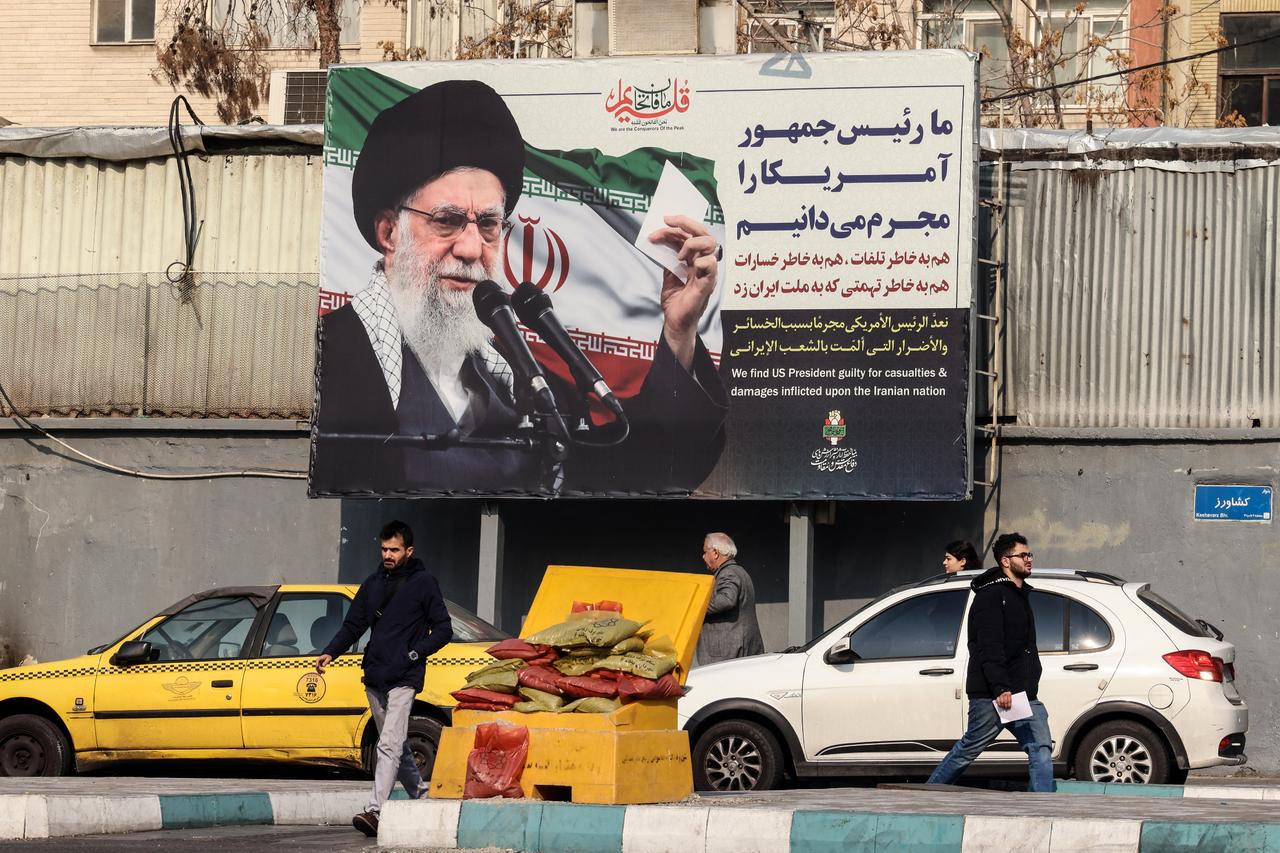


European Union foreign ministers are expected to agree on Thursday to place Iran’s Revolutionary Guards on the bloc’s terrorist list following a deadly crackdown on mass protests, the EU’s top diplomat said.
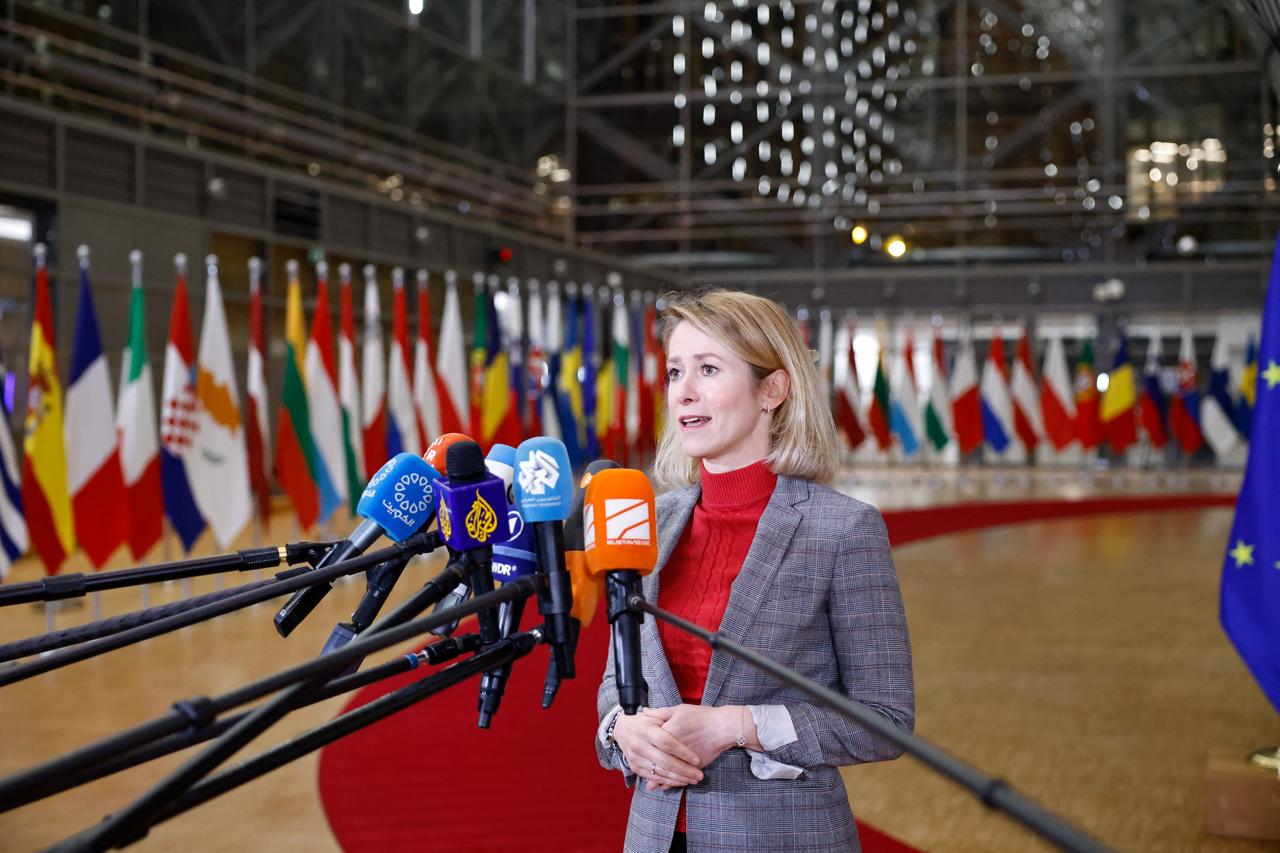
“If you act as a terrorist, you should also be treated as terrorists,” EU foreign policy chief Kaja Kallas told reporters ahead of the meeting in Brussels.
“This will put them on the same footing with al-Qaida, Hamas, Daesh,” Kallas added.
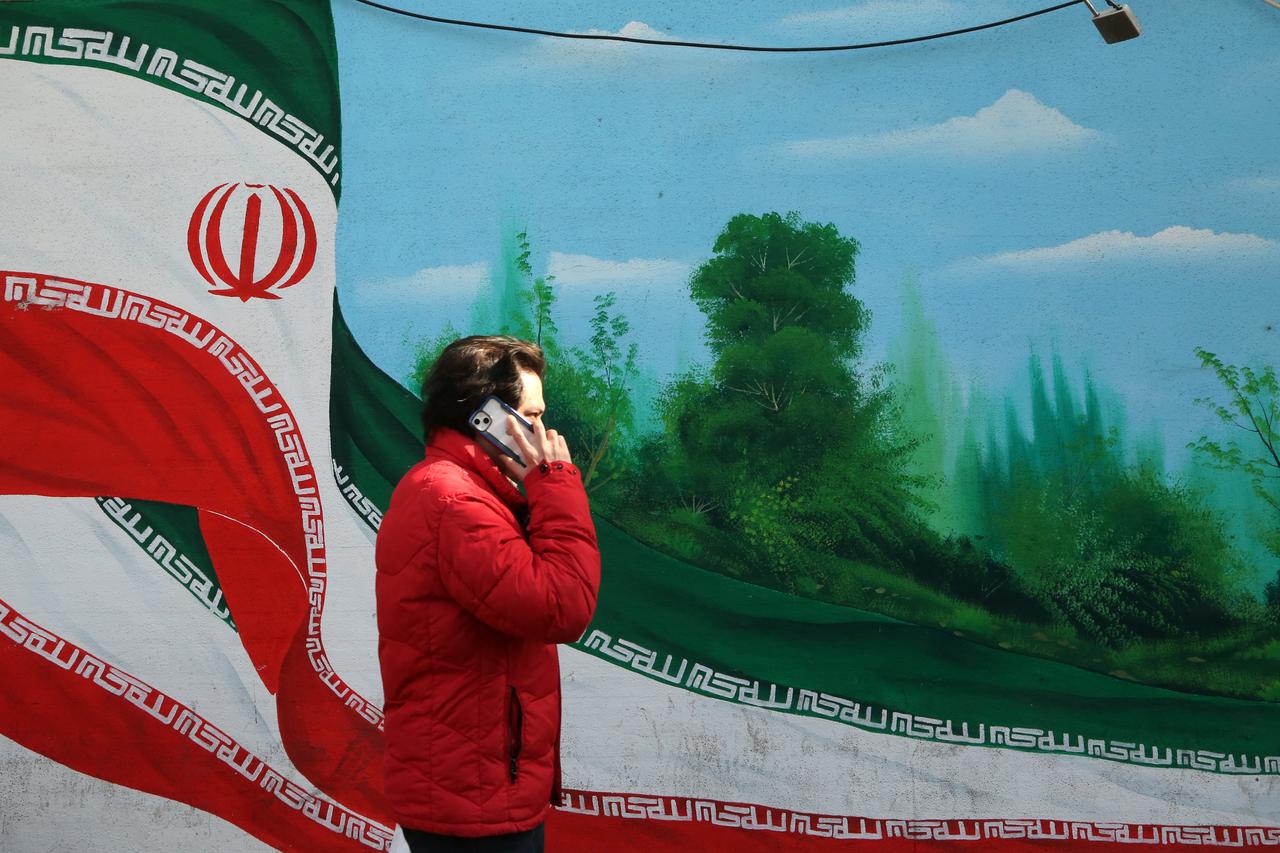
Iran had no immediate comment, but it has criticized Europe in recent days as the bloc considered the move, which follows the United States’ earlier sanctions against the Guards.
Under EU law, sanctions require unanimity among the bloc’s 27 member states, a requirement that has at times limited Brussels’ ability to apply economic pressure, including against Russia over its invasion of Ukraine.

France had previously objected to designating the Revolutionary Guards as a terrorist organization, citing concerns over the safety of French citizens detained in Iran and the impact on diplomatic missions, which provide some of the few remaining communication channels between Tehran and Europe and its allies. However, the office of President Emmanuel Macron signaled Wednesday that Paris now supports the decision.
The symbolic step is expected to send a strong message of condemnation to Iran after thousands were reported killed during protests that rocked the country.
The EU is also set to approve visa bans and asset freezes on 21 Iranian state entities and officials—expected to include the interior minister—over what it described as brutal repression.
Iranian authorities acknowledge that thousands were killed during the unrest, putting the death toll at more than 3,000, but say most of those killed were members of the security forces or bystanders targeted by what they describe as “rioters.”
Rights groups dispute that account, saying the toll is far higher and may reach into the tens of thousands, and noting that protesters were killed by security forces, including the Islamic Revolutionary Guard Corps, or IRGC.
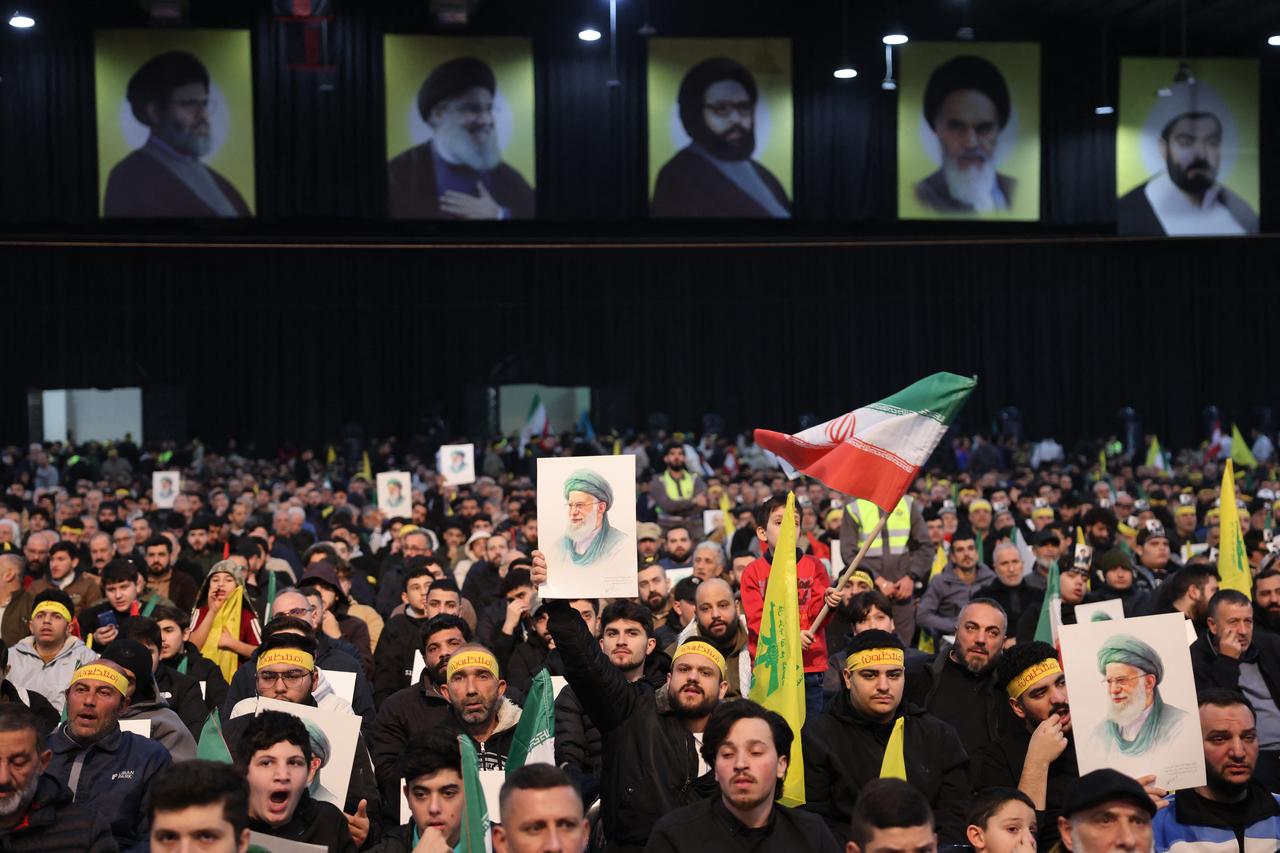
The IRGC is the ideological arm of Iran’s military, created after the 1979 revolution to protect the country’s clerical leadership. It controls or owns companies across wide swaths of the Iranian economy, including key strategic sectors.
“The estimate is that still the diplomatic channels will remain open even after the listing of the Revolutionary Guards,” Kallas said.
The expected green light for blacklisting the IRGC followed France’s announcement of support, after a similar shift by Italy. Paris had long been seen as reluctant to take the step due to concerns over detained Europeans and a desire to preserve diplomatic ties.
“There can be no impunity for the crimes committed,” French Foreign Minister Jean-Noel Barrot said upon arriving in Brussels.
“This decision is also an appeal by France to the Iranian authorities to release the prisoners thrown by thousands into the regime’s prisons, to end the executions that are perpetuating the most violent repression in Iran’s modern history,” he said.
Barrot also urged Tehran to end an internet blackout and “give back to the Iranian people the capacity to choose their own future.”
The EU has already sanctioned several hundred Iranian officials and entities over previous protest crackdowns and Tehran’s support for Russia’s war in Ukraine.
While the IRGC and its senior commanders are already subject to EU sanctions, adding the group to the terror blacklist is expected to have limited practical impact but significant political weight.
 1 min read
The U.S.-based Human Rights Activists News Agency said Wednesday that at least 6,373 people were killed during the unrest, including 5,993 protesters, 214 government-affiliated forces, 113 children and 53 civilians who were not demonstrating. More than 42,450 people were arrested, the group said.
Iran’s government on Jan. 21 put the death toll at 3,117, saying 2,427 were civilians and security personnel and labeling the remainder “terrorists.” Iranian authorities have previously been accused of undercounting or not reporting fatalities during periods of unrest.
The reported death toll exceeds that of any other protest movement in Iran in decades and recalls the upheaval surrounding the 1979 revolution.


 Set as preferred source
 Set as preferred source


 1 min read