

 Newsletters


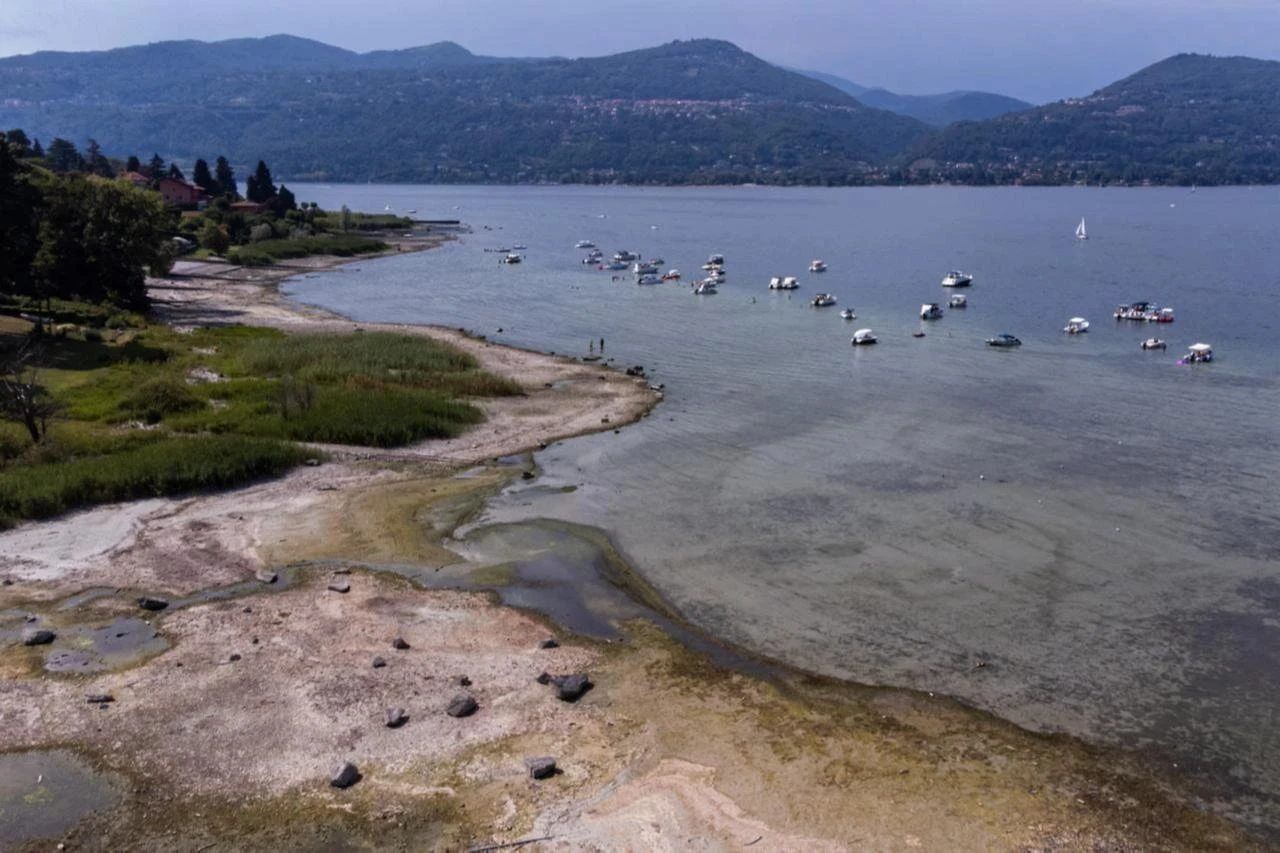


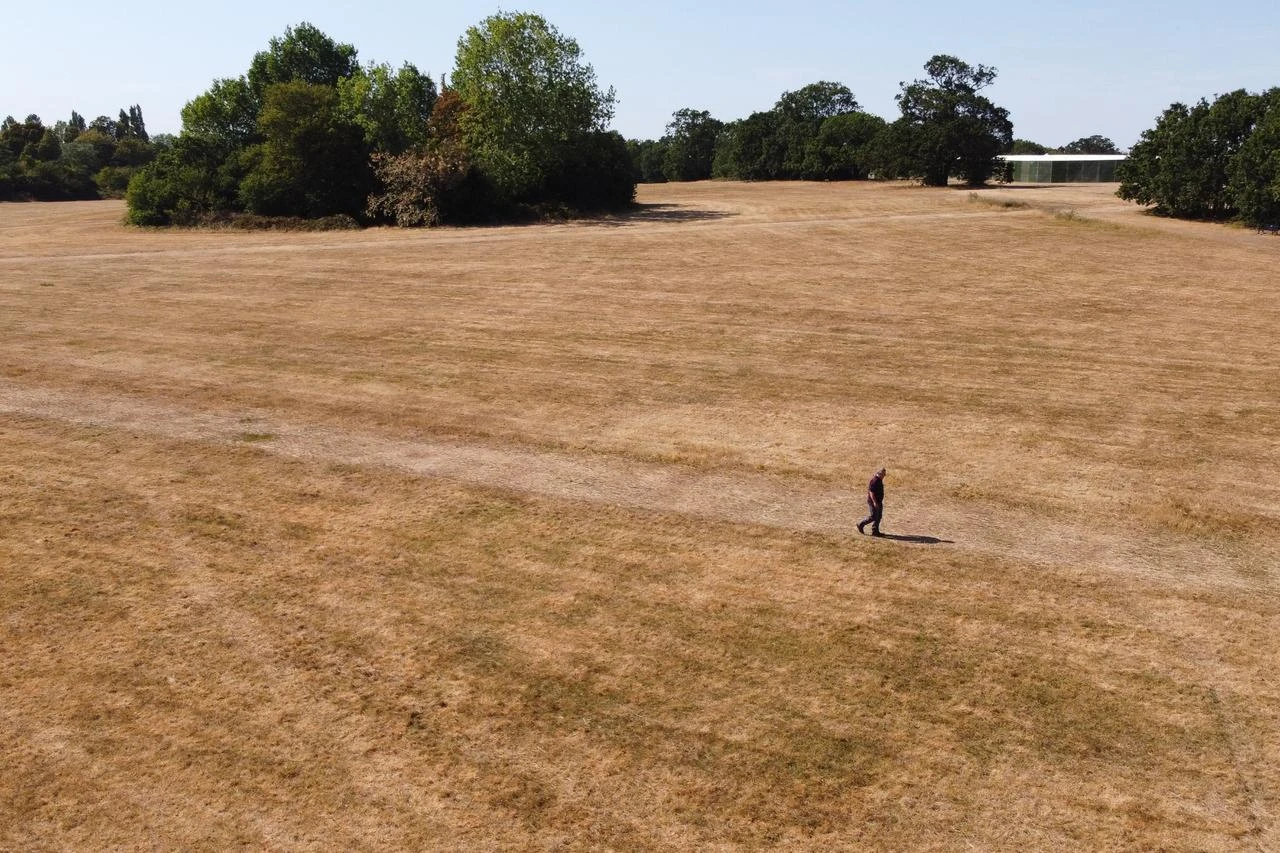
Repeated heat waves and little rainfall have dried out the soil in western and central Europe, reducing harvests of maize, wheat, vegetables, fruit, and livestock. As a result, food prices are likely to rise for consumers in the coming months, and economists say these increases could last until 2027.
The European Union's Joint Research Center has reduced its yield forecasts for spring and summer crops, with grain maize and sunflowers expected to drop by 6% to 7%. Winter crop forecasts are also down by 1% to 4%, putting total cereal yields 1% below the five-year average, according to the center's July report.
Some countries are feeling the effects more than others. France expects its maize harvest to drop by 35% from 2025, down to about 9 million metric tons. French farmers have also reported shortages of 25% for courgettes, 35% for lettuces, 40% for peas, and 60% for broccoli. Some artichoke producers have lost between 50% and 100% of their crops, according to The Guardian.
Around 60% of Italy's farmland is facing drought, from mild to severe. In Spain, cereal harvests have dropped by 35% in Castilla and Leon, 49% in the Madrid region, and 24% in Andalusia compared to last year.
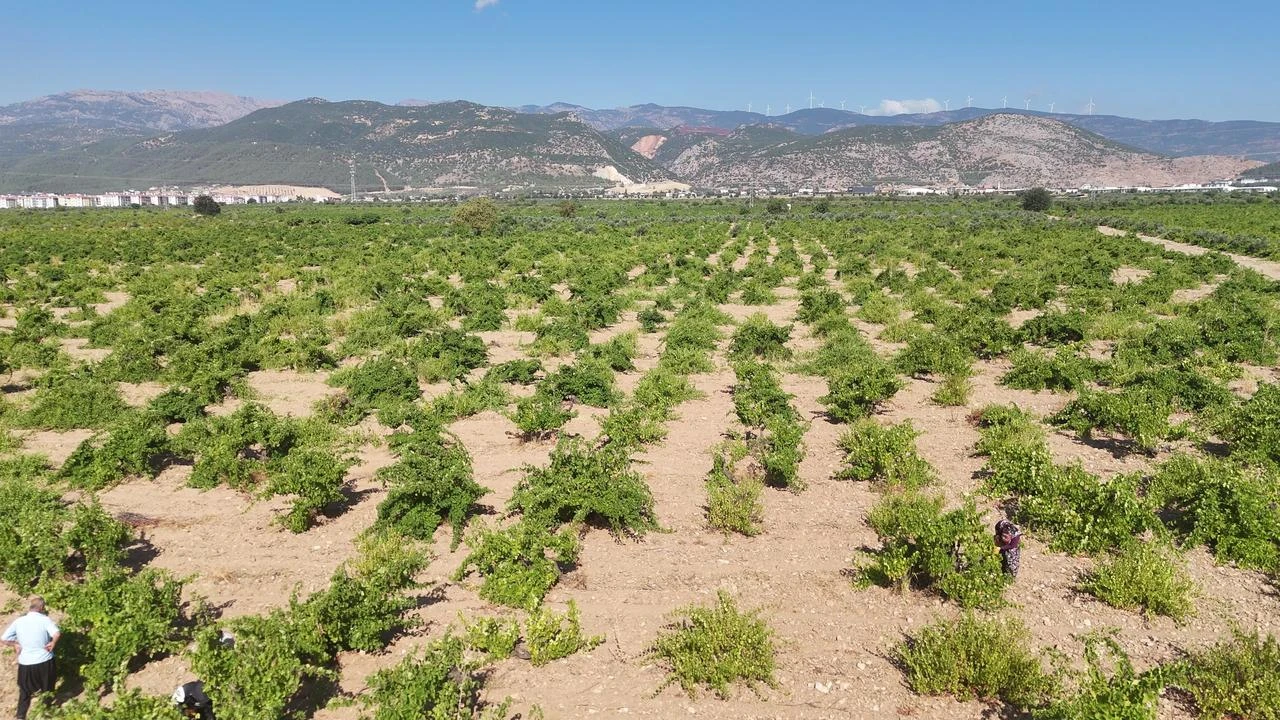

Maize and other summer crops are especially at risk because their main growing periods have happened during extreme heat and water shortages. Christoph Gornott, an agricultural scientist at the Potsdam Institute for Climate Impact Research, explained that the impact depends on when crops are planted and how much water they need at important growth stages.
"The situation is somewhat different for wheat because winter wheat is sown in the fall or winter, and already has a well-developed root system by spring, allowing it to access water more effectively," Gornott said. "Maize, on the other hand, is now entering a phase during which it requires a large amount of water, and we're experiencing incredibly dry conditions."
The Joint Research Center found that extreme heat has hurt the flowering of summer crops, and maize in northern and central Italy is not growing as well as it should.
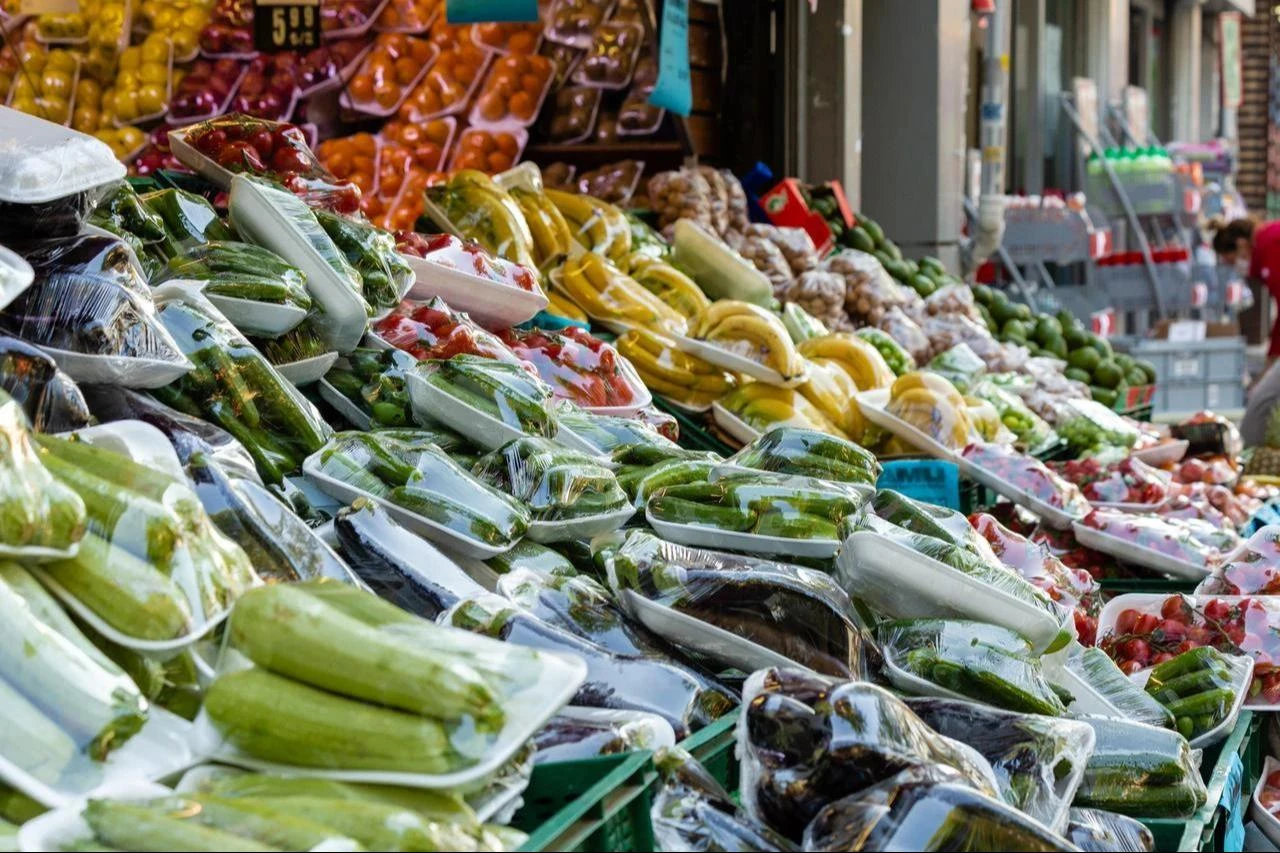
Vegetables and fruit are also at risk because they need regular watering and are usually sold soon after being picked. Heat and lack of water can make them smaller and lower in quality, so even if they survive the drought, they might not meet commercial standards.
"The Mediterranean region plays a major role in olive production, and there are only limited alternatives if plants there are impacted by fire and drought as they have been this year," Gornott said. "If a key growing region fails, this has a particularly strong impact on prices."
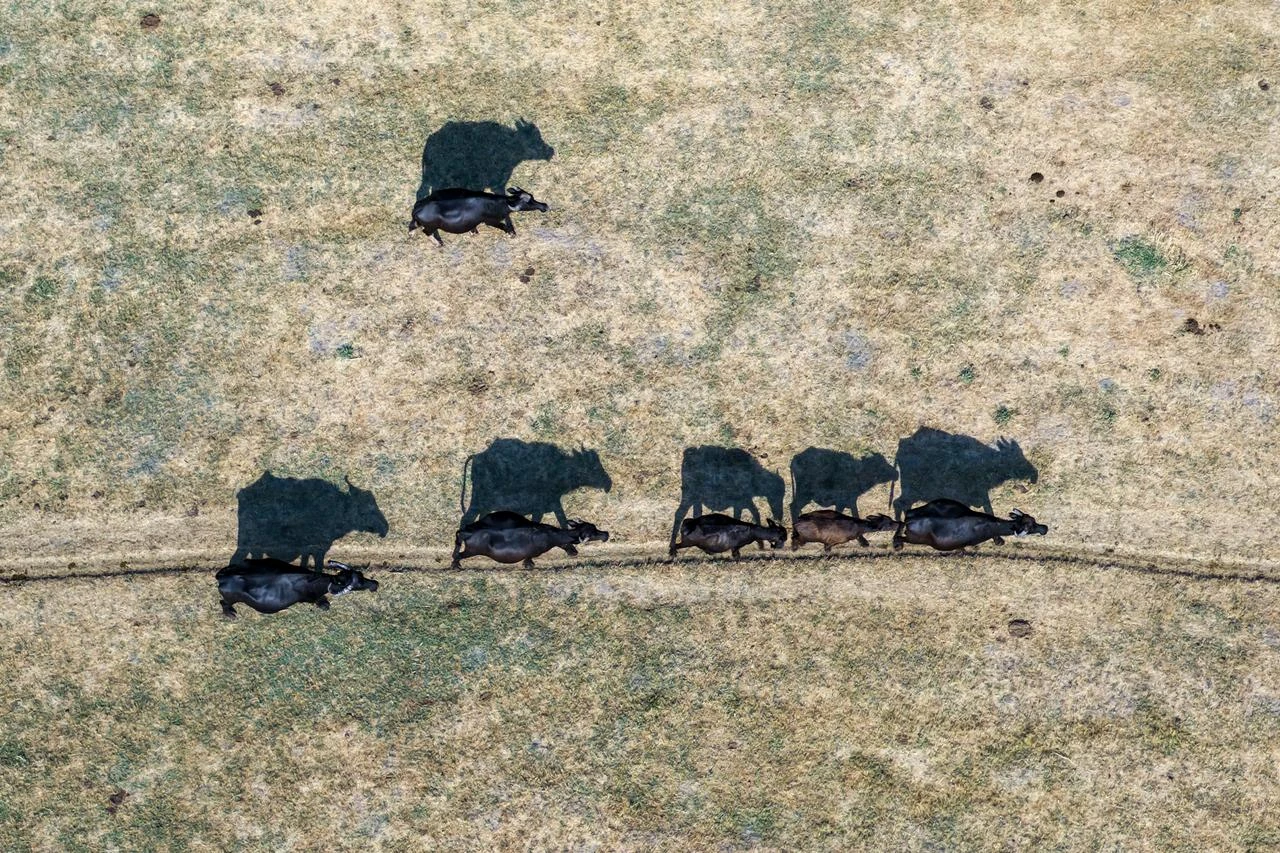
Livestock products are under related but different pressures. Maize, barley, and wheat are key parts of animal feed, so smaller harvests make it more expensive for poultry, dairy, and meat producers. In France, hay production for winter cattle feed is about 30% lower than the 1989-2018 average.
Dairy farmers say milk yields have dropped by 10% to 15% because of heat stress, and milk production in Italy is down 20%, according to The Guardian. Tomas Dvorak, a senior economist at Oxford Economics, said cows are very sensitive to heat.
"In hot and dry weather, the yields or the amount of milk produced is a lot lower than in normal times," Dvorak said.
This means farmers face two problems at once: animals are producing less milk, and the feed they need is getting more expensive. Dvorak said these higher costs can eventually lead to higher prices for milk, cheese, butter, and later, meat.
Egg production has also dropped, with France's national egg promotion board estimating that daily output is about 1 million eggs below normal after many poultry died during the June heat wave.
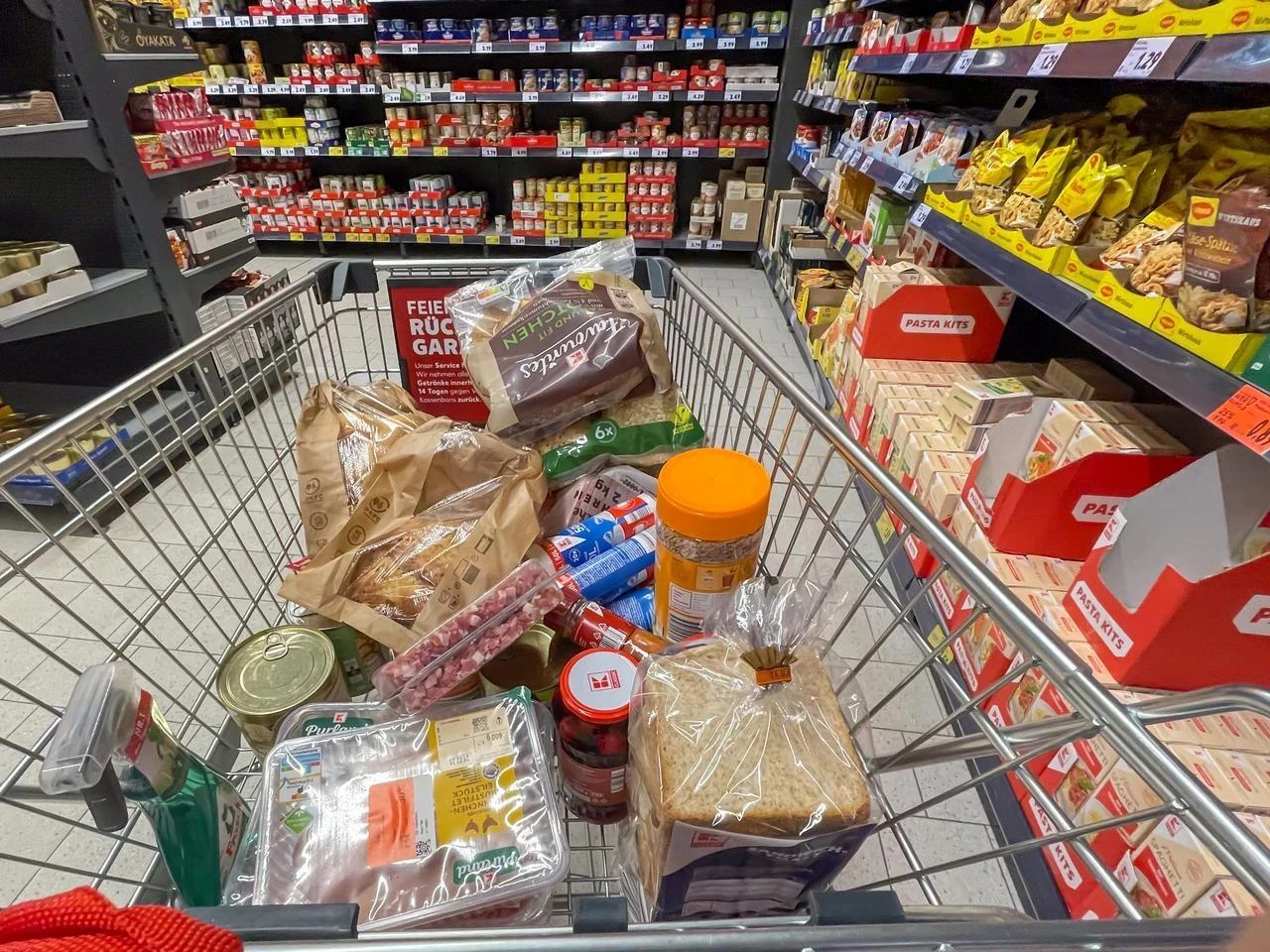
Dvorak said that fresh fruit and vegetables will show the effects of the disruption first because they go from farms to stores quickly. Processed foods like bread, pasta, fruit juice, sweets, dairy products, wine, and other drinks will take longer to be affected.
These supply disruptions are already starting to reflect in global markets. The U.N. Food and Agriculture Organization's Food Price Index averaged 131.1 points in July, up 0.6% from June and 1% from a year earlier.
Cereal prices rose 3.4% month-on-month, including increases of 5.8% for wheat and 3.6% for maize. Sugar prices climbed 5.6%, partly because of concerns about persistent hot, dry weather in the EU.
When there is not enough rain, farmers have to use more irrigation. Pumping and moving water uses energy, and water restrictions can force farmers to compete with households, industries, and power plants for the limited supply.
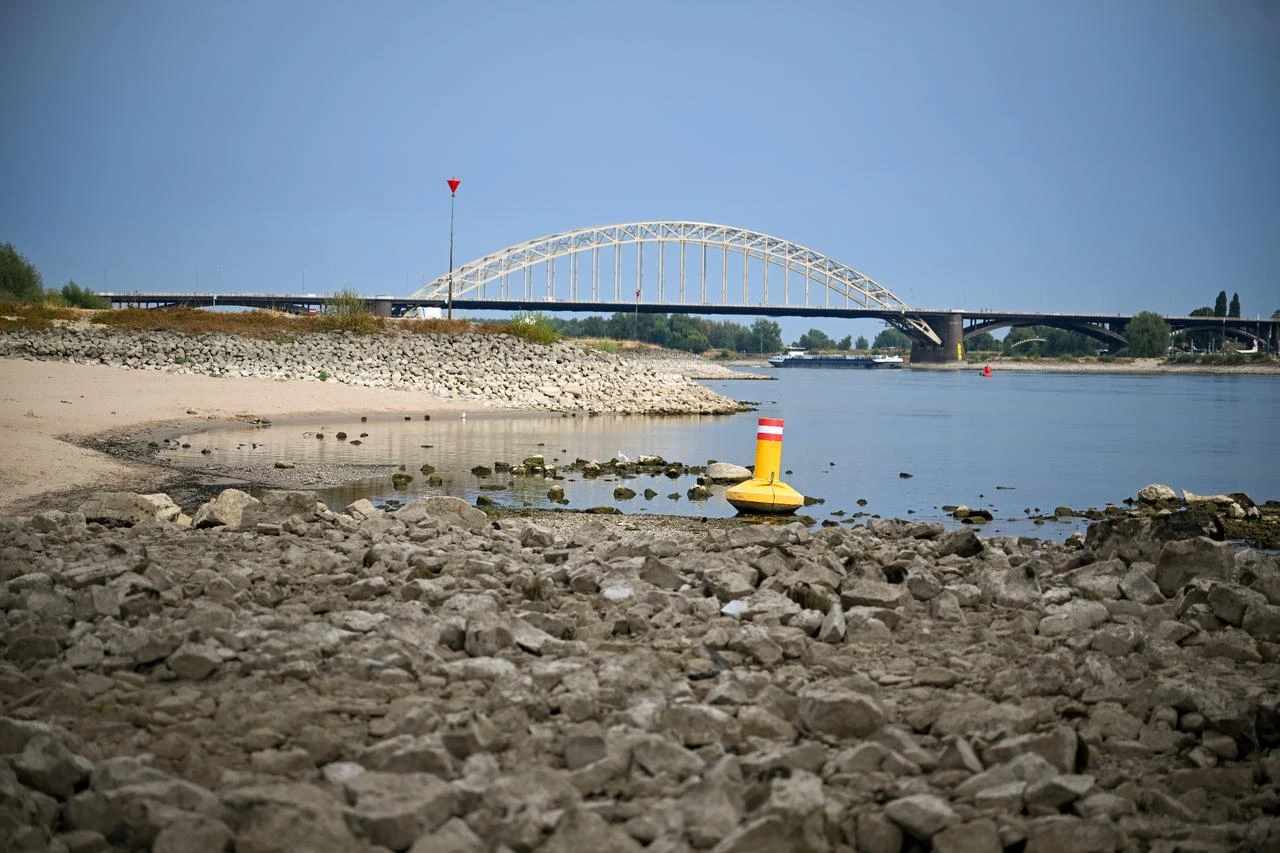
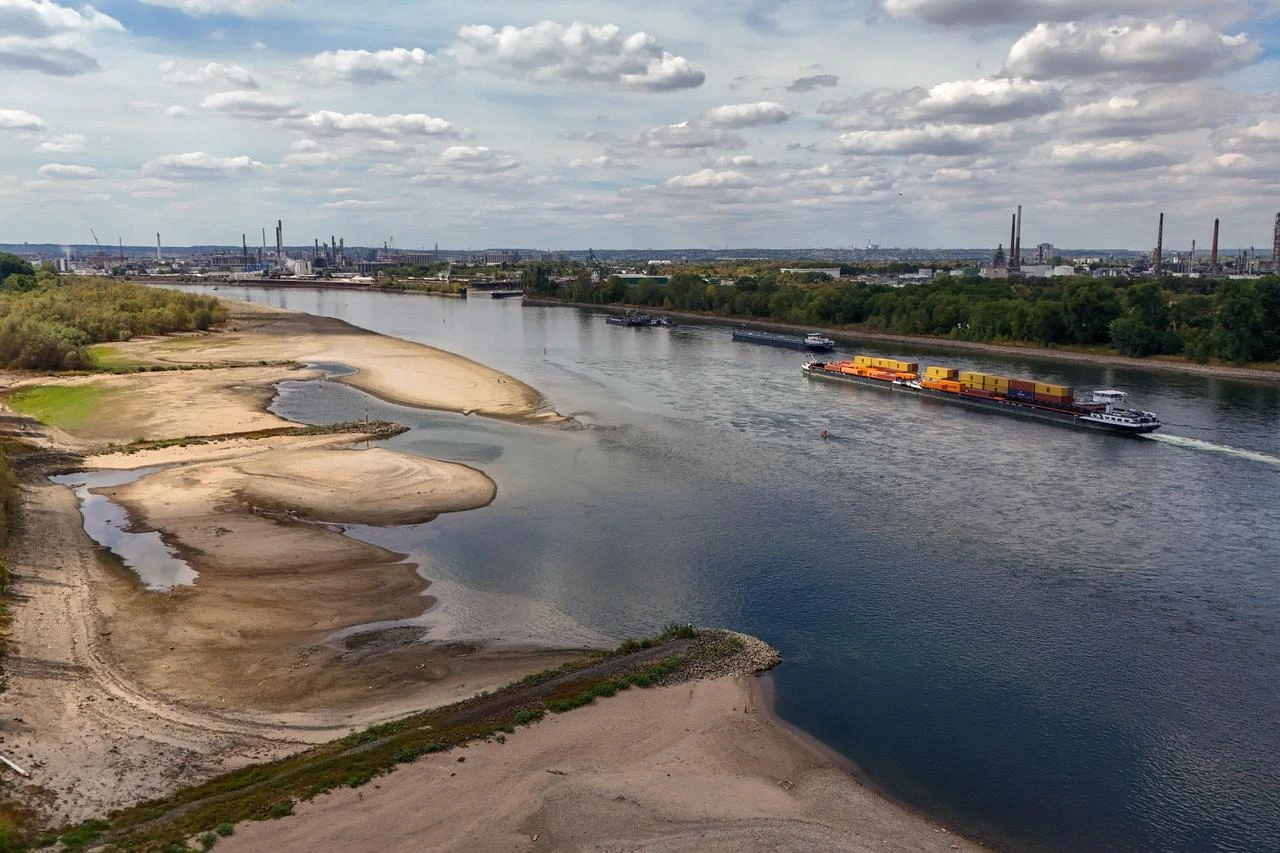
Distribution costs also go up. Low water levels on the Rhine and Danube mean cargo ships must carry less, raising transport costs per ton. Some ships run at only about 30% capacity, Dvorak said.
"Here we see that the effects ripple out in a cascade. So we see the impacts not only in the fields, but increasingly on supermarket shelves as well," Gornott said.
Dvorak expects that extreme weather and geopolitical issues affecting fuel and fertilizer will push eurozone food inflation close to 4% in 2027. This could add about 0.3 percentage points to overall inflation.
If European households keep buying the same amount of food and drinks as before, they would have to spend an extra €120 billion to €150 ($131 billion to $164 billion), Dvorak said. Lower-income households would feel the most strain.
Dvorak said that while the effects of a single drought might go away over time, repeated climate shocks are now a regular part of Europe's food economy.
"This effectively is the new normal," he said.


 Set as preferred source
 Set as preferred source


 1 min read
 1 min read


