Newsletters


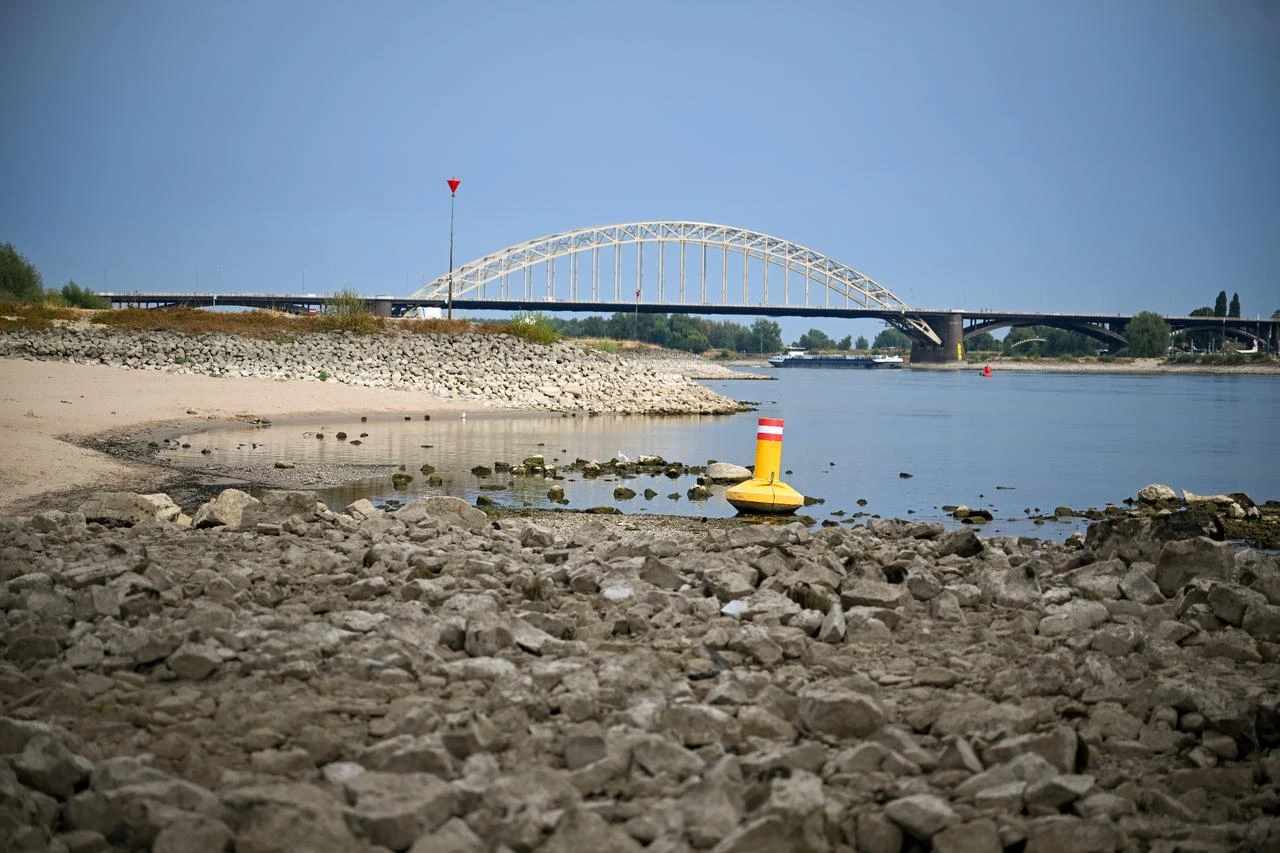


Scientists have found that the waters surrounding Europe are warming faster because of climate change, with growing consequences for marine life, food systems, and coastal communities.
Researchers from the World Weather Attribution (WWA) group, drawing on experts from Switzerland, Sweden, the United States, Ireland, and the United Kingdom, analyzed how climate change is driving rising sea surface temperatures across the region.
According to the analysis, scientists observed marine heatwaves this summer across a stretch of ocean extending from Ireland to the Mediterranean, with sea surface temperatures in some areas climbing as much as 6 degrees Celsius above average.
The scientists found that fossil fuel-driven climate change directly caused warming of about 2 degrees Celsius (3.6 degrees Fahrenheit) in the Mediterranean, 1.4°C in the Bay of Biscay and the Iberian Peninsula region off the Atlantic coast of Spain, Portugal, and France, and 1.3°C in the Celtic Sea region between Ireland and southwestern Britain.
This year, 90% of the Bay of Biscay and Iberian coastal region, 80% of the western Mediterranean and 70% of the eastern Mediterranean are experiencing marine heatwave conditions. Without climate change, researchers said those figures would stand at 40% for the Bay of Biscay and western Mediterranean and just 9% for the eastern Mediterranean.
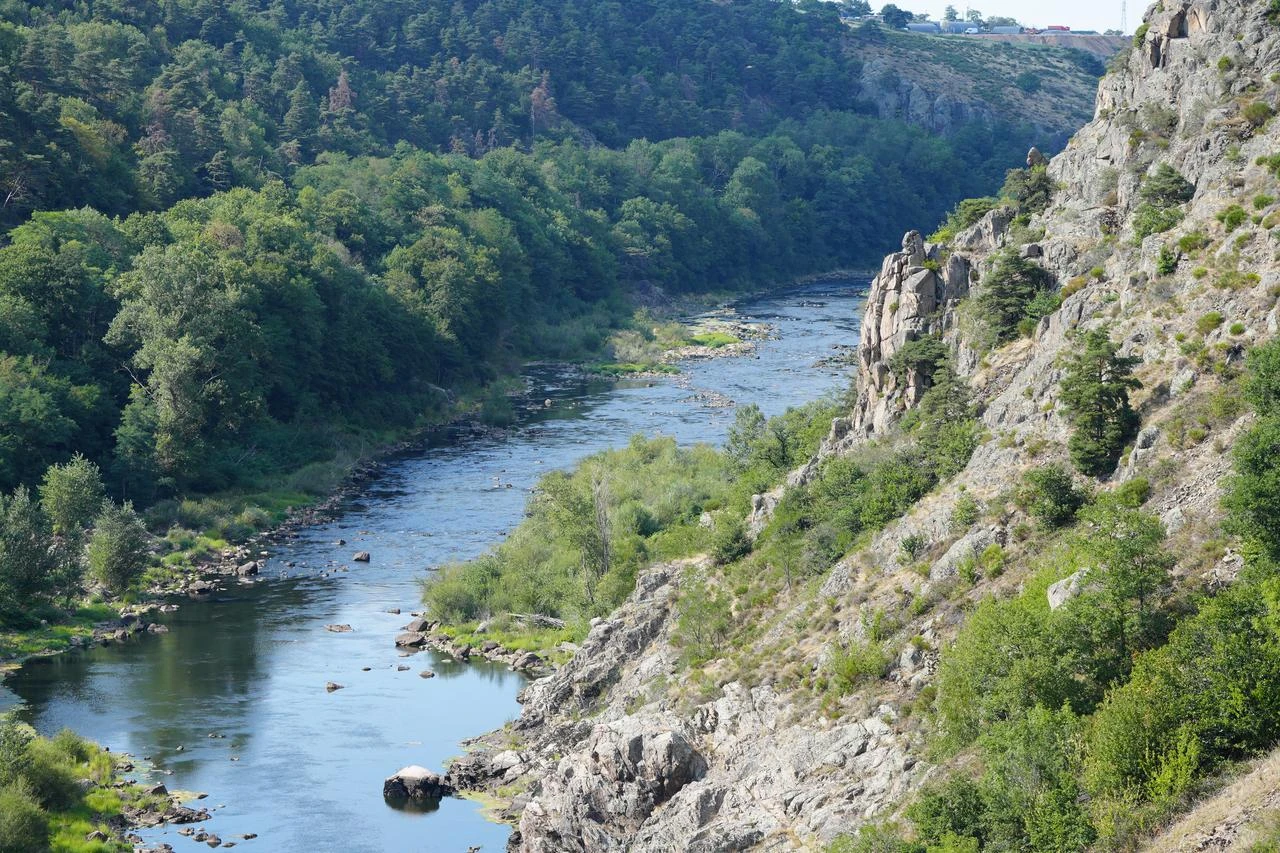

Extreme ocean temperatures can trigger mass die-offs of habitat-forming species such as corals, sponges and macroalgae, producing cascading effects across entire ecosystems, according to the analysis.
Marine heatwaves can also cause sharp declines in bird and mammal populations, researchers noted.
Friederike Otto, professor of climate science at the Center for Environmental Policy at Imperial College London, said the oceans are warming faster than the global average temperature.
"This has direct consequences for life on land and in the sea," Otto said. "By delaying the shift away from fossil fuels, we are pushing many ocean ecosystems one step closer to collapse."


 Set as preferred source
 Set as preferred source



 2 min read