Newsletters




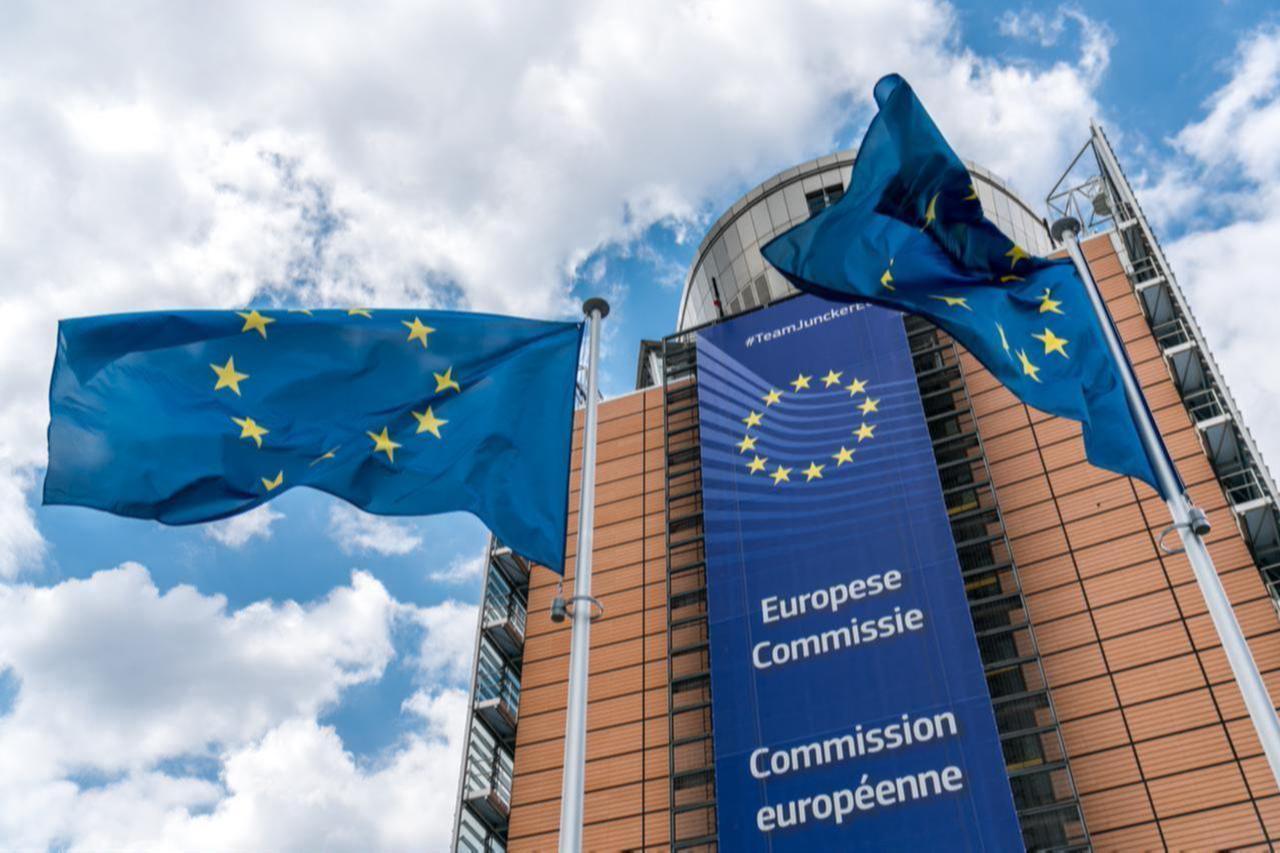
The European Commission on Thursday unveiled "ProtectEU," a sweeping new security strategy designed to combat terrorism and violent extremism across the bloc, marking a significant expansion of the EU's counterterrorism architecture in the face of rapidly shifting digital and geopolitical threats.
The initiative lays out six core priorities, spanning threat anticipation, radicalization prevention, online protection, the securing of public spaces and critical infrastructure, attack response, and strengthened international cooperation. EU officials said the strategy will help prevent threats before they materialize while improving the bloc's capacity for rapid response when attacks do occur.

At the heart of ProtectEU is a recognition that the threat landscape has fundamentally changed. The Commission pointed to the misuse of digital technologies, the online radicalization of minors, and rising geopolitical tensions as key drivers behind the new approach.
To sharpen the EU's intelligence picture, the strategy calls for expanding the Single Intelligence Analysis Capacity and reinforcing Europol's analytical capabilities. Funding will also be directed toward research on emerging security challenges posed by artificial intelligence, drones, and 3D-printed weapons, technologies that have increasingly drawn concern from law enforcement agencies across Europe.
The Commission plans to introduce a "Prevention Toolbox" alongside a 5 million euro ($5.9 million) "Community Engagement and Empowerment Program" aimed at countering radicalization and empowering young people.
The twin measures reflect a growing emphasis within European security circles on upstream intervention, addressing the conditions that give rise to extremism rather than responding solely to its consequences.
On the digital front, the Commission signaled plans to revise the Terrorist Content Online Regulation, a framework first adopted in 2021 that requires platforms to remove flagged terrorist content within one hour of receiving a removal order.
The strategy also envisions strengthening cooperation with technology companies through the EU Internet Forum and upgrading the existing EU Crisis Protocol into a broader Online Crisis Response Framework.
An investment of 30 million euros will be directed toward enhancing security at public spaces, while new measures to track terrorism financing, including through cryptocurrencies, are also in the pipeline. The growing use of digital currencies by illicit networks has emerged as a persistent concern for European regulators and law enforcement in recent years.
Internationally, the Commission pledged to intensify cooperation with Mediterranean and Western Balkan partners on intelligence sharing and joint counterterrorism operations, regions that have long featured prominently in EU security planning due to migration routes and proximity to conflict zones.


 Set as preferred source
 Set as preferred source


 1 min read


 1 min read