Newsletters


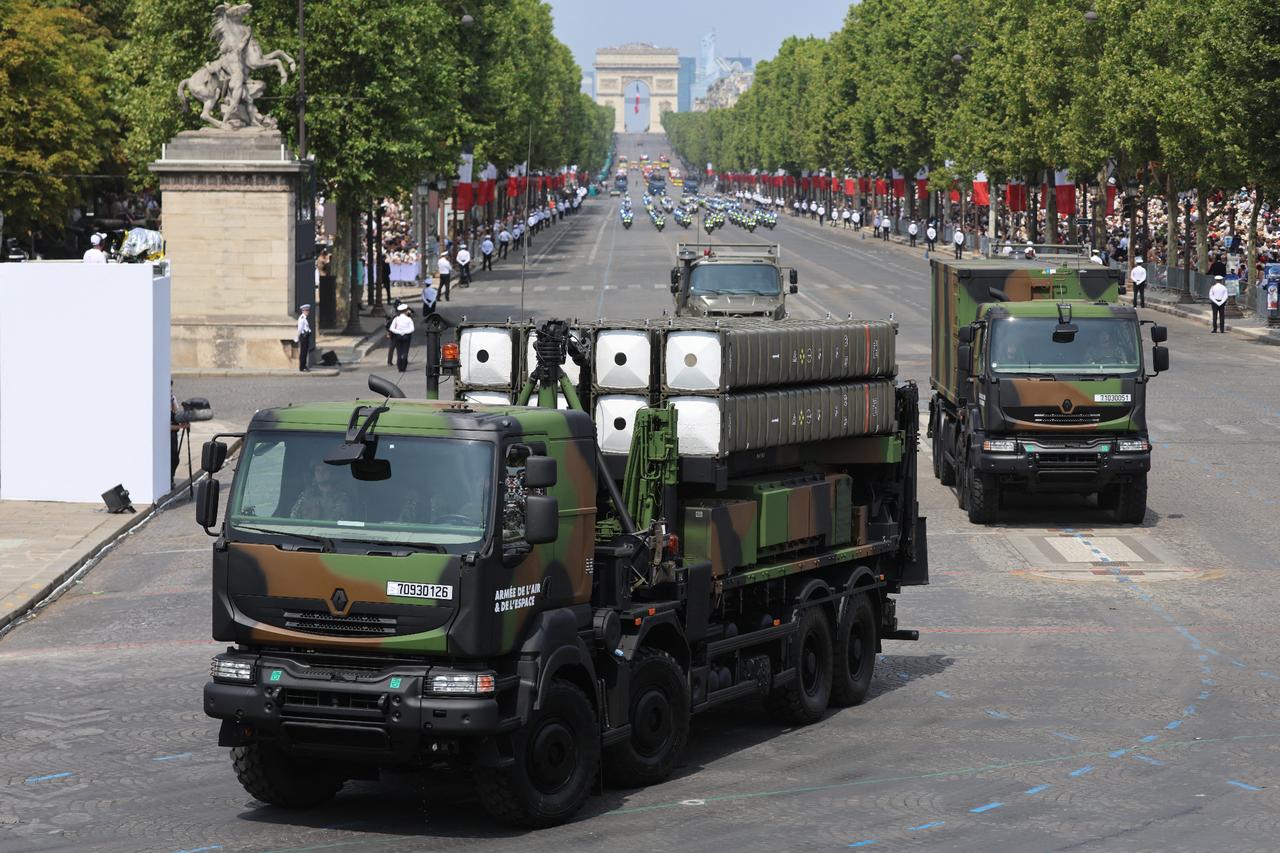


Five European defense companies signed a letter of intent Tuesday to establish the Bliksem EXO Consortium, aiming to develop what they described as Europe's first sovereign exo-atmospheric interceptor against medium- and intermediate-range ballistic missiles.
Airbus Defense and Space, Destinus, MBDA Deutschland, Safran Electronics & Defense, and Thales signed the letter of intent in Paris during the inaugural meeting of what organizers called the anti-ballistic coalition, held at the French Ministry for Europe and Foreign Affairs in the presence of Dutch Prime Minister Rob Jetten.
The Bliksem EXO system is designed as the upper layer of a broader European missile defense architecture, intended to detect, track and defeat medium-range and intermediate-range ballistic missile threats, including what the companies described as Oreshnik-class systems with separating and maneuvering re-entry vehicles, during the midcourse phase of flight, above the atmosphere.
The system is designed to intercept threats through direct kinetic hit-to-kill impact rather than an explosive warhead.
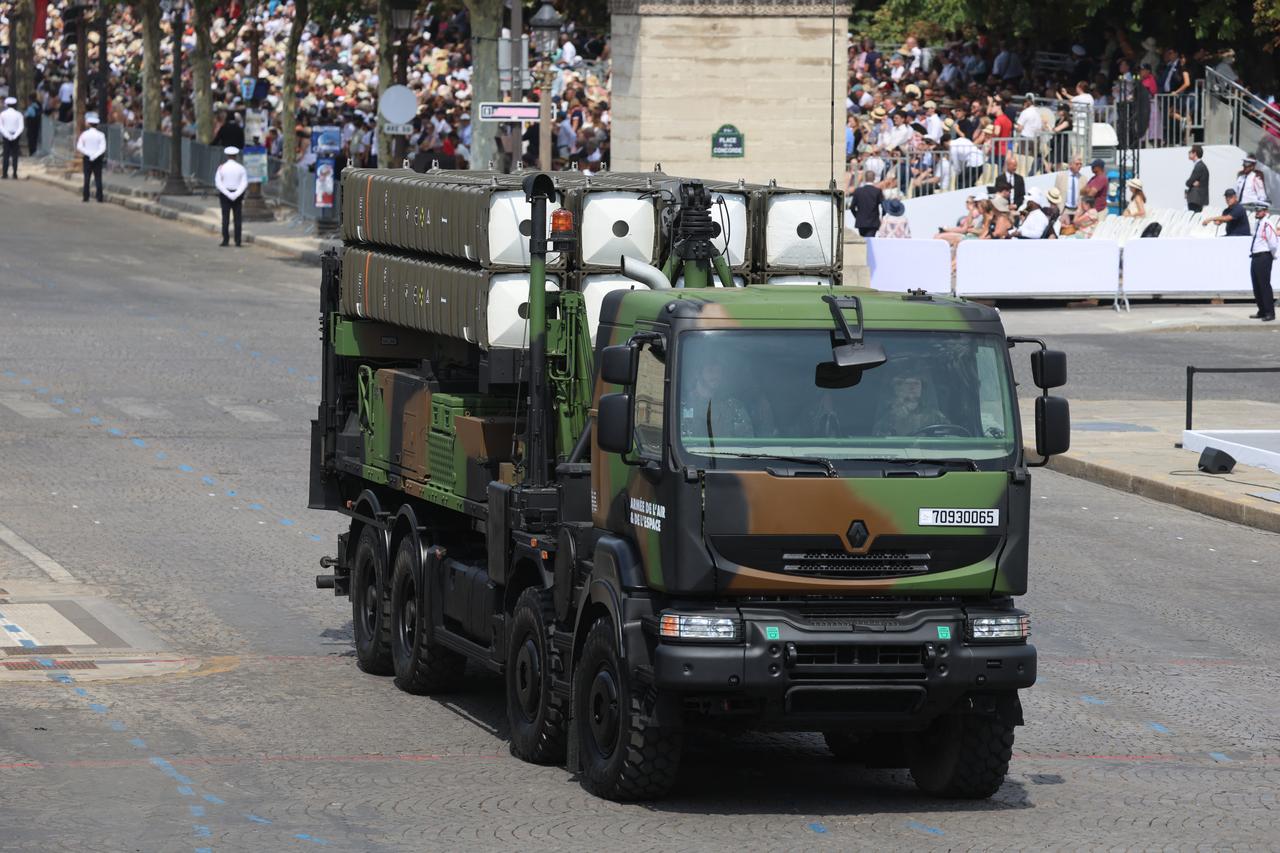
According to the companies, the system is intended to complement rather than compete with existing and planned European lower-layer missile defense capabilities, forming a layered system with terminal and theater defenses below and Bliksem EXO operating above the atmosphere.
The program is designed for full interoperability with NATO's Integrated Air and Missile Defense (IAMD) architecture and is intended to strengthen the European Sky Shield Initiative by addressing what the companies described as its currently missing upper layer.

Within the consortium, Destinus serves as lead and prime contractor, responsible for system integration and the exo-atmospheric kill vehicle.
The companies said the program will draw on Ukraine's operational experience countering massed air and missile attacks during system design, testing, and evaluation, subject to applicable export-control, security, and governmental requirements.
The parties intend to enter a binding consortium agreement within three months of signing. Joint engineering work is set to begin in August 2026, with the consortium planning to conduct a test of the exo-atmospheric kill vehicle in space in 2027.
The letter of intent records the parties' good-faith intentions and does not create any obligation to procure, supply, or fund the system, with all activities subject to applicable national and European export-control laws, security requirements, intellectual property arrangements, and governmental procedures.
Dutch Prime Minister Rob Jetten said Ukraine, nine European countries and multiple European defense companies had jointly launched what he called the anti-ballistic coalition.
"Bliksem EXO is one of the industrial pillars of this initiative that is led from the Netherlands by Destinus," Jetten said.
"It brings together leading European defense companies and draws on Ukraine's unique operational experience. This is how European cooperation becomes real protection against ballistic threats," he added.
Destinus CEO Mikhail Kokorich said the program was designed to close a specific capability gap.
"Europe has strong lower-layer missile defenses, but it still lacks a sovereign European upper layer against medium- and intermediate-range ballistic missiles. Bliksem EXO is designed to close that gap through direct hit-to-kill interception above the atmosphere. Joint engineering begins in August 2026, and we intend to test the exo-atmospheric kill vehicle in space in 2027," Kokorich said.
MBDA Deutschland Managing Director Thomas Gottschild called the agreement "an important step towards strengthening Europe's collective defense capabilities through closer cooperation and shared expertise."
Airbus Defense and Space CEO Michael Schoellhorn said the system would "add a crucial complement to Europe's existing Air and Missile Defense," while Safran's Alexandre Ziegler said hit-to-kill interception above the atmosphere is "the most demanding precision task in missile defense."
Thales's Herve Dammann said the sensor chain, "seeing, tracking, and discriminating targets at extreme ranges", is the critical backbone of the program.
Europe has been working to close critical gaps in air and missile defense following Russia's invasion of Ukraine, amid growing concern over ballistic missile threats.


 Set as preferred source
 Set as preferred source



 1 min read