Newsletters


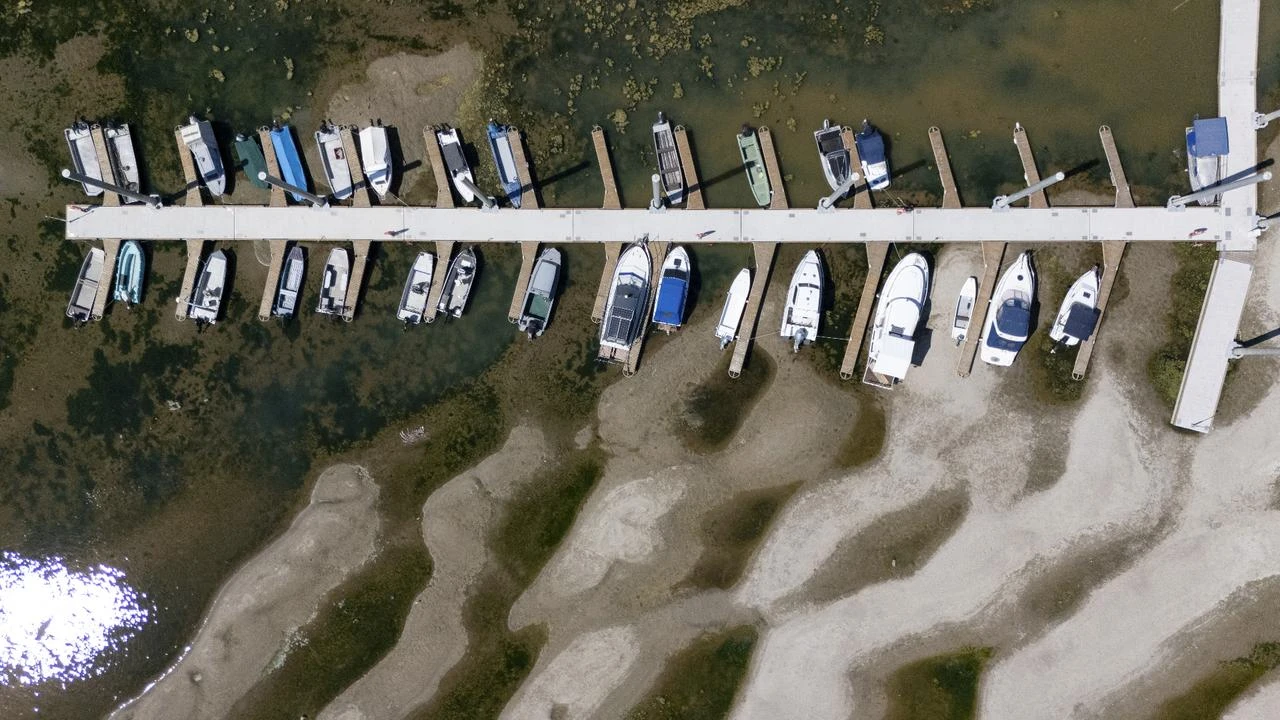
The effects of the climate crisis are deepening across Europe.
Boats lie stranded on bare sand near Batina, northeastern Croatia, on Aug. 9, after the harbor dried up entirely—one of the starkest signs of the drought now gripping much of Europe.
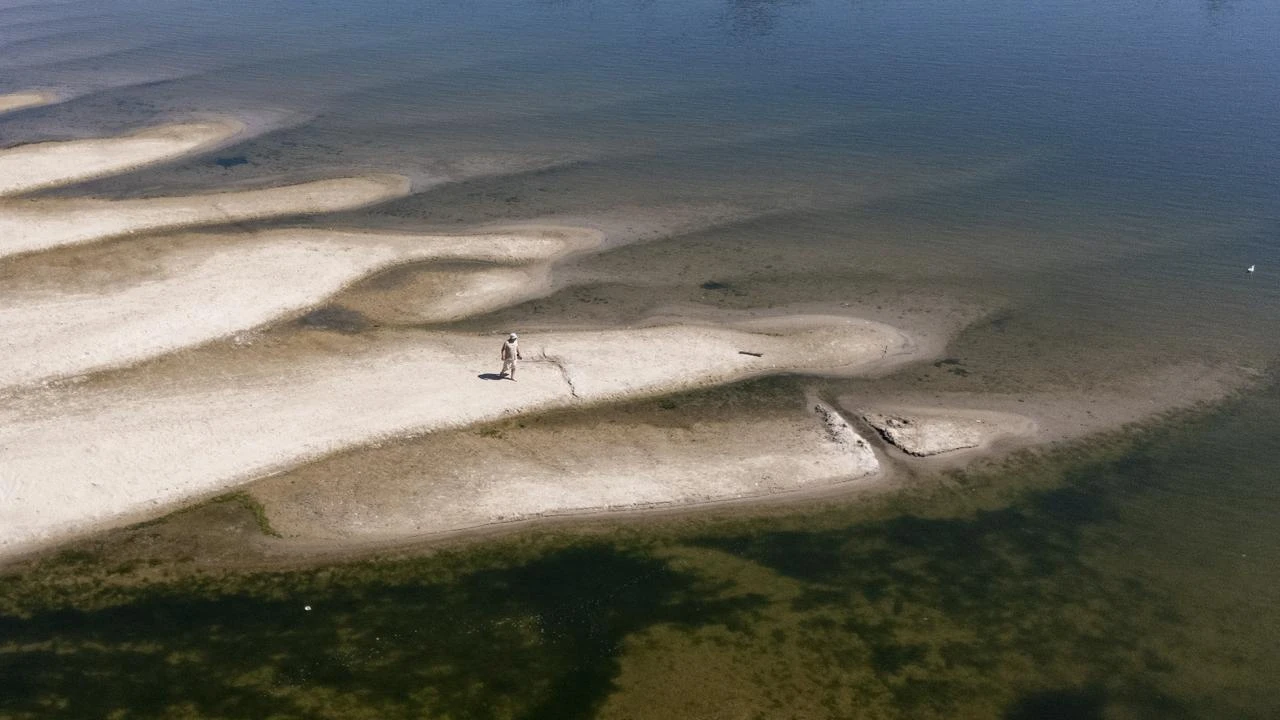
The Danube, Europe's second-longest river, has dropped to record lows in parts, leaving vessels unable to travel fully loaded along the waterway.
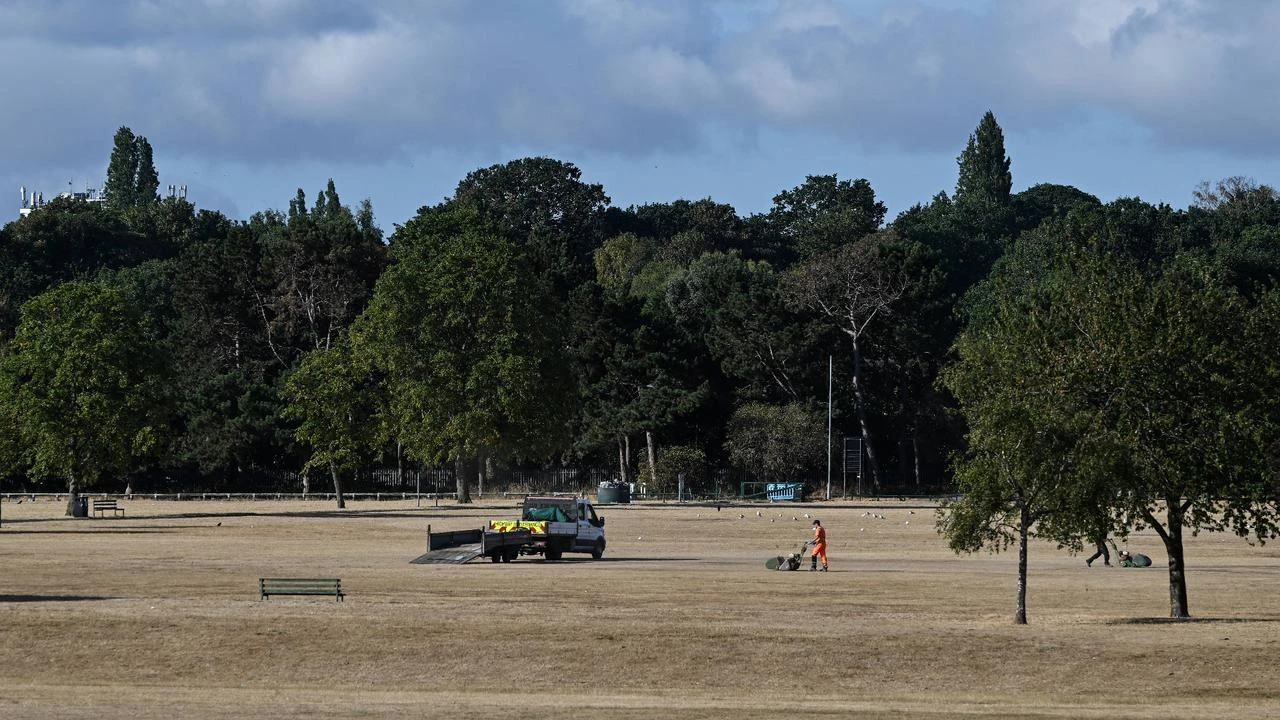
The picture is similar further west. A council worker trims the grass on a cricket pitch in a Birmingham park on Aug. 10, the green strip standing out against the parched, yellowed turf left behind by weeks without rain.
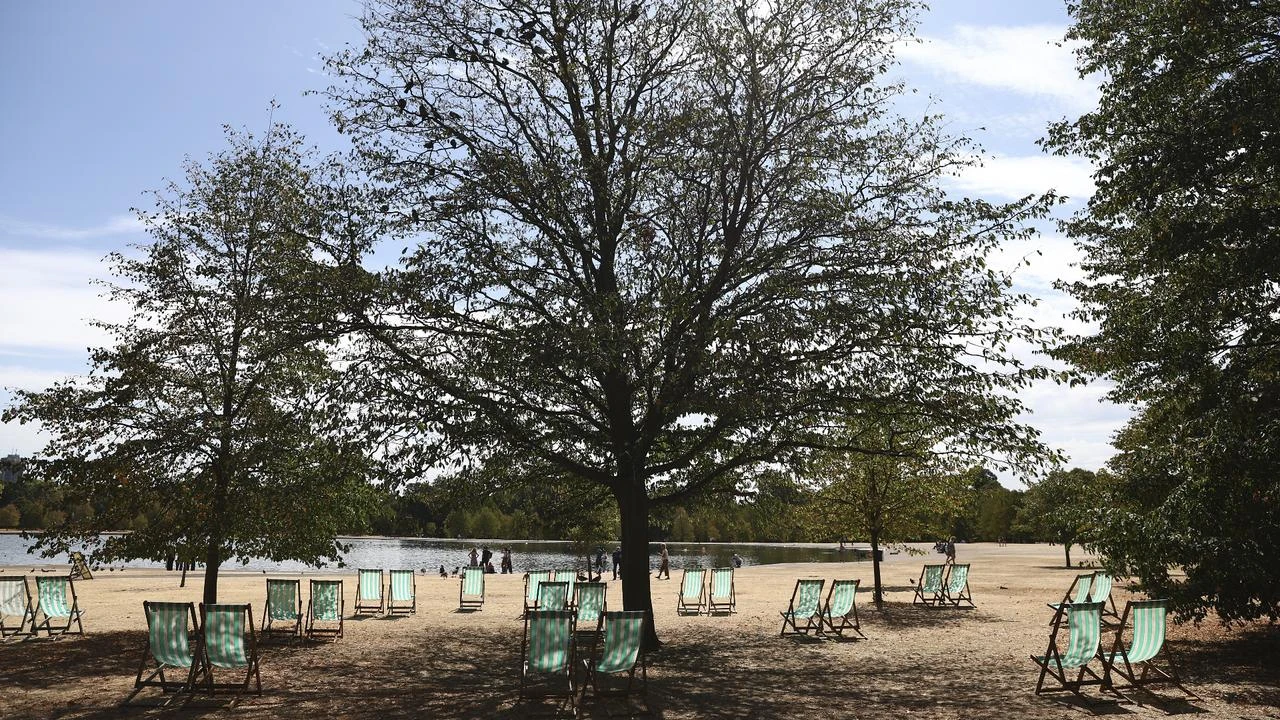
England and Wales recorded the driest July since records began. Some counties across England saw less than one millimetre of rain during the entire month of July.
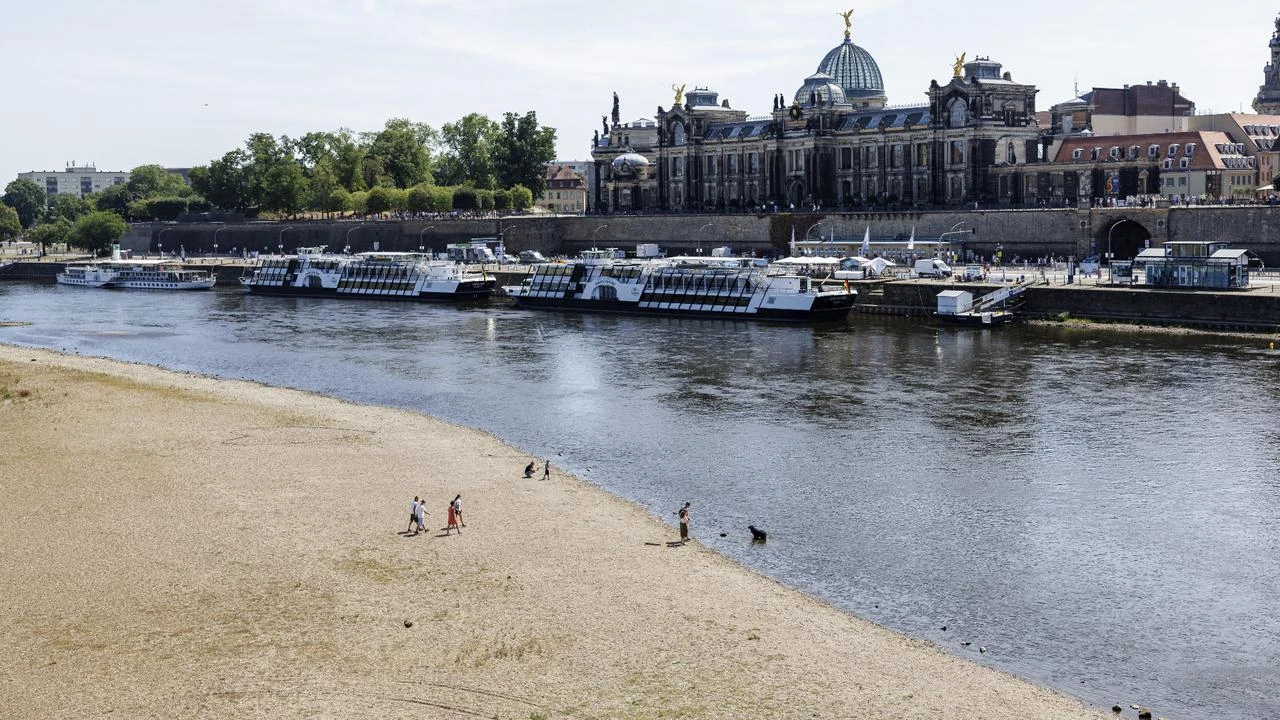
Germany also suffers from dry weather conditions; people walk on the long banks of the river Elbe as passenger ships are docked in Dresden, eastern Germany, on Aug. 9, as the situation keeps the water level of the river very low.
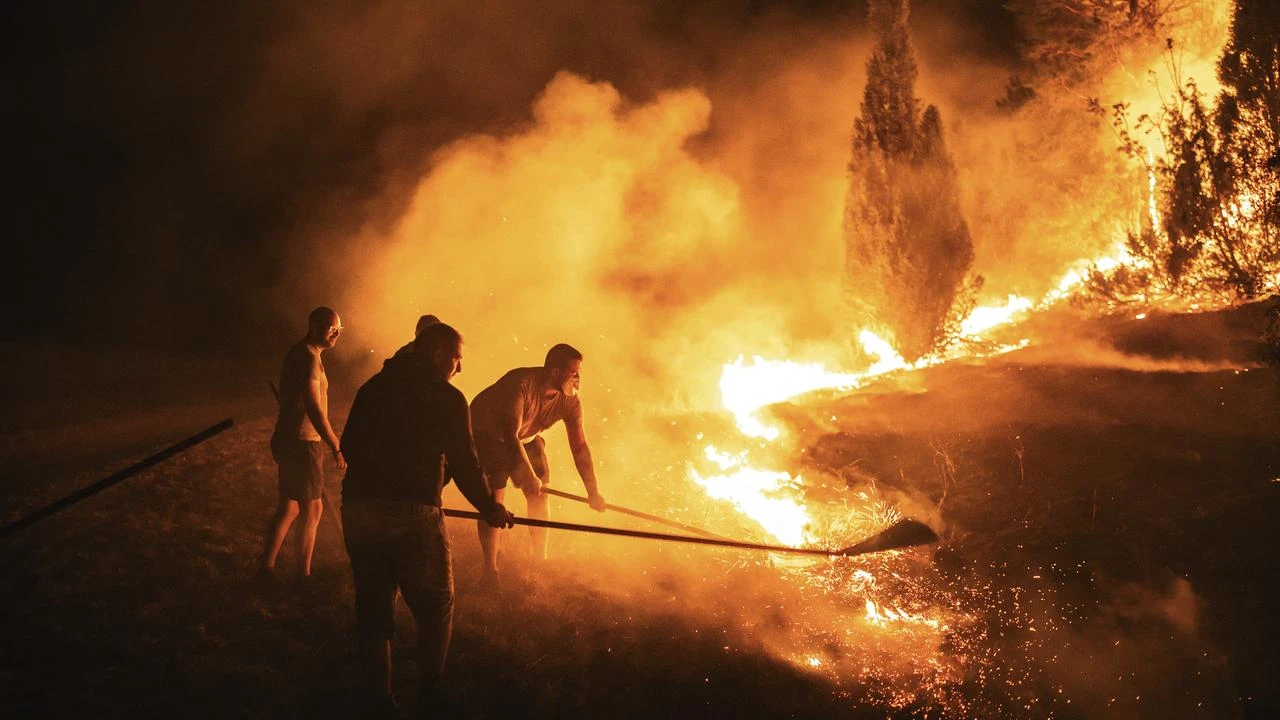
Elsewhere, the drought has fuelled fires. Locals and firefighters battle a wildfire in Deliblatska Pescara (Deliblato Sands), near the village of Dubovac, some 70 kilometres northeast of Belgrade, Serbia, on August 9.
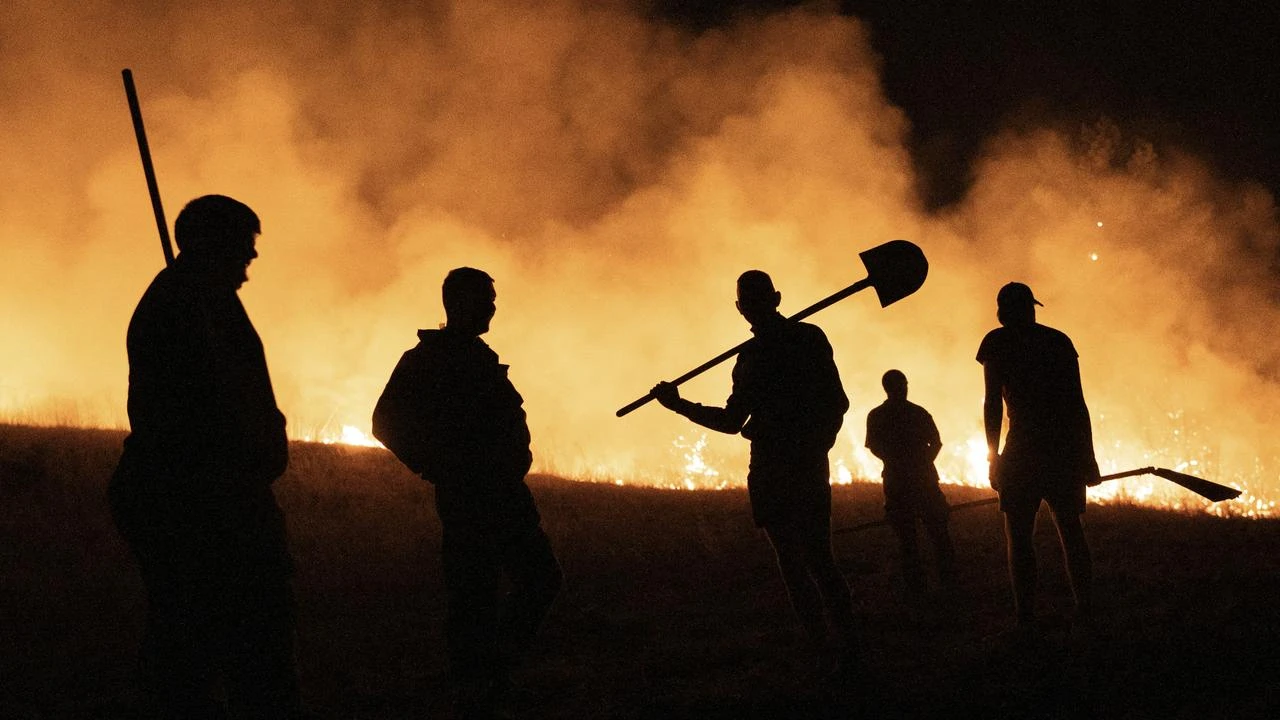
Firefighters were also battling wildfires across the Balkans as days of high temperatures and drought conditions continued to drive blazes in several countries, including Serbia.
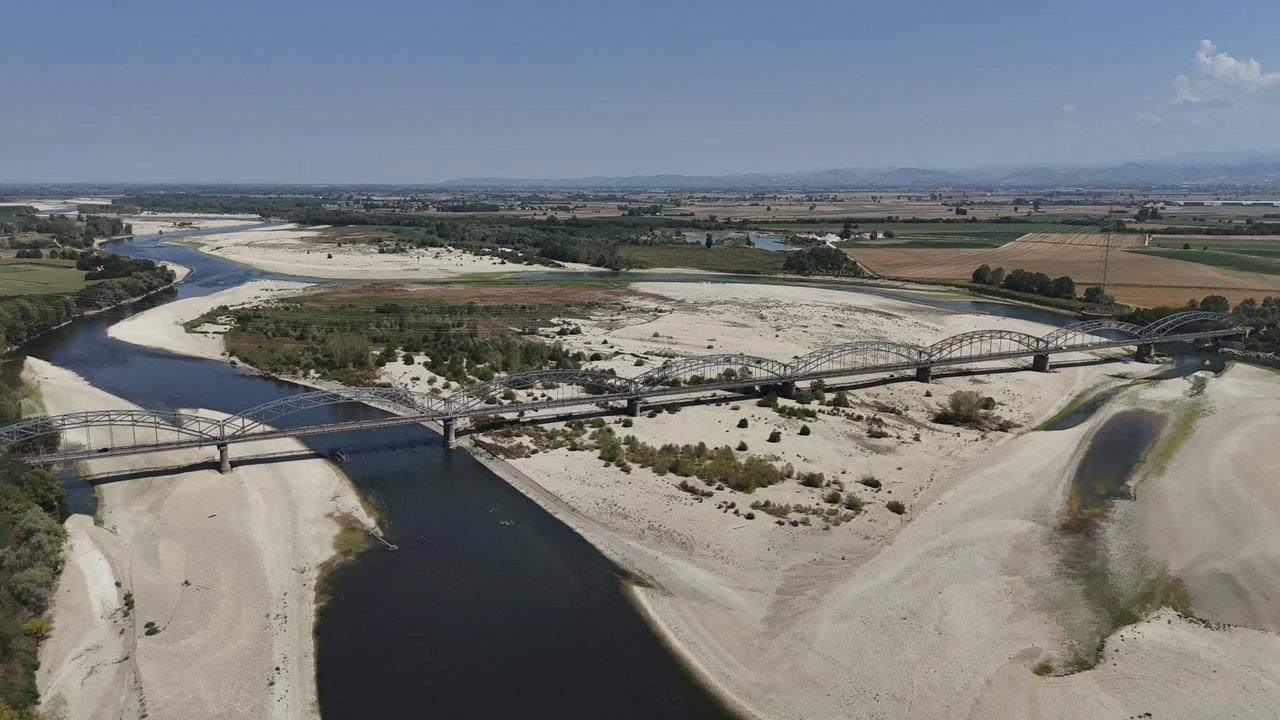
Italy has likewise been hit. This aerial photograph shows sandbanks exposed by the receding waters at the confluence of the Ticino and Po rivers in Linarolo, near Pavia, northern Italy, on Aug. 8.
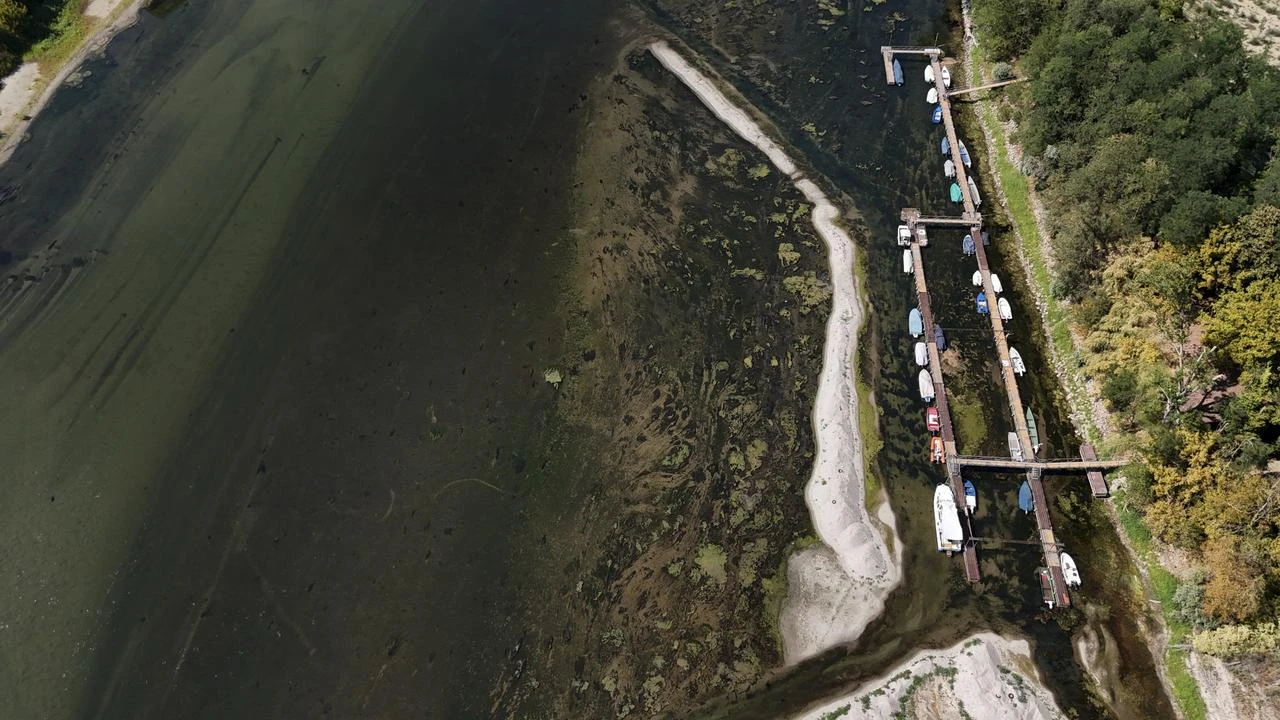
Another aerial view from the same area shows boats lying on the dried Ticino River, in Linarolo, near Pavia.


 Set as preferred source

 1 min read