Newsletters


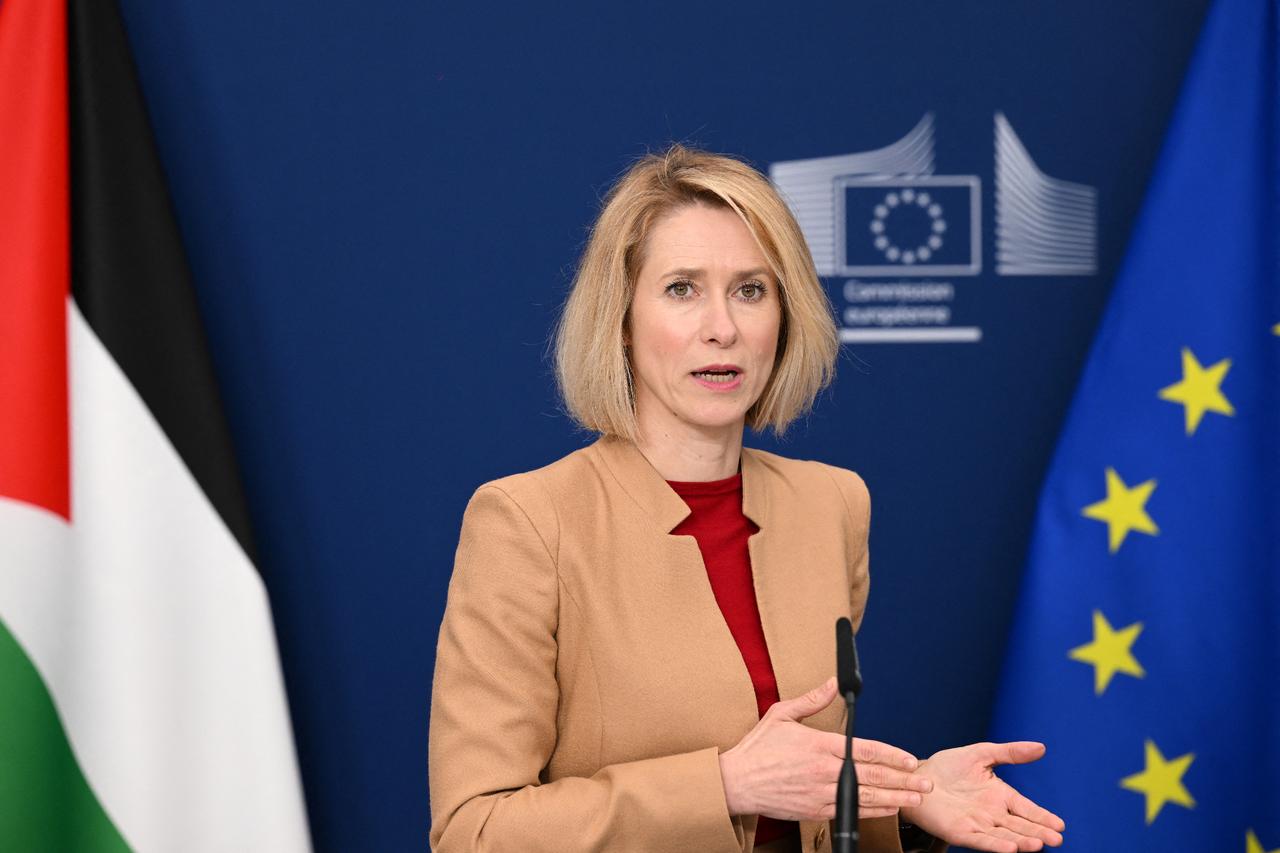


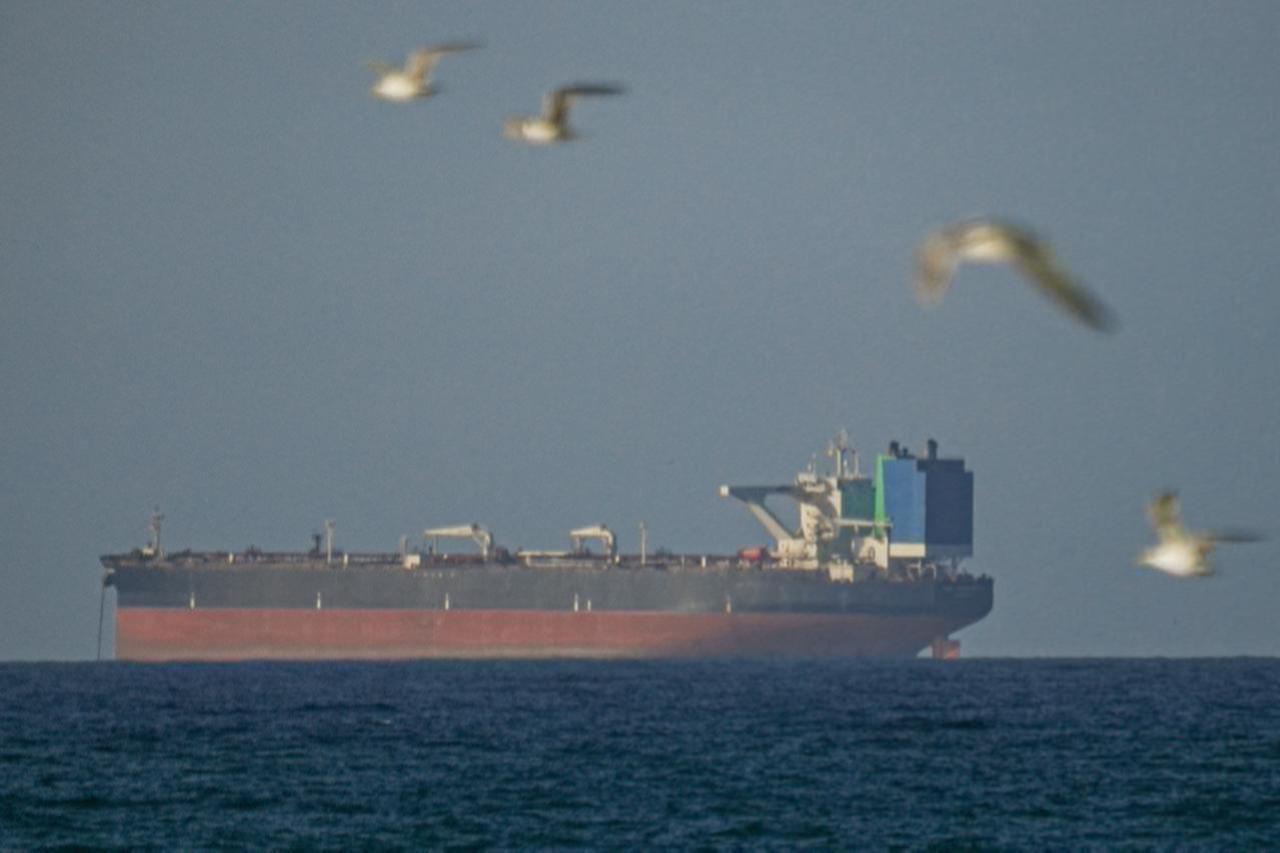
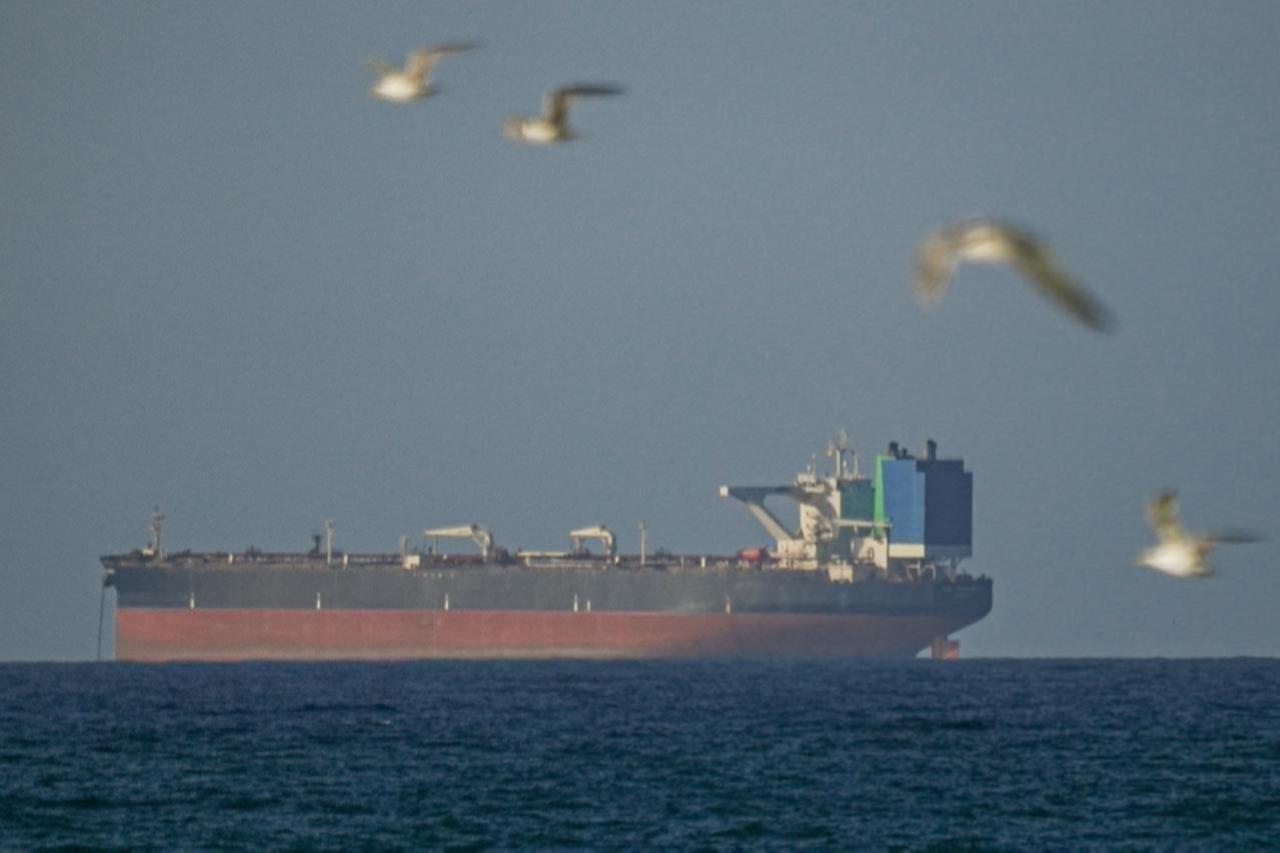
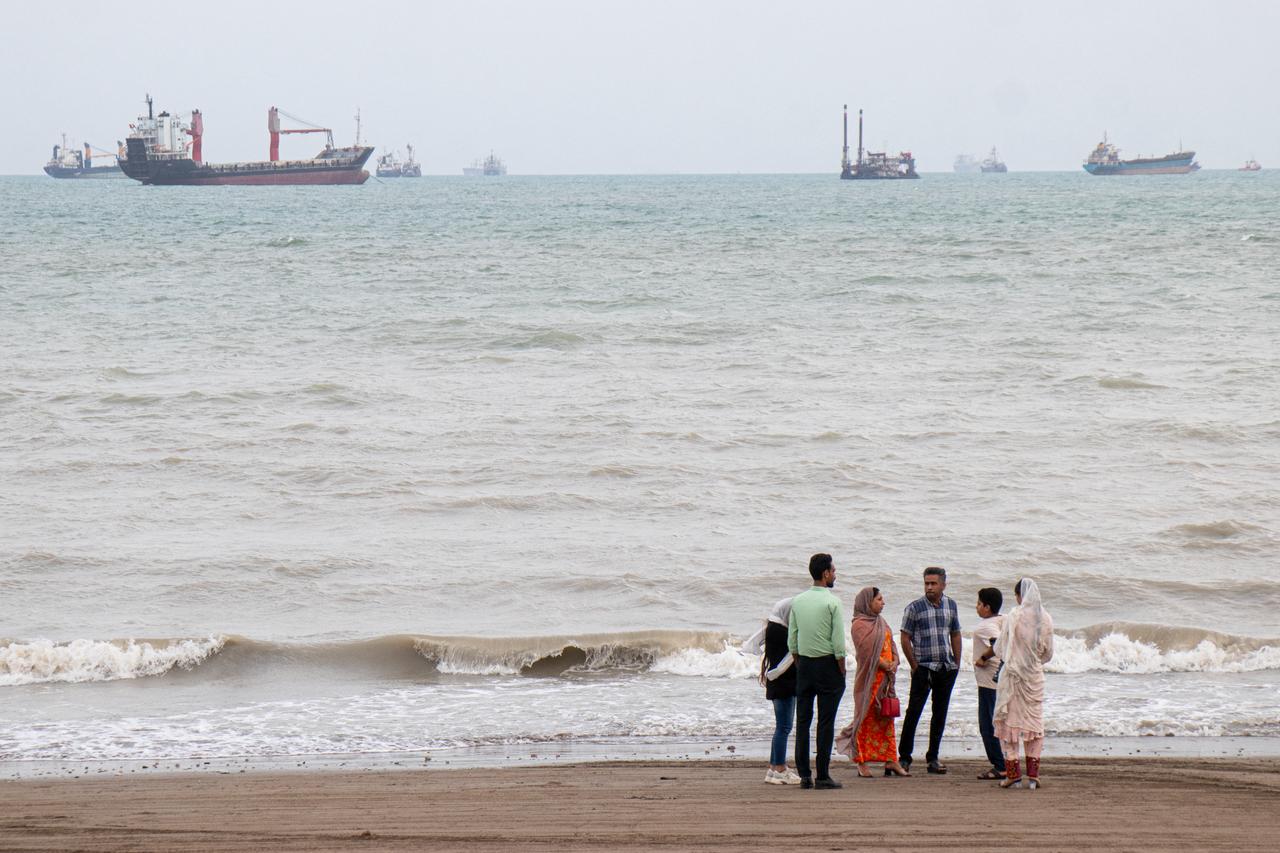
EU foreign policy chief Kaja Kallas warned Tuesday that the continued blockade of the Strait of Hormuz could set a “dangerous precedence” as the U.S.-Israeli war with Iran entered its second month.
Speaking in Brunei during the 25th EU-ASEAN ministerial meeting, Kallas said freedom of navigation must be protected.
“Freedom of navigation must remain free, or it will set a dangerous precedence elsewhere in the world,” Kallas told reporters.
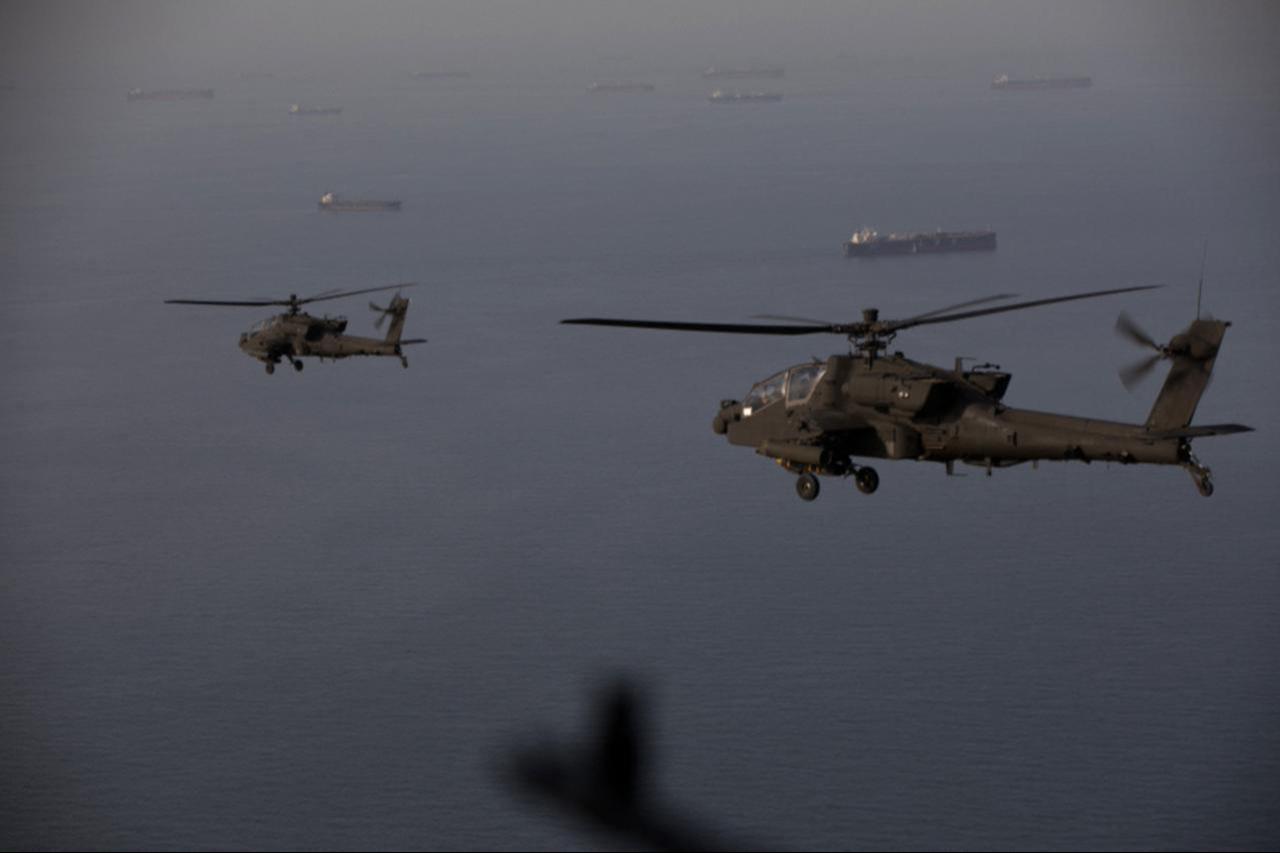

Kallas said diplomatic efforts have not yet produced a breakthrough two months into the Iran war.
“Higher energy prices hurt both Europe as well as Asia,” she said.
Speaking alongside Brunei Foreign Minister Prince Mohamed Bolkiah, Kallas said the current global situation showed the need for cooperation.
“In today’s global landscape, none of our countries can afford to stand alone,” she said. “What is happening in the Middle East makes this abundantly clear.”
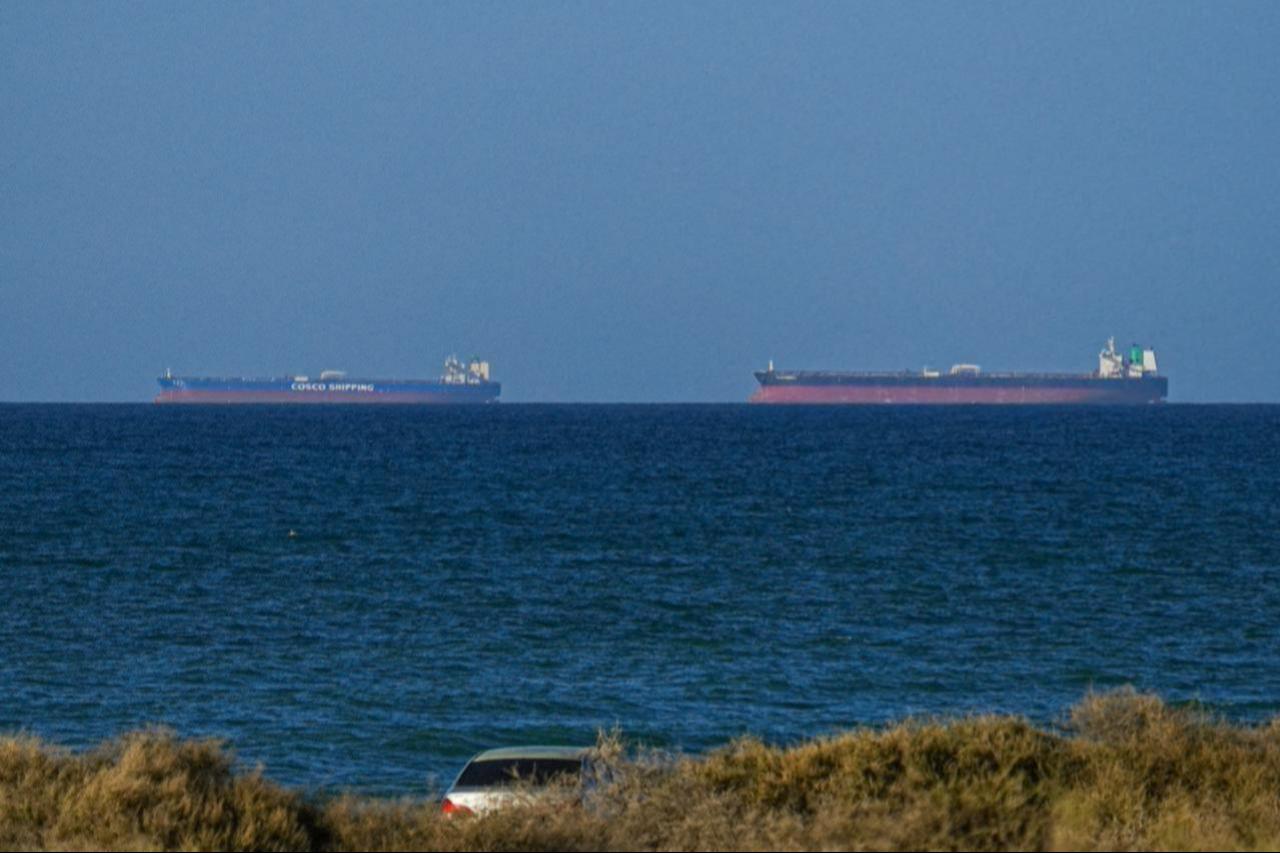
The U.S. and Israel launched the war on Iran on Feb. 28, triggering retaliation against U.S. allies in the Gulf and blocking the Strait of Hormuz.
The waterway is a key route for oil and gas shipments, and its closure has disrupted global energy supplies.
Over 3,300 people have been killed in Iran, and thousands have been internally displaced.
At least 13 U.S. servicemen were also killed and dozens of others wounded in the conflict.
The conflict came to a halt on April 8 when Pakistan secured a ceasefire between the sides.
Islamabad is continuing efforts to bring the U.S. and Iran to the negotiating table for fresh talks aimed at ending the war permanently.
The first round of talks was held earlier this month in the Pakistani capital.


 Set as preferred source
 Set as preferred source


 1 min read
 1 min read