Newsletters




Iran should leverage its current position to negotiate a settlement ending the war with the U.S. and Israel, former Foreign Minister Mohammad Javad Zarif said. In an article published by the Council on Foreign Relations, Zarif suggested a deal to reopen the Strait of Hormuz, secure sanctions relief, and establish nuclear limits.
Zarif said Iran should declare victory rather than continue a war that he said would only bring further destruction to civilian lives and infrastructure.
He argued that Tehran should offer limits on its nuclear program and safe passage through the Strait of Hormuz in exchange for the removal of sanctions and a broader agreement with Washington.
Zarif wrote that although some Iranians want to continue fighting until the United States and Israel are punished, prolonging the war would only deepen the damage and increase the risk of a wider conflict.
He said Tehran should instead use what he described as its upper hand to end the war and prevent another one.
According to Zarif, Iran should offer to place limits on its nuclear program and reopen the Strait of Hormuz in exchange for an end to all sanctions. He also said Iran should be ready to accept a mutual nonaggression pact with the United States, under which both sides would pledge not to strike each other in the future.
He added that economic interaction with the United States could also be part of such an agreement and said these steps would allow Iranian officials to focus more on domestic issues.

Zarif said many Iranians remain deeply angry with the United States, not only because of the current war but also because of what he described as repeated betrayals over the years.
He referred to Iran's assistance to the United States against al-Qaeda in Afghanistan after the Sept. 11 attacks, the inclusion of Tehran in former President George W. Bush's "axis of evil," the 2015 nuclear deal under President Barack Obama and President Donald Trump's withdrawal from that agreement.
He said President Joe Biden continued sanctions policies despite promising to revive diplomacy.
According to Zarif, distrust deepened further after Trump's return to office for a second term. He wrote that although Washington said it was interested in a new deal and Iran sent diplomats and experts to negotiate, the White House later launched what he described as a massive assault against Iranian civilians.
Zarif said talks could produce either a ceasefire or a comprehensive peace settlement, but argued that a ceasefire would be fragile because the underlying tensions between Tehran and Washington would remain unresolved.
He said the better option would be a broader agreement that addresses the fundamental disputes between the two sides and uses the current conflict as an opportunity to end decades of belligerence.
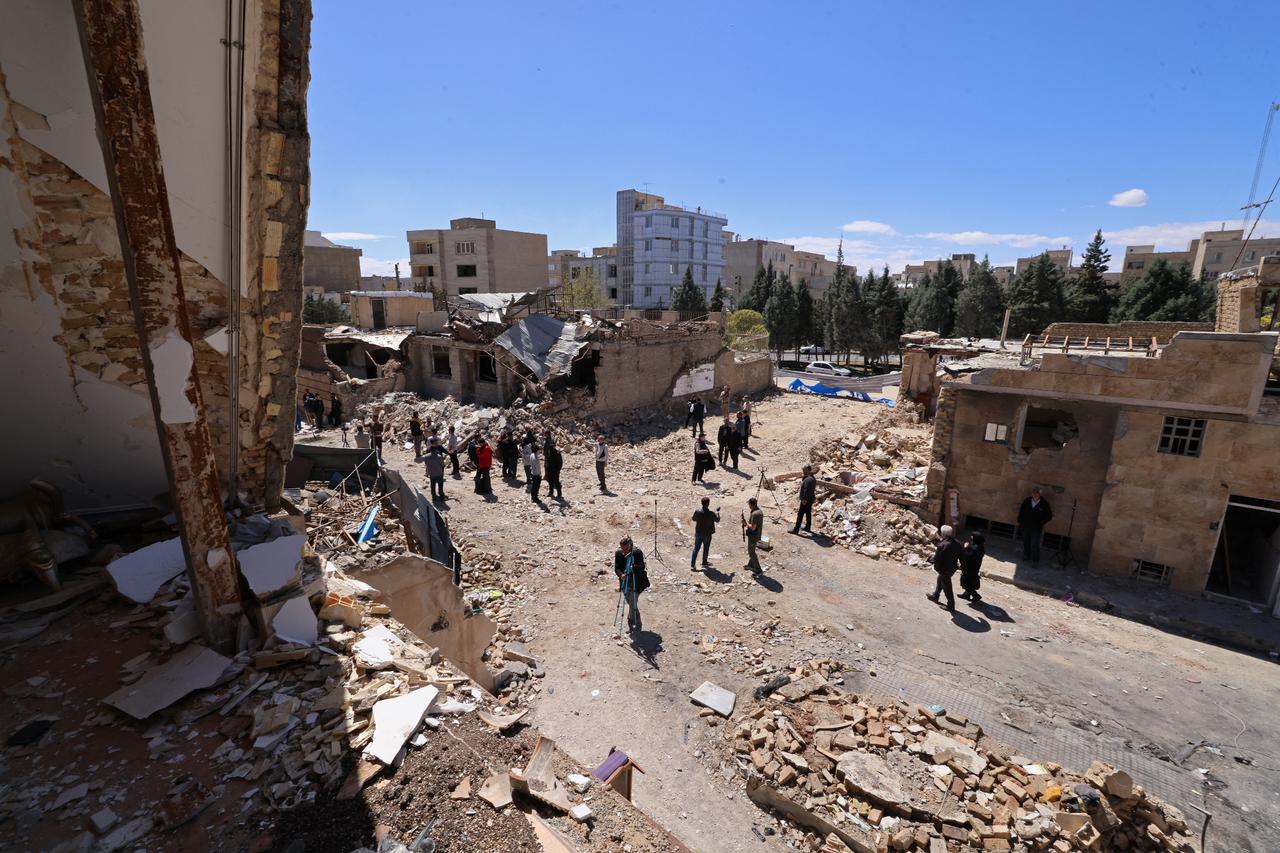
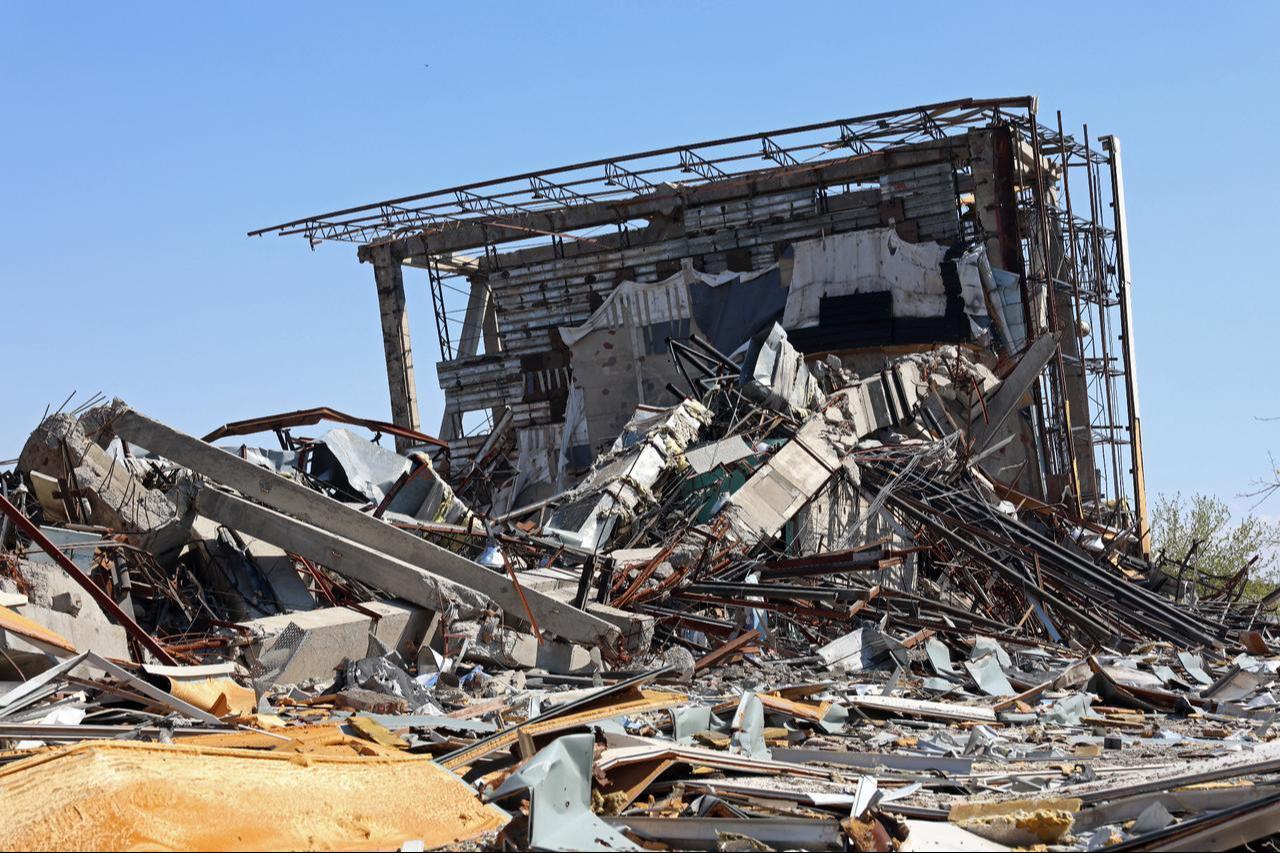
According to Zarif, prolonged hostility would bring greater loss of life and resources without changing the existing stalemate, especially as Iranian infrastructure continues to come under attack.
He also said continued fighting could lead to a U.S. ground invasion, which he described as a desperation move that would push Washington into a deeper quagmire but would still not produce gains for Iran.
Zarif said reciprocity would be essential in the first phase of any settlement.
He wrote that all sides in West Asia would need to stop fighting, while Iran, in cooperation with Oman, would ensure the safe passage of commercial vessels through the Strait of Hormuz.
At the same time, he said the United States would need to allow the strait to be open for Iran as well.
Zarif argued that although the strait borders Iranian territory, it has effectively been closed to Iran for years because of U.S. sanctions. He said that even before a final agreement is reached, Washington should allow the unhindered sale of Iranian oil and byproducts and the safe repatriation of those proceeds.
As part of a permanent agreement, Zarif said Iran should commit to never seeking nuclear weapons and reduce its entire stockpile of enriched uranium to an agreed level below 3.67%.
In return, he said the United States should move to terminate all Security Council resolutions against Iran, eliminate U.S. unilateral sanctions and encourage its partners to do the same.
He also said Iran should be allowed to participate in global supply chains without hindrance or discrimination.
According to Zarif, the Iranian parliament should ratify the International Atomic Energy Agency Additional Protocol, placing all Iranian nuclear facilities under permanent international monitoring.
He added that although the United States has sought stricter conditions, including zero enrichment, such demands are unrealistic.
Zarif also outlined a broader regional framework, saying China and Russia, together with the United States, could help establish a fuel enrichment consortium with Iran and interested neighbors in the Persian Gulf.
He said Iran would transfer its enriched material and equipment to that facility.
He also proposed a regional security network involving Bahrain, Iran, Iraq, Kuwait, Oman, Qatar, Saudi Arabia, the United Arab Emirates and Yemen, together with permanent members of the U.N. Security Council and possibly Egypt, Pakistan and Türkiye.
He said such a framework should ensure nonaggression, cooperation and freedom of navigation across West Asia, including formal arrangements between Iran and Oman for the continuous safe passage of ships through the Strait of Hormuz.
Zarif said a final settlement would not be easy, given the deep mistrust on both sides.
He wrote that Iranians would remain skeptical of Washington's intentions during negotiations, while Trump and U.S. officials would continue to view Tehran with doubt. He said China and Russia, along with some regional states, may need to provide guarantees.
Still, Zarif said the war had opened the door to a durable settlement and argued that both sides now face the reality that they will have to live alongside each other.
He wrote that emotions remain high and both sides continue to claim success on the battlefield, but said history best remembers those who make peace.


 Set as preferred source
 Set as preferred source


 1 min read
 1 min read