Newsletters




Türkiye should be included in the European Union's proposed “Made in Europe” framework alongside key trade partners, as excluding deeply integrated industrial partners risks undermining the bloc's manufacturing ambitions and competitiveness, experts told Türkiye's state-run Anadolu Agency.
The European Commission's proposed Industrial Accelerator Act (IAA) is a recent effort to strengthen Europe's industrial base.
The proposal seeks to increase manufacturing's contribution to EU gross domestic product from 14.3% to 20% by 2035, while addressing challenges linked to decarbonization, geopolitical tensions and global competitiveness.
However, the proposal has raised concerns over the scope of the “Made in Europe” definition, particularly regarding countries outside the bloc that have long-standing trade and industrial ties with the EU.
The debate has gained further momentum following a compromise reached between France and Germany on the future of Europe's automotive industry.
Experts argue that Türkiye's position as a major industrial producer and its Customs Union relationship with the EU make its inclusion economically and strategically important.
Noah Gordon, senior policy fellow at the European Council on Foreign Relations, told Anadolu that the EU could pursue greater industrial autonomy while maintaining openness to foreign investment.
Gordon stressed that the objective should not be to exclude foreign investors altogether, but to ensure that investment contributes to Europe's long-term industrial capabilities.
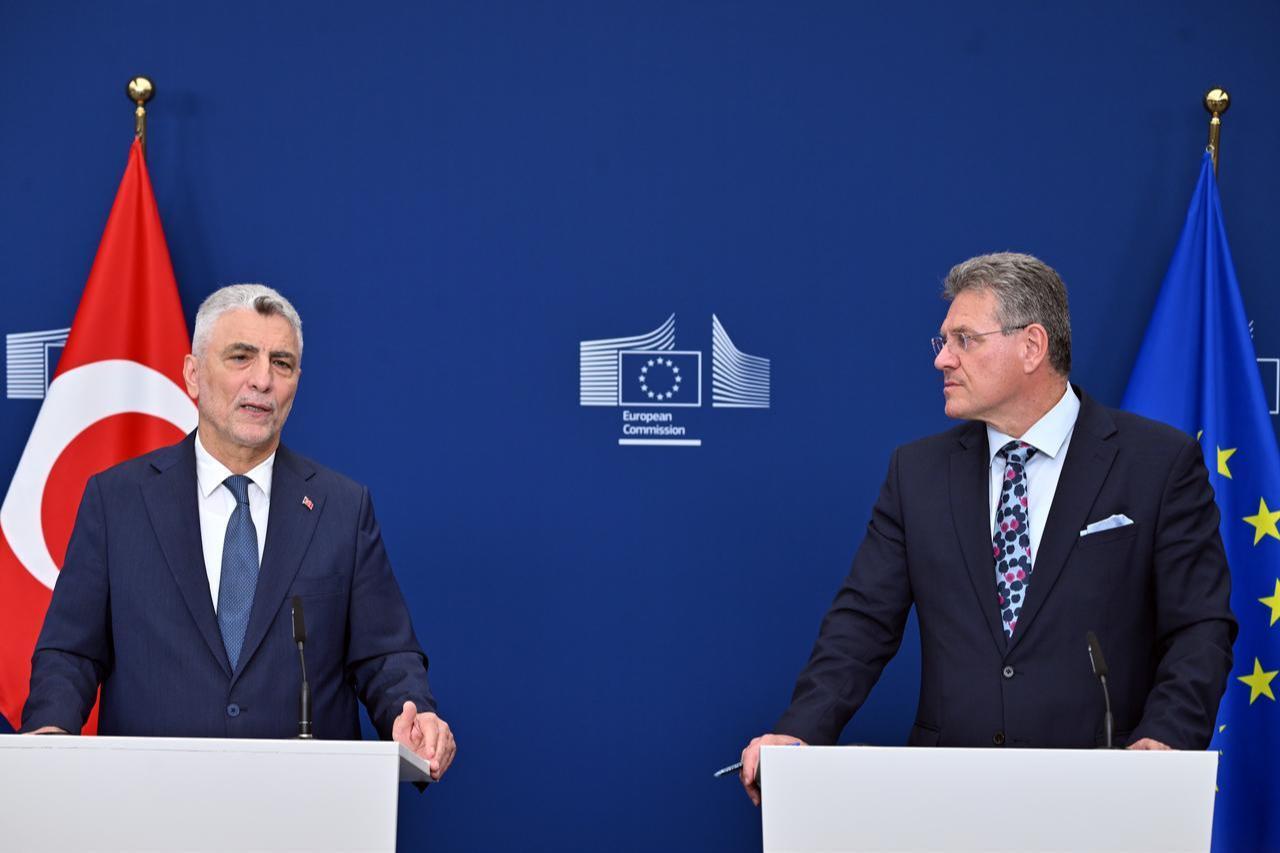

On the geographical scope of the proposed framework, Gordon identified Türkiye as one of the most important potential additions.
He noted that Türkiye's Customs Union relationship with the EU, geographical proximity and industrial capacity make it a particularly strong candidate.
He also pointed to Türkiye's existing trade protection measures against Chinese electric vehicles, adding that the country already has policies addressing some of the concerns behind the EU's proposed restrictions.
"Türkiye as a major industrial player in the EU Customs Union on EU borders should be considered among the countries eligible for the framework," he said.
Gordon suggested that the EU could initially include Türkiye, Japan, South Korea and European Free Trade Association (EFTA) countries, including Norway and Switzerland, while retaining the ability to review their status.
He warned that the EU, already facing considerable trade tensions with China and the United States, should avoid opening additional disputes with important industrial partners such as Türkiye and South Korea.
"The EU has a lot of trade tensions with China right now, and with the U.S. It doesn't really need to also be in disputes with countries like Türkiye and (South) Korea, which are very important," he said.
He highlighted Türkiye's significance in sectors such as steel and cement, which are also relevant to the EU's industrial transformation.
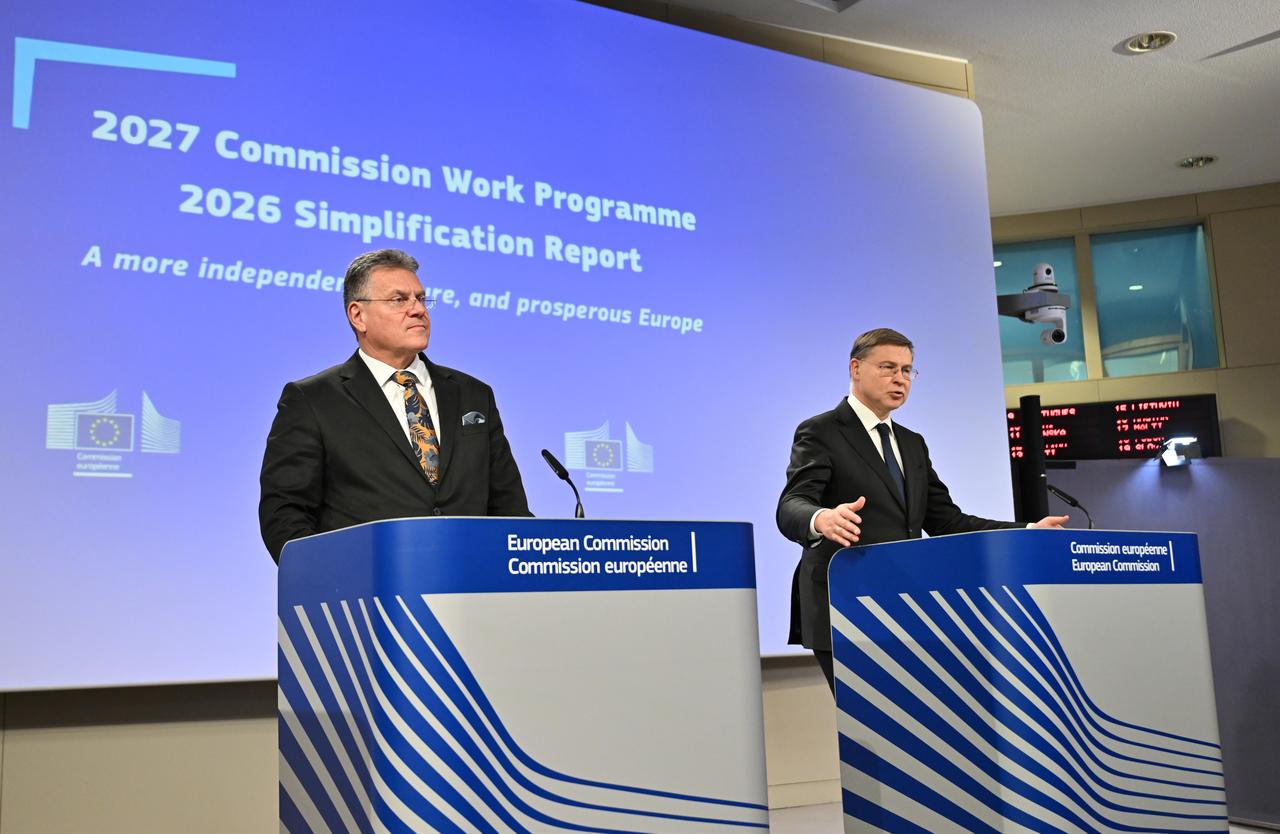
Maria Linkova-Nijs, executive head of policy and strategy at the European Automobile Manufacturers' Association (ACEA), also stressed the importance of maintaining the EU's established industrial relationships with neighboring countries, particularly Türkiye and Morocco.
She described the balance between strengthening European manufacturing and maintaining openness to international partners as delicate, saying the IAA should be understood as an effort to incentivize local production rather than punish trading partners or restrict market access.
Linkova-Nijs said the European automotive industry supports measures to strengthen manufacturing in Europe, but warned that policymakers should not overlook investments already made by European manufacturers in neighboring countries.
"It would also be unwise to completely exclude the investment already made by ACEA members in other countries, of course, including Türkiye," she said.
The issue is particularly important for heavy-duty vehicles, including trucks and buses, whose production networks are closely integrated between the EU and Türkiye.
She also identified the United Kingdom, Türkiye and Morocco as countries whose existing manufacturing investments and capacity should be taken into account when defining the framework.
Linkova-Nijs said the European automotive industry faces three major challenges simultaneously: decarbonization, value-chain resilience and maintaining affordable vehicles for consumers.
European manufacturers continue to face higher energy and labor costs compared with competitors in other regions, while demand for vehicles has yet to fully recover from the COVID-19 pandemic.
The European car market remains around 3 million vehicles below its 2019 level, according to Linkova-Nijs, adding to the pressure on manufacturers as competition intensifies.
"The European automotive manufacturing industry is a global industry with global value chains," she said.
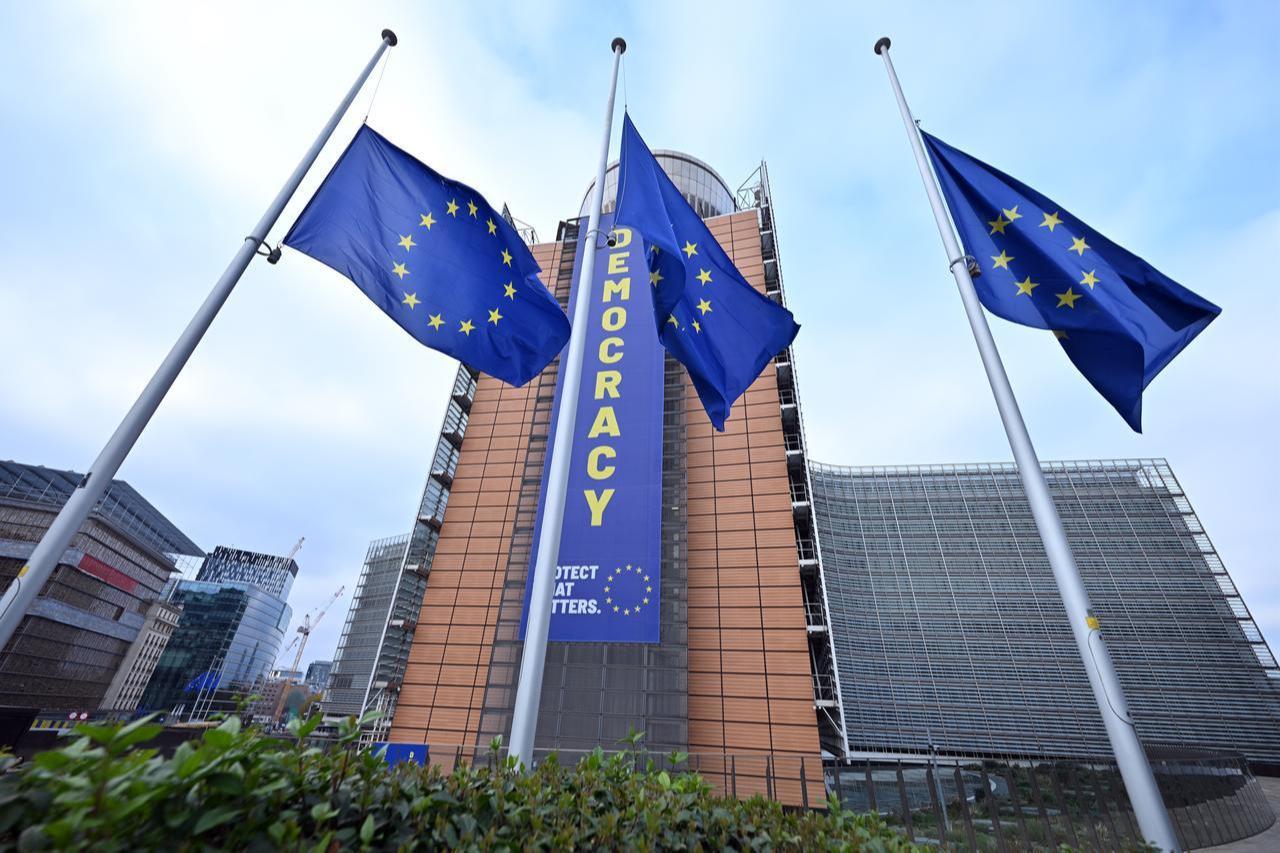
The proposed definition of “Made in Europe” has also become a point of disagreement between France and Germany, Europe's two largest economies.
In October, the two countries reached a compromise on automotive and industrial policy aimed at strengthening European manufacturers' position against competition from China.
Germany has pushed for a broader approach that would accommodate key non-EU trade partners, while France has favored a more restrictive definition focused on European production and protecting the bloc's industrial base.
The reported compromise supports including the U.K. in the framework, but Türkiye's eligibility remains uncertain.
Gordon questioned aspects of the proposed revision to the EU's 2035 automotive emissions rules, particularly the treatment of emissions that manufacturers would not be required to eliminate entirely.
Under the European Commission's proposal, automakers would have to cut emissions from new cars by 90% by 2035, with the remaining 10% to be offset through measures that could include the use of low-carbon materials.
However, the Franco-German compromise reportedly removes the requirement for manufacturers to offset that remaining share through such measures.
Gordon warned that this change could weaken demand for low-carbon materials, including green steel and aluminum, potentially undermining the IAA's broader industrial objectives.
Gordon also questioned proposed requirements for aluminum sourcing, which would require a share of the metal used in certain industrial applications to be low-carbon and EU-origin.
He warned that restricting eligible supplies to the EU and a limited number of partner countries could increase costs for European manufacturers.
As aluminum production is highly energy-intensive, countries with access to cheaper energy could offer more competitive supplies, he said, identifying Türkiye and Norway as potential partners for Europe's electric vehicle industry.
Gordon argued that allowing manufacturers to source aluminum from these countries while keeping vehicle assembly and other value-added activities within the EU would make economic sense.
"Aluminum needs tons of energy. Energy is expensive in the EU. If you could get aluminum from a partner country like Türkiye, then it would make sense to do the assembly in the EU. So there's certainly some concern with the deal," Gordon said.
The debate over the IAA comes amid broader concerns about the future direction of European trade and industrial policy.
The concept of “Made with Europe” has consequently emerged as an alternative to a narrowly defined “Made in Europe” approach.
Under such an approach, the EU would strengthen its domestic manufacturing base while allowing trusted partners to contribute to diversified and resilient supply chains.
Türkiye's economic integration with the EU provides a particularly strong case for this approach.
The EU is Türkiye's largest trading partner, with bilateral trade climbing to $233 billion in 2025.
The automotive sector, including finished vehicles and spare parts, accounts for roughly $62 billion of that trade, making it one of the pillars of the economic partnership.
According to ACEA, Türkiye became the third-largest market for new EU vehicle exports in 2025, accounting for 11.1% of the bloc's vehicle export market, compared with 8.3% in 2024.
Türkiye also hosts production facilities operated by major international automotive manufacturers and is deeply integrated into European supplier networks.
As a result, manufacturers with extensive operations and supply-chain links in Türkiye could be more exposed to the consequences of restrictive “Made in Europe” rules than companies whose production is concentrated within the EU.


 Set as preferred source
 Set as preferred source


 1 min read
 1 min read