Newsletters


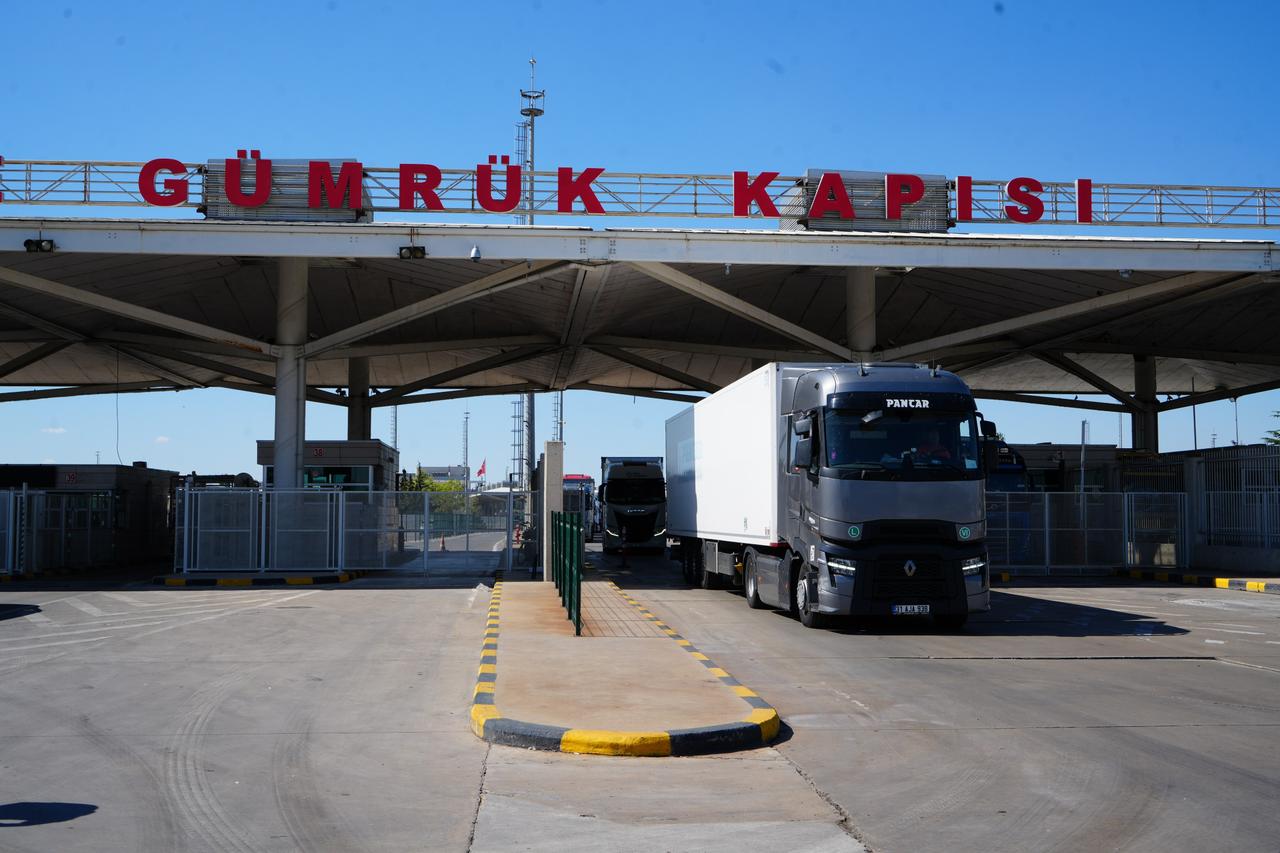


Turkish truck drivers are increasingly being turned away at European border crossings after reaching the Schengen area's 90-day stay limit within a 180-day period, with half of roughly 50,000 Turkish truck drivers affected, a sector representative said.
The issue has emerged over the past 2-3 months at key crossings, including Italy's Trieste port and Türkiye's Kapikule border gate with Bulgaria. As around half of Türkiye's exports to the European Union are transported by road, the restrictions are also putting pressure on the flow of trade, raising concerns across the transport and export sectors.
Under the Schengen 90/180 rule, visa holders cannot spend more than 90 days in the area during any rolling 180-day period. For commercial drivers, however, loading and unloading operations as well as waiting times at border crossings quickly eat into that allowance.
"Drivers wait during loading and unloading, as well as at border crossings. Therefore, the 90-day period is not sufficient for transportation," Aras told a business-focused publication. He pointed out that the impact extends beyond Turkish transport companies. Nearly half of Türkiye's exports go to EU countries, while 42% of those shipments are carried by road.
"We carry their products. Turkish drivers also handle transportation to places where trucks from EU countries do not go. This problem negatively affects not only Türkiye but also the foreign trade of EU countries," he added.
Border checks have intensified over the past two months, according to Aras, prompting changes in transportation routes. The restrictions also affect shipments from Europe to third countries, including Syria, Saudi Arabia and Dubai.
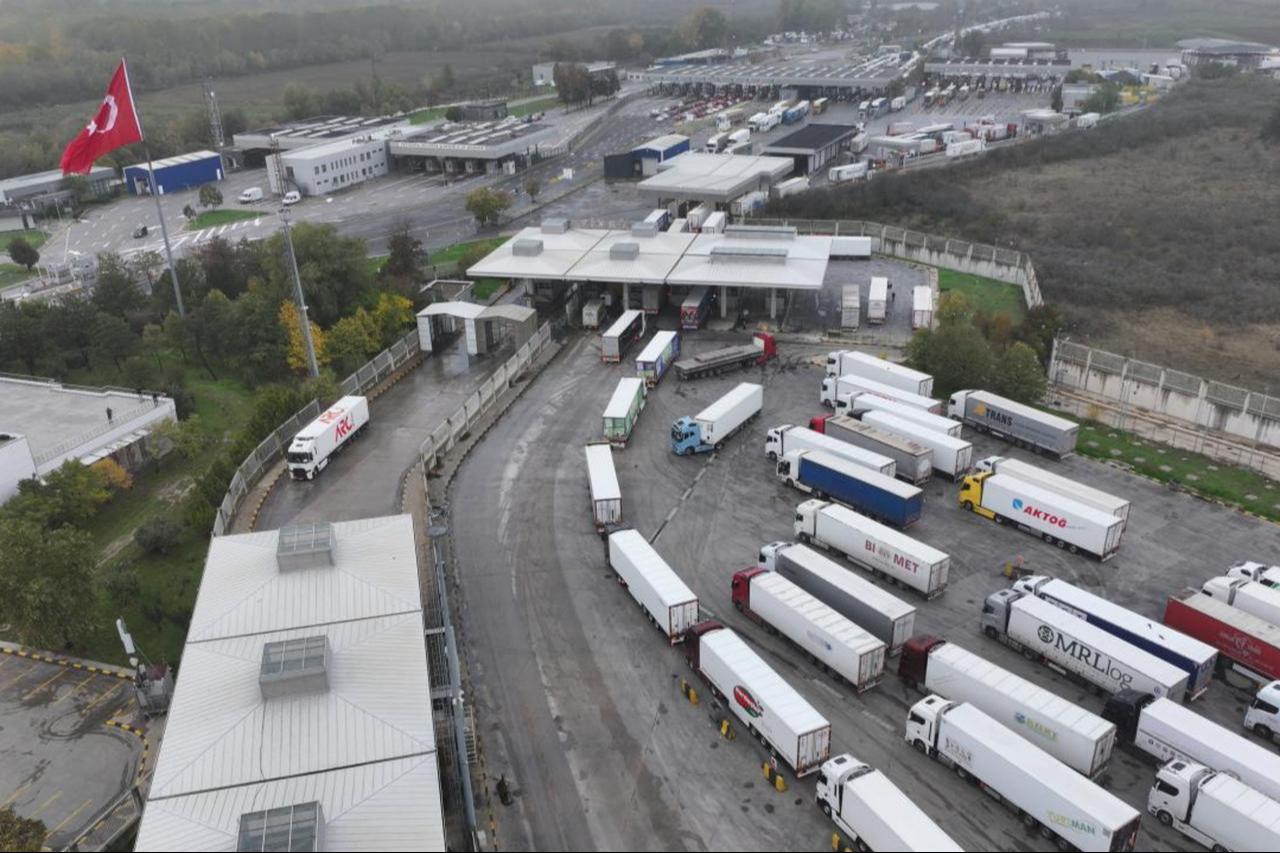

Transport contracts include penalties for delays, but the current situation is being treated as a force majeure event, Aras said. "Cancellations are likely to increase in the coming days. Official talks on the issue are continuing. Commercial vehicle drivers need to be treated differently from tourists," he noted, calling for Type D visas for commercial drivers.
Another Turkish sector representative, Fatih Sener, president of the Foreign Economic Relations Board's (DEIK) Logistics Business Council, also called for a change to the visa system. Sener told Bloomberg HT that Turkish truck drivers receive Type C Schengen visas under the same category as tourists, arguing that a 90-day limit within a 180-day period does not match the requirements of international road transport.
In 2025, Türkiye-EU trade in goods reached a record €217.6 billion ($247.4 billion), making Türkiye the EU's fifth-largest trading partner, while the EU remained Türkiye's largest trading partner, accounting for 42.7% of its exports and 35.3% of its imports.


 Set as preferred source
 Set as preferred source


 1 min read
 1 min read