Newsletters


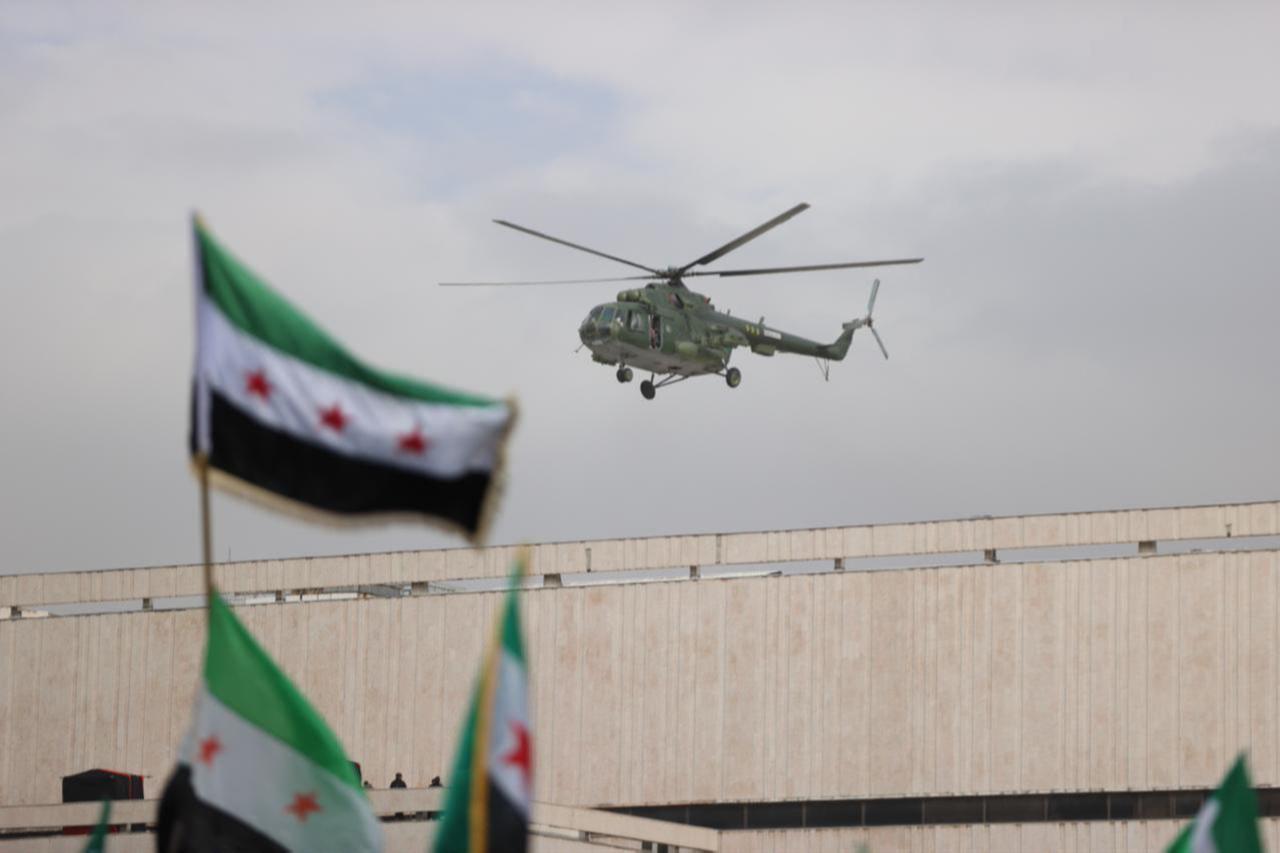


Syrians nowadays are ironically joking that Syria is the only Middle Eastern country without a war. They highlight Syria’s unique position in remaining outside the current escalation. In fact, what is the Syrian government’s perspective and outlook on the current war between Iran, on the one side, and the U.S. and Israel, on the other?
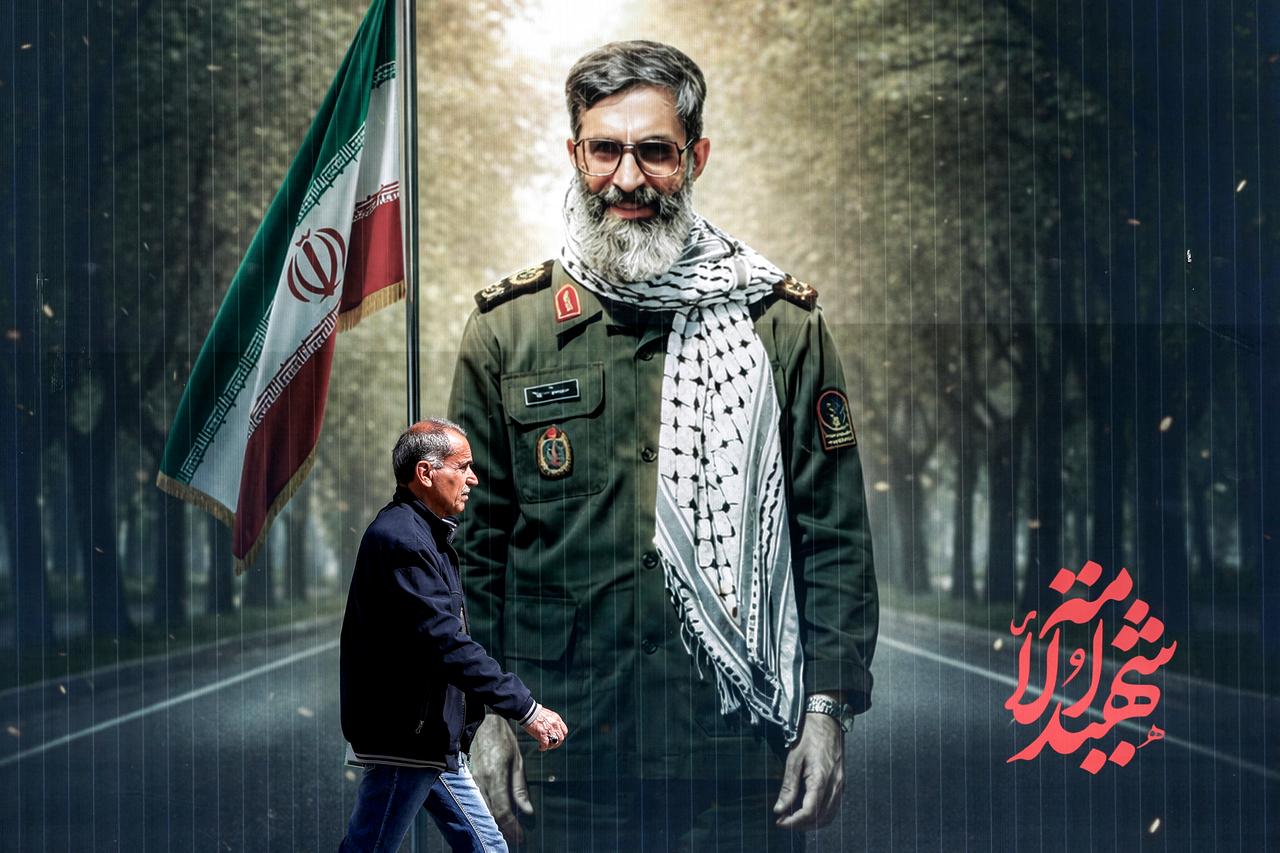
After Israel and the U.S. struck Iran and killed Iran’s supreme leader, Ali Khamenei, the Syrian government issued no public statement. Damascus made sure not to take sides in this conflict. When Iran began targeting Arab states, however, Damascus quickly released a statement condemning the Iranian attacks. Yet, unlike Türkiye, for example, Syria only condemned Iran’s actions. The absence of any mention of why Iran targeted Arab states, or what had happened beforehand, reflects how the Syrian government views this conflict.
Damascus has little love left for Iran, and the atrocities committed by Iranian forces in Syria remain vivid in memory. More importantly, the Syrian government’s foreign policy and geopolitical outlook are shaped by its anti-Iranian stance. Since taking power, Ahmed al-Sharaa has made it clear that he sees himself as a bulwark against Iranian influence. At the same time, he does not support Israeli aggression in the region, including against his own country. When these two states clash, the Syrian government watches events from the sidelines.
Damascus’s policy approach has enabled it to remain outside the current war. Marking a shift from past decades, Syria no longer supports Iranian activities, but, at the same time, unlike other Arab states, it also does not facilitate American or Israeli actions against Iran.
Syria also lacks the capabilities to contribute to this war in any way—that said, even if it had such capabilities, the Syrian government would likely still stay out of the conflict.
Syria’s avoidance of direct involvement in the war does not mean it will remain unaffected by the conflict. Like many countries around the world, Syria is suffering from rising energy prices.
More troubling for Damascus is that Syria’s hopes for billions of dollars in investments from Gulf countries, crucial for the country’s reconstruction, may be fading.
In the aftermath of this war, Gulf states are likely to focus their financial resources domestically and may cancel some planned investment projects in Syria. Recognizing this risk, the Syrian government will likely try to limit the damage as much as possible. Apparently, Ahmed al-Sharaa has already begun warning people in closed meetings about this possibility.


 Set as preferred source
 Set as preferred source


 2 min read
 1 min read