Newsletters





Since the Arab popular uprisings, Türkiye and Iran have been engaged in fierce rivalry and competition. While this rivalry has historic roots, it has also been very realistically grounded in geopolitics. Now, with Iran’s Shia Crescent project of regional hegemony annihilated by Türkiye, and with the ongoing U.S. war against Iran, Türkiye will likely no longer face a meaningful rival in Iran.
On the evolving geopolitical chessboard, the question arises: Will Türkiye now have to face Israel’s project of hegemony? Israel has been using the Oct. 7 Hamas attack as a legitimizing factor to implement its "ultimate national security goals" in Iran, Lebanon, and Iraq; as such, public and international support would not be found easily. Israel is there to grab the moment.
For two decades, Iranian proxies across the Middle East identified Türkiye and its local partners as their main opponents. Iran acted aggressively and rashly, playing checkers. Türkiye, on the other hand, remained calm. Iran believed it had become the ultimate champion amid its victories in Syria, Lebanon, Iraq and Yemen.
Yet Türkiye acted more rationally, strategically, and realistically—to such an extent that years of Iranian investment in Syria were uprooted by Türkiye within days in 2024.
The Turkish strategy was clear: identify your goals and priorities, withstand Iranian aggression, remain calm, improve capabilities, and strike when the time is right.
Türkiye also understood that no country, including itself, could realistically become the Middle East's hegemon. Therefore, it never saw the Turkish-Iranian rivalry as purely bilateral, but rather as a multifaceted competition. What Türkiye needed to do was to prepare for the right moment.
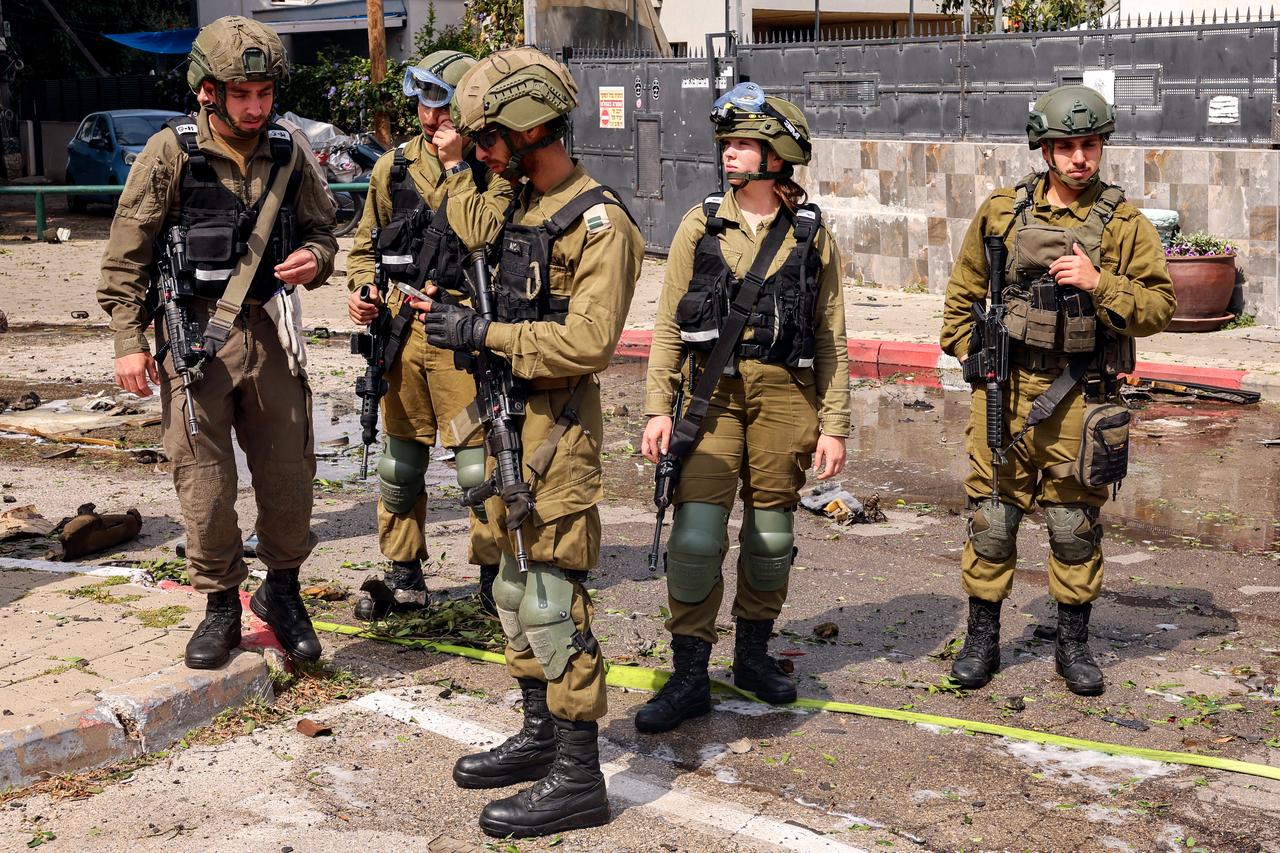

Many experts discussing the objectives of the current war with Iran rightly point out that the U.S. lacks a clear goal.
While this criticism is valid, it fails to recognize that the war serves a clear Israeli objective: regional hegemony. However, lacking both population density and cultural depth in the Middle East—and possessing relatively limited land forces—Israel’s dream of becoming a hegemony via U.S. F-35s remains a distant prospect.
By drawing the U.S. into the conflict, Israel succeeded not only in sharing the burden and costs but also in massively increasing the firepower directed against Iran. In essence, the U.S. military is spending billions of dollars to weaken a geopolitical rival of Israel.
Similar to Iran’s ambitions for regional hegemony, Israel’s ambitions will ultimately collide with Türkiye’s power.
The difference in Turkish and Israeli approaches regarding regional hegemony may lead Israel to adopt a provocative posture toward Türkiye, much like Iran did for years. This unrealistic geopolitical goal may become Israel’s Achilles’ heel. Türkiye will likely continue to play 3D chess.
Just as Iran is now realizing, Israel may eventually have to come to terms with the fact that it cannot become the hegemon of the Middle East—especially not with Türkiye as its principal rival.


 Set as preferred source
 Set as preferred source



 4 min read