Newsletters


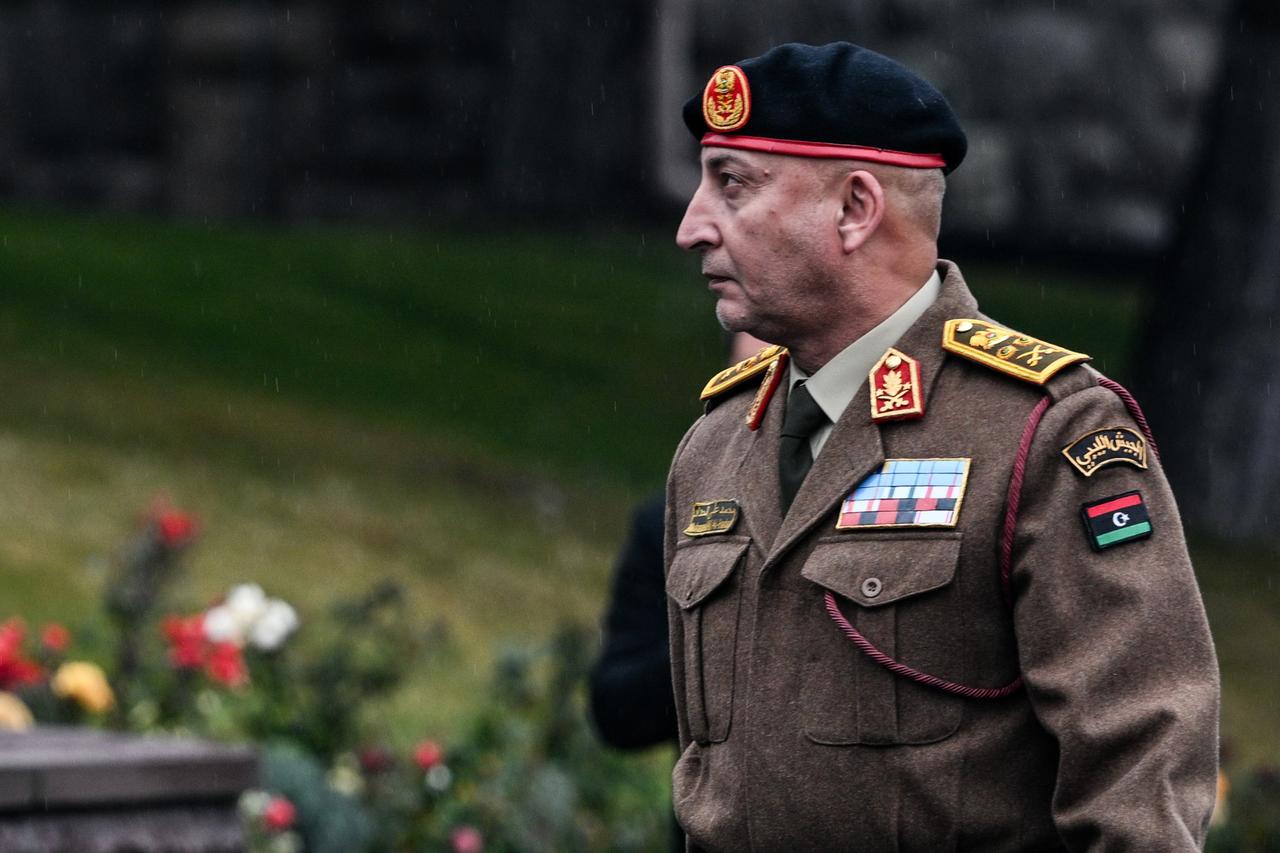


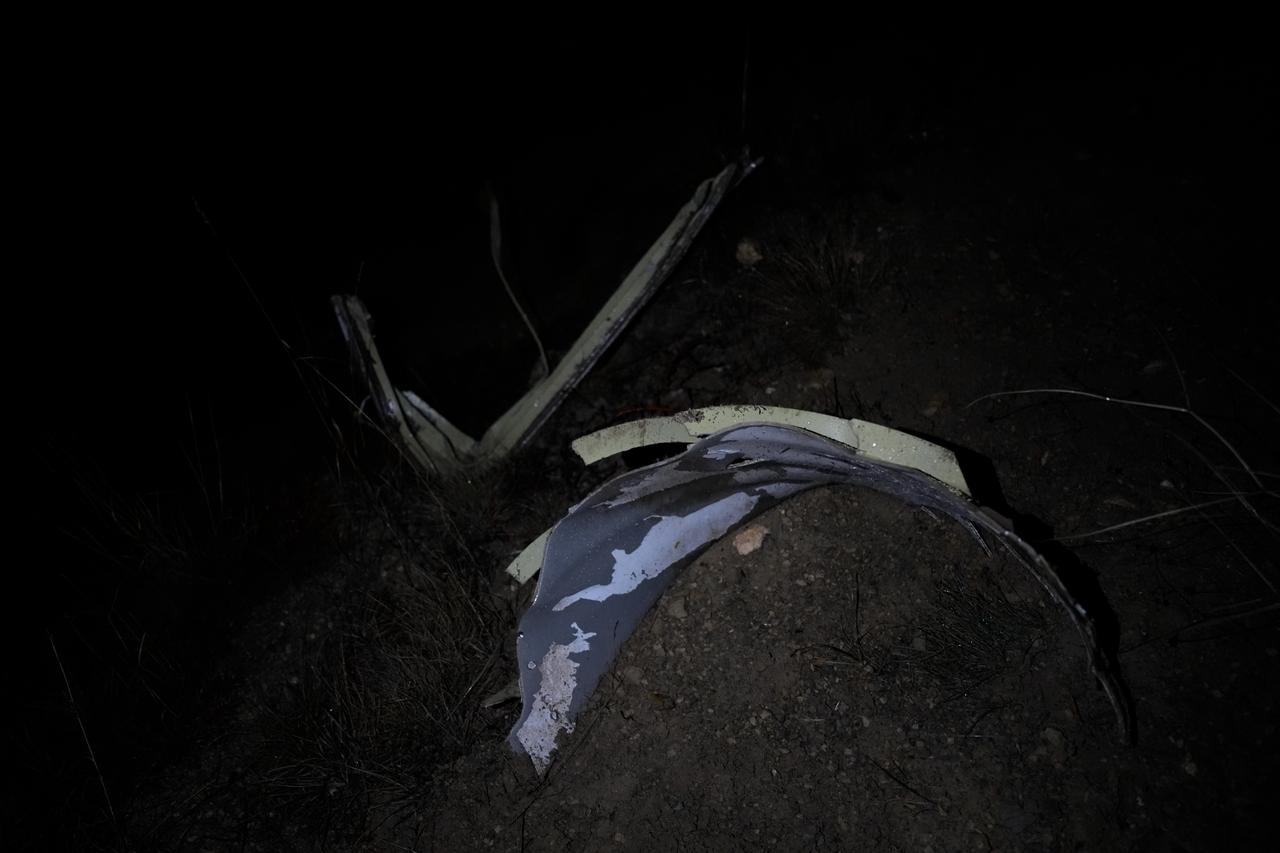
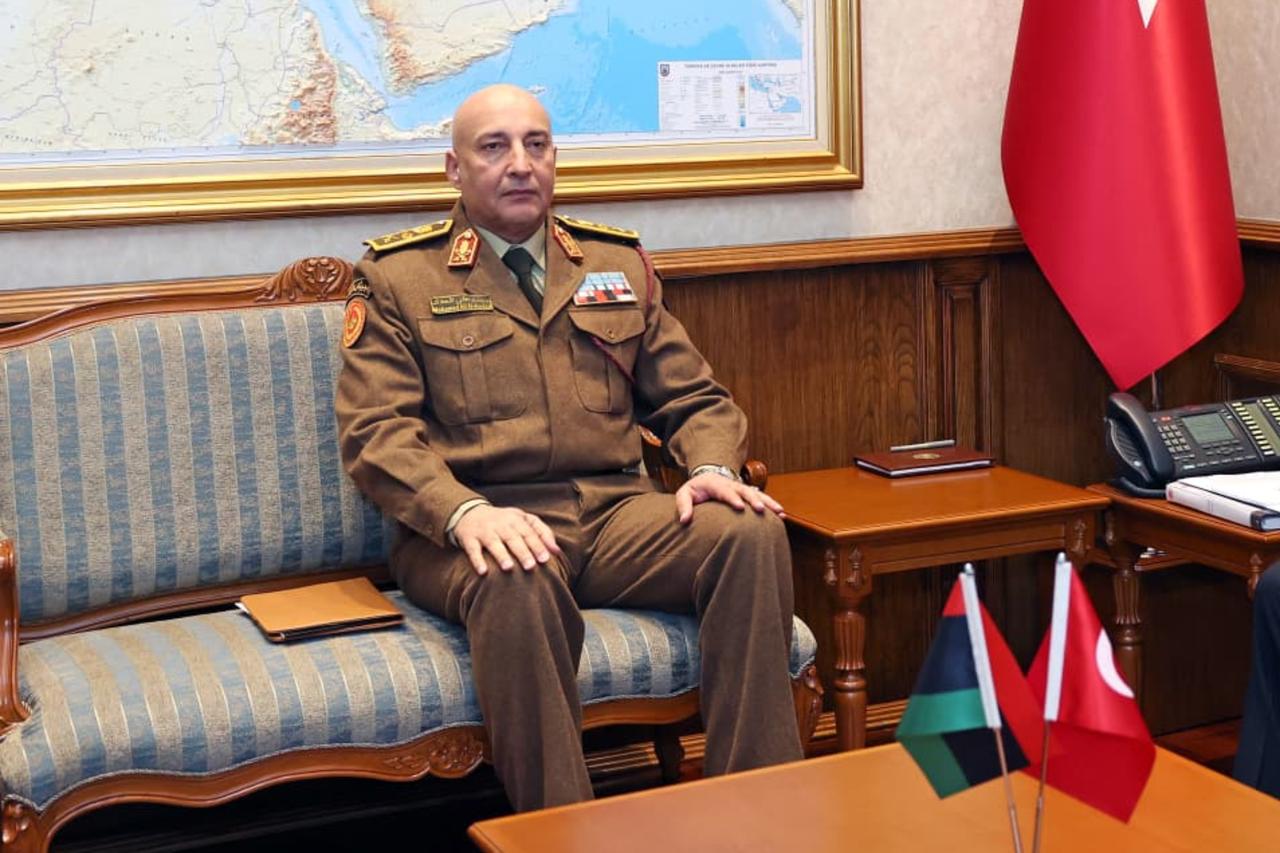
A business jet carrying Libya's chief of general staff crashed near Ankara on Tuesday evening after reporting an emergency, Turkish officials confirmed. Five people were aboard the aircraft, including Libyan Gen. Muhammed Ali Ahmed al-Haddad, Interior Minister Ali Yerlikaya said.
The Falcon 50 jet, tail number 9H-DFJ, departed Esenboga Airport at 8:10 p.m. local time bound for Tripoli. Contact with the aircraft was lost at 8:52 p.m., Yerlikaya said in a statement.
"The aircraft sent an emergency landing notification near Haymana; however, contact could not be re-established afterward," the minister said, adding that the public would be informed of further developments.
Türkiye Today spoke with four experts to evaluate the political and security implications of the incident.
The aircraft was carrying a high-ranking delegation from the Tripoli-based Government of National Unity (GNU). Those on board included Chief of Staff Mohammed Al-Haddad, Chief of Ground Forces al-Fitouri Gharibil, head of the Military Manufacturing Authority Mahmoud al-Qatawi, Military Advisor Mohammed al-Asawi, and military press attache Mohammed al-Mahjoub.
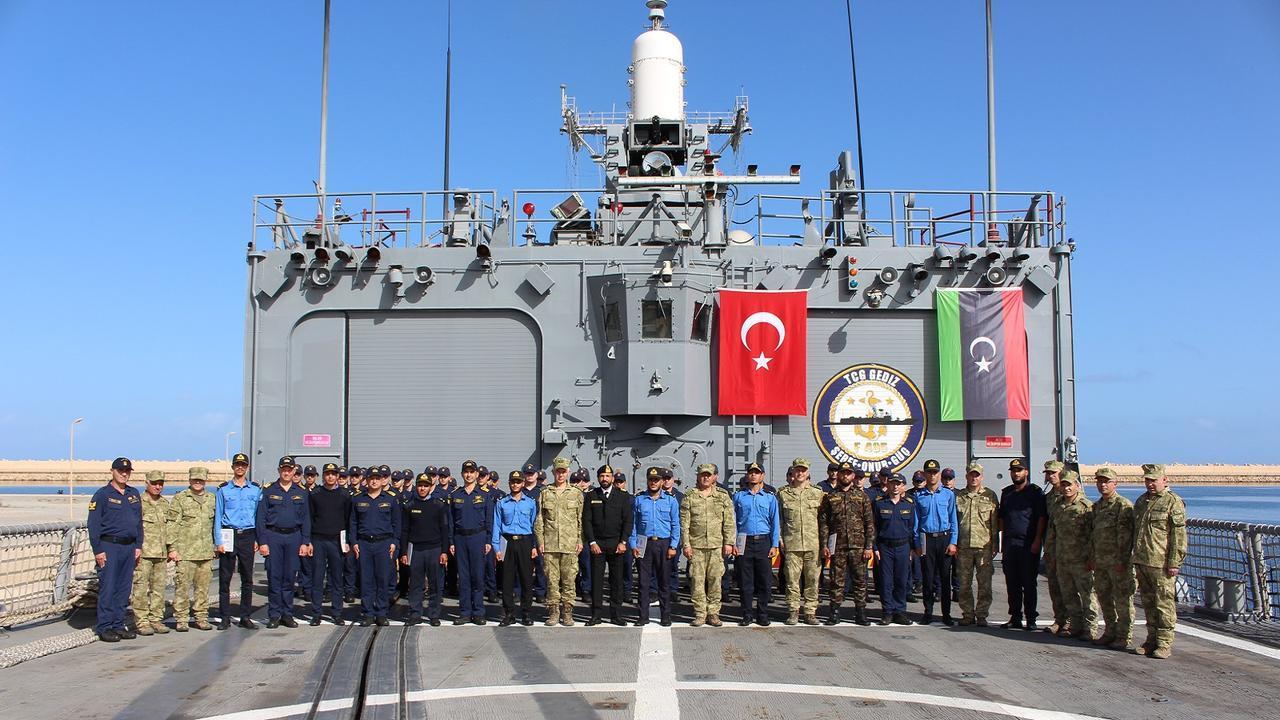
According to Libya analyst Yaseen Rashed, the delegation had traveled to Ankara for discussions with Turkish counterparts on security cooperation and the future of Türkiye’s military presence in Libya. “The talks were specifically focused on Türkiye’s role in Libya, including its airbase at al-Watiya in western Libya,” he said.
Rashed noted that the Ankara meetings reportedly included discussions about appointing either Haddad or Fitouri Gharibil as Libya’s next commander-in-chief, with the rank of field marshal, a topic under debate for several months.
At the same time, tensions emerged over Türkiye’s domestic decision-making. “There was reportedly an argument between the Libyan and Turkish sides following the Turkish Parliament’s decision to extend troop deployment in Libya for another two years,” Rashed said.
According to Rashed, Haddad opposed any continued foreign military intervention in Libya. “He was against the idea of a prolonged foreign presence,” he added, highlighting a clear divergence between parts of the Libyan military leadership and Ankara’s long-term plans.

Initial indications point to a technical failure, but questions remain. “By all signs, it appears to have been an electrical malfunction that caused the crash,” Rashed said. “However, there is concern among some Libyans that this might have been an assassination.”
Both Libyan Prime Minister Abdul Hamid Dbeibah and eastern commander Khalifa Haftar issued public condolences to the victims and their families, signaling rare alignment in tone following the incident.
Rashed said Libya’s 5+5 Joint Military Committee is expected to continue functioning as an interim mechanism to manage the vacuum left by Haddad’s death. “While facts are still unconfirmed, the Libyan government has opened its own crisis investigation into the tragedy,” he added.
Analysts say the crash is unlikely to diminish Türkiye’s influence in Libya. Karim Mezran, director of the North Africa Initiative at the Atlantic Council, argued that Ankara’s position remains firmly entrenched.
Mezran described the current situation as a “new pacification on the ground,” adding that Türkiye is now a permanent actor in Libya’s security landscape. “The Turks are there, they’re going to stay there. They manage it,” he said.
Mezran stressed that the central question following the crash is not Libya’s response, but Türkiye’s. “The question everybody was posing is what would the Turks do—not what the Libyans are doing,” he said. “The Libyan side depends on the Turkish effort.”
He argued that Ankara retains decisive influence over the trajectory of Libya’s military and political arrangements. “I don’t think there’s going to be any consequence between the Turks and the Libyan military, whether it’s the West or the East,” he added, suggesting continuity regardless of internal Libyan shifts.
Frank Talbot, a nonresident senior fellow at the Atlantic Council’s North Africa Initiative, said Haddad had been an important interlocutor between Ankara and the GNU, but his death is unlikely to alter Türkiye’s role as a key security partner.
“While General Haddad was an important interlocutor, it is unlikely that his tragic death will have a significant impact on Türkiye’s role as a key GNU security partner,” Talbot said.
Talbot pointed to Deputy Defense Minister Abdel Salam al-Zoubi and Mahmoud Hamza, head of military intelligence and commander of the Tripoli-based 444 Brigade, as likely figures to step into more prominent roles.
Both, the expert noted, maintain established relationships with Washington and Ankara.
Dario Cristiani, an expert on Türkiye-Libya relations, said the crash does not signal a systemic rupture in Libya’s security order. “Al-Haddad’s death does not represent an immediate slide into chaos,” Cristiani said, emphasizing continuity over disruption.
He noted that the interim appointment of Salah al-Deen al-Namroush helps preserve operational stability. “It ensures continuity in the GNU’s military relationship with Türkiye, significantly reducing short-term systemic risks,” he said.
Cristiani cautioned, however, that internal competition could intensify. “The more realistic short-term risk is a gradual erosion of cohesion within the Western camp, as militias and security leaders compete for influence amid uncertainty,” he said.
Looking east, Cristiani said Haftar and his allies may seek to exploit any renewed rivalries in Tripoli. Still, he argued that Ankara’s presence acts as a deterrent.
“Türkiye is unlikely to tolerate overt attempts to shift the balance through force, even if Ankara’s relationship with Haftar has improved in recent months,” Cristiani said. As a result, he added, the risk of a return to large-scale conflict between eastern and western Libya remains limited for now.


 Set as preferred source
 Set as preferred source


 1 min read
 1 min read