Newsletters


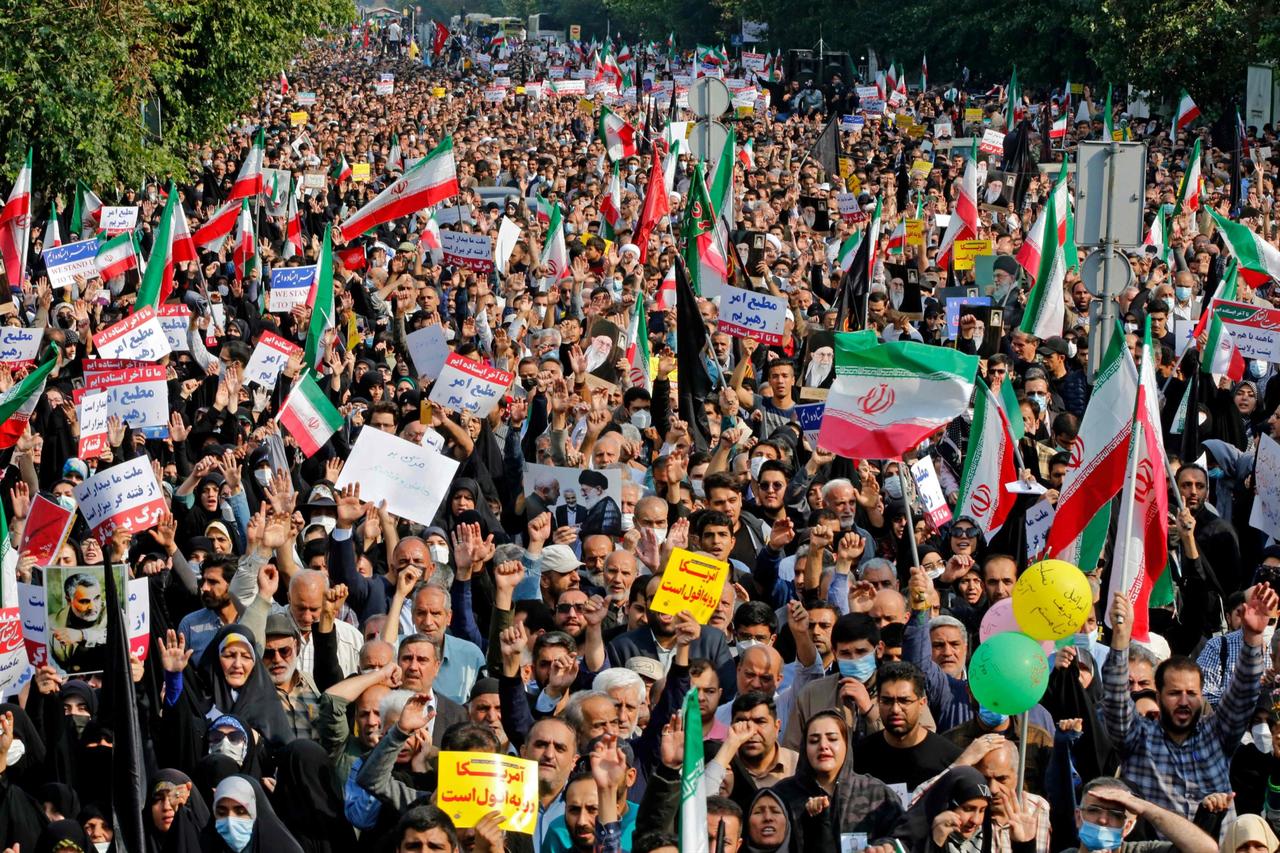


Iran has entered its seventh consecutive day of nationwide protests triggered by a deepening economic crisis, with demonstrations spreading to over 35 cities, at least seven deaths reported, and dozens arrested across multiple provinces.
Starting as a sector-specific unrest, the protest has rapidly evolved into broader political dissent, prompting an unusually cautious response from Tehran and drawing rare public threats from U.S. President Donald Trump.
Türkiye Today spoke with four experts to evaluate the political and security implications of country-wide demonstrations.
The current protest wave began in Tehran’s Grand Bazaar before spreading to major mobile phone markets and then to cities across the country. For analysts, the location itself carries political weight.
Javad Heiran-Nia, director of the Persian Gulf Studies Group at Iran’s Center for Scientific Research and Middle East Strategic Studies, stressed that the bazaar has historically been a backbone of the Islamic Republic.
“The bazaar has traditionally supported the Islamic Republic of Iran and played an important role in the overthrow of the Pahlavi dynasty,” he said.
According to Heiran-Nia, the fact that protests erupted there signals the depth of Iran’s economic deterioration. The sharp decline of the rial against the dollar, he explained, has caused direct losses for merchants, while inflation and rising prices have pushed middle- and lower-income groups into severe hardship.
“Other social groups are also expressing severe dissatisfaction with the economic situation due to runaway inflation, high prices and the declining value of the national currency,” he said.
Negar Mortazavi, senior fellow at the Center for International Policy, said the spark was specifically tied to policy changes affecting merchants. Smaller business owners, she noted, had relied on subsidized exchange rates that were recently removed. “That was reflected immediately in the market and impacted shop owners, which is why the protest started from the Grand Bazaar in Tehran,” she said.
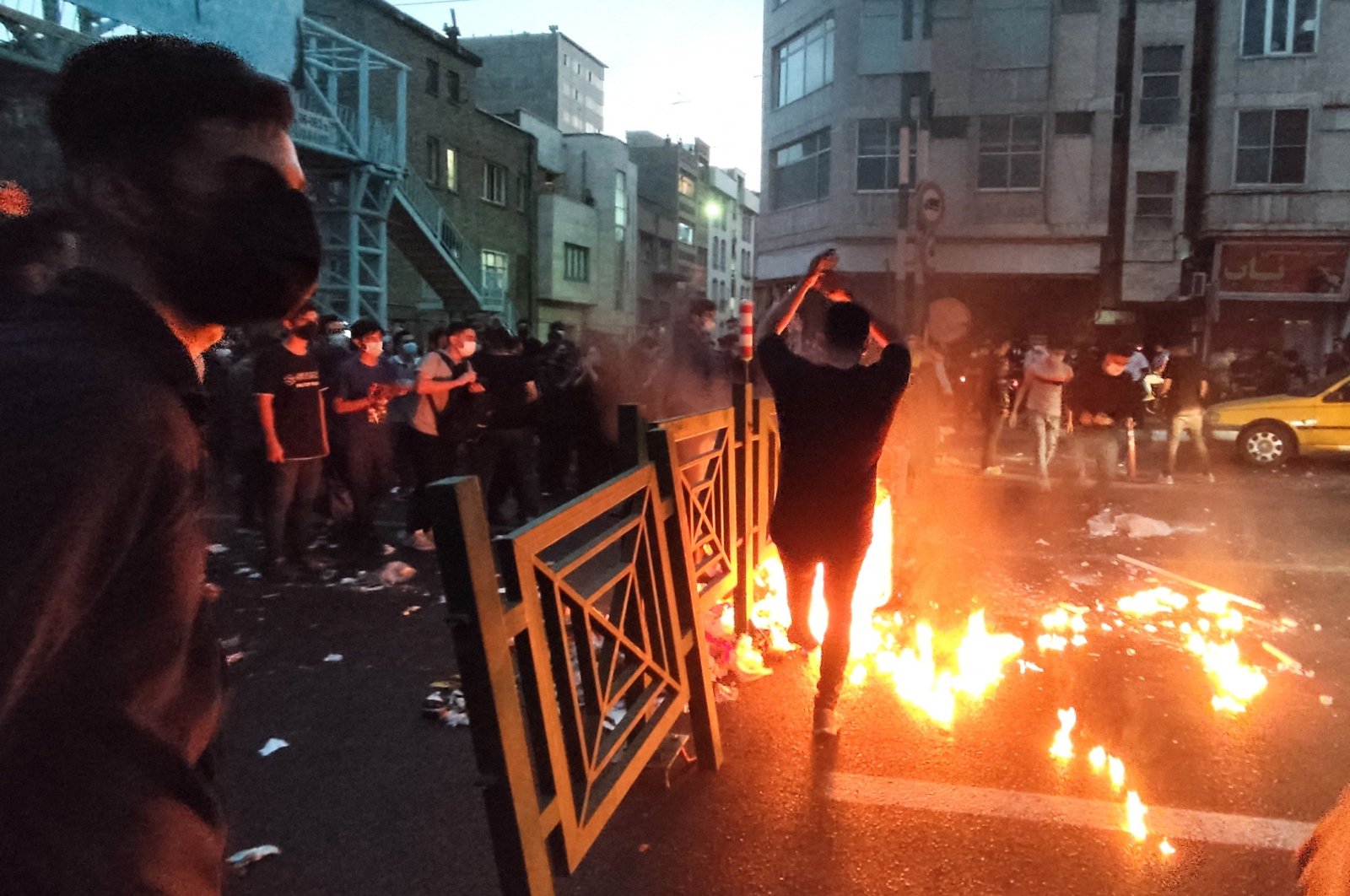

While economic grievances ignited the protests, they did not remain narrowly focused for long. Mehrzad Boroujerdi, dean of the College of Arts, Sciences, and Education at Missouri University of Science and Technology, emphasized that the depth of public frustration has quickly transformed the movement.
“Given the depth of pent-up public frustration, they have quickly taken on a pronounced political character, with many demonstrators openly calling for regime change,” he said.
The host of Iran Podcast, Mortazavi, noted that the absence of centralized leadership has not diluted the movement’s message.
“If we pay attention to the slogans, they are not just aimed at the economy,” she said. “They are essentially political slogans targeting the governance of the country.”
Heiran-Nia argued that worsening conditions have eroded confidence in reformist pathways altogether. “The economic conditions and the worsening situation in various sectors have led protesters to no longer consider reformist methods sufficient,” he said, adding that the political system has failed to meet political demands aimed at easing dissatisfaction.
Arash Aramesh, an attorney and national security analyst, described the protests as the product of both immediate desperation and long-term resentment. People are reacting, he said, to “the Iranian currency’s rapid demise” and the government’s failure to protect the country “after so much saber-rattling,” but also to “47 years of suppressive and oppressive policies” and the violent crackdown on the 2022 movement.
“People are just mad,” he said, summing up the mood.
Iranian officials have publicly acknowledged protesters’ grievances and adopted a more conciliatory tone, a notable departure from past crackdowns.
Boroujerdi said President Masoud Pezeshkian’s outreach reflects an awareness of the economic pain facing ordinary Iranians. “He is acutely aware of the impact that inflation exceeding 40 percent has had on household purchasing power,” Boroujerdi said.
Yet Boroujerdi cautioned that conciliatory rhetoric has limits. “He does not control the security and military apparatus,” he said, noting that repression remains the default response. Several protesters, he added, have already been killed just days into the current unrest.
Heiran-Nia argued that restraint is also strategic. Following the recent 12-day conflict, Iranian authorities interpreted the absence of an internal uprising as a sign of system survival and national unity. That interpretation, he said, created expectations of a more moderate response to domestic protests.
At the same time, officials are acutely aware that excessive violence could backfire. “Excessive violence against protesters can lead to the protests spreading further,” Heiran-Nia said, especially given that economic collapse is now visible in sectors long loyal to the state.
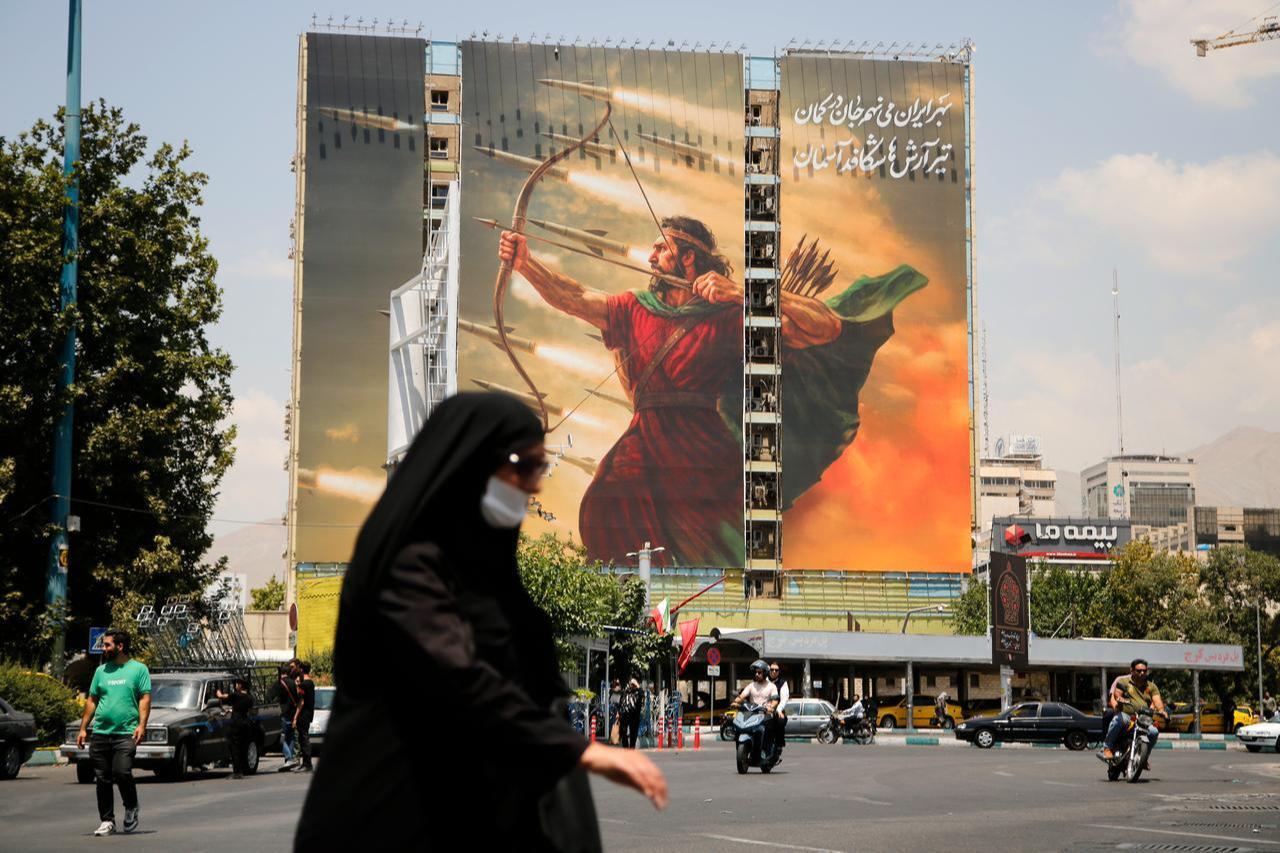
Arash Aramesh argued that fear within the leadership is a decisive factor shaping Tehran’s response. The protests, he said, come at a moment of unusual vulnerability for the Iranian state.
“They don’t want to have a massive uprising on their hands when they were just hit by Israel, and Israel is still talking about future attacks,” Aramesh said, adding that the threat of U.S. involvement further compounds the pressure.
He also highlighted the psychological impact on Iran’s supreme leadership. “Add to that the fact that the leaders of oppression and suppression, if you want to crack down, you need to show your face,” Aramesh said. “Khamenei has been very scared since the Israeli attacks. They tried to kill him. He’s been underground for a good part of the past few months.”
According to Aramesh, that absence weakens the regime’s ability to project authority at a critical moment.
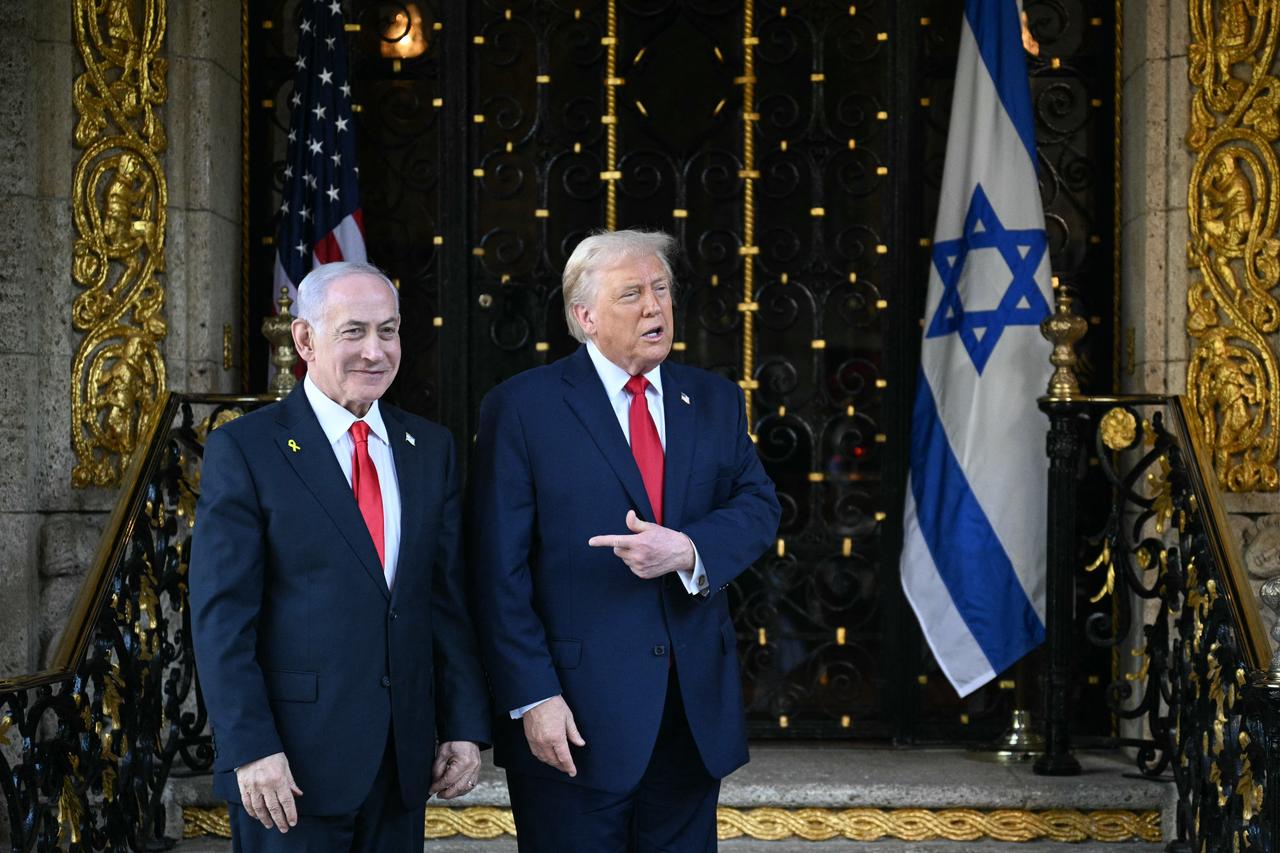
The protests have also unfolded amid an unprecedented statement from Trump, who warned of consequences if Iran violently suppresses demonstrators. Heiran-Nia described the message as historic. “No U.S. president has issued such a statement until now,” he said, calling it the first explicit military-backed warning tied to Iranian protests.
Iranian officials’ harsh response, he added, shows the threat has been taken seriously, particularly given Trump’s unpredictability and recent U.S. strikes.
Boroujerdi said Trump’s statement has “psychologically emboldened many opponents of the regime,” but warned that the effect could reverse quickly.
“This momentum risks giving way to disillusionment if Trump fails to follow through on his threats amid an intensifying domestic crackdown,” he said.
Mortazavi was more skeptical of Washington’s intentions, arguing that the rhetoric is less about protecting protesters and more about justifying military pressure. She described Trump’s comments as a “masked threat,” potentially repackaged to appeal to an American public wary of prolonged Middle East wars.
Currently, the combination of a collapsing economy, radicalized demands, and a leadership operating under unprecedented strain has created a moment that is structurally different from previous protest cycles and potentially far more destabilizing.


 Set as preferred source
 Set as preferred source


 3 min read