Newsletters


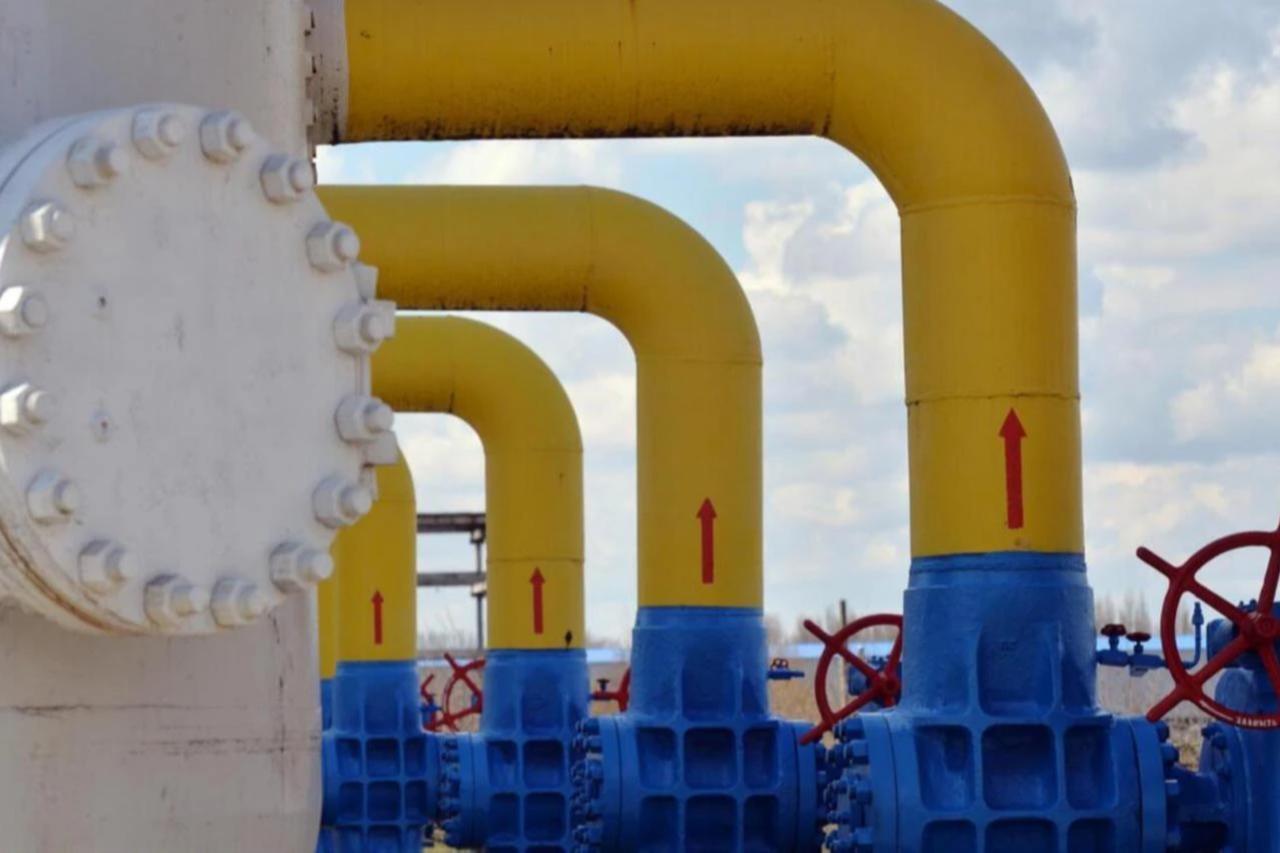


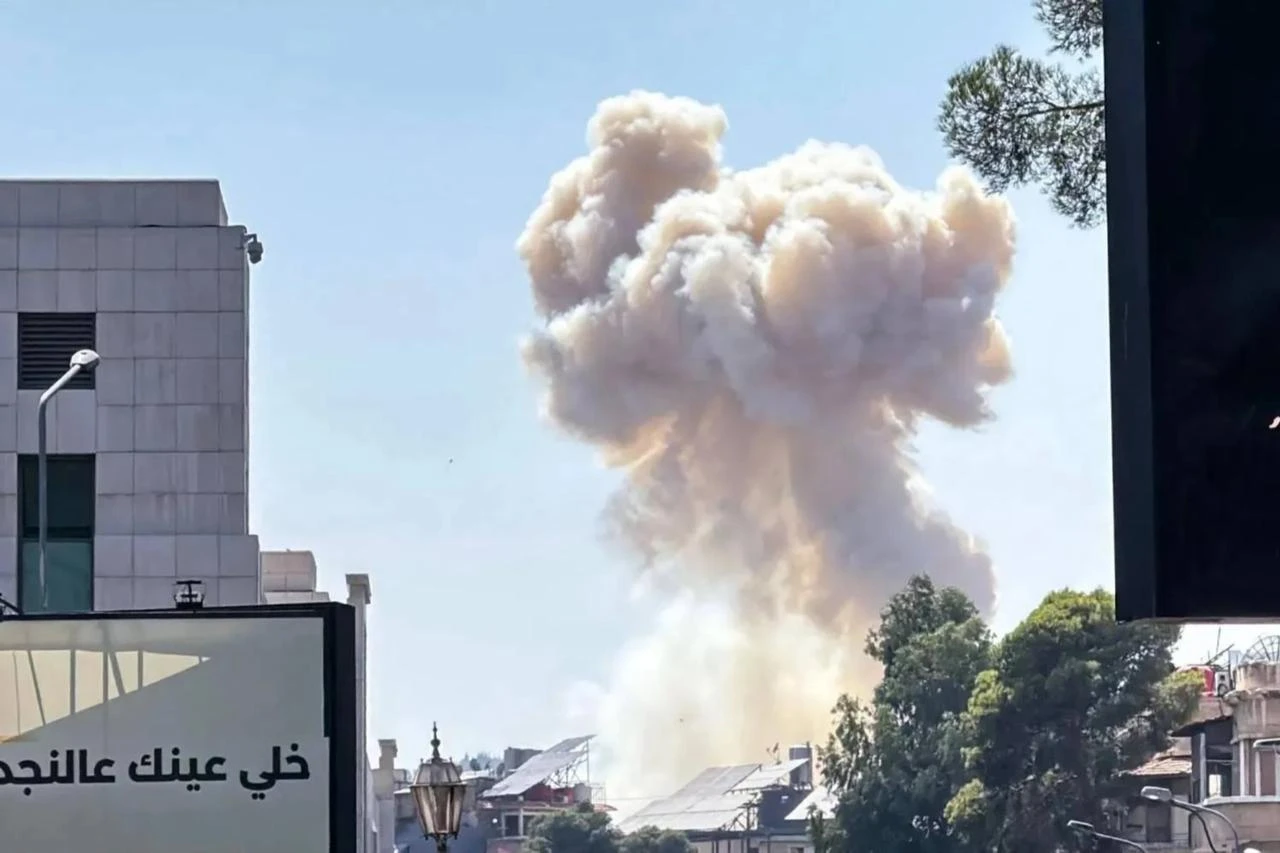
An explosion halted gas flow from the Al-Jabsah gas plant in northeastern Syria on Tuesday, disrupting supplies to several power generation turbines, according to the Syrian Petroleum Company (SPC).
The blast struck the main pipeline around 4 a.m. local time, prompting crews to isolate wells, close safety valves and secure the site.
No workers were injured.
SPC said repair teams were deployed immediately and were working around the clock to restore the pipeline.
The company coordinated with the Syrian Electricity Company to cover the shortfall through available alternatives.
Preliminary investigations indicated that the explosion was caused by a “deliberate act of sabotage,” SPC said.
It added that authorities were continuing their investigation and working to identify those responsible.
The company said it had also begun taking additional measures to strengthen security around oil and gas facilities and transmission pipelines.
Repair work will continue until gas flows through the pipeline resume, it added.

The pipeline blast came amid continuing security tensions in Syria.
Israeli forces shelled an area near the village of Abedin in southern Syria’s Daraa governorate Tuesday, according to Syrian media.
Syria’s Alikhbariah television channel reported that Israeli forces targeted a valley with artillery shells.
No information was immediately available on the extent of damage or whether the shelling caused casualties.
Earlier in the day, the channel said an Israeli military patrol approached Bat al-Warda, a strategic hill on the lower slopes of Mount Hermon in the western Damascus countryside that overlooks the town of Beit Jinn.
The channel did not provide details on the size of the Israeli force or the purpose of the reported incursion.
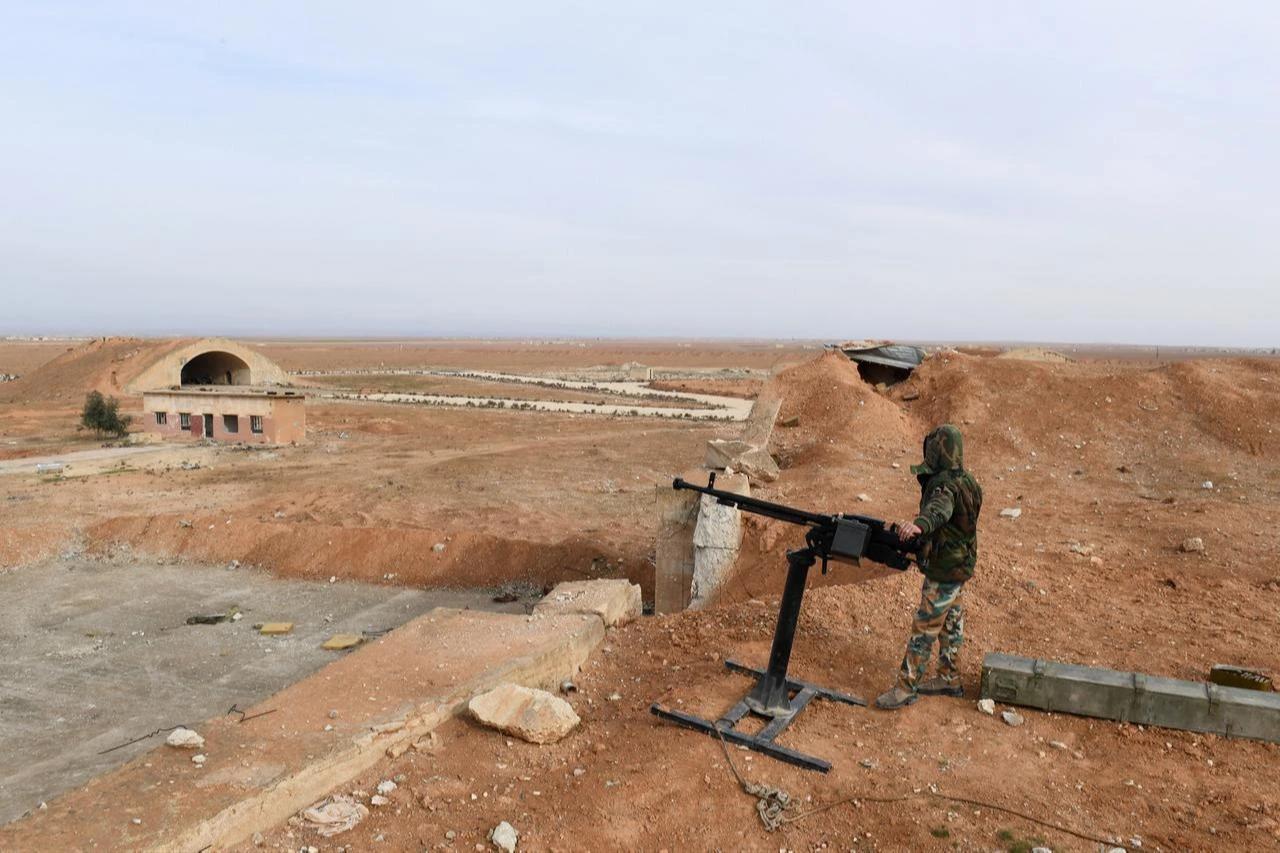
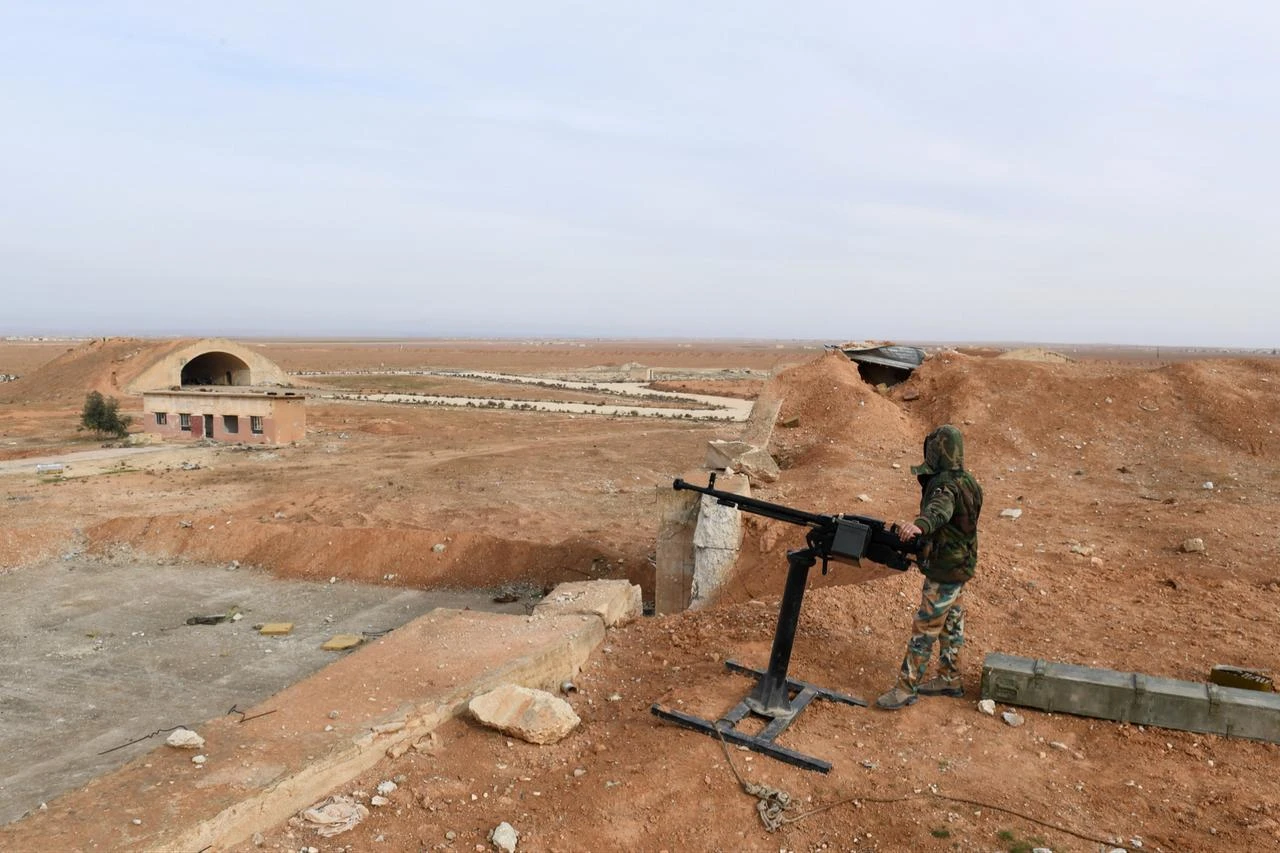
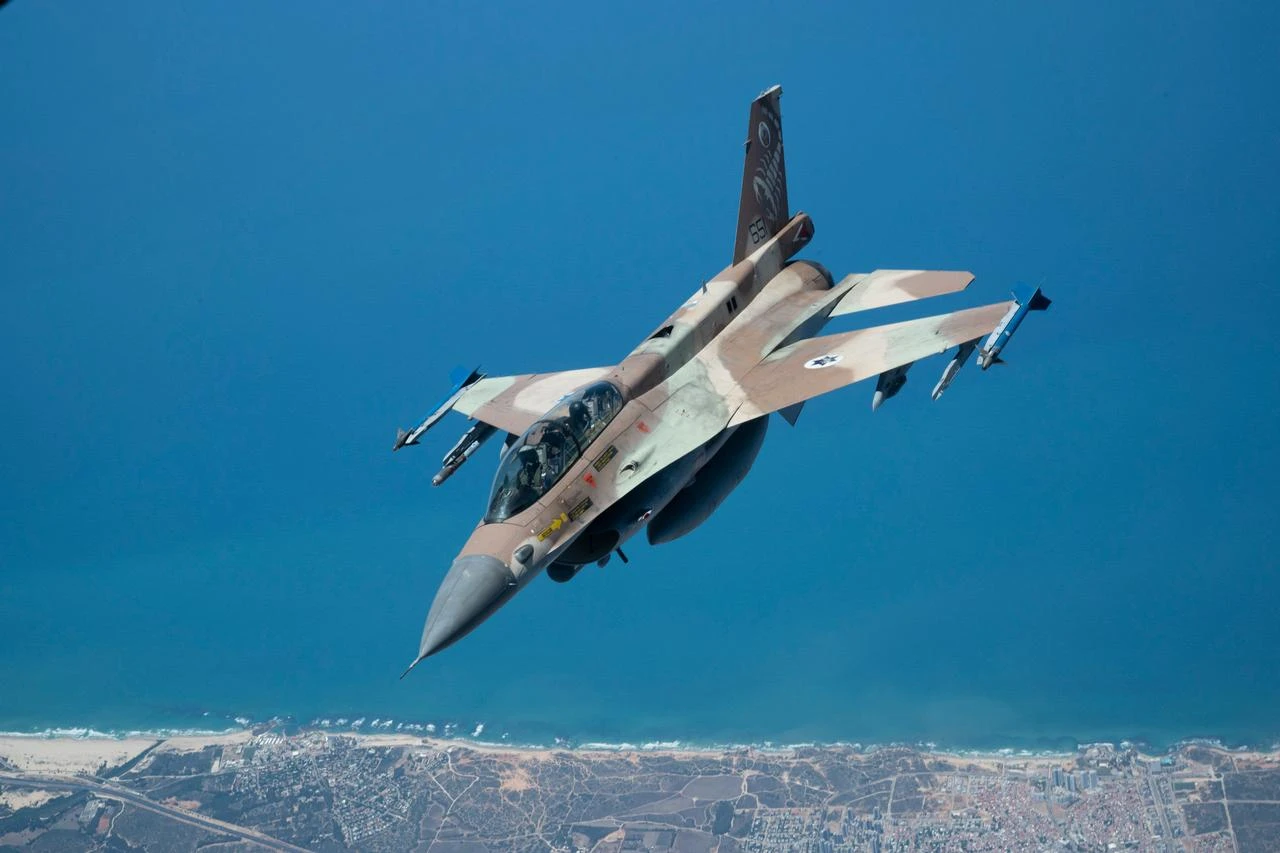
The reported shelling and incursion came hours after Israeli warplanes struck the Abu al-Duhur Military Airbase in Syria’s northwestern Idlib province.
Before the fall of the Bashar al-Assad regime in late 2024, Israel frequently struck positions in Syria that it said were linked to Iranian-backed forces.
Following Assad’s ouster, Israel expanded its strikes to include weapons depots and strategic military positions throughout Syria.
In recent weeks, southwestern Syria has seen almost daily Israeli attacks and incursions, including raids, searches, arrest campaigns and the setting up of military checkpoints.
In late July, Syrian President Ahmad al-Sharaa said his government was working with several countries to conclude a security agreement with Israel.
He said a successful agreement would “pave the way for comprehensive peace” without abandoning Syria’s claim to the Golan Heights, most of which Israel has occupied since 1967.
After Assad’s departure, Israel declared its 1974 Disengagement Agreement with Syria null and void before seizing a United Nations-monitored buffer zone and other positions inside Syrian territory.


 Set as preferred source
 Set as preferred source


 1 min read
 1 min read