Newsletters




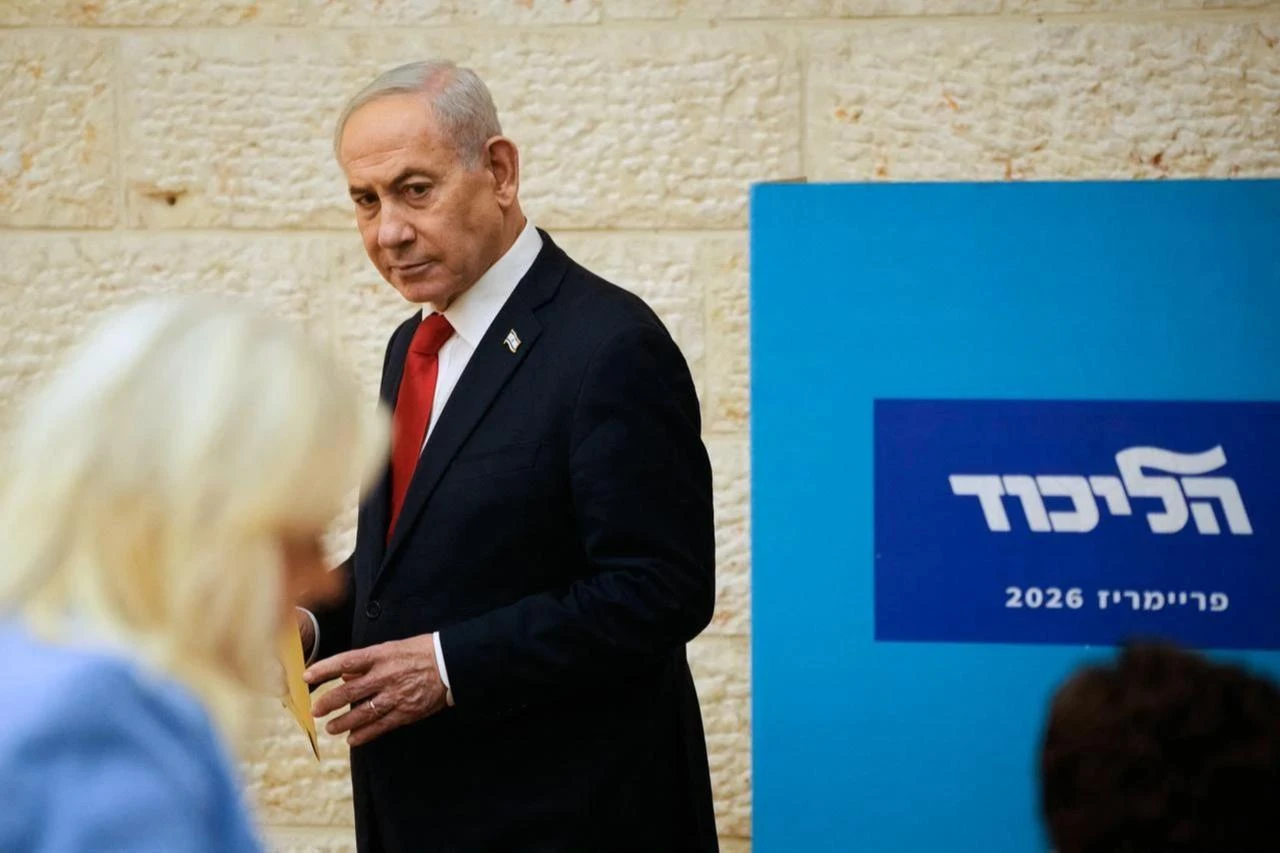
Türkiye on Wednesday rejected claims by Israeli Prime Minister Benjamin Netanyahu’s office that Turkish troop deployment plans in Syria threatened Israel, saying the allegations were intended to justify Israeli airstrikes on Syrian territory.
“The frivolous allegations put forward by the Israeli Prime Minister’s office aim to legitimize Israel’s unlawful airstrikes targeting Syria’s sovereignty and territorial integrity,” Türkiye’s Communications Directorate said in a statement.
The response came after Netanyahu’s office said Israel and Syria had agreed to maintain a security status quo but claimed Damascus was close to violating it by allowing Turkish troops to deploy at an air base near Aleppo.
“Israel repeatedly warned Syria that such a deployment would pose a threat to Israel’s security. Syria chose to ignore these warnings,” Netanyahu’s office said.
The statement stopped short of formally acknowledging Israeli responsibility for the latest strike.
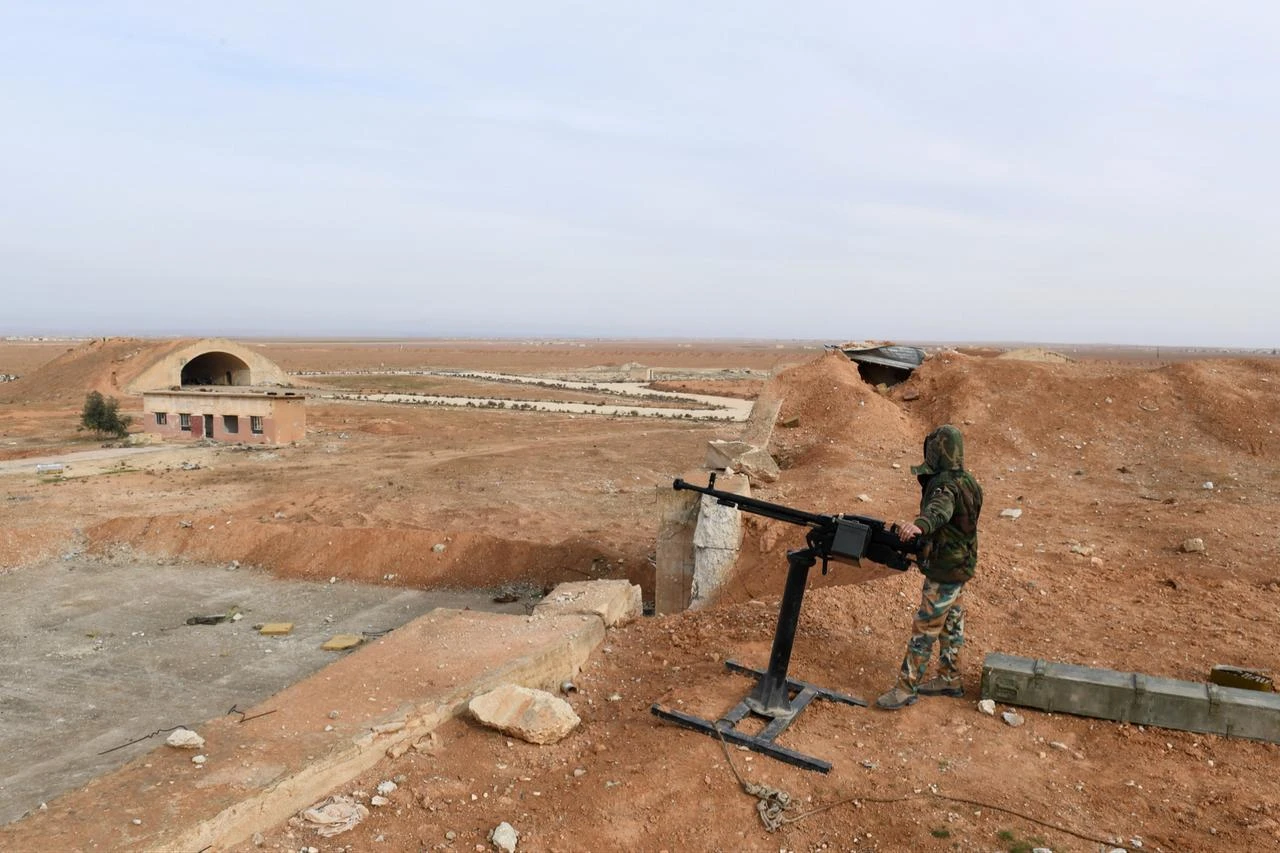
U.S. envoy for Syria Tom Barrack said Tuesday that Israel had carried out strikes on the Abu al-Duhur air base in Syria’s northwestern Idlib province.
Syrian state media, citing a military source, said Israeli aircraft struck the runway eight times, damaging infrastructure but causing no casualties.
The facility has been out of service since 2012 and is protected by Syrian Defense Ministry forces, a security source told Agence France-Presse (AFP).
Barrack described the attacks as “an unnecessary escalation that does not advance regional stability.”
“We encourage all parties to prioritise logical discourse over further military incidents,” he said on X.
According to the Syrian Observatory for Human Rights, the strikes came after a Turkish military delegation visited the airfield in recent days as part of efforts to reactivate it.
Türkiye’s Communications Directorate said the accusations from Netanyahu’s office reflected what Ankara described as his intention to continue “expansionist and destabilizing policies” in the region ahead of Israel’s elections.
“Like the vast majority of the international community, Türkiye advocates for lasting peace in our region,” the statement said.
“The only way to achieve this is for Netanyahu to abandon his aggressive and coercive policies and respect international law.”
Ankara also reaffirmed that it would continue working with the Syrian government to promote peace, stability and prosperity.
“Türkiye will resolutely continue to cooperate with the Syrian government on a legitimate basis to establish peace, stability, and prosperity in Syria, and will never allow the destabilization of Syria,” the Communications Directorate said.


Syria’s Foreign Ministry also condemned the strikes “in the strongest terms,” describing them as “an unjustified act of aggression” and calling for action by the U.N. Security Council.
The ministry said Syria had exercised restraint while working to strengthen stability and avoid escalation.
Israel has carried out hundreds of strikes in Syria since the December 2024 fall of longtime ruler Bashar al-Assad, who was toppled by forces led by Ahmed al-Sharaa.
Israel has also deployed troops into the U.N.-patrolled buffer zone that had separated Israeli and Syrian forces in the Israeli-occupied Golan Heights since 1974 and has conducted operations deeper inside Syrian territory.
The latest strike was carried out significantly farther inside Syria than that security zone.
Despite continuing tensions, Israel and Syria’s new authorities have held several rounds of direct talks and agreed to establish an intelligence-sharing mechanism.
Last month, Syrian Foreign Minister Asaad al-Shaibani demanded an unconditional Israeli withdrawal, saying the occupation of Syrian land beyond the 1974 line posed a direct threat to regional security.
Israeli Defense Minister Israel Katz said last week that Israel intended to keep troops in Syria.
U.N. Secretary-General Antonio Guterres, during a visit to Damascus last month, said violations of Syria’s sovereignty and territorial integrity were unacceptable and must stop. He also said the Golan Heights are Syrian territory.
Israel captured most of the Golan Heights from Syria in the 1967 Arab-Israeli War and later annexed the territory under its control, a move not recognized by most of the international community.


 Set as preferred source
 Set as preferred source


 1 min read
 1 min read