Newsletters


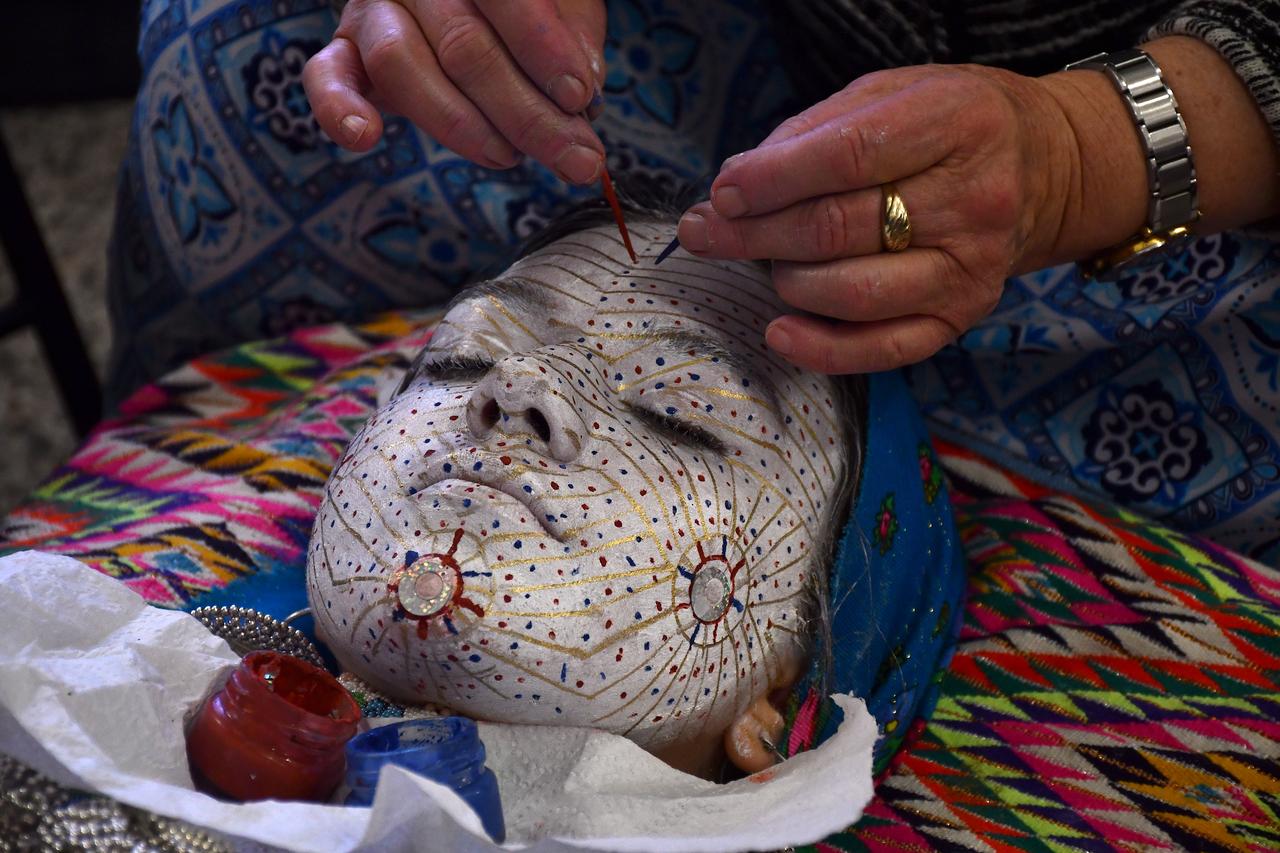


In Prizren, the capital of Kosovo, a centuries-old tradition continues in Bosniak villages where brides have their faces painted to protect themselves from evil eye.
In villages on the slopes of the Sar Mountains, including Donje Ljubinje, Gornje Ljubinje, Manastrica, Musnikovo and Planjan, brides continue to have their entire faces painted in vibrant colors as part of traditional wedding rituals, a custom that attracts researchers, journalists and tourists alike.
Aziza Sefitagic, one of the last women practicing this art, told Anadolu Agency that she learned bridal face painting from her mother-in-law. Now in her 70s, she said she continues the tradition because it is at risk of disappearing. Sefitagic added that she has shared the practice internationally and passed it on to her daughter-in-law, hoping the tradition will survive.
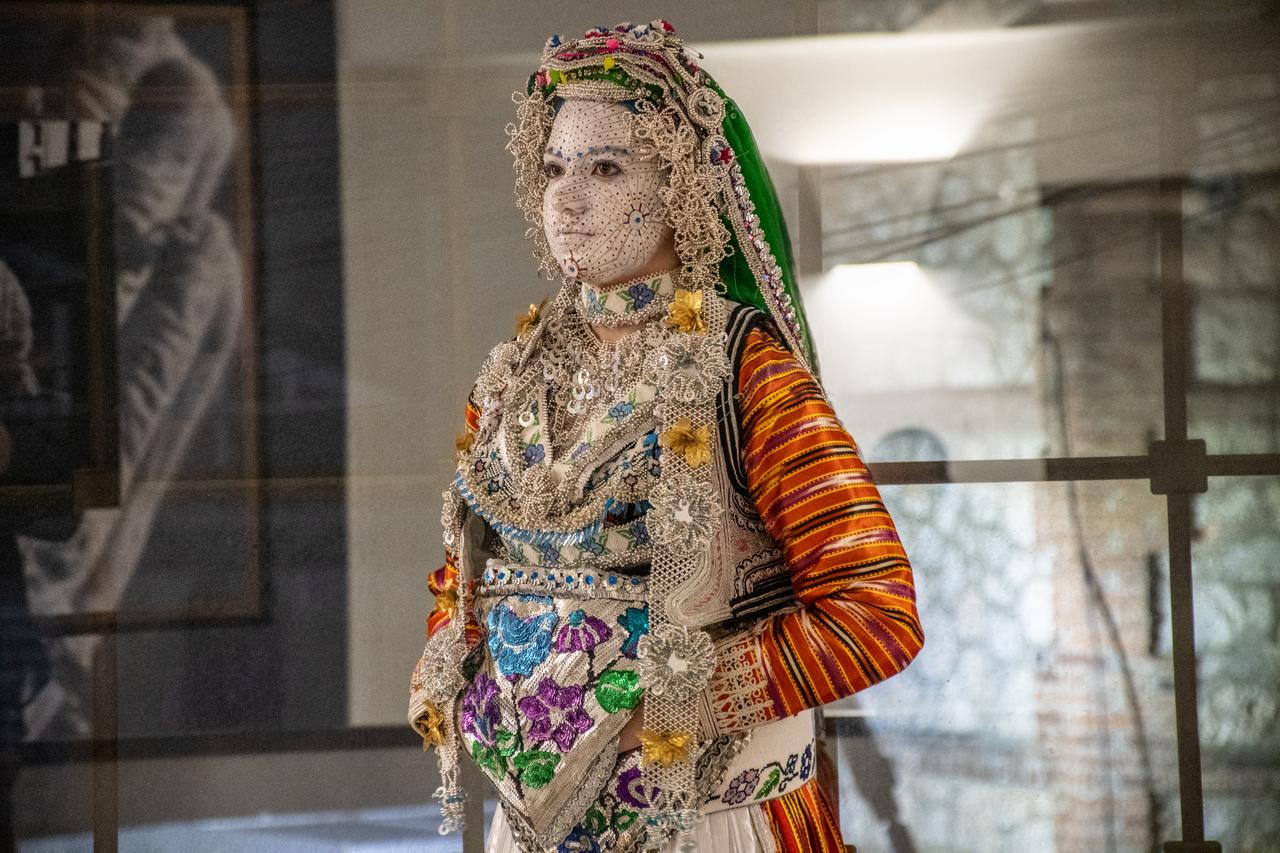

Medisa Sagdati Karavidaj, a tourism professional involved in cultural promotion, said the tradition has been practiced for centuries among Bosniaks in Prizren’s villages and has parallels in North Macedonia and Bulgaria.
She explained that face painting begins early on the wedding day and commonly uses blue, red, gold and white, each with a symbolic meaning. Circles represent the cycle of life, while dots symbolize seeds and new beginnings.
According to Karavidaj, the painted face symbolizes a young woman’s transition into marriage and was historically believed to protect brides from envy and misfortune. While less common today, the tradition is still practiced annually, especially in rural areas where traditional weddings continue despite shorter celebrations.
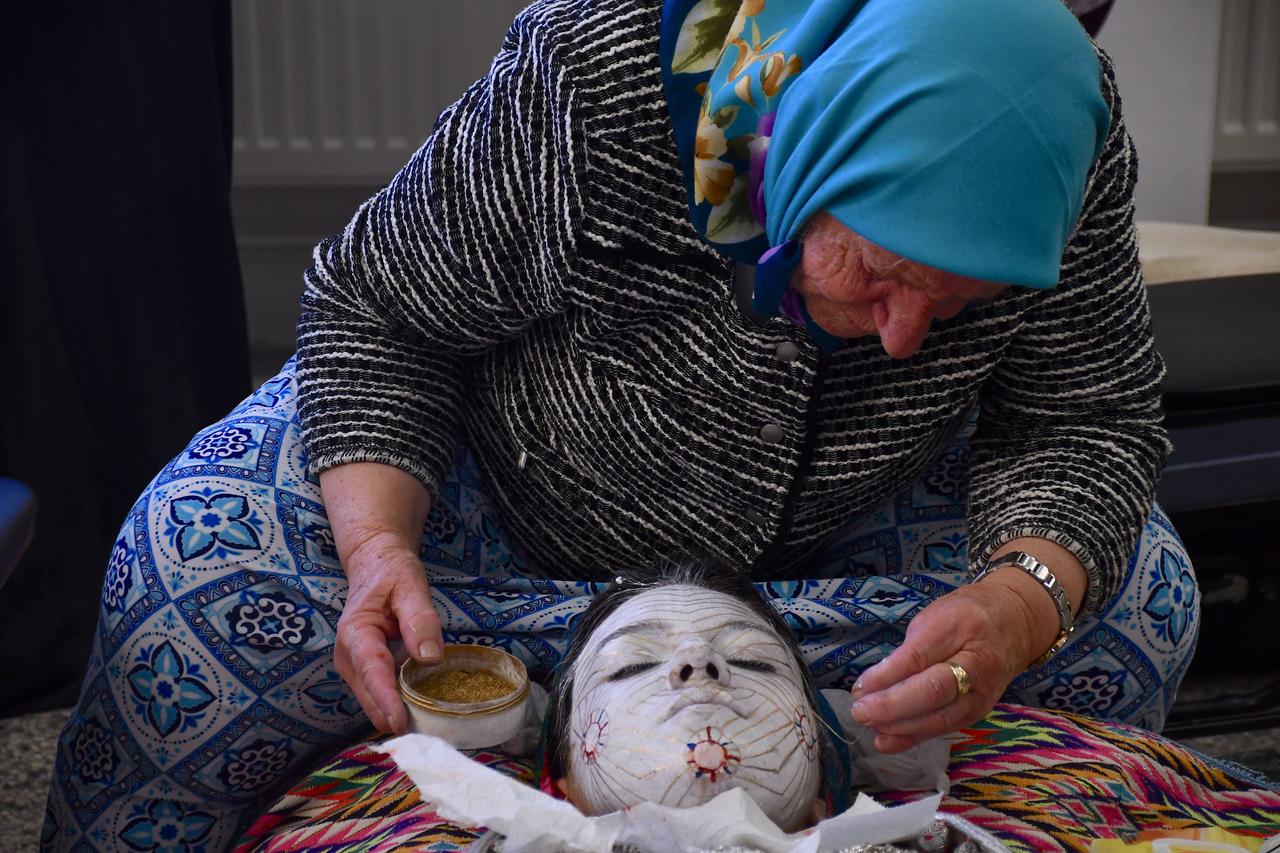
The face painting takes about two hours and begins after the bride shares a final breakfast with her family. She then wears traditional clothing, is given a piece of sugar, and symbolically bids farewell to her home. Until she reaches the groom’s house, she does not eat, speak or cry, as tears are believed to bring bad luck and damage the painting.
The groom arrives on horseback and once unveiled, the bride’s face is checked, if the paint remains intact, it is believed she will be strong and hardworking.
Elmedina Shkurti Haxhifazliu from the Association for Education for Development and Cultural Promotion (EDUCO) said interactive workshops featuring Sefitagic were held during the annual Prizren Tourism and Hospitality Conference to help preserve and promote this unique cultural tradition.


 Set as preferred source
 Set as preferred source



 2 min read