Newsletters


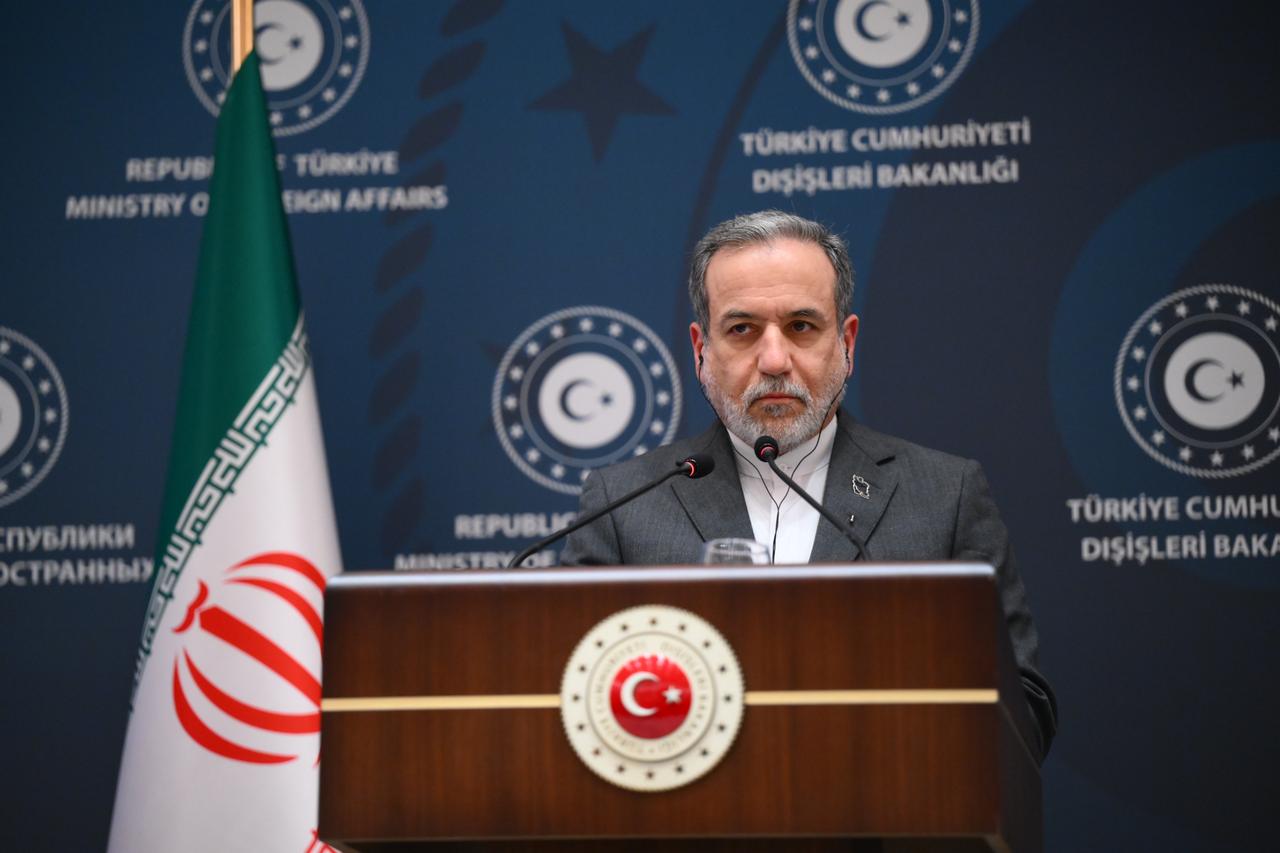


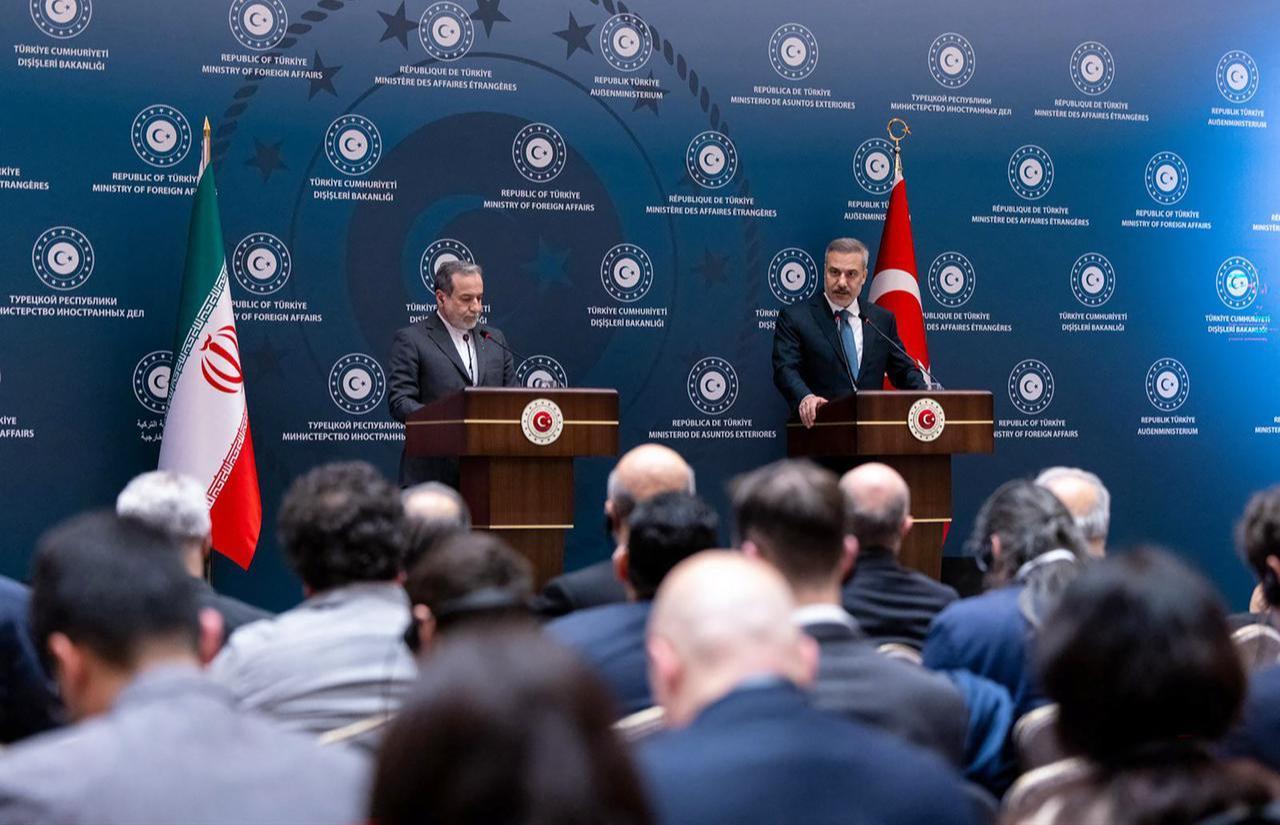
The priority of Friday's, Feb. 6, U.S.-Iran talks in Istanbul is to "avoid any conflict and de-escalate tensions," a regional official told Reuters on Tuesday.
Foreign ministers from Saudi Arabia, UAE, Pakistan, Qatar, Egypt and Oman were invited to participate, while Israeli analysts predicted the talks would fail.
A regional official, speaking on condition of anonymity, told Reuters that some of the countries invited to the talks at the foreign ministers' level include Pakistan, Saudi Arabia, Qatar, Egypt, Oman and the United Arab Emirates (UAE).
"The format of the meetings remained unclear, but the 'main meeting' would be on Friday and it was important to start dialogue between the parties to avoid further escalation," the official said.
The Wall Street Journal and The New York Times reported that U.S. special envoy Steve Witkoff, President Trump's son-in-law Jared Kushner, and Iranian Foreign Minister Abbas Araghchi would meet, with Türkiye hosting and officials from Qatar, Egypt and other regional states expected to participate.

Anwar Gargash, diplomatic adviser to UAE President Sheikh Mohamed bin Zayed, said at the World Governments Summit in Dubai that the Middle East does not need another U.S.-Iran confrontation.
"I think that the region has gone through various calamitous confrontations. I don't think we need another one, but I would like to see direct Iranian-American negotiations leading to understandings so that we don't have these issues every other day," Gargash said.
"They need to rebuild their relationship with the United States. I think through reaching a deal, a political deal, a wider geostrategic deal that will actually be beneficial to the area, the Iranians are also helping themselves in ultimately, what they need, which is to rebuild their economy," he added.
Behind the scenes, mediators from Türkiye, Qatar, Egypt, Oman and Iraq have been shuttling messages between Washington and Tehran, according to The New York Times.
Araghchi and Witkoff have resumed direct contact via text messages, officials told the newspaper.
Iran has signaled readiness to curb or suspend its nuclear activities under certain frameworks and has revisited options from the 2015 nuclear deal, including transferring enriched uranium to Russia, Iranian officials said.
Analysts say the coordinated regional push reflects fears of cascading instability.
Ali Vaez of the International Crisis Group warned that "a U.S. strike on Iran would export chaos—refugees, militancy, instability—faster than anyone could contain it," according to the WSJ.
The talks are expected to explore parallel tracks, including Iran's nuclear program and broader U.S. demands regarding missiles and regional militias, even as both sides remain far apart.
Israeli military analysts expect the upcoming talks to fail, warning that negotiations are unlikely to address Iran's ballistic missile program, which Tel Aviv views as a major threat.
Witkoff is expected to arrive in Israel on Tuesday to discuss the planned talks before heading to Istanbul.
Avi Ashkenazi, military analyst for Israeli newspaper Maariv, raised doubts about the outcome.
"The big question is whether the Iranians are willing to show full surrender by handing over enriched uranium, dismantling the nuclear project, canceling the ballistic missile program, and halting support for armed groups in Yemen, Iraq, Syria, Lebanon and Gaza," Ashkenazi wrote.
Ashkenazi said Israel believes the U.S. may ultimately launch a military strike against Iran and would allow Israel to operate over Iranian territory if attacked.
"Israel has recently shared extensive intelligence with Washington, particularly on Iran's ballistic missile capabilities," he said.
"The Israeli military has said the talks in Türkiye do not reduce its level of alert or readiness for both defense and offense," Ashkenazi added.
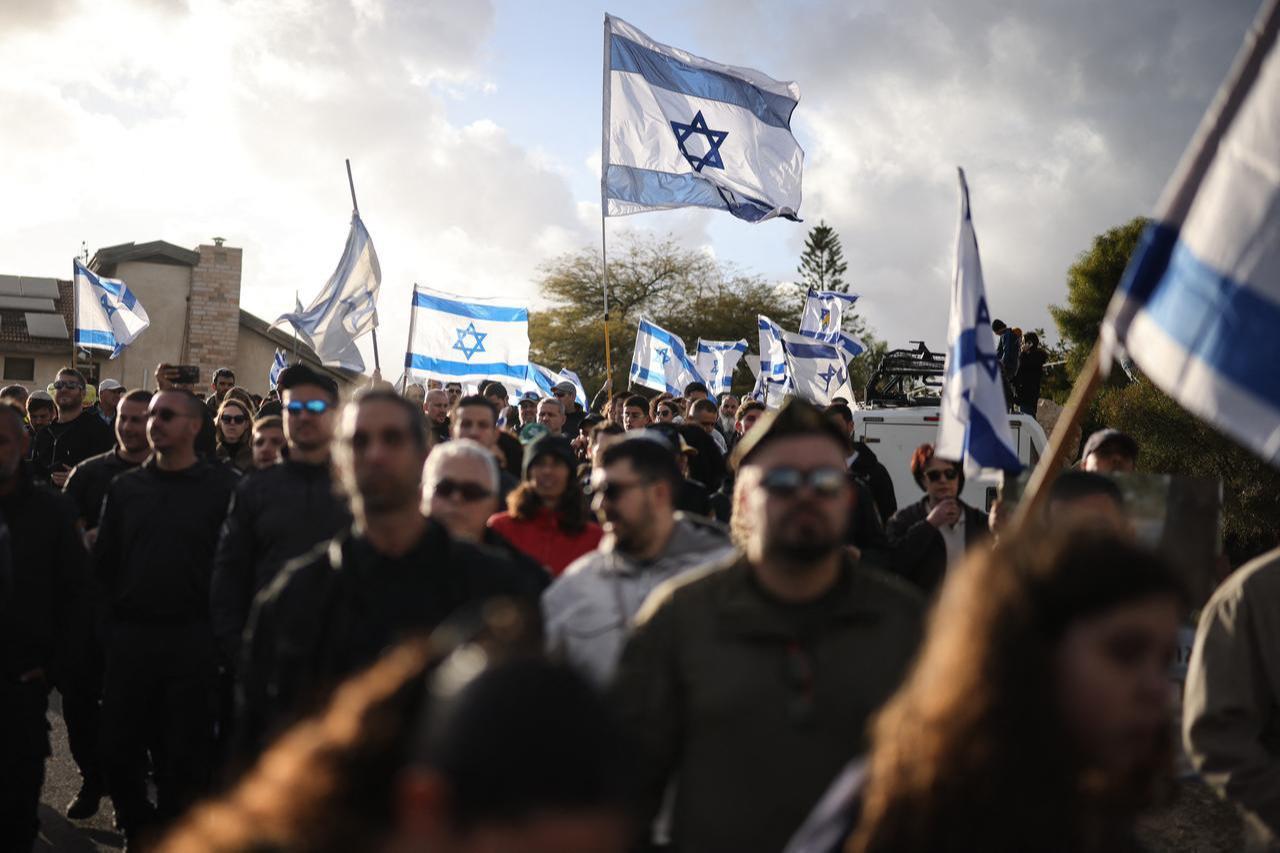
Amos Harel, military analyst for Haaretz, said the talks represent "Iran's last chance to avoid a confrontation with U.S. President Donald Trump," but warned that significant gaps remain.
Harel recalled events in June 2025, when a planned U.S.-Iran meeting collapsed "after Trump misled Iranian officials and gave Israel the green light to target Iranian nuclear sites."
"The circumstances today are somewhat different," Harel wrote, noting Trump's public support for Iranian protesters and the near-complete deployment of U.S. forces near the Gulf, including naval assets and fighter jets, though additional missile defense systems are still expected.
In June 2025, Israel, with U.S. backing, launched a 12-day military campaign against Iran. Tehran responded by targeting large areas inside Israel before the United States announced a ceasefire.


 Set as preferred source
 Set as preferred source


 3 min read
 1 min read