Sign in
 Newsletters


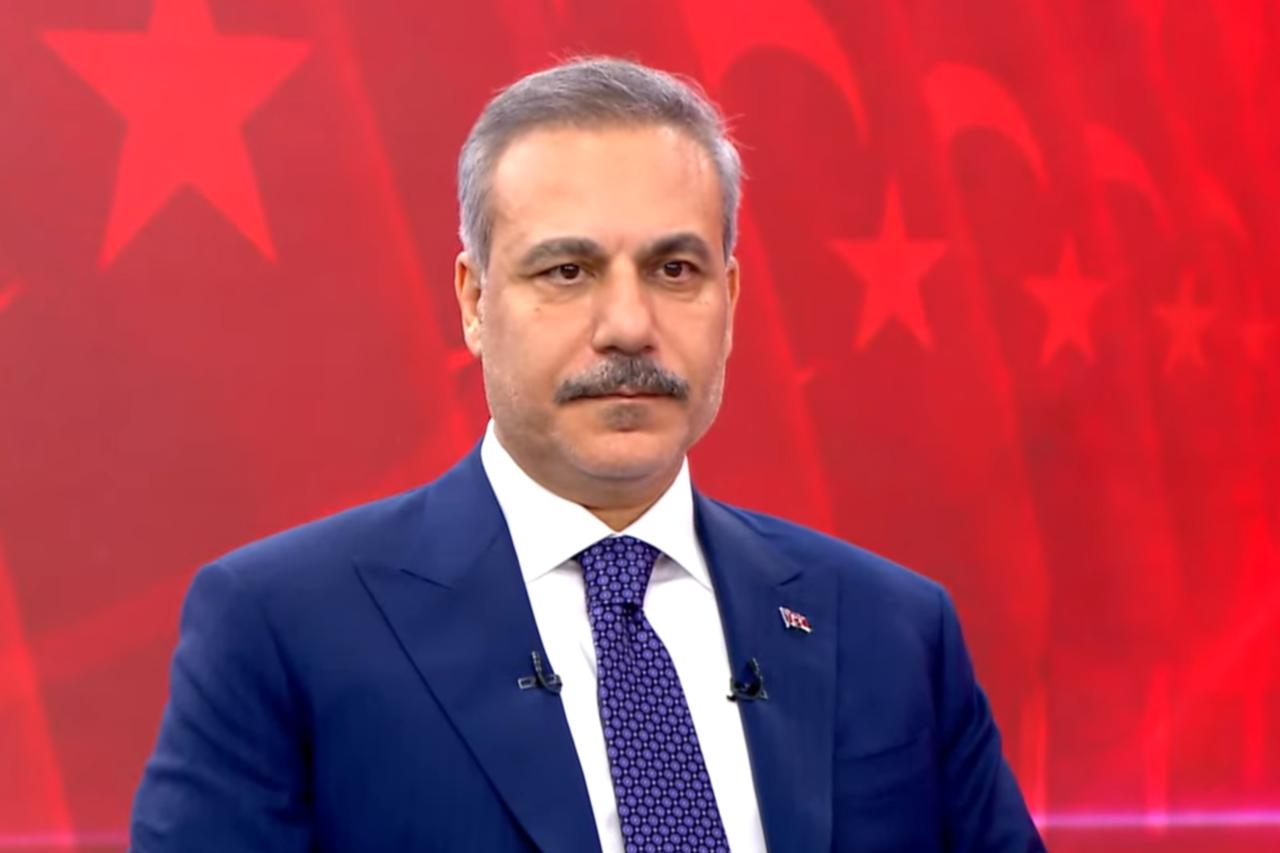


Foreign Minister Hakan Fidan said Türkiye has made no decision to station troops in Yemen, while confirming that Ankara is helping defend Saudi Arabia with air defense and electronic warfare support under the Mecca Defense Alliance.
Speaking in a live interview on Turkish broadcaster TGRT Haber on Saturday evening, Fidan also said negotiations over the Strait of Hormuz continue through mediators, and that the dispute over CAATSA sanctions and the F-35 program should be settled when Presidents Recep Tayyip Erdogan and Donald Trump meet.
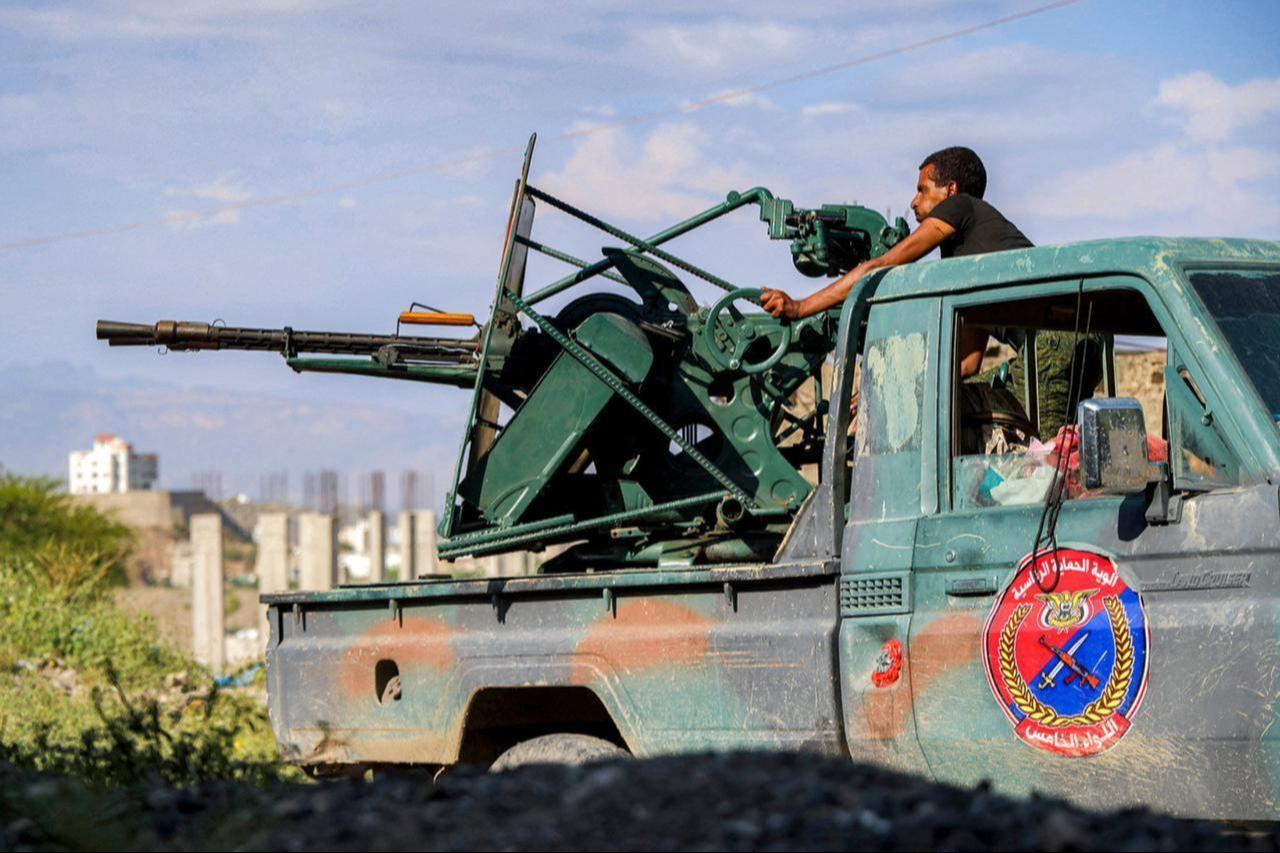

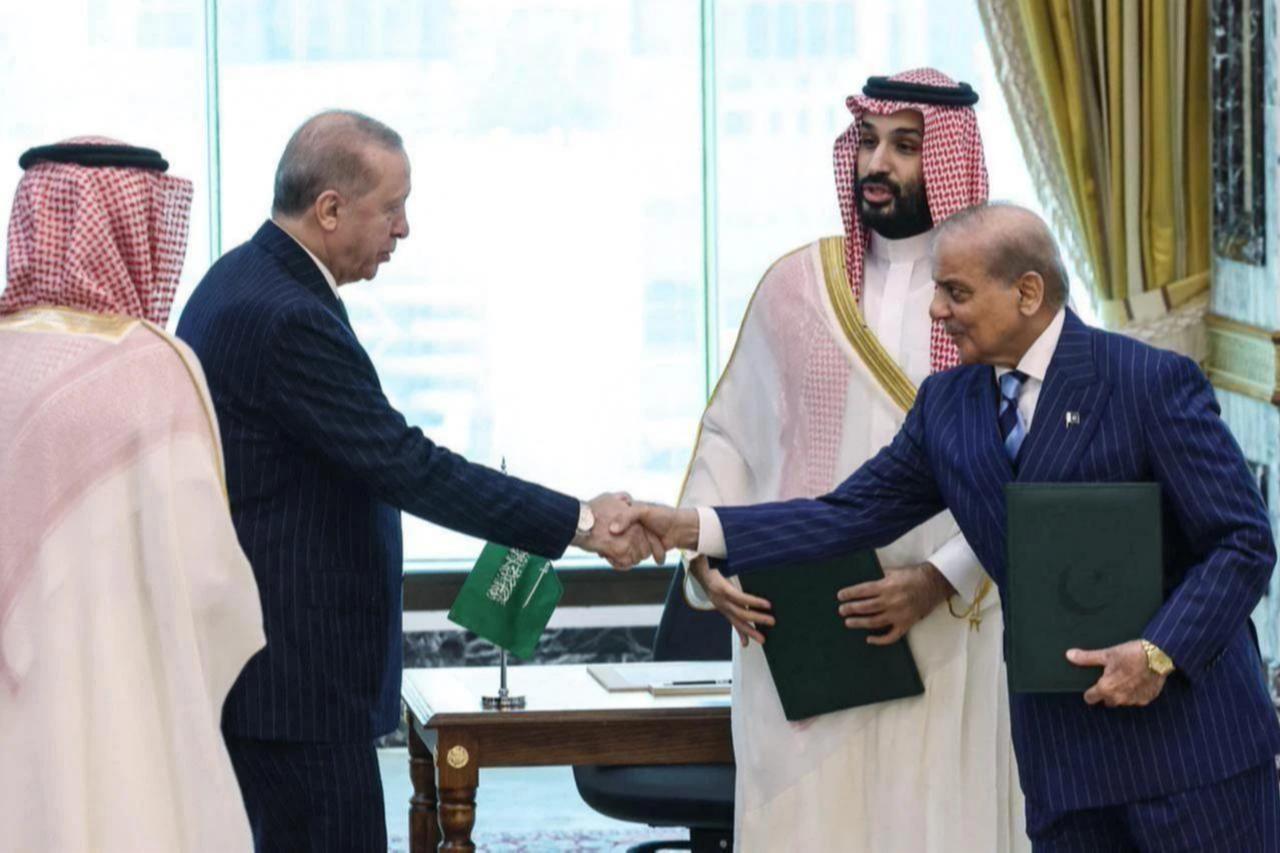
Fidan said the institutional build-up of the Mecca Defense Alliance is going well. Main decisions have been taken and the main mechanisms set up, he said, with decisions on a secretariat and a military headquarters already made and the details now being filled in.
He pointed to developments in Yemen as a looming test, saying the continued threat to Saudi Arabia's security there has become a domestic political issue in Türkiye.
He said some of the criticism is serious and some is ideologically driven. At the parliamentary budget committee two days ago, he said, he listened to lawmakers for 11 to 12 hours, with nearly 55 members taking the floor and opposition parties posing hundreds of questions.
Many deserve attention, he said, but because budget committee speeches are effectively broadcast to the whole world, the state cannot explain all of its strategic moves there.
Addressing claims that Turkish soldiers' blood will be shed in the Yemeni desert, a reference to an episode from the Ottoman era, Fidan said the Yemen of that period was no different from any place inside Türkiye's borders today.
It was a border, land and honor to be defended, he said: "If you have to die, you will die." That example cannot be carried over to the present, he said. Yemen is now a nation-state, with Saudi Arabia, Jordan and Syria lying between it and Türkiye.
The alliance is not built against anyone, Fidan said. Members give one another assurance that they will not attack, and that they will stand together against anyone who attacks one of them.
Many of the region's problems stem from the absence of lasting alliance systems, he said, because nation-states there are young, and the settling of power, capital and ties with the Gulf took time, as did the lessons drawn from dealings with hegemonic powers.
Türkiye is already providing technical help for Saudi Arabia's defense, including air defense and electronic warfare, as the defense minister has announced, Fidan said.
Defense industry cooperation is one of the alliance's pillars, he said, recalling that Türkiye was unable to buy certain capabilities from the United States about 15 years ago while fighting terrorism, even with the money to pay for them.
Having since developed its own technology, he said, deciding who receives it is a strategic choice and not only a matter of market. Economic cooperation among Pakistan, Saudi Arabia, Türkiye and regional countries that join later is also important, he said.
Responding to a question on critics who say an Article 5-style clause would be triggered immediately, he said political language tends to exaggerate. NATO's Article 5 has been invoked once or twice in its history, he said, and Türkiye never felt it.
Türkiye only sent forces to Afghanistan, and nobody complained then that its soldiers would die in the Afghan mountains as American soldiers did, he said. He asked why the Mecca alliance, where the destination is a Muslim country, would be treated differently. A full-scale war footing, he said, would require passing many stages, including threat assessment, joint intelligence cells and defense planning.
Saudi Arabia is cooperating with nearly 30 countries on Yemen, he said, including nations that started well before Türkiye. The United States, Britain and some European countries have bombed Houthi targets many times, yet the Houthis' capacity persists, while Yemeni government forces fighting them have limited ability, he said.
The world only took notice, he said, when the Bab el-Mandeb strait began to be targeted by the Houthis, with Hormuz being blocked at the same time. Türkiye, he added, is a nation that knows what war is.
Fidan said that any deployment as part of a full-scale war would require technical and legal steps, including a parliamentary resolution authorizing the troops and the mission, regardless of which alliance is involved.
He traced the Mecca alliance to an earlier eight-country format on Gaza. Out of it came a smaller grouping of Pakistan, Saudi Arabia, Egypt and Türkiye, known as the R4, which produced the alliance in concrete form, he said. Fidan said leaders in the region should be able to talk openly with trusted partners in the same way he can with his own staff.
On Iran, he said Tehran should settle its nuclear issue with the United States and the United Nations, while other matters should be discussed between Iran and its neighbors. Because crises that directly affect Europe interact with those in the Middle East, the European four and the regional four met in Istanbul, he said, with a second meeting planned in Berlin.
Asked about Russia's war in Ukraine, he said everyone should stop, mediators should be supported and a renewed U.S. attack on Iran must not happen.
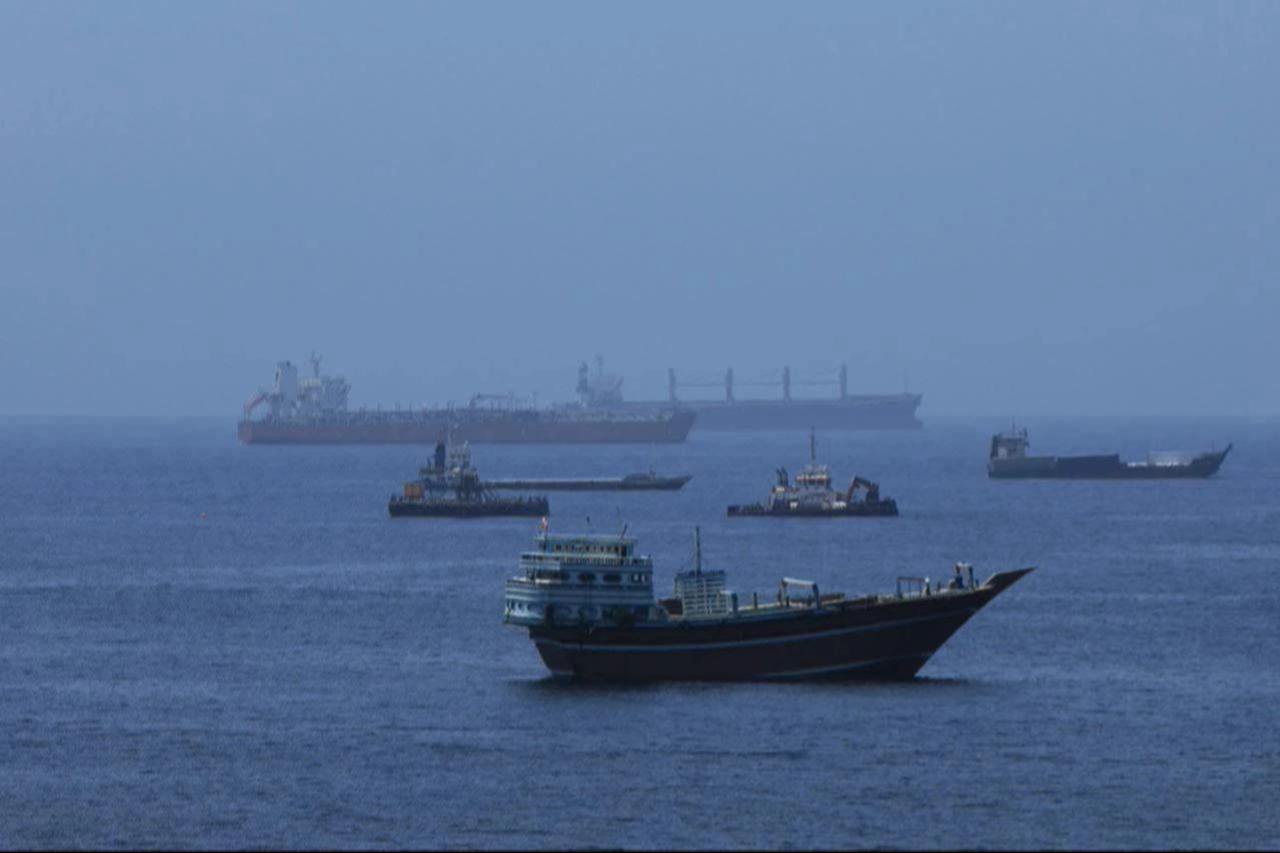
On the Strait of Hormuz, a key route for world oil shipments between Iran and Oman, Fidan said a negotiating process is under way. Messages are passing between the parties, and each side has put forward certain demands, he said. He spoke on Saturday with Qatar's prime minister, one of the mediators, and said efforts continue, with Türkiye doing what it can.
A U.S.-Iran agreement would matter beyond reopening the strait, he said, because it would also help hold back a global financial crisis. The economic burden of the war and the lack of a resolution is growing heavier for many countries, he said. In his contacts with European counterparts, ministers, prime ministers and presidents, he said, leaders are carrying heavy economic loads they rarely voice publicly.
Türkiye has proposed a universal declaration that would keep critical passages such as Hormuz, the Istanbul straits, Gibraltar, Malacca and the Panama Canal from being held hostage, with all countries signing on to a connectivity rule, Fidan said.
Fidan also pointed to the elections in the United States and Israel, saying Israel is playing a central role in the developments. A country that goes to war as if acting as a proxy for another state, he said, is "questioned at the point where its claim is strongest."
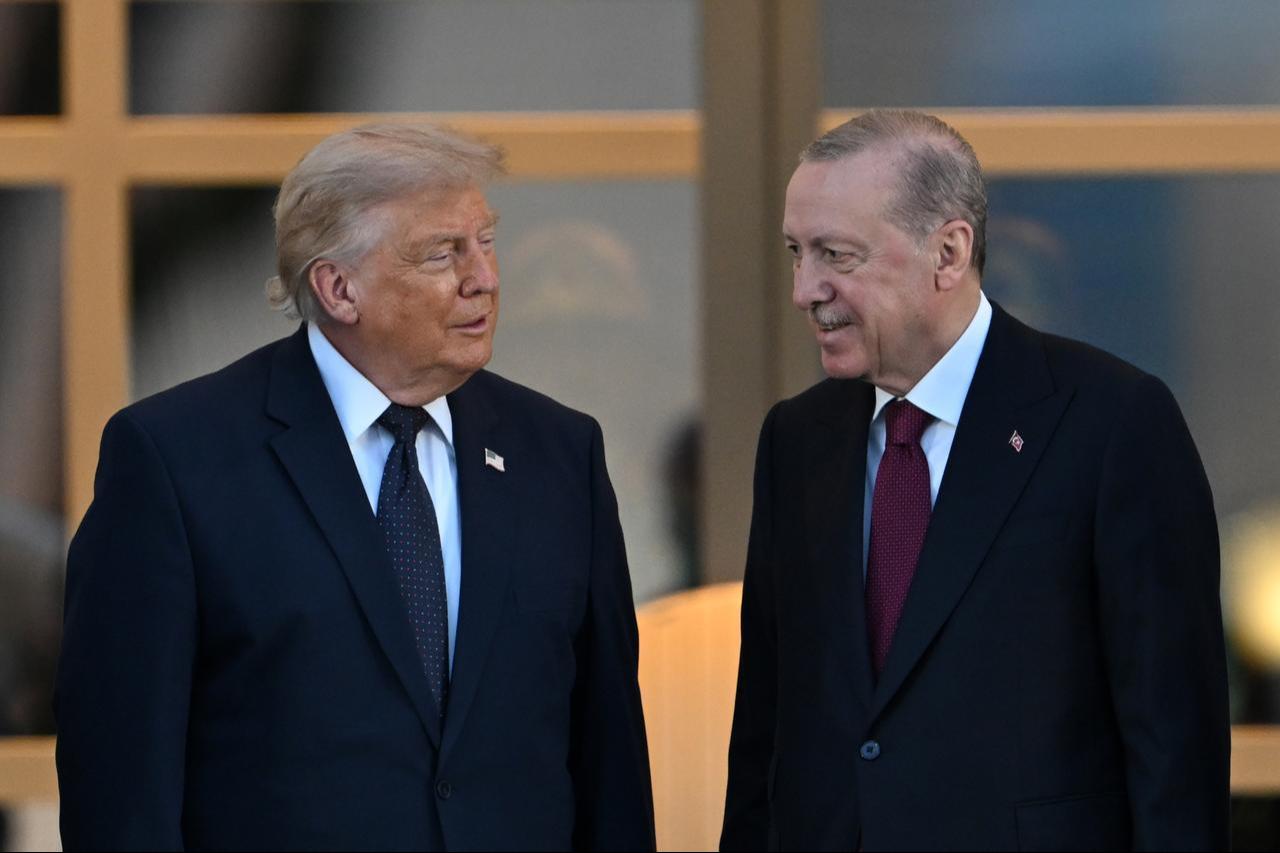
Asked about Türkiye's expectations from Washington, Fidan said delays that depended on the U.S. administration's authority, covering the expansion of bilateral trade and the removal of obstacles in the defense industry, are now being lifted. He cited some munitions purchases that had not been allowed for a long time.
Washington removed Türkiye from the F-35 fighter program in 2019 and imposed CAATSA sanctions on its defense procurement agency in 2020 over the purchase of Russian S-400 air defense systems.
Some matters tied to the law have implementation provisions where Ankara continues to work through obstacles, Fidan said. Political will, he said, has been in place for a year and a half, but the issue has partly turned into lobbying battles between those who say "America first" and those who say "Israel first." Lobbies carry weight in American politics, he said, yet the administration has the will to act, and Türkiye is working to move the issue forward in a systematic and disciplined way.
He described a relationship between Erdogan and Trump that could serve as an example of leaders' diplomacy, saying many issues, some public and some not, have been managed and some resolved. He singled out the U.S. withdrawal from Syria and Iraq as vital to Türkiye's terror-free region project.
When Erdogan and Trump meet, Fidan said, the CAATSA question should be settled and closed, because "no one can make sense of it." Keeping it open, he said, does not serve U.S. interests either.
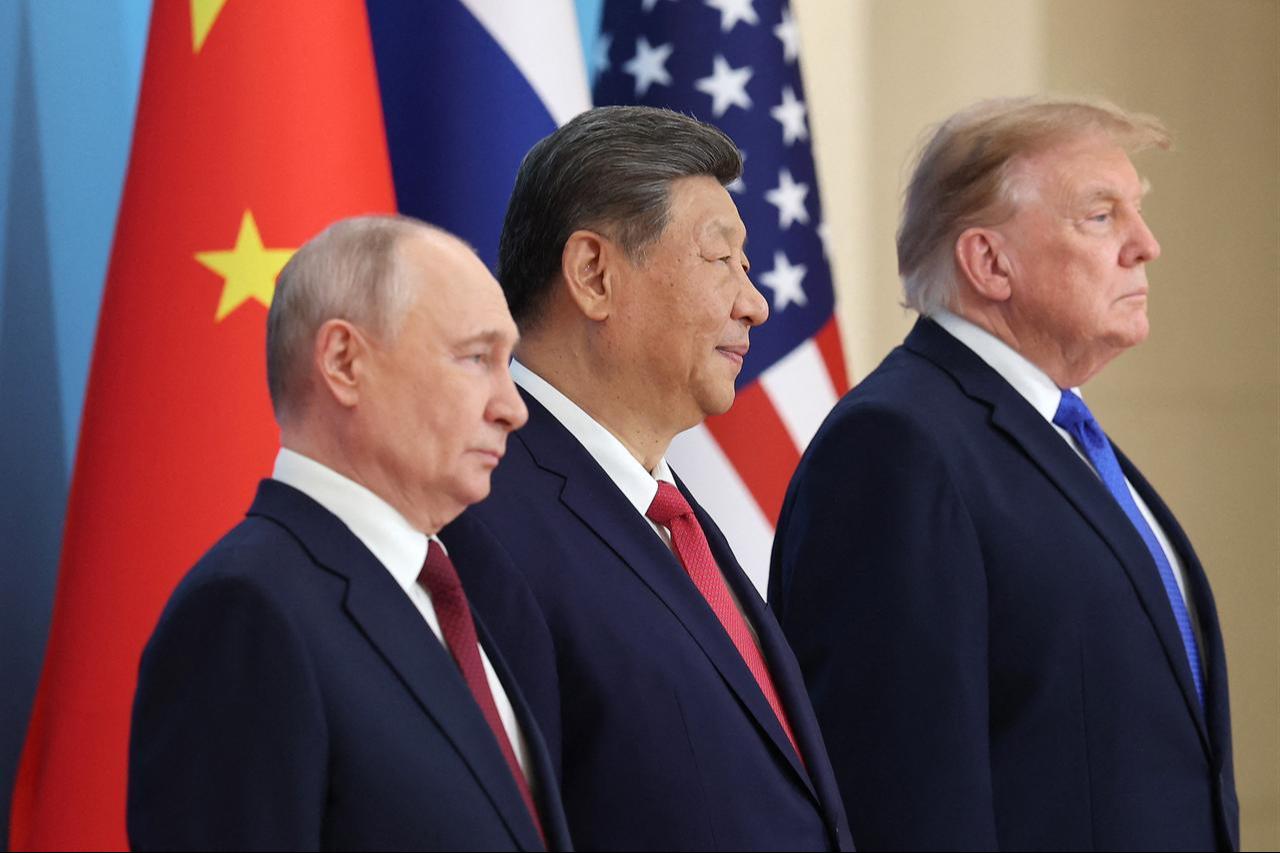
Asked whether hegemonic powers still decide the world's fate after the meeting of Chinese President Xi Jinping, Trump and Russian President Vladimir Putin in China, Fidan called the gathering on the sidelines of the Asia-Pacific Economic Cooperation platform "important," but placed it within a wider change in how global power works.
Fidan said the world operates as a system of nation-states, each holding rights by virtue of being a state and each carrying influence according to its power. Countries move within a "power matrix" that is constantly changing, he said, as economic, political, technological and social strengths evolve and diversify. Nearly 200 nation-states are registered at the United Nations, about 140 of which he would consider normally functioning, and a hegemonic order built after World War II for only 55 registered states no longer serves much purpose, he said.
The United States under the Trump administration has reviewed its global strategy and decided to change roles it has carried since World War II, Fidan said, from European security to its position in the Asia-Pacific and the Western Hemisphere, with "new and serious" determination on technological and economic competition.
After the Cold War, he said, members of the European Union and partners such as Japan and South Korea, sheltered under the U.S. umbrella, ran their security policies on "autopilot."
The new U.S. line began with "America first" and a push to share the defense burden inside NATO, which members accepted, he said, but he also saw a loosening of responsibility and empathy, with Washington no longer appearing to feel accountable for European security.
Fidan said China's economic and technological rise, together with its military capabilities, has turned it into a global actor competing with the United States.
Russia, he said, holds the world's second-largest nuclear arsenal and retains economic resources, remaining standing despite what he called such a destructive war.
Offering what he stressed was his personal analysis and not the state's official view, Fidan said a bold move may not emerge from the meeting.
Even so, he argued, such talks help keep problems from getting worse, and for nuclear powers to meet, negotiate and look each other in the eye is "extremely important." Real improvement, he added, would require their interests to converge.
Fidan said Israel's policies and regional expansionism are wrong, and that peace in the region is not possible without a two-state solution. He called for an end to the suffering in Gaza and the start of humanitarian aid, and for stability in Syria to continue.
Following the latest floods, he said, conditions in Gaza have worsened, and while some food is entering, food alone is not enough.
Türkiye has thousands of containers used after the earthquake that Erdogan ordered sent to Gaza from the first day, he said, but Israel does not allow them in because the metal could be used by Hamas to make weapons. People are left in cloth tents facing floods, storms and cold, he said. Fidan said he expects renewed movement after the elections, and that Gaza is an issue Türkiye has not let and will not let be forgotten.
On Syria, he said the process is moving with steady, sure steps, if sometimes slowly, because the destruction is vast and covers institutions and systems as well as buildings and lives. The return of the population and an end to international sanctions are needed for the economy to recover, he said.
Fidan said Israel does not want strong neighbors and prefers fragmented ones. A scenario in southern Syria would not stay limited to Syria, he said, and would bring conflict and uncertainty, calling for the international system and regional actors to take it seriously. Türkiye's first priority is that regional security and stability not be threatened, he said, and the only actor currently able to do so is Israel.
Asked how it feels to now discuss Syria's stability with the United States and Europe, Fidan said shifts in their positions do not surprise him because he knows the reasons.
He said the United States is questioning for the first time whether its decades of Middle East policy served itself or another country, recalling that Trump repeatedly asked in his first term why the United States was supporting the PKK and keeping troops there. Israel used American power as a bulldozer for years to reach its goals, hiding behind certain crises and organizations, Fidan said, but the whole region now knows it.
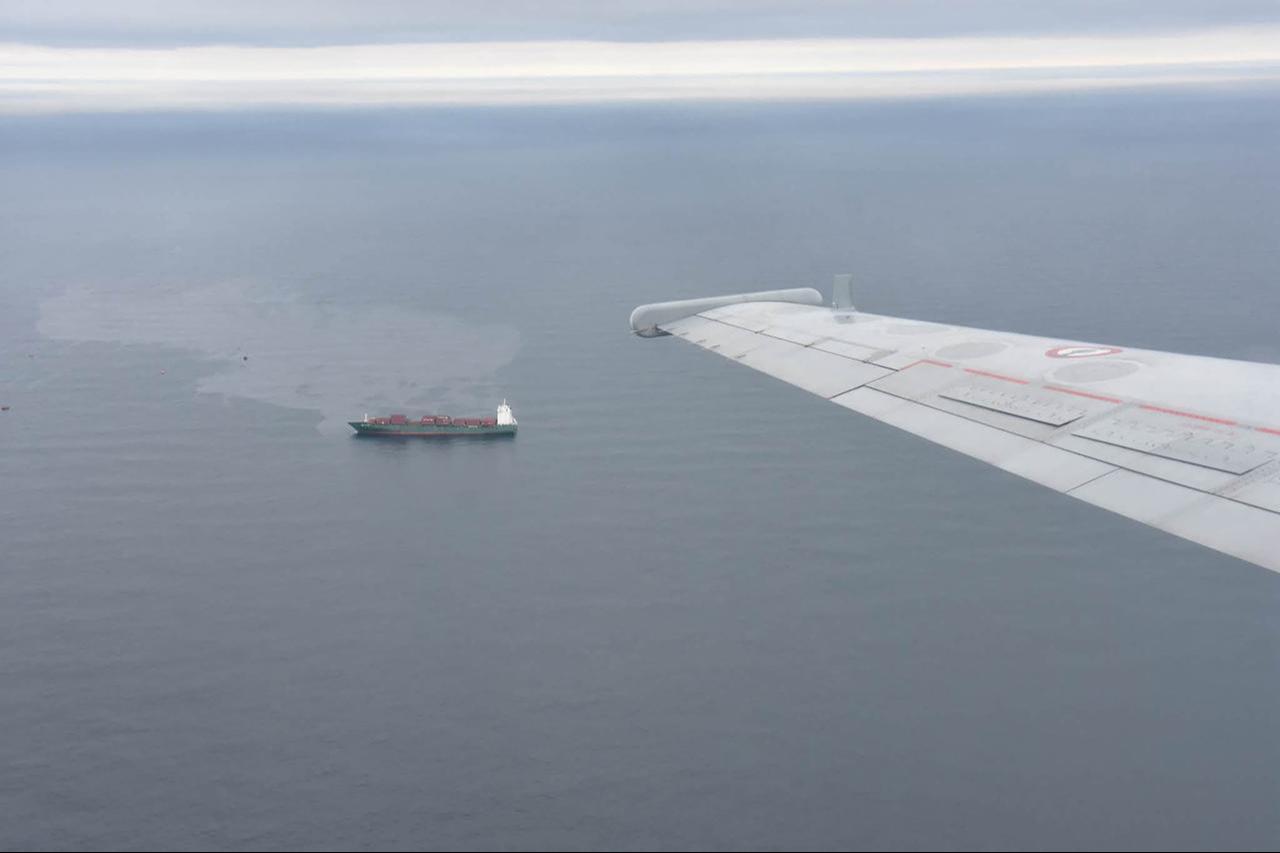
On the Black Sea, Fidan said the war has turned commercial, industrial and infrastructure targets into part of the fighting, and it is affecting vessels with Turkish citizens aboard. The Transport Ministry and Naval Forces have warned that the area is a conflict zone, but foreign-flagged ships with Turkish crew still sail there, he said.
Ankara is making direct approaches to Russia and Ukraine, and coast guard and rescue units are working intensively, though many ships sit beyond Türkiye's reach near Russian and Ukrainian ports. Cooperation has gone well so far, he said, and Türkiye's advice is that ships carrying its citizens avoid the war zone, since both sides have declared they will hit such ships.
On visas, Fidan said about 85 to 86 of every 100 applications are accepted, with 14 to 15 rejected, and that roughly 1.2 to 1.3 million Turkish citizens apply each year.
Young people are most affected, he said, and students face restrictions on mobility. Ankara intervenes strongly at both central and local levels when it sees problems, he said.
A few items remain before visa liberalization can take effect, including passage through parliament, Fidan said.
Erdogan has issued instructions, and drafts are now being discussed at a technical level with European counterparts by officials at the EU directorate and the Foreign Ministry.
Asked about the thinking behind Türkiye's presence at nearly every diplomatic table, Fidan said Erdogan has set out a foreign policy vision over many years.
The Mecca Defense Alliance, the Regional Quartet and the Gaza group took shape once the current crisis began, he said. "The essential thing is to cooperate."
Fidan laid out three premises: Türkiye now has the capacity to take ownership of regional problems, the power it holds makes it responsible in its region, and it must act proactively because measures taken after a crisis breaks out are often too late.
In an age of uncertainty, he said, countries want to sit with responsible partners that have proven themselves, and European leaders have begun using phrases such as regional ownership.
He credited the continuity of successive AK Party governments and of Erdogan's leadership for preserving the "strategic memory" of the region. Challenges are high, he said, but Türkiye has so far largely avoided passing vital regional and global crises on to the country. Fidan also warned that foreign policy can easily slide into rhetoric, and that running affairs on emotion can lead to crisis.


 Set as preferred source
 Set as preferred source


 1 min read
 1 min read