Sign in
 Newsletters


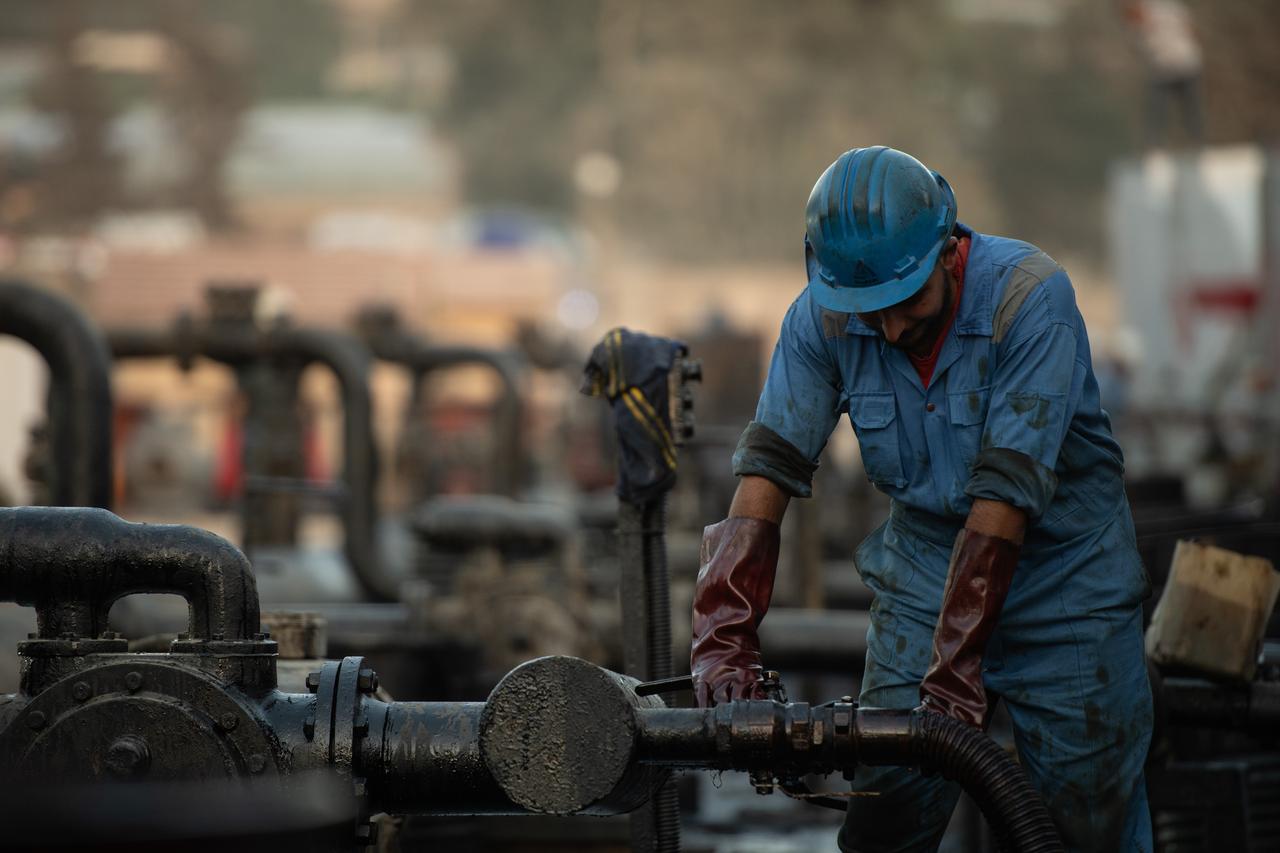


Iraq has resumed crude exports through the Kirkuk-Ceyhan pipeline to Türkiye for the first time in 12 years and begun shipping oil overland to Syria’s Baniyas port, as security risks in the Strait of Hormuz push Baghdad to diversify its export routes.
Pumping through the original pipeline began at 120,000 barrels per day (bpd) after technical and operational tests and will gradually rise to 500,000 bpd, Oil Minister Basim Mohammed Khudair said Tuesday, calling it an important step toward "strengthening Iraq’s export capacity and diversifying crude oil export outlets."
He gave no timeline.
Iraq’s Cabinet, meeting in Najaf under Prime Minister Ali al-Zaidi, approved a recommendation to rehabilitate the Iraq-Türkiye pipeline hours later.
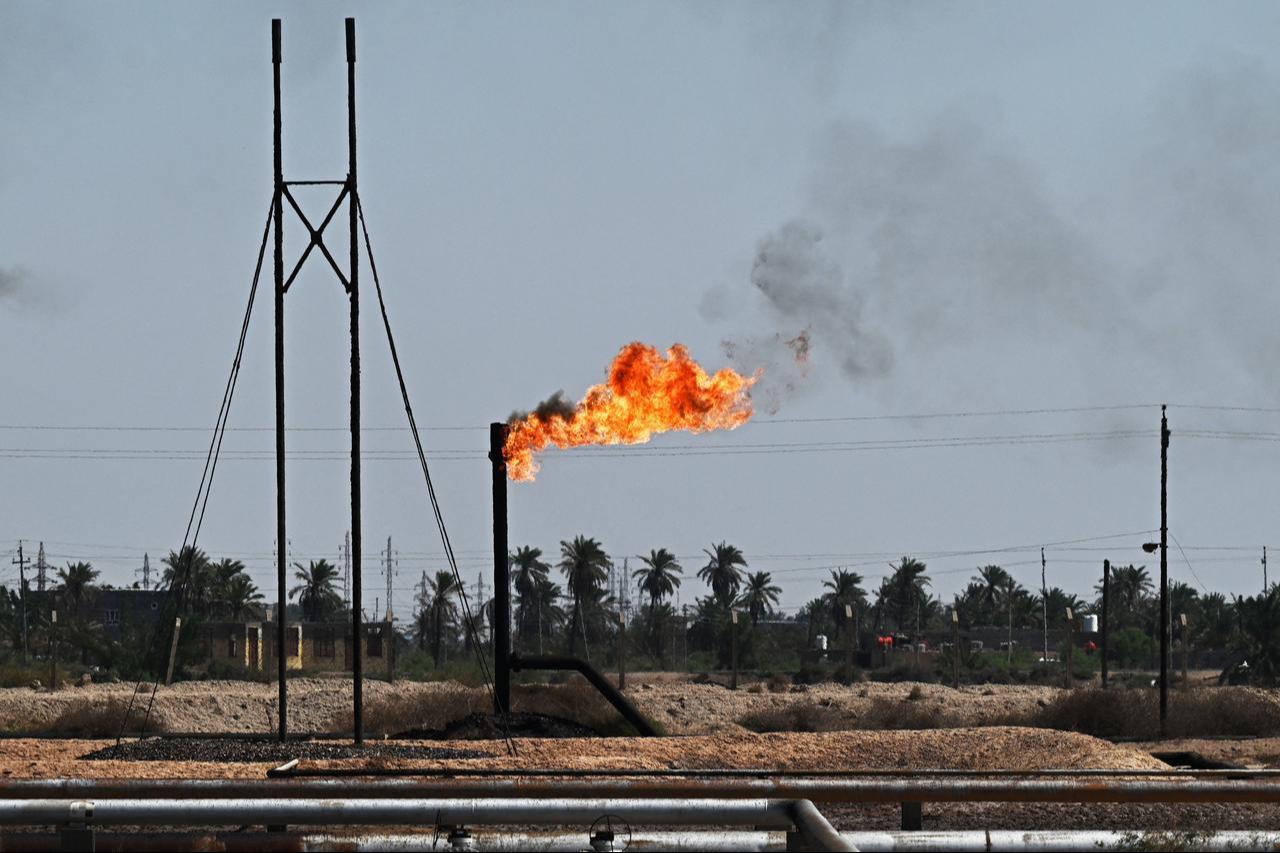

The 960-kilometer (596.52-mile) pipeline, which once handled about 0.5% of global oil supply, was halted in 2014 after repeated attacks by Daesh. Khudair said the resumption concerns the "old pipeline" running through federal territory, separate from the Kurdish Regional Government’s (KRG) line.
In August, Iraq and Türkiye signed a one-year agreement to maintain flows through the Kirkuk-Ceyhan pipeline with a capacity of up to 750,000 bpd as they pursue a long-term arrangement.
Baghdad aims to raise total export capacity from 3 million bpd in September to 5 million bpd through new pipelines.
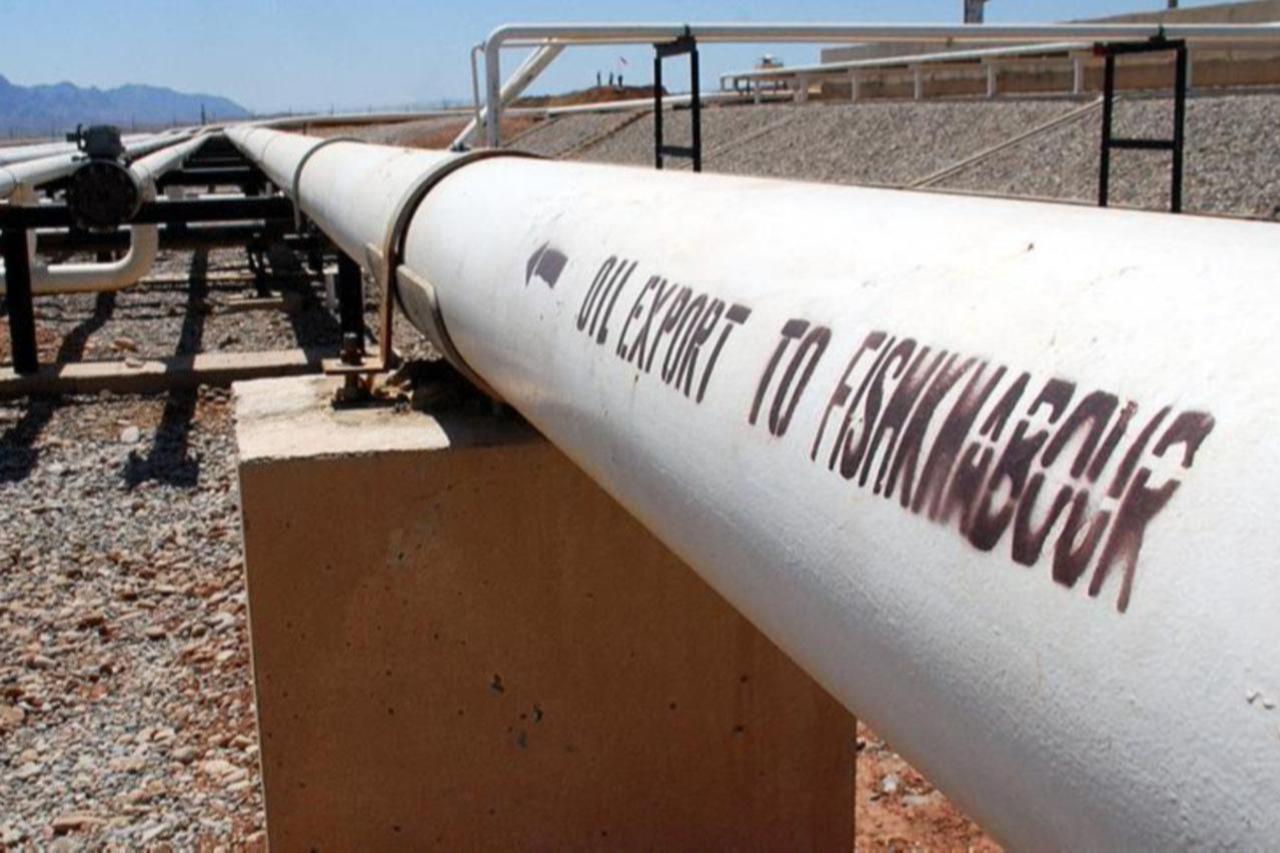
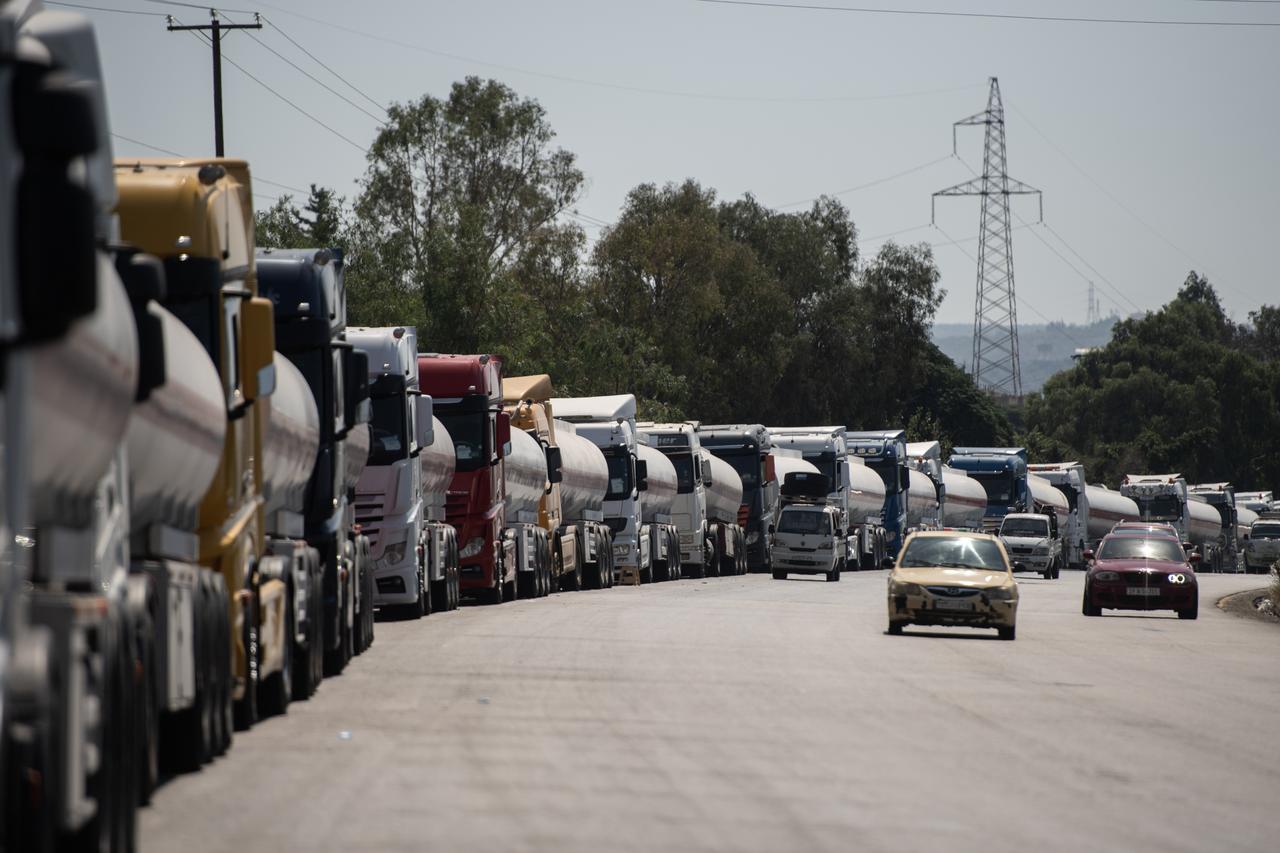
Qatari firm UCC Holding is trucking 120,000 to 150,000 bpd of Iraqi crude to Baniyas under a deal with state marketer SOMO, shipping about 1.6 million barrels since Oct. 26, and plans to expand its fleet from 6,000 to 10,000 trucks, though capacity constraints limit near-term growth.
Iraq and Syria signed an agreement in Washington on July 17 to rebuild the Haditha-Baniyas pipeline, expected to involve Chevron and have an initial capacity of 2 million bpd.
Iraq is also advancing the Development Road, a planned highway and rail network linking Basra’s Al-Faw Port to Türkiye and on to Europe.
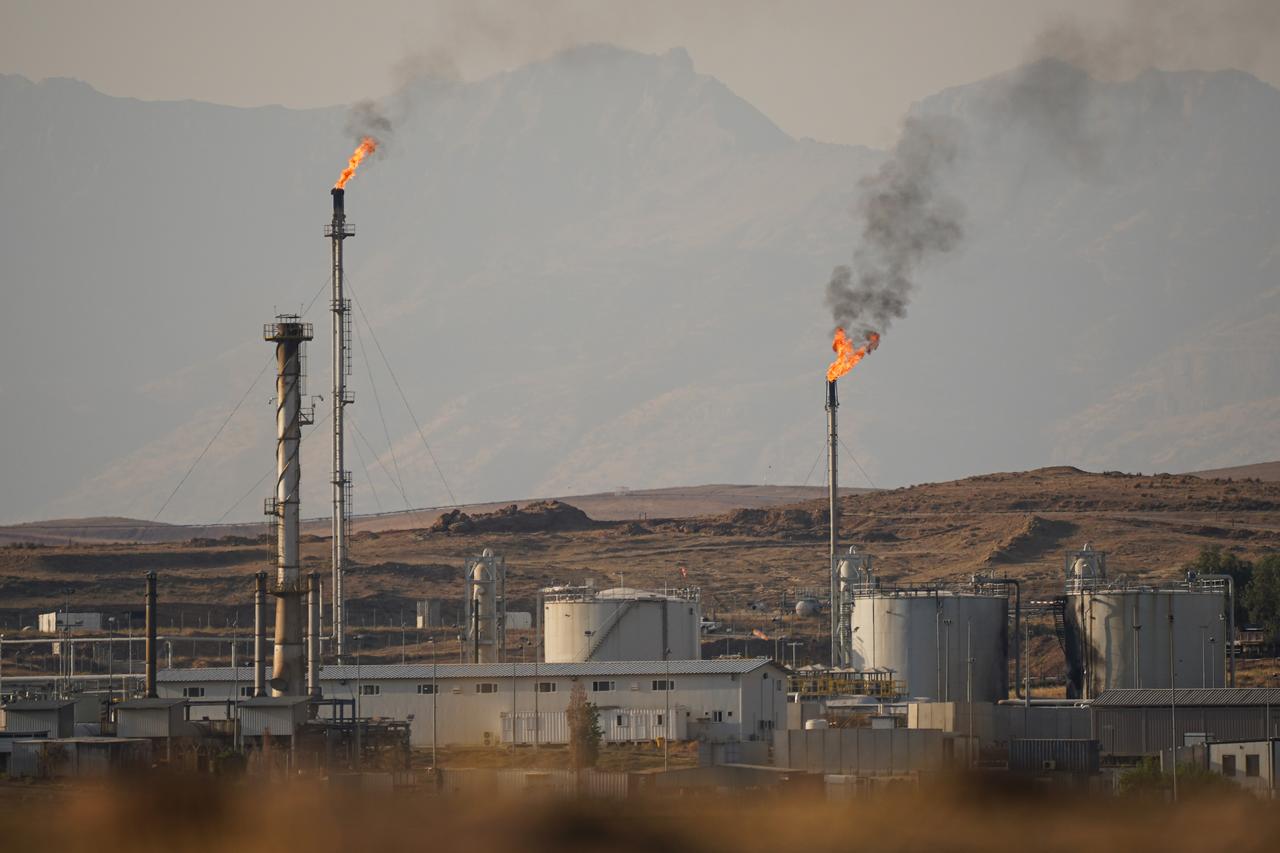
Ali Naji, president of the Eco-Iraq Observatory, said a proposed "New Damascus Route" would carry crude from Basra to the Haditha hub before branching toward Ceyhan, Baniyas and Jordan’s Aqaba, strengthening Iraq’s resilience against geopolitical shocks.
Energy expert Ahmed Sabah called the diversification a strategic shift and "a matter of national sovereignty," but warned it would raise costs through construction, operating expenses and transit fees, and increase distance from key Asian markets.
Iraq relies on oil for about 90% of its budget.
Exports fell below 1 million bpd in March after the Hormuz disruption, from about 3.4 million in February, and recovered to more than 3.4 million in October.
Foreign Minister Fuad Hussein said war-related losses had reached $60 billion, as Iraq expands routes through Türkiye and Syria to bypass the Strait of Hormuz.


 Set as preferred source
 Set as preferred source


 1 min read
 1 min read