Newsletters


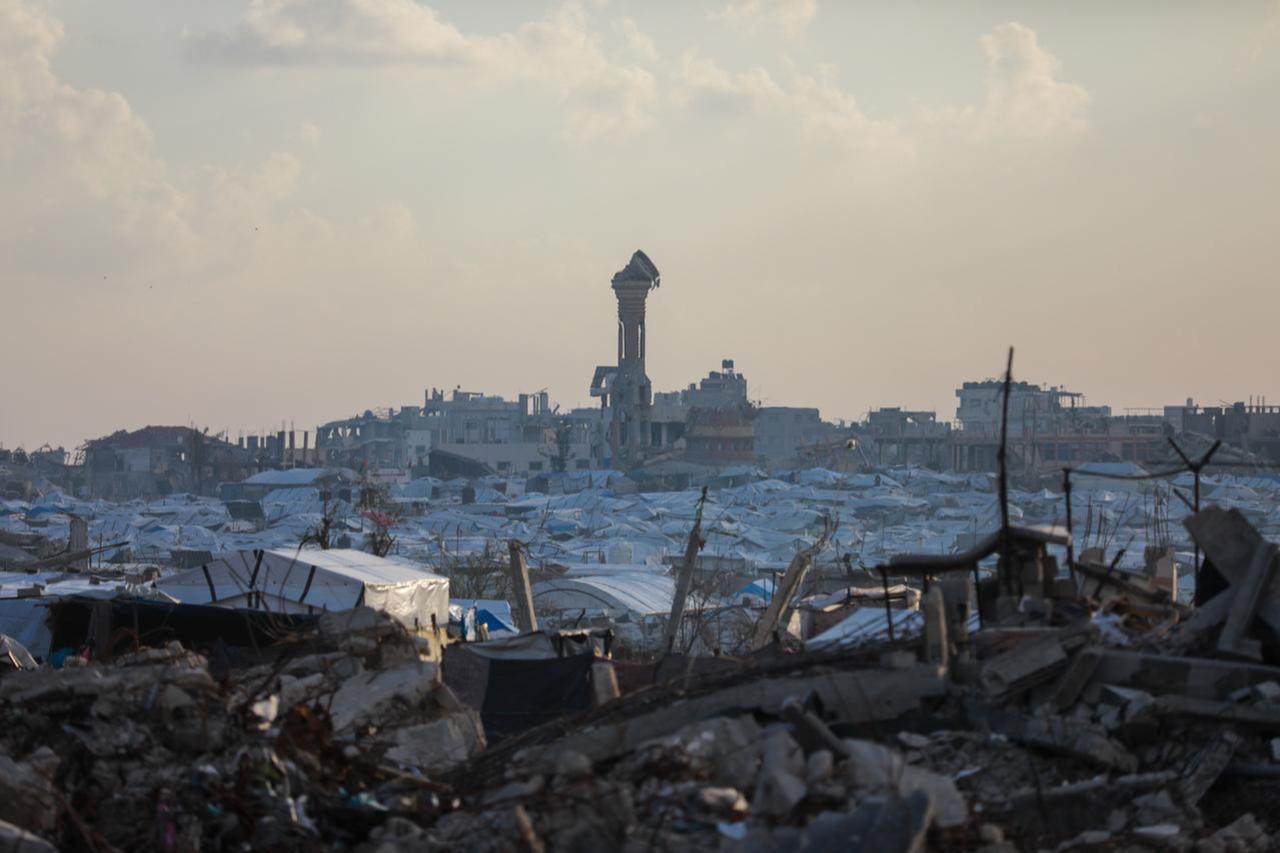


The Foreign Press Association said Tuesday it is disappointed by Israel’s decision to keep in place restrictions that prevent foreign journalists from entering the Gaza Strip independently, after the government told the Supreme Court late Sunday that the ban should remain, citing security concerns.
The Israeli government told the Supreme Court late Sunday night that the ban on foreign journalists entering the Gaza Strip should remain in force.
It attributed the decision to “security risks that threaten the situation in the Strip.” It also cited the ongoing search for the remains of the last captive held in the Gaza Strip, claiming, according to the memo, that allowing foreign journalists into the Strip could hinder the search operations.
In a statement on Tuesday, the association said: “The Foreign Press Association expresses its deep disappointment at the Israeli government’s latest response to our appeal, in which we called for full and free access to the Gaza Strip.”
It added: “Instead of presenting a plan that would allow journalists to enter Gaza independently and work alongside our brave Palestinian colleagues, the government has once again decided to close the door on us,” despite the ceasefire agreement in the Strip having taken effect.
Since the start of the Israeli offensive on Gaza on Oct. 7, 2023, foreign journalists have been barred from entering the strip independently.
However, Israel has allowed only a limited number of reporters to enter Gaza while accompanied by the Israeli army, which took them to tunnels, certain medical facilities or designated sites, showing them only what it wished to promote as part of Israeli propaganda.
The memorandum submitted by the Attorney General’s Office on behalf of the occupation government came in response to a petition filed by the Foreign Press Association, which represents hundreds of journalists in Israel and the occupied Palestinian territories.
The petition called for foreign journalists to be allowed into the Gaza Strip immediately and without conditions.
On Oct. 23, the court held the first hearing in the case and decided to give the Israeli authorities one month to draw up a plan granting journalists access to the Strip.


 Set as preferred source
 Set as preferred source


 1 min read