Newsletters


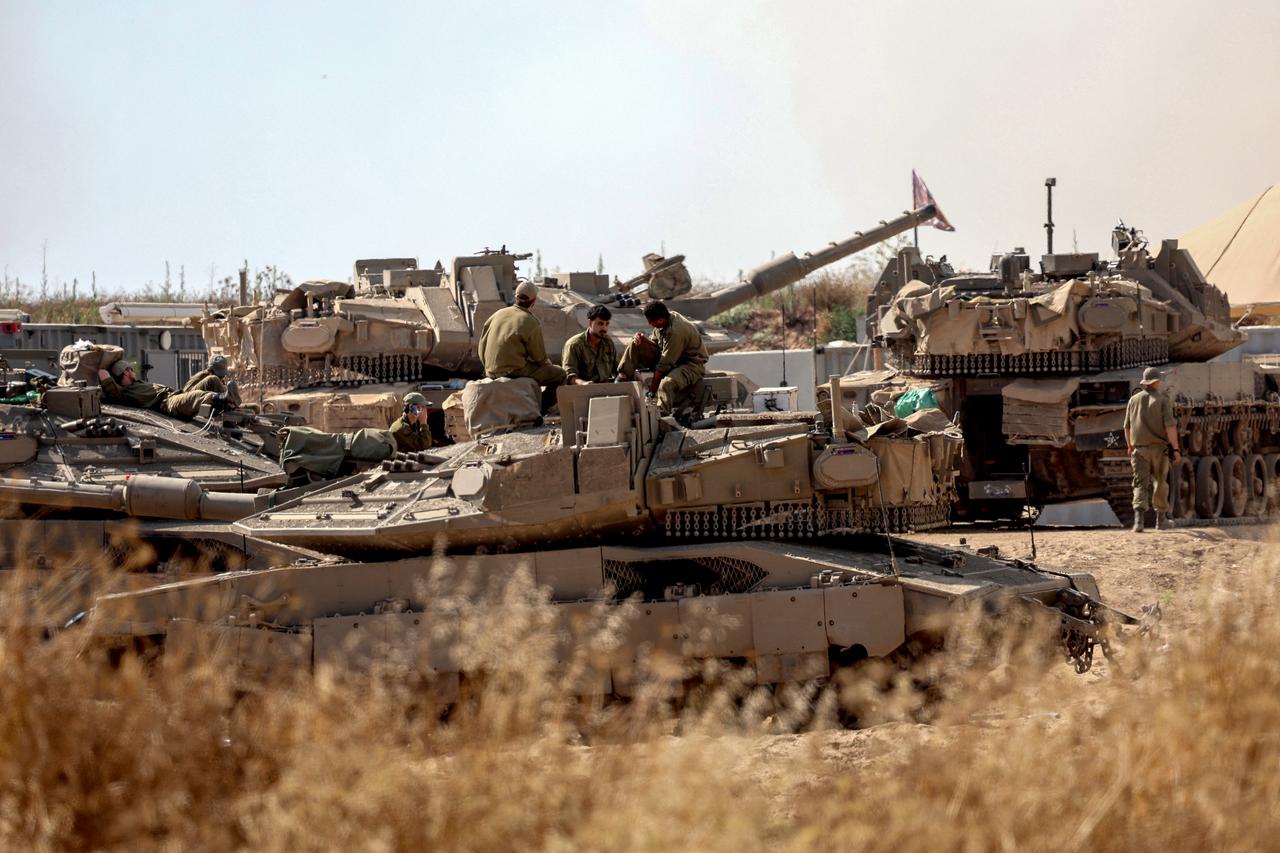


Former Israeli Defense Minister Moshe Yaalon accused Israeli settlers of carrying out “organized and systematic violence” against Palestinians in the occupied West Bank, as Gaza’s Health Ministry reported that 87% of supplies used by laboratories and blood banks had run out.
Yaalon, who also served as chief of staff of the Israeli military, said attacks and killings involving settlers had gone unpunished, while Palestinian health officials warned that shortages in Gaza were severely limiting medical testing and blood-bank operations.
In remarks published by Israel’s Yedioth Ahronoth newspaper, Yaalon said he had recently visited the West Bank and returned with deeply troubling impressions.
“I know the West Bank like the palm of my hand,” Yaalon said. “What is happening there will forever be remembered as shameful events.”
Yaalon said Israeli settlers who had seized Palestinian land were carrying out organized and systematic violence against Palestinians in the occupied West Bank.
He said settlers were not being detained despite attacks and killings involving Palestinians.
Attacks by Israeli settlers against Palestinians and their property have increased in the West Bank in recent months.
According to official Palestinian figures, at least 1,155 Palestinians have been killed in attacks by the Israeli military and settlers in the West Bank since October 2023.
About 11,750 Palestinians have been wounded and 22,000 detained during the same period, according to the figures.
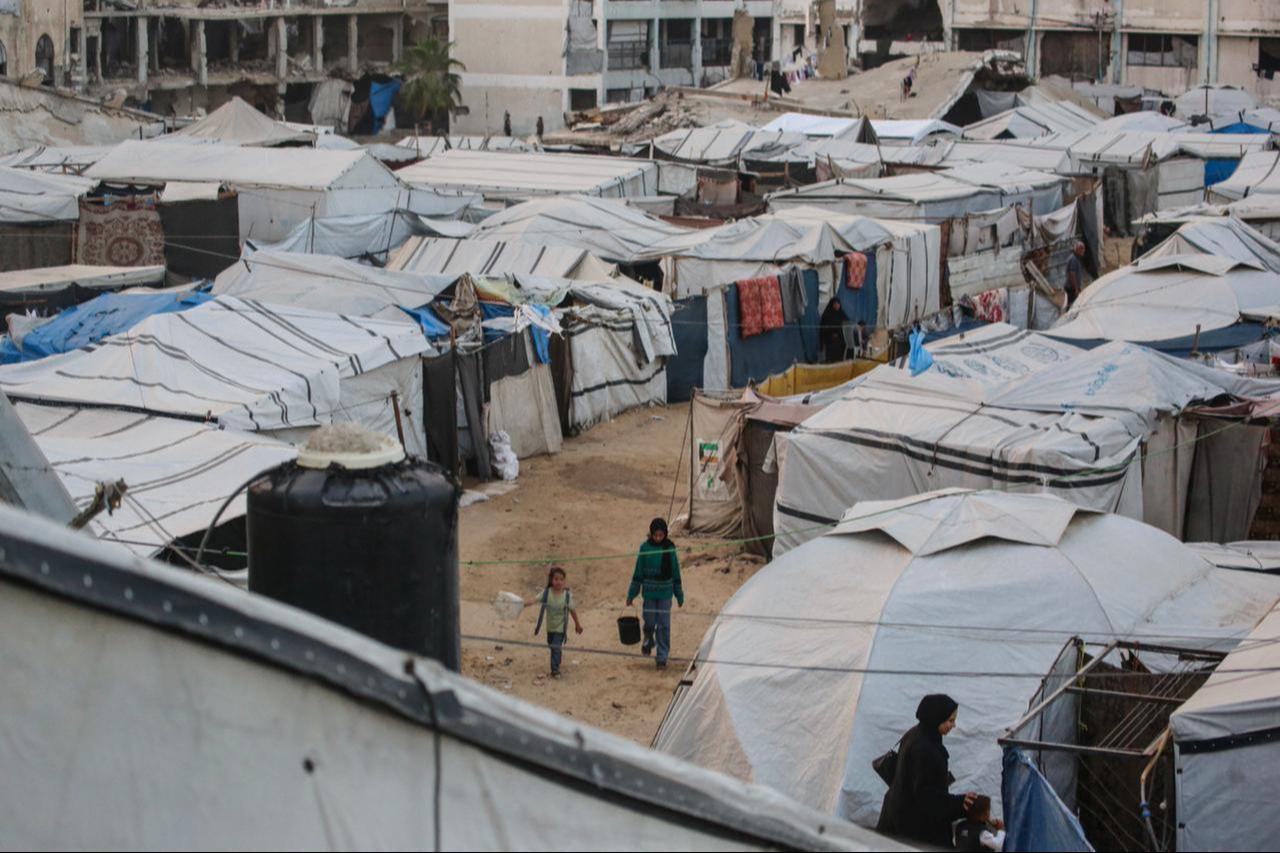

The Palestinian Health Ministry in Gaza said 87% of consumable supplies and medical testing products used by laboratories and blood banks had been exhausted.
The ministry issued the figures in a statement marking World Blood Donor Day.
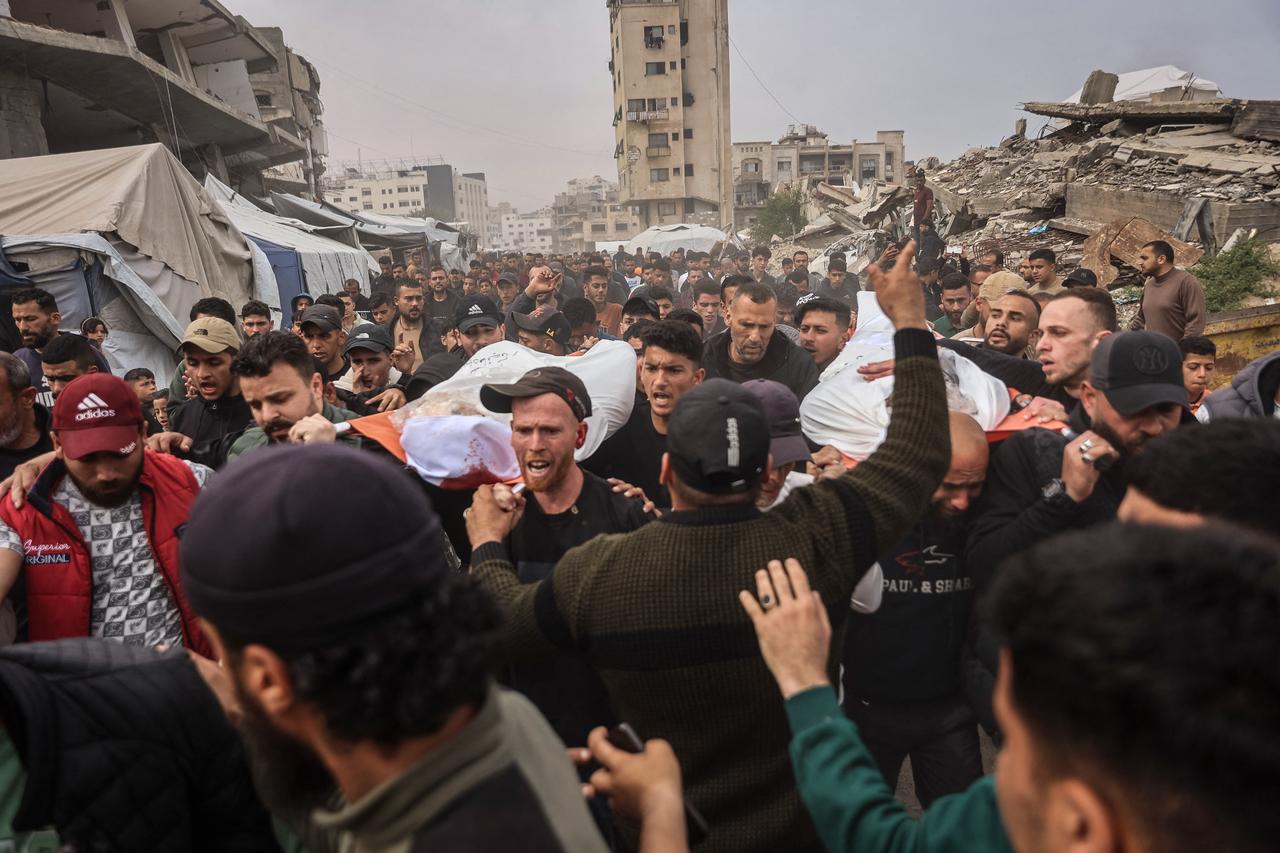
It said continued Israeli attacks and the blockade had pushed Gaza’s health system into a severe crisis, with shortages of laboratory devices and equipment making it difficult to perform essential tests for patients and wounded people.
Blood banks urgently needed stronger supplies of blood and blood products, the ministry said.
It also called on the public to support blood donation campaigns.
Maher Shamiya, acting undersecretary of the Palestinian Health Ministry, described Gaza’s blood banks as the health system’s “lifeline” during the war.
Speaking at an event marking World Blood Donor Day, Shamiya said laboratories and blood banks needed additional medical supplies to continue operating.
He emphasized the need to build sufficient stocks of blood and blood products.
Shamiya said the condition of laboratories and blood banks reflected the wider difficulties facing medical services for wounded and ill Palestinians.
He said Gaza’s health system remained under intense pressure because of Israeli attacks and the continuing blockade.
Gaza’s health sector is facing a major crisis after extensive damage to hospitals and medical infrastructure.
Shortages of medicine, fuel and medical supplies have made it increasingly difficult to sustain health services.
The Rafah border crossing partially reopened Feb. 2, 2026, under the first phase of a U.S.-mediated ceasefire agreement after being closed for about 20 months.
The crossing was shut again in late February because of tensions between Israel and Iran before operating on a limited basis during March and April.
Since May 21, 2026, only pedestrian crossings have been permitted.
A limited number of patients, wounded people and humanitarian cases are allowed to cross each day, while thousands of people in Gaza continue waiting for permission to travel.


 Set as preferred source
 Set as preferred source


 1 min read
 1 min read