Newsletters


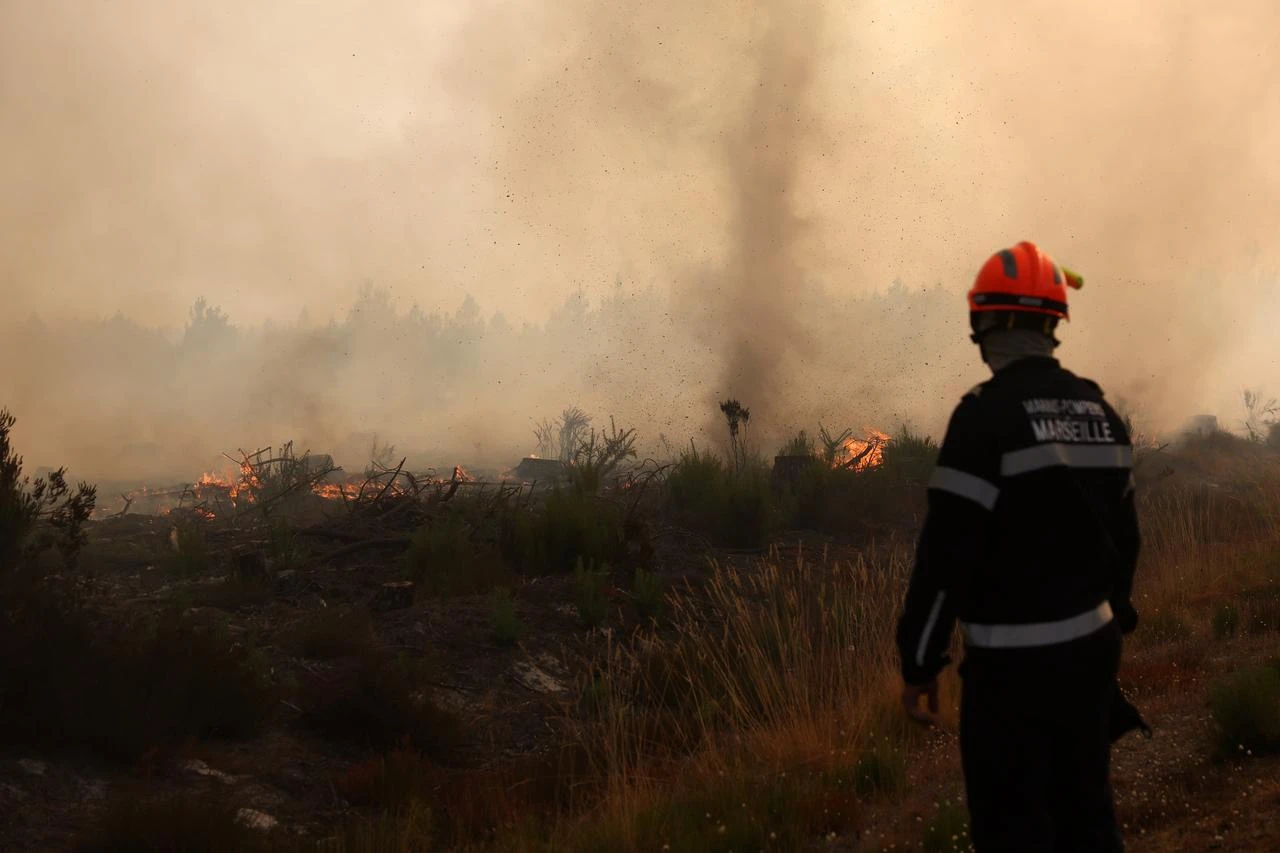


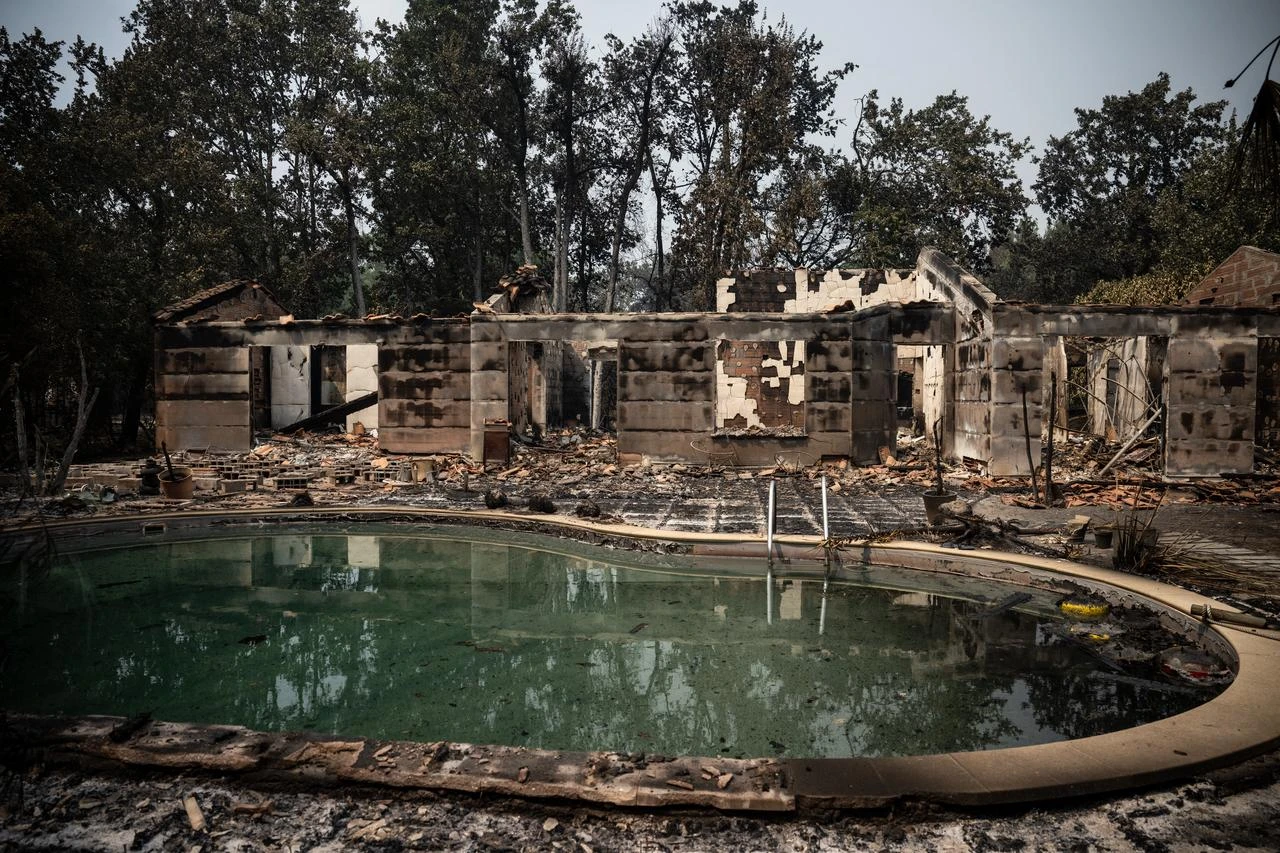
More than 220,000 people have been evacuated because of the largest forest fire currently burning in southwestern France, authorities said Sunday, adding that the blaze has also shut down highways and rail lines in the area.
More than 50,000 additional people have been ordered to leave villages around Bordeaux, which is now under threat from the flames, bringing the total evacuated from this single fire above 220,000. Tens of thousands more have been evacuated from other wildfires in France and central Spain.
Because of the spread of the flames in high winds, 60 kilometers (37 miles) of the main A63 highway, which connects Bordeaux to the Spanish border, has been closed because of the fires, regional authorities said. The SNCF rail company, France's national rail operator, said it had also halted train traffic south of Bordeaux.
The fire "will take a long time to bring under control," and until it is contained, "there will be no return" for evacuated residents and tourists, Interior Minister Laurent Nunez said in an interview published Sunday by La Tribune.
The regional prefecture, a local administrative authority, said that the fire has now burned some 42,000 hectares (103,000 acres) of land, making it one of the biggest in France since World War II. A 1949 fire devastated some 50,000 hectares.
The French army has sent 1,500 soldiers to help hundreds of exhausted firefighters who have been battling the flames for nearly a week.
Heat from the flames was causing whirlwinds that had made the wildfire "erratic and unmanageable," said firefighter captain Nicolas Braz, one of the leaders of the operation.

European holidaymakers worn down by recurrent heatwaves are currently snubbing Mediterranean destinations for northern climes in hopes of cooler temperatures. Still, it remains to be seen whether it is just a fad or a durable shift in the tourism market.
With temperatures in the European summer regularly climbing up towards 40 degrees Celsius (100 degrees Fahrenheit), cool has become cool. This year, visitors "have been telling me that they have escaped the heat in southern parts of Europe," said Terje Viblom Pedersen, a guide who offers tours in southeastern Sweden.
"They are just amazed" by the daytime high temperatures under 30°C and sea breezes, as well as the lack of crowds compared to tourist hotspots in southern Europe.
Two French tourists, Daniel and Florence Gastaldi, joined Pedersen for a tour of Stockholm's Old Town. "It's good to have escaped the heatwave," said the recently retired couple from the southern French city of Marseille. "We're happy to have found cooler temperatures," they said.
The concept of "coolcations," vacations in a cooler clime, has been gathering pace in recent years and appears to have exploded in 2026.
On the French version of Hotels.com, searches for rooms in the Danish capital of Copenhagen have jumped by 246 percent since the first heatwave struck France in May. Those for Dublin in Ireland have risen by 151 percent.
The trend is not limited to France. Jonna Robertson, a trip advisor at New York-based Fora Travel, said she had observed the phenomenon in the United States, which has also seen its share of sweltering weather.
"Oslo has seen booking growth of 154% year-over-year, Helsinki 124%... Those numbers tell me that travelers are actively looking beyond the traditional summer hotspots," said the expert and founder of Coolcation Adventures.
In France, industry experts say they have seen growing popularity of mountain resorts during the summer. "That's because at higher altitudes there is a clear drop in temperatures in the evening and during the night, which makes the stays much more liveable," said Jean-Pascal Chopard, head of the tourism body for the mountainous Jura region.


 Set as preferred source
 Set as preferred source



 6 min read