Newsletters


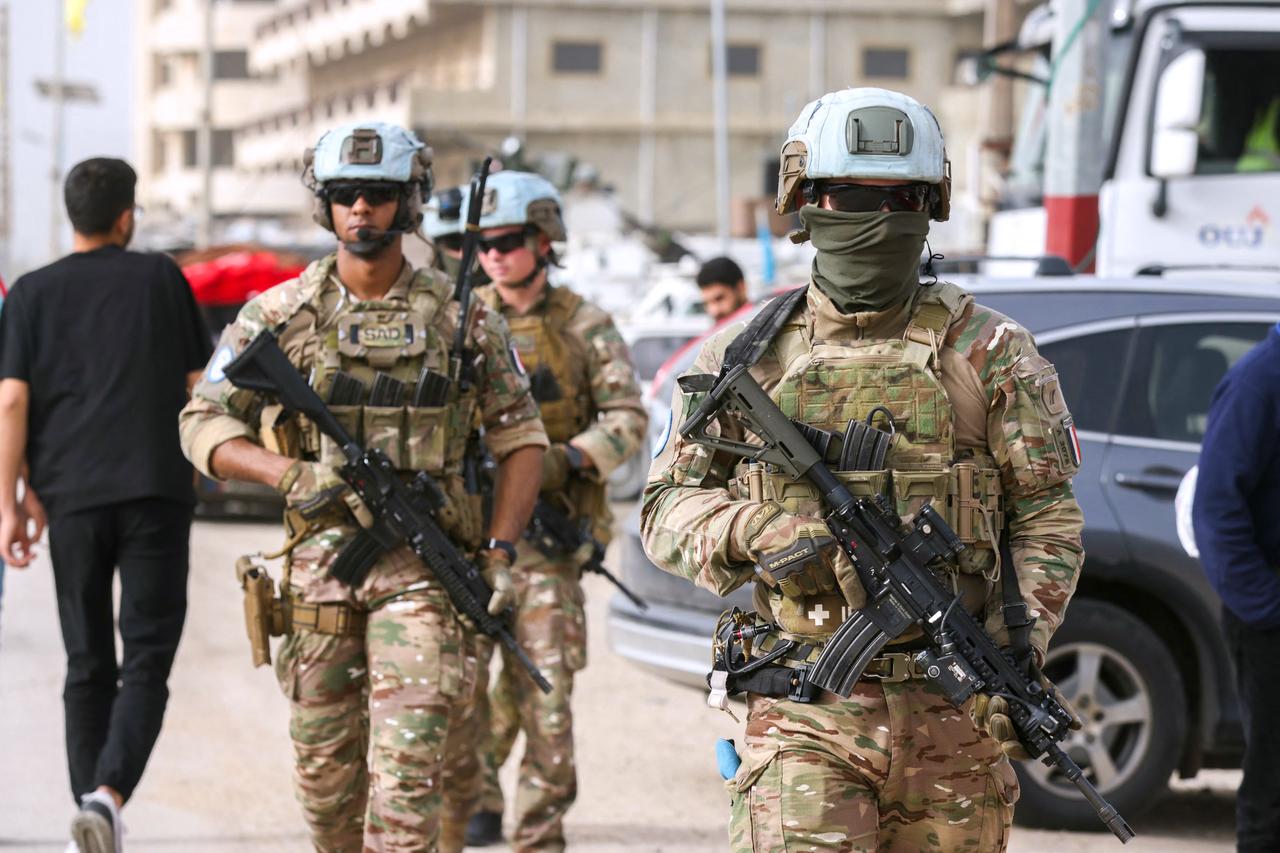


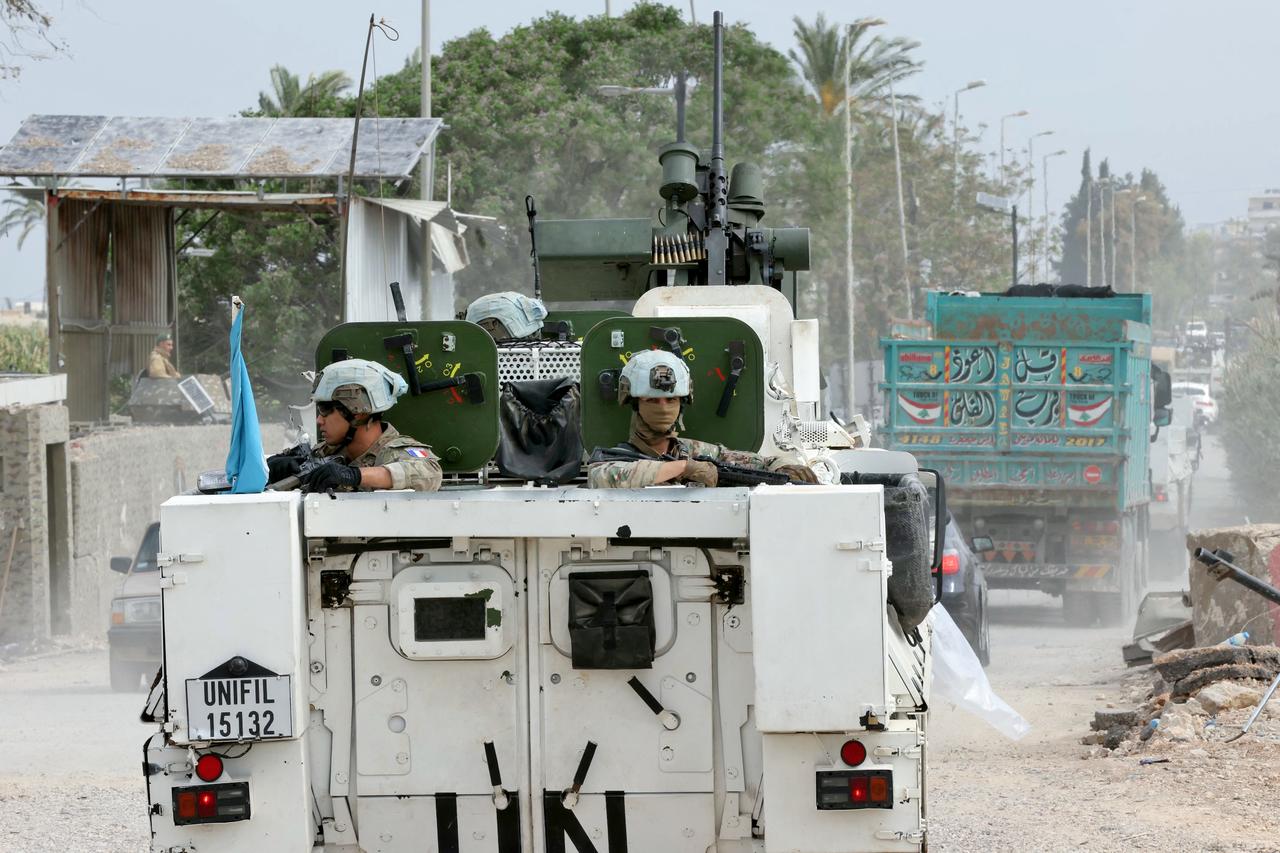
France and Lebanon are pushing to keep the UN Interim Force in Lebanon (UNIFIL) in place beyond the end of this year, despite opposition from Israel, according to a letter circulated to the UN Security Council and seen by the Financial Times (FT).
In the letter, the Lebanese government said it would be "premature" to end UNIFIL's mandate on Dec. 31 as set out in a 2025 resolution, calling instead to extend the "current arrangement for a limited period of time."
3 people familiar with the situation told the Financial Times that France and most other Security Council members had expressed support for Lebanon's request in council discussions, despite strong pushback from Israel, which has long viewed the UN force as a failure.
The effort to maintain the more than 7,000-strong force comes as Israel occupies a large area of southern Lebanon and continues carrying out strikes there following its latest conflict with Hezbollah, which began in March.
The Iran-backed group has rejected calls for its disarmament.
The U.S. had been a key backer of fully ending the five-decade UNIFIL mission, but it remains unclear whether Washington would veto an extension if France brings a new Security Council resolution forward.
"The U.S. has recognized very late that some of the UNIFIL tasks that will go away need to be sustained somehow. But what that looks like remains to be seen," one person familiar with the matter told the Financial Times.
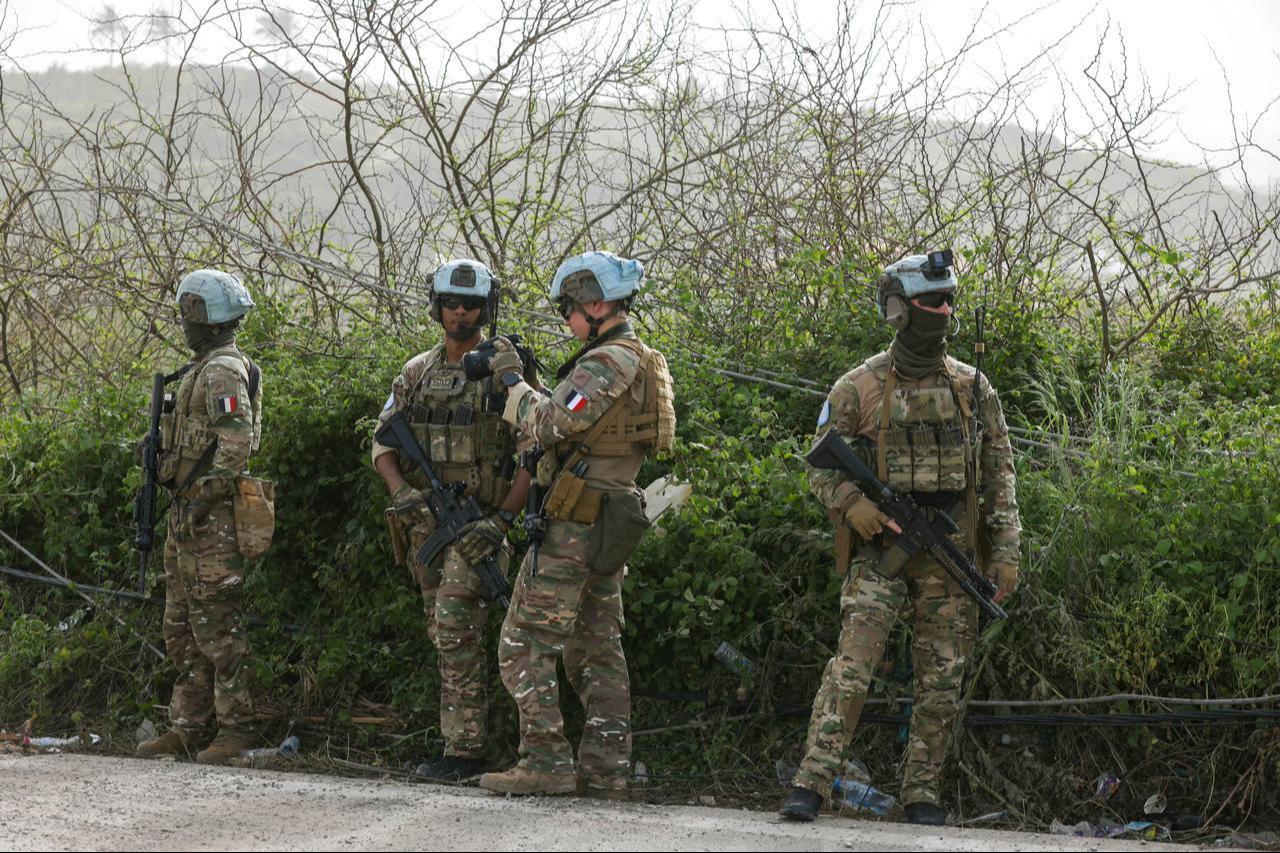
France has about 600 soldiers in the peacekeeping mission and has spent months trying to rally international support for a mission to succeed UNIFIL, including military support and training for the Lebanese army.
Two French soldiers died last year in an attack France blamed on Hezbollah.

Israeli Ambassador to the UN Danny Danon criticized the extension push during a closed-door Security Council session this month.
"For years, Unifil has failed to fulfil the mission entrusted to it and failed to prevent Hezbollah's military buildup in southern Lebanon. The decision to end the mandate has already been made, and there is no reason to turn back," he said, according to the report.
Lebanon, France and most other council members are concerned that a hasty withdrawal could destabilize the area.
Lebanon's UN Ambassador Ahmad Arafa wrote in his letter that "the security context both in Lebanon ... but also in the Middle East has shifted drastically" since last year's decision to end the mandate, adding: "This termination requires a careful re-examination to avoid any security vacuum."
Efforts to establish a new multinational peacekeeping force to monitor the latest Israel-Hezbollah ceasefire have stalled, according to people familiar with the matter who spoke to FT.
Proposed ideas have included a "scaled-down" U.N. mission, French troops, U.S. military personnel, an EU force, or Italian and British soldiers, though any such force would still require a legal mandate and immunities from the Security Council.
Israel has insisted any new peacekeeping mission must be agreed upon as part of direct, U.S.-mediated negotiations with Beirut, "not as a diktat from above," one person told the Financial Times.
Israeli troops currently hold a self-declared "security zone" roughly 10 kilometers into Lebanon, with near-daily airstrikes targeting what Israel says are Hezbollah militants violating the ceasefire.
Since the latest war began, fighting has killed more than 4,300 people in Lebanon and displaced 1 million, according to Lebanese officials, while Hezbollah attacks have killed more than 30 Israeli soldiers and civilians, according to Israeli officials.
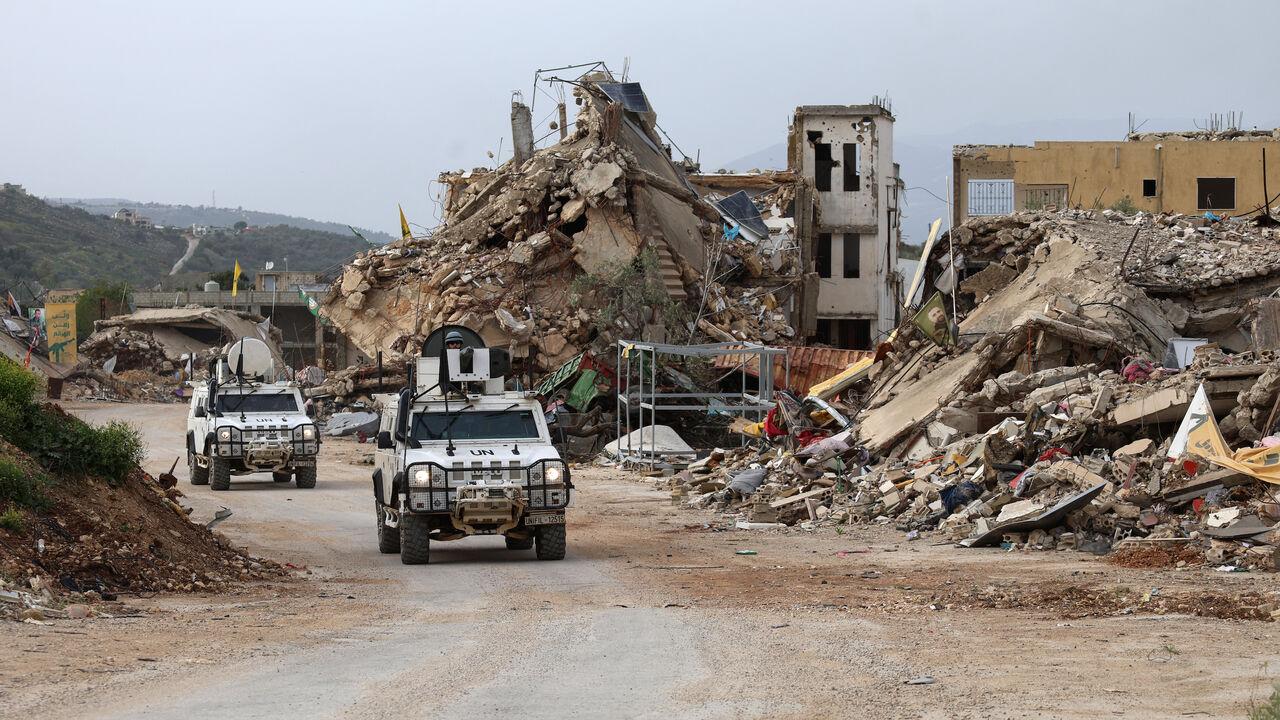
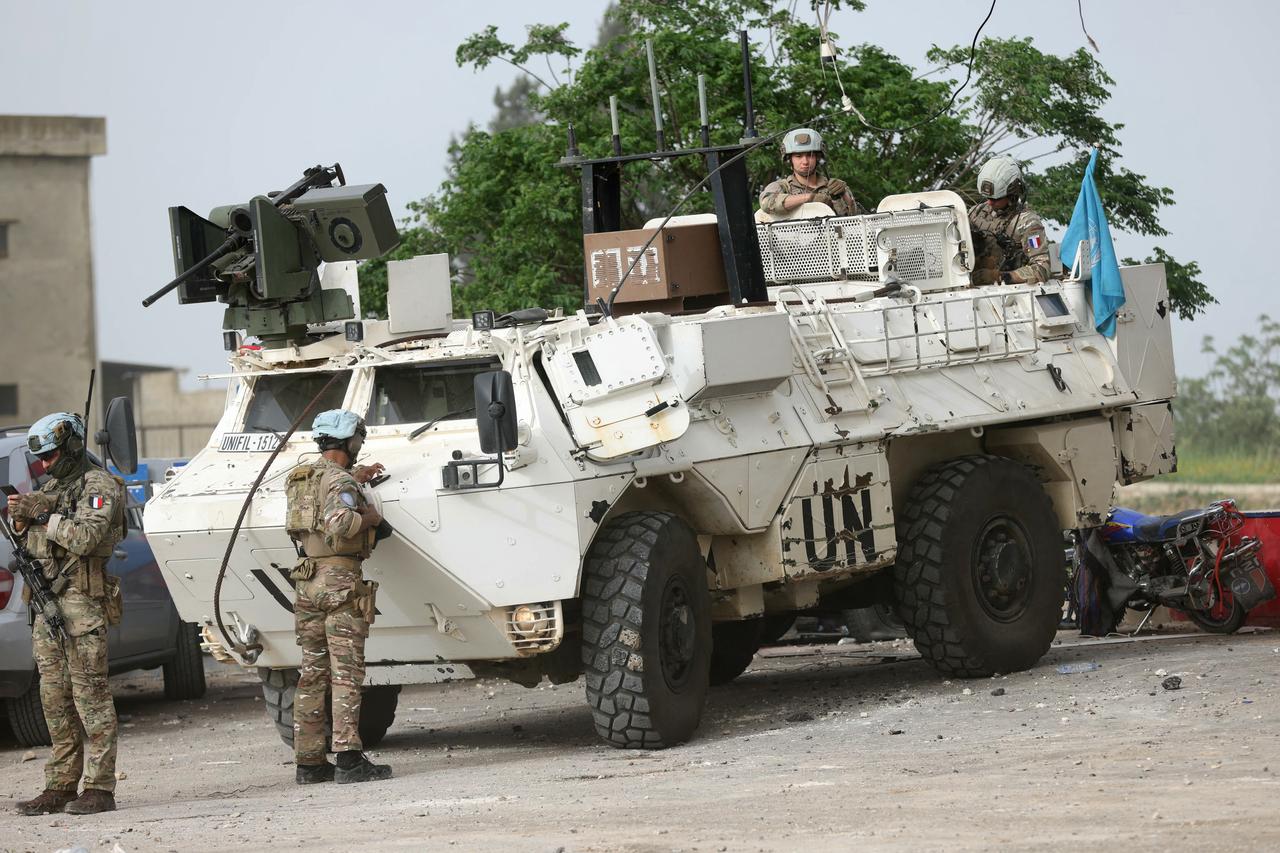
UNIFIL was established in 1978 to monitor hostilities between Israel and Palestinian groups in Lebanon, with its mandate and size expanding over time to include troops from 50 countries tasked with monitoring subsequent ceasefires between Israel and Hezbollah.
Despite UNIFIL's presence, conflict erupted again in 2023 after Hamas's Oct. 7 attack on Israel, escalating into open warfare the following year and again in 2026 during the U.S.-Israeli war on Iran.
Two U.S.-brokered ceasefire agreements over the past two years have called for Hezbollah's disarmament, a Lebanese military takeover of security in the south, and Israeli withdrawal from the region. As part of that process, and at the urging of the U.S. and Israel, UNIFIL's mandate is officially set to conclude at the end of this year, with the force's full withdrawal to be completed within another year.
Recently speaking to Türkiye's state-run Anadolu Agency (AA), UNIFIL spokesperson Dany Ghafri has said the mission's operations will stop by Dec. 31, 2026, with a gradual, safe withdrawal to follow during 2027, though the Security Council retains several options for continuing to implement Resolution 1701, including monitoring, observation and assistance to the Lebanese army, if it acts before the deadline.
Ghafri said the situation in UNIFIL's area of operations has "changed radically" since the mandate's final extension was adopted last August, with Israeli forces present in a large part of the mission's area and airstrikes continuing, though at a lower pace than in March and April.
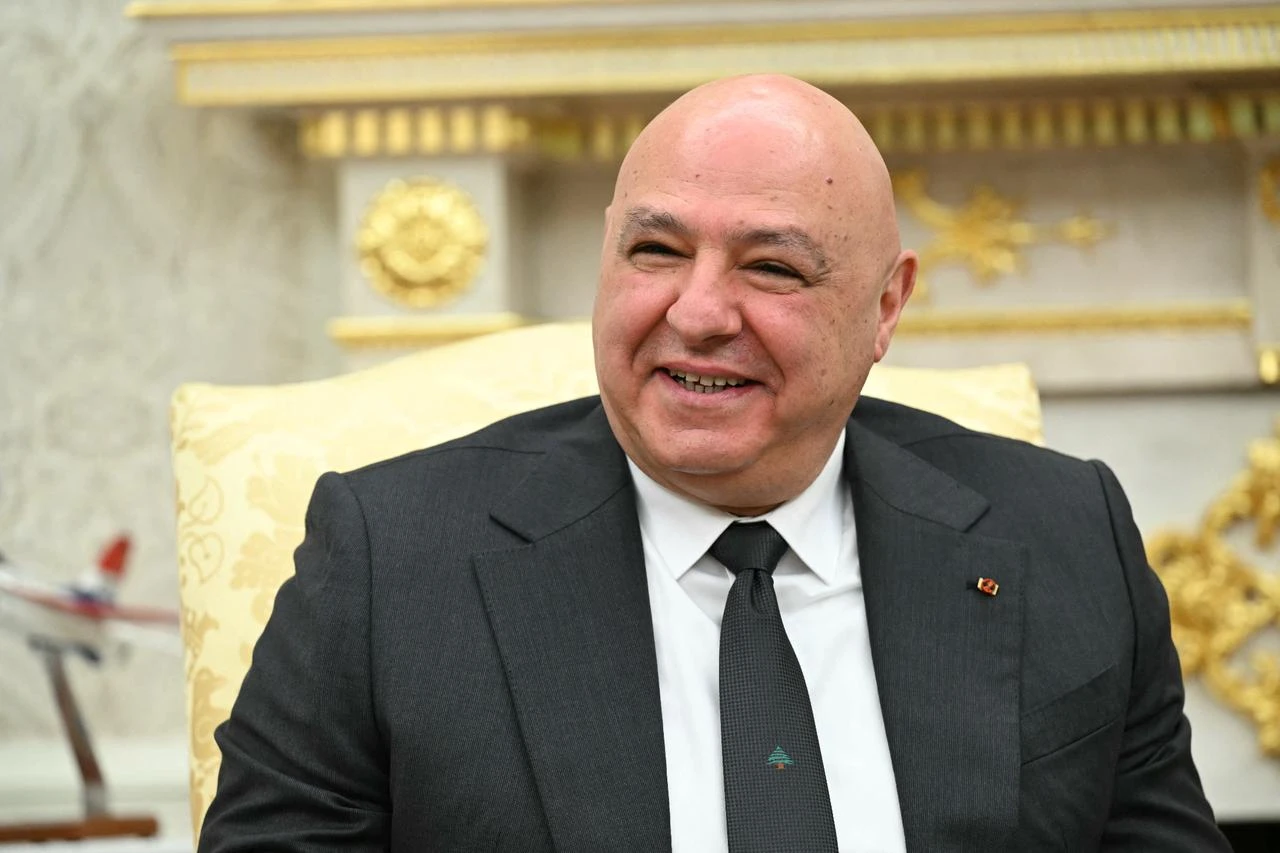
Lebanese President Joseph Aoun has said Lebanon would welcome an alternative international presence in the south if UNIFIL's mandate cannot be extended, telling Dutch Foreign Trade Minister Sjoerd Sjoerdsma that Beirut would accept help from any "brotherly or friendly" country willing to continue aspects of the mission's work, particularly support for the Lebanese army and residents of the south.
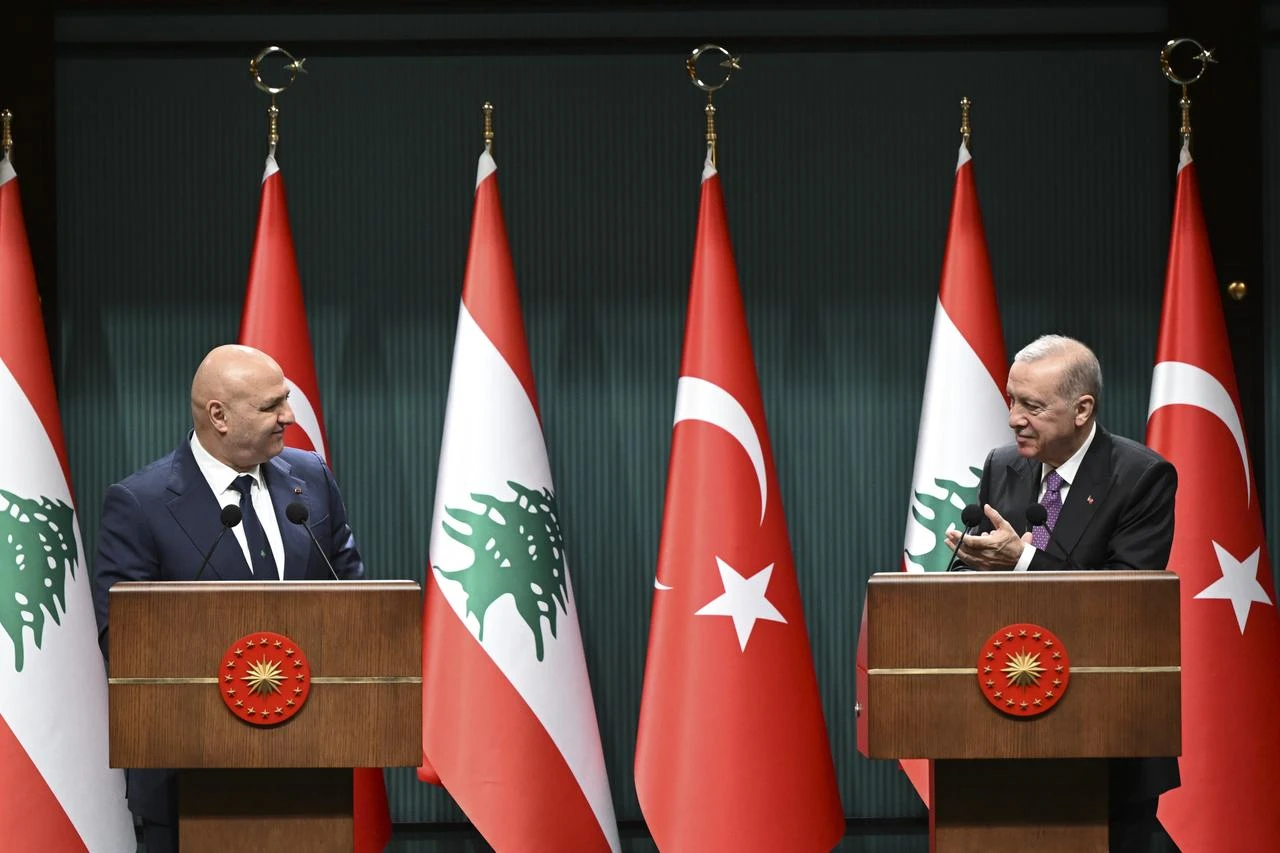
President Recep Tayyip Erdogan said during Aoun's July visit to Ankara, the first Lebanese head-of-state visit to Türkiye in 17 years, that Türkiye wants to take part in initiatives supporting regional security and Lebanese sovereignty once the current international force withdraws.
"After the withdrawal of the current international force, we as Türkiye want to take part in all initiatives to be launched to support security in the region and ensure Lebanon's sovereignty," the Turkish president said.


 Set as preferred source
 Set as preferred source


 2 min read
 1 min read