Newsletters


The United Nations Security Council will decide the future of the U.N. Interim Force in Lebanon (UNIFIL) after the peacekeeping mission's mandate expires at the end of 2026, UNIFIL spokesperson Dany Ghafri told Türkiye's state-run Anadolu Agency (AA), as Lebanon presses to keep an international presence in the south.
"By the end of Dec. 31, 2026, the mission's operations will stop, and UNIFIL will begin a gradual and safe withdrawal during 2027," Ghafri said, adding that the council has several options for continuing to implement Resolution 1701, including monitoring, observation and assistance to the Lebanese army.
UNIFIL has been deployed since 1978 to monitor the cessation of hostilities between Lebanon and Israel and help maintain security and stability in the south.
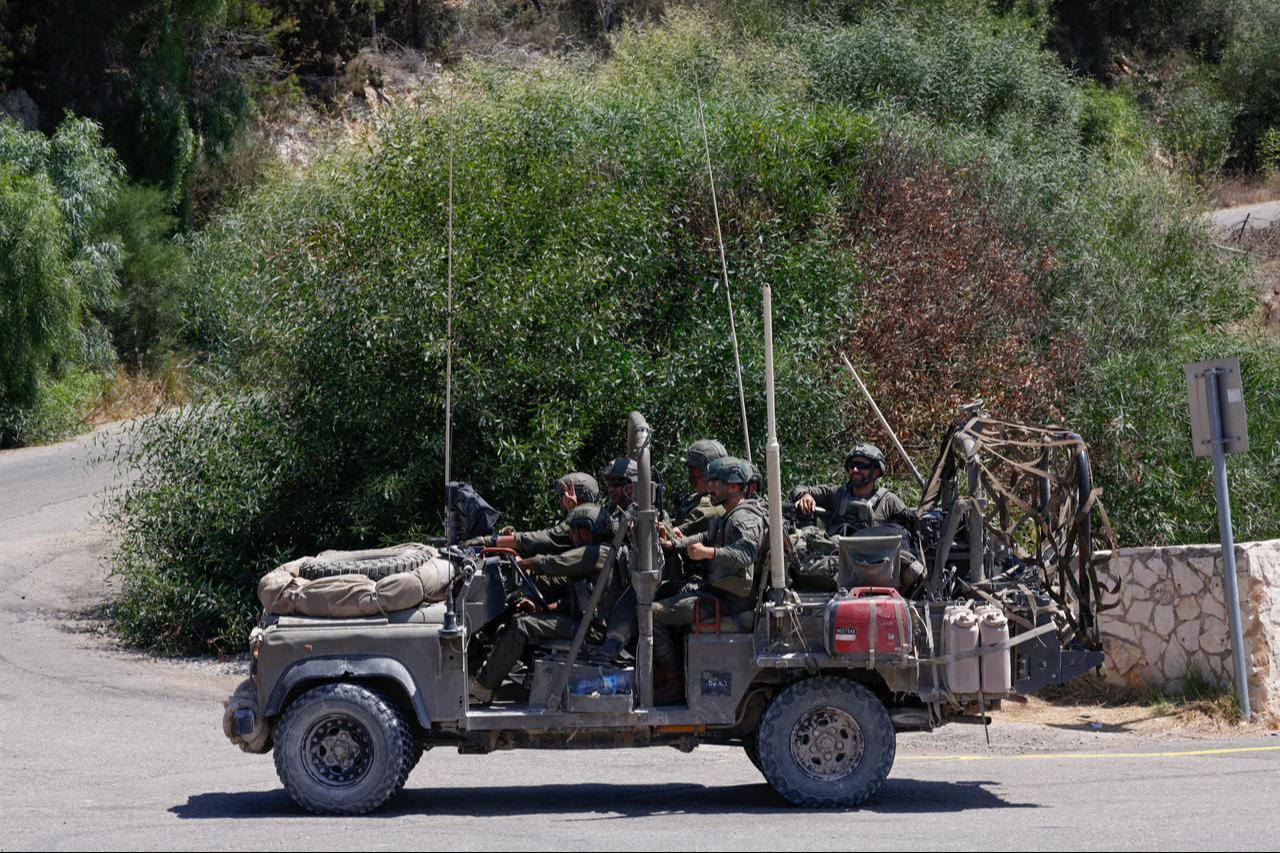
Israel occupies areas in southern Lebanon, some for decades and others since the 2023-2024 war, having advanced more than 10 kilometers into Lebanese territory during its current assault.
Ghafri said Security Council Resolution 2790, adopted in August 2025, extended UNIFIL's mandate for a final time until Dec. 31, 2026. UNIFIL continues to carry out all tasks required under Resolution 1701 under current circumstances, he said, but is preparing withdrawal plans in coordination with troop-contributing countries and the Lebanese government and army.
"The mission is expected to hand over its tasks to Lebanese authorities," Ghafri said.
Since March 2, Israel has carried out an assault on Lebanon that has killed at least 4,362 people, injured 12,378 others and displaced more than 1 million. Lebanon's government and lawmakers have called for reconsidering Resolution 2790, warning of a security vacuum after UNIFIL's withdrawal.
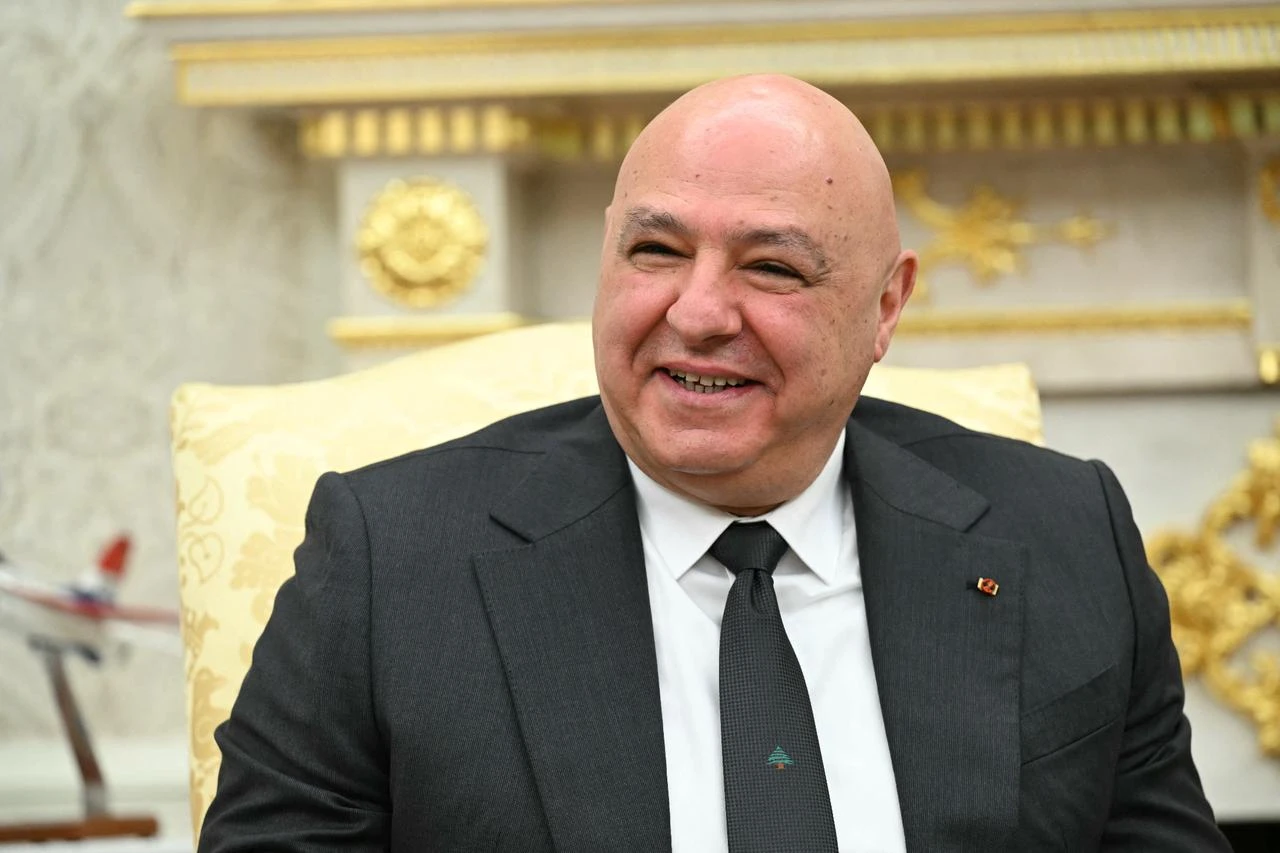
Lebanese President Joseph Aoun recently noted that Lebanon would welcome an alternative international presence in the south if UNIFIL's mandate cannot be extended.
Aoun made the remarks during a meeting with Dutch Foreign Trade Minister Sjoerd Sjoerdsma, according to reports.
Aoun stressed Lebanon's commitment to maintaining UNIFIL, citing the "important role" it plays in the south, but said Lebanon would welcome any "brotherly or friendly" country willing to continue aspects of the mission's work, particularly support for the Lebanese army and residents of the south in humanitarian, social, health, educational and communications fields, if an extension proves impossible.
He said contacts are underway to find a legal framework for such a presence.
Aoun also accused Israel of continuing to violate the framework agreement reached through Lebanese-U.S.-Israeli negotiations in Washington, citing continued attacks, the destruction of southern villages and the demolition of homes and property.
He said the Lebanese army is fully carrying out its duties in areas where it has redeployed, rejecting claims questioning the military's role or its commitment to decisions by Lebanon's political authorities.
Reconstruction of southern Lebanon is the state's responsibility, Aoun said, but it cannot proceed while the Israeli presence in the area continues.
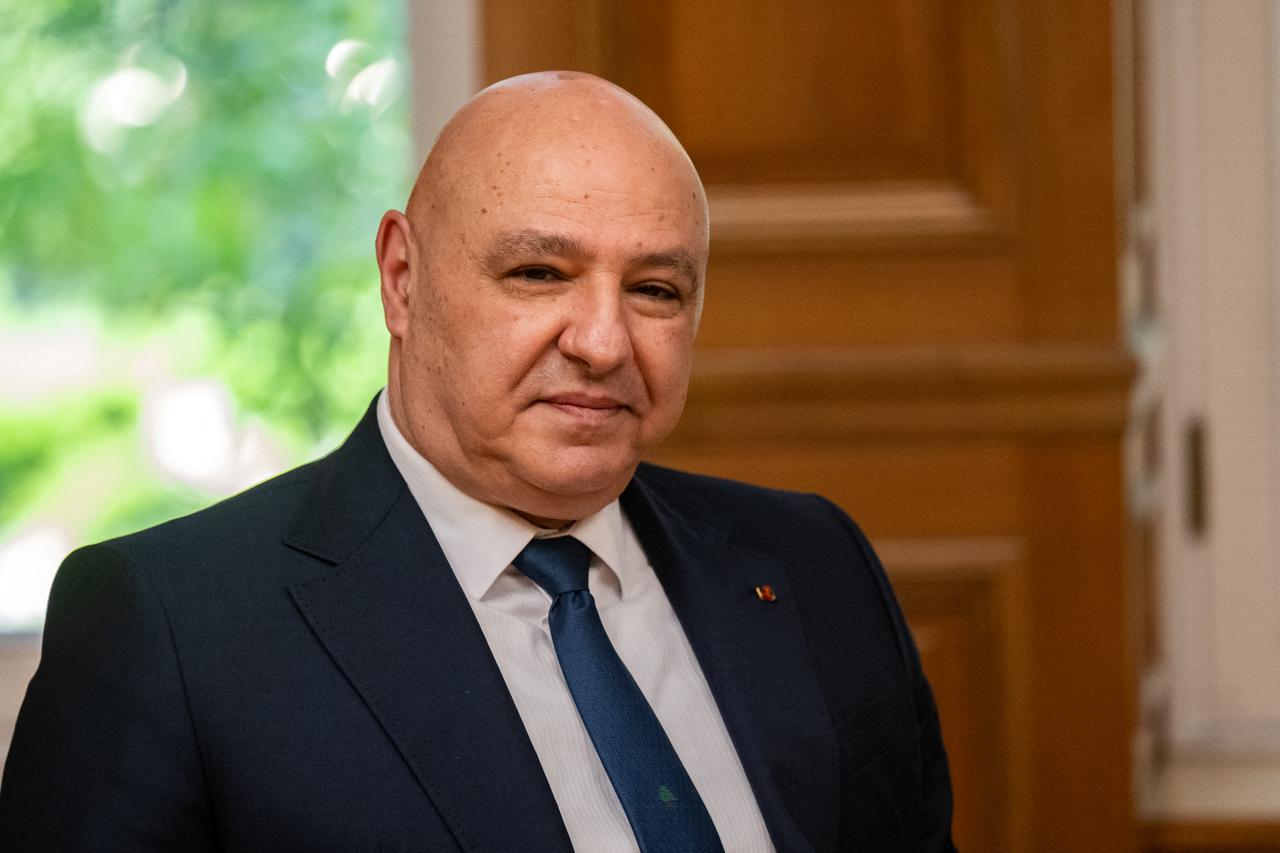

Ghafri said UNIFIL currently consists of around 7,500 peacekeepers from nearly 50 countries. Asked about the Lebanese army's ability to assume UNIFIL's security tasks, he said the situation in the mission's area of operations has "changed radically" since Resolution 2790 was issued.
"The Israeli army is present in a large part of UNIFIL's area of operations," Ghafri said, adding that Israeli airstrikes and shelling continue, though at a lower pace than in March and April.
"We are still living in an area facing major security challenges," the official added.
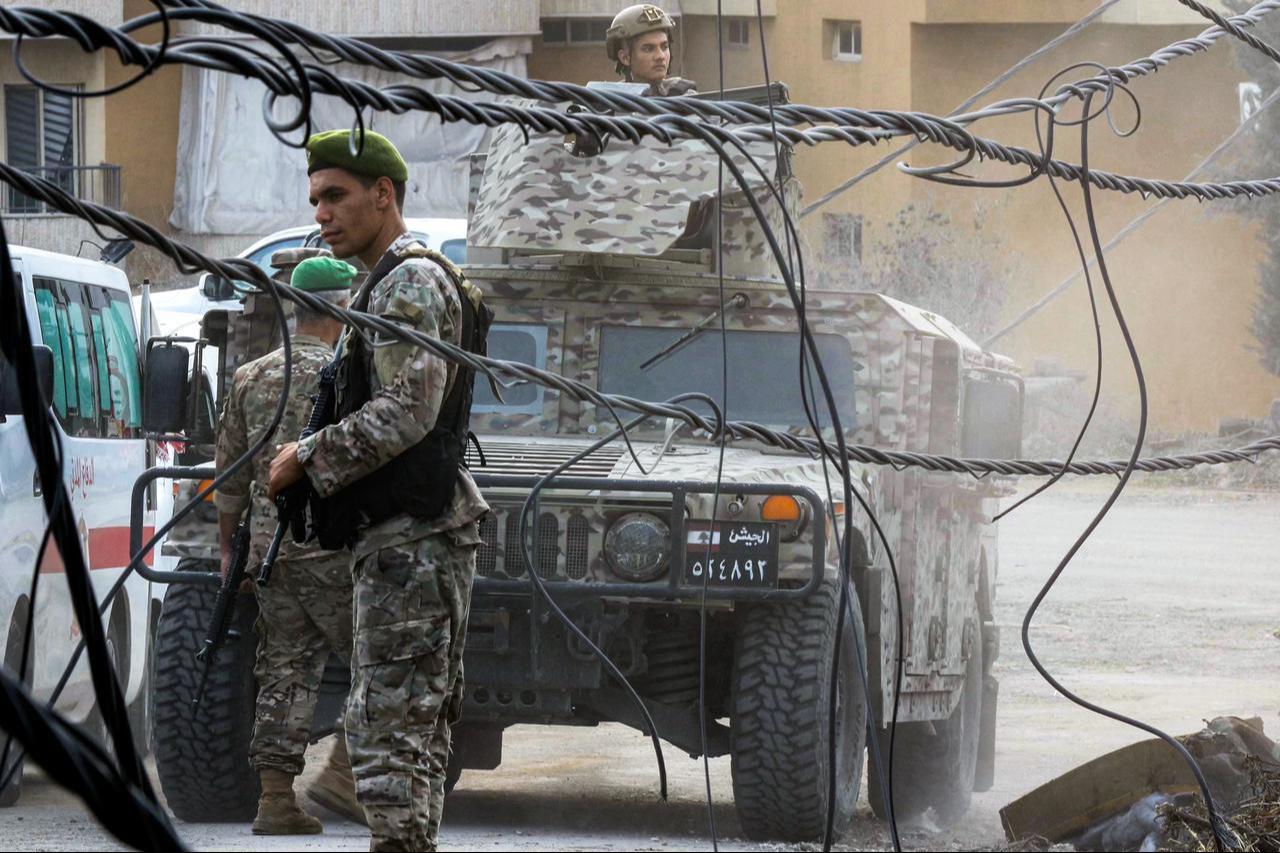
He said the Lebanese army has carried out a major redeployment in UNIFIL's area of operations since the November 2024 cessation of hostilities understanding, with the mission helping facilitate the deployment.
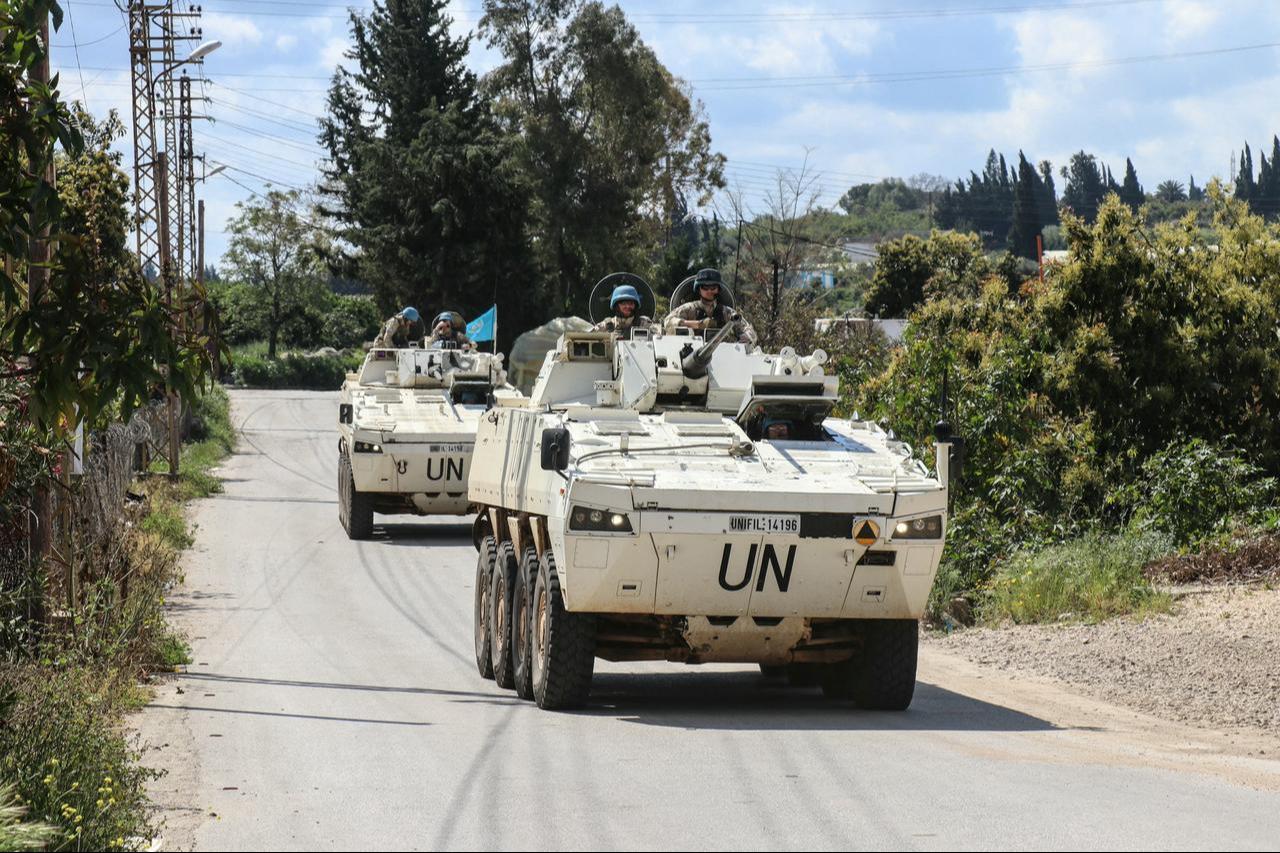
On the future of Resolution 1701 after UNIFIL's mandate ends, Ghafri said the resolution "remains valid, and its principles remain in place," addressing the extension of state authority, strengthening the Lebanese army's capabilities, the withdrawal of the Israeli army, the return of residents to their areas, and the exclusivity of arms or disarmament of armed groups.
The Lebanese government is implementing a plan to place all weapons, including Hezbollah's arms, under state authority, while Hezbollah insists on retaining its weapons, describing itself as a resistance movement against Israeli occupation.
Asked about UNIFIL's role in a U.S.-mediated framework agreement between Lebanon and Israel signed June 26, Ghafri said the agreement "does not include a role for UNIFIL and does not mention Resolution 1701," though its principles remain compatible with the framework.
"UNIFIL is ready to assist if asked to do so," he said.
The agreement provides for a gradual Israeli withdrawal from occupied Lebanese territory in exchange for the Lebanese army's deployment there and the disarmament of armed groups.
Ghafri said the Security Council asked U.N. Secretary-General Antonio Guterres to present options by June for continuing to implement Resolution 1701 after UNIFIL leaves.
Guterres sent a letter to the council on June 1 outlining such options, which remains before the council for discussion, amendment or a decision.
"If the council does not take any decision by the end of 2026, UNIFIL will continue implementing Resolution 2790," which provides for ending operations by year's end and beginning withdrawal in 2027, Ghafri said.
On security developments, Ghafri said the ceasefire's first days saw a decrease in airstrike intensity within UNIFIL's area of operations, but "this trend has risen again," with large numbers of projectiles fired from the Israeli side and none monitored from the Lebanese side since June.
"UNIFIL monitors the presence of the Israeli army inside Lebanese territory north of the Blue Line, which constitutes a violation of Resolution 1701," Ghafri said, adding that the mission has repeatedly asked Israeli forces to withdraw from occupied areas in the south.
He said UNIFIL has monitored demolitions, explosions and major damage to civilian infrastructure in those areas, warning the impact was "very dangerous" both physically and psychologically for residents hoping to return.
Regarding the "pilot zones" included in the framework agreement, Ghafri said two of the three are located within UNIFIL's area of operations, where the mission cooperates with the Lebanese army and assists returning and displaced residents, including in Sidon and Beirut, with food, clothing and medical aid.
The question of what comes after UNIFIL has drawn interest beyond the Security Council.
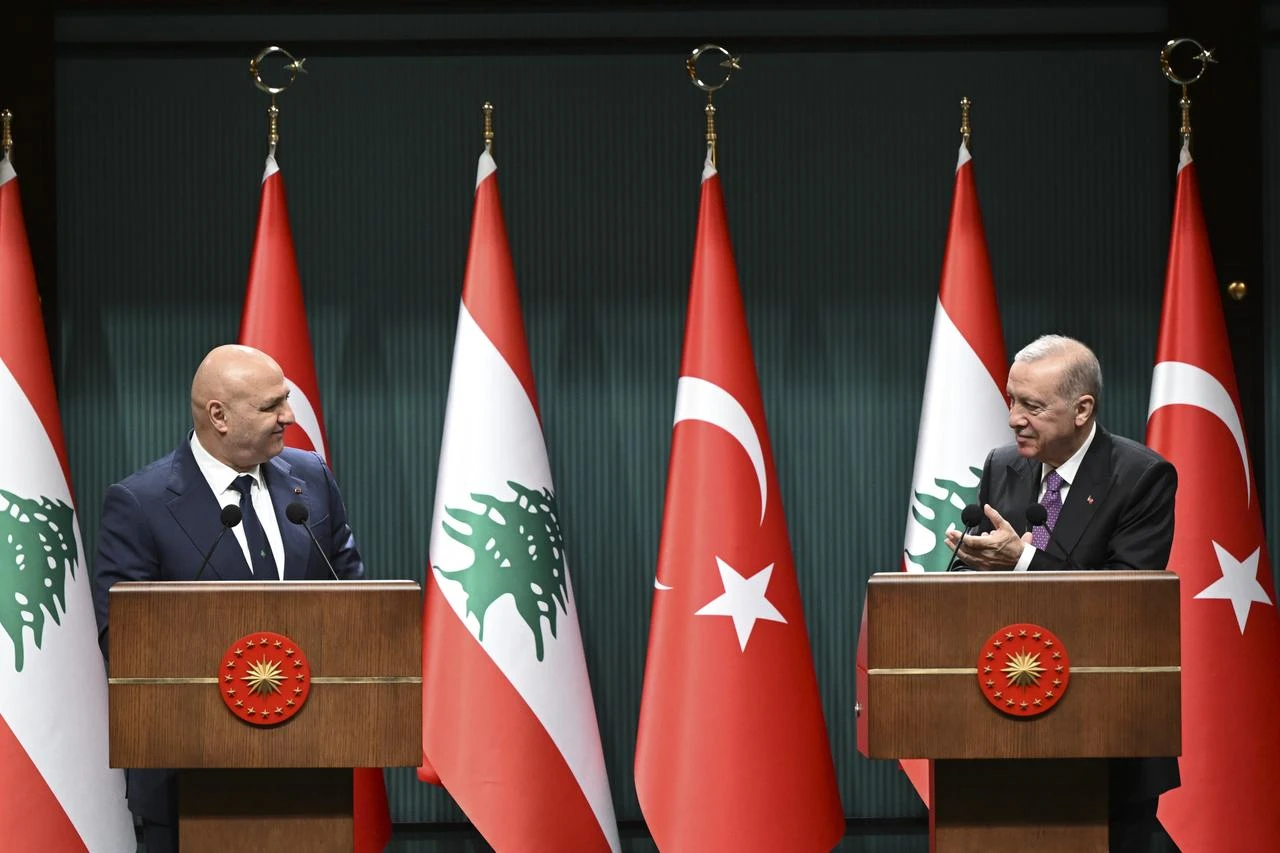
President Recep Tayyip Erdogan said during Aoun's visit to Ankara in July, the first Lebanese head-of-state visit to Türkiye in 17 years, that Türkiye wants to take part in initiatives supporting regional security and Lebanese sovereignty once the current international force withdraws.
"After the withdrawal of the current international force, we as Türkiye want to take part in all initiatives to be launched to support security in the region and ensure Lebanon's sovereignty," Erdogan said, adding that Ankara's support for the Lebanese Armed Forces, along with humanitarian and technical assistance, would continue.
Aoun, for his part, said during the Ankara visit that Lebanon was working to recover "every inch" of its territory "under the roof of a single state, with one army and one authority," and thanked Türkiye for its role within UNIFIL, saying "we will never forget this support."


 Set as preferred source
 Set as preferred source


 2 min read
 1 min read